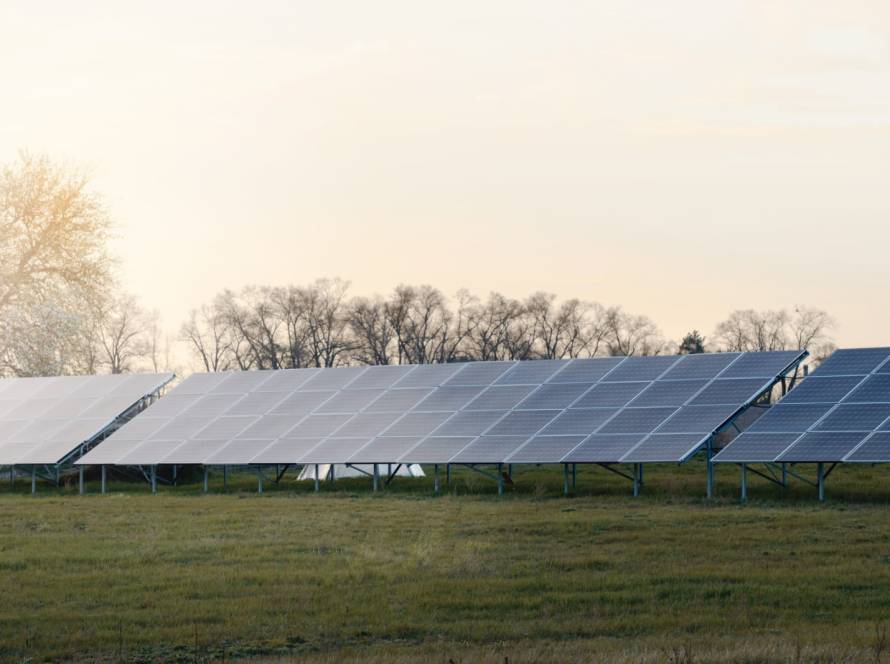
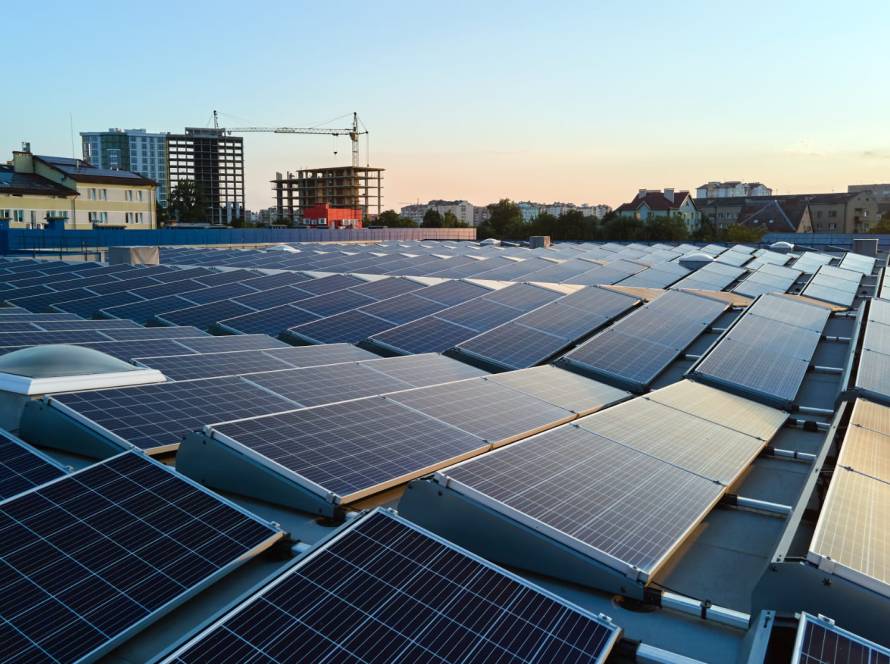
The rise of REIT solar projects is reshaping the commercial property sector across the world, and South Africa is beginning to follow the same path. Real Estate Investment Trusts are under growing pressure to improve energy efficiency, reduce operational risks, and strengthen the long-term value of their portfolios. At the same time, rising electricity instability and increasing demand for sustainable buildings are changing what tenants and investors expect from commercial property owners.
For many property owners, solar energy has moved beyond backup power. It now plays a central role in tenant retention, building competitiveness, energy resilience, and long-term portfolio performance. REIT solar strategies are increasingly viewed as practical business decisions that can improve occupancy, strengthen environmental performance, and unlock new revenue opportunities from unused rooftop and parking space. In South Africa, where energy security remains a major concern for businesses and property investors, solar adoption is becoming an important part of future-proofing commercial real estate assets.
Why REIT Solar Is Becoming a Strategic Property Investment
Commercial property owners are facing a major shift in tenant expectations. Businesses now place greater value on buildings that can offer stable energy supply, lower operating costs, and stronger sustainability credentials. This is especially important in South Africa, where electricity disruptions and rising utility costs continue to affect business operations. Properties that cannot offer reliable energy solutions may struggle to remain competitive in the years ahead.
The commercial property sector is also becoming increasingly focused on long-term operational resilience. Investors and stakeholders now expect property portfolios to demonstrate measurable sustainability progress while maintaining stable financial performance. Solar infrastructure helps property owners improve energy security while supporting broader environmental goals that are becoming more important within the real estate market.
Key Reasons REIT Solar Is Growing
- Improved energy resilience for commercial properties
- Reduced dependence on unstable grid electricity
- Better tenant attraction and retention
- Stronger sustainability performance across portfolios
- Productive use of unused rooftops and parking areas
- Enhanced long-term asset competitiveness
- Support for lower operating expenses
- Greater alignment with future energy expectations
REIT solar systems help property owners address these concerns while also improving asset performance. Large rooftops, parking areas, and underutilised land can now generate clean electricity and support long-term energy strategies. Instead of sitting idle, these surfaces become productive assets that contribute to the value of the property. Investors are also paying closer attention to environmental performance, which means energy-efficient buildings may hold stronger long-term appeal within commercial property portfolios.
As renewable energy adoption continues to grow, commercial buildings that fail to modernise may struggle to remain competitive against properties offering better energy performance and operational stability. Solar energy is increasingly becoming part of broader asset management strategies rather than simply serving as an optional upgrade. This shift is expected to play a major role in shaping the future of commercial real estate across South Africa.
How REIT Solar Improves Tenant Demand and Occupancy
One of the biggest drivers behind the growth of REIT solar projects is tenant demand. Many commercial tenants now prioritise buildings that can help reduce electricity costs and improve operational reliability. This is particularly important for businesses that rely on uninterrupted power for logistics, warehousing, offices, retail operations, or remote working environments.
Solar-powered buildings often create a stronger leasing advantage because they help tenants manage rising operating expenses. Businesses are becoming more selective about where they operate, and energy performance now influences leasing decisions in much the same way as location and accessibility. A commercial property with reliable solar infrastructure can improve tenant confidence, strengthen retention rates, and reduce long-term vacancy risks.
The Growing Importance of Energy Security
South African businesses have experienced years of uncertainty around electricity supply. As a result, energy resilience has become a core property consideration for both landlords and tenants. Commercial buildings that offer stable solar-supported energy systems are increasingly viewed as lower-risk environments for business operations.
REIT solar adoption also supports long-term tenant relationships because it demonstrates proactive investment into the functionality of the property. Businesses want reassurance that their operations can continue without unnecessary interruptions or escalating electricity costs. Property owners who invest in energy solutions position themselves as long-term partners rather than simply landlords.
The Financial Benefits of REIT Solar Installations
One reason many commercial property owners are accelerating solar adoption is the ability to create additional income streams from existing infrastructure. Large rooftops and parking structures can support solar installations that either power the building directly or contribute electricity back into wider energy programmes. This allows property owners to extract more value from surfaces that previously generated no financial return.
Some property owners choose to lease rooftop space to solar developers, creating predictable long-term lease income with minimal operational involvement. Others use solar systems to reduce building operating expenses or improve tenant satisfaction. Both approaches can strengthen overall portfolio performance. In many cases, solar energy also contributes to higher property desirability, which may improve occupancy consistency and long-term rental stability.
Turning Unused Rooftops into Productive Assets
Industrial and logistics properties are especially well suited to solar adoption because they often feature large flat roofs with strong solar exposure. These buildings generally consume less electricity relative to their roof size, which creates significant solar generation potential. Shopping centres, office parks, and mixed-use developments can also benefit from rooftop and parking area installations.
Solar carports are becoming increasingly attractive because they combine practical tenant amenities with clean energy generation. Covered parking improves the customer and tenant experience while allowing commercial properties to generate electricity from previously unused space. This visible commitment to sustainability may also strengthen brand perception and tenant attraction.
Why Battery Storage Is Changing the Value of REIT Solar
Solar energy becomes even more effective when paired with battery storage systems. Solar panels generate the most electricity during the middle of the day, but energy demand often peaks later in the afternoon and evening. Battery storage allows excess solar energy to be stored and used when electricity demand is highest.
For commercial properties, this creates greater control over energy use and improves overall efficiency. Battery systems can reduce pressure during peak demand periods while helping businesses maintain operations during grid instability. In South Africa, where energy interruptions remain a major concern, combining solar and battery storage can significantly improve property resilience and operational continuity.
Better Long-Term Property Performance
Commercial properties are increasingly expected to support modern operational demands while remaining energy efficient and resilient. Businesses now require buildings that can accommodate changing technologies, more advanced infrastructure, and greater operational continuity. Solar and battery storage systems help commercial assets adapt to these growing requirements while improving long-term portfolio sustainability.
As renewable energy adoption expands, properties equipped with advanced energy systems may gain a stronger competitive advantage within the market. Investors and occupiers increasingly favour buildings that demonstrate future-readiness and operational reliability. Energy-efficient buildings may also experience stronger long-term tenant demand as sustainability and resilience become more central to leasing decisions.
Key Long-Term Benefits of Solar and Battery Storage
- Improved operational continuity during grid instability
- Reduced reliance on traditional electricity supply
- Greater control over peak energy demand
- Support for electric vehicle charging infrastructure
- Increased attractiveness to tenants and investors
- Better preparation for future energy requirements
- Improved long-term asset resilience
- Enhanced sustainability performance across portfolios
Battery storage transforms solar energy from a passive system into an active operational asset. Instead of simply generating electricity during daylight hours, the property gains the ability to manage energy more strategically throughout the day. This can improve energy reliability for tenants while reducing dependence on the national grid.
Over time, properties with integrated solar and storage systems may become more attractive to both investors and occupiers. Businesses increasingly want buildings that can support future operational requirements, including electric vehicle charging, automation, and energy-intensive technologies. Property owners who prepare for these shifts today place themselves in a stronger position for future market demands.
How REIT Solar Supports Sustainability and ESG Goals
Sustainability performance is becoming increasingly important within commercial real estate. Investors, tenants, and property stakeholders now expect measurable progress toward lower emissions and improved environmental performance. Commercial buildings that rely entirely on traditional energy systems may face growing pressure as sustainability standards continue to evolve.
REIT solar projects provide a visible and measurable way to reduce emissions associated with commercial property operations. Solar energy can support environmental targets while helping properties align with broader energy efficiency strategies. In South Africa, where businesses are placing greater importance on sustainable operations, clean energy infrastructure may increasingly influence investment decisions and tenant preferences.
Why Sustainability Now Influences Property Competitiveness
Modern commercial tenants often want buildings that reflect their own sustainability commitments. Businesses increasingly report on their environmental performance, which means the buildings they occupy form part of that picture. A commercial property with visible solar infrastructure can strengthen a tenant’s ability to demonstrate environmental responsibility.
This shift also affects long-term property competitiveness. Buildings that fail to adapt to changing energy expectations may struggle to remain attractive compared to more efficient alternatives. REIT solar investments allow property owners to modernise portfolios while positioning their assets for evolving market expectations.
Community Solar and the Expansion of REIT Solar Projects
Another important development in commercial solar adoption is the rise of community solar models. Under this structure, large commercial rooftops generate electricity that benefits surrounding communities rather than only the building itself. This creates opportunities for commercial properties to contribute to broader energy access while monetising unused roof space.
Community solar models are particularly valuable for properties with large rooftops and relatively low internal energy demand. Warehouses, storage facilities, and industrial buildings often fall into this category. By allowing nearby homes or businesses to benefit from clean electricity generation, property owners create additional value from existing infrastructure while supporting local energy resilience.
Why Community Solar Makes Sense in South Africa
South Africa continues to face pressure on its electricity infrastructure, and decentralised energy generation is becoming increasingly important. Commercial rooftops offer a practical opportunity to expand renewable energy production without requiring additional land development. This makes rooftop solar a more efficient and scalable solution for urban environments.
Community-focused solar initiatives may also strengthen relationships between commercial developments and surrounding communities. As more businesses and property owners invest in renewable energy, commercial real estate could play a larger role in supporting wider energy stability and long-term sustainability.
Key Considerations Before Implementing REIT Solar
Successful REIT solar implementation requires careful planning, technical expertise, and a long-term operational strategy. Commercial properties vary significantly in design, energy demand, roof condition, and tenant requirements, which means solar systems should always align with the unique characteristics of each site. A poorly planned installation may reduce long-term performance and limit the expected operational benefits.
Property owners also need to consider how solar infrastructure fits into broader portfolio objectives. Energy systems should support operational continuity, tenant satisfaction, sustainability goals, and long-term asset value. This makes portfolio-wide planning increasingly important, especially for property groups managing multiple commercial sites across different regions.
Important Factors to Assess Before Installation
- Roof condition and structural capacity
- Existing tenant energy demand
- Future redevelopment or expansion plans
- Battery storage integration opportunities
- Long-term maintenance and monitoring requirements
- Scalability across multiple properties
- Compliance and sustainability objectives
- Overall portfolio energy strategy
Commercial property owners need to assess roof condition, structural capacity, tenant energy demand, future redevelopment plans, and overall property suitability before installation begins. System quality also matters. Poorly designed solar installations may underperform or create maintenance challenges over time. Commercial property owners should focus on long-term reliability, quality components, scalability, and professional installation standards.
Solar infrastructure should support the operational goals of the property rather than simply acting as a short-term upgrade. Many commercial property owners now evaluate solar opportunities across entire portfolios rather than on a building-by-building basis. This allows them to identify which properties are best suited for direct tenant-serving systems, rooftop leasing arrangements, or future battery storage integration.
Portfolio-Wide Planning Creates Better Results
Many commercial property owners now evaluate solar opportunities across entire portfolios rather than on a building-by-building basis. This allows them to identify which properties are best suited for direct tenant-serving systems, rooftop leasing arrangements, or future battery storage integration.
A portfolio-wide strategy also helps property owners prioritise buildings based on tenant demand, roof suitability, energy intensity, and long-term investment objectives. In the long run, a coordinated approach can create stronger operational consistency and more meaningful sustainability progress across commercial real estate portfolios.
What Are the Best Solar Energy Solutions Tailored for REIT Portfolios?
At Eversolar, we provide fully integrated renewable energy solutions specifically designed for the operational and investment requirements of commercial property portfolios. Our approach focuses on improving energy resilience, strengthening long-term asset performance, and supporting sustainability objectives across multiple sites. Through a full EPC model, we manage the entire project lifecycle from feasibility assessments and engineering to installation, commissioning, monitoring, and long-term maintenance support. We deploy tailored Solar PV and Battery Energy Storage Systems that align with each property’s load profile, infrastructure constraints, and operational priorities. Our solutions include grid-tied, off-grid, and hybrid solar systems engineered to maximise long-term performance while integrating seamlessly into existing buildings and developments.
We also offer scalable battery storage systems that help commercial properties manage peak demand, maintain operational continuity during outages, and improve tenant reliability. For property groups managing multiple locations, our renewable energy wheeling solutions allow solar power to support remote assets without requiring on-site generation at every property. To support investment flexibility, we provide funding structures including Power Purchase Agreements and Rent-To-Own Solar options that help property owners achieve more predictable energy costs and long-term energy security. Beyond installation, we continue supporting clients through remote monitoring, preventive maintenance, technical support, and system optimisation to ensure reliable long-term performance. By combining technical expertise, scalable infrastructure, and ongoing operational support, we help REIT portfolios strengthen energy independence, improve Net Operating Income, and future-proof commercial assets against rising energy uncertainty.
Utilise all the Benefits That Come With REIT Solar
REIT solar adoption is reshaping how commercial property owners approach long-term asset performance, tenant relationships, and energy resilience. What once served mainly as backup power has evolved into a strategic investment that supports sustainability goals, strengthens occupancy, and improves overall property competitiveness. As South Africa continues to face energy challenges, commercial real estate owners are increasingly recognising the value of integrating solar and battery storage into their portfolios.
The long-term benefits extend far beyond electricity generation. Solar-powered commercial properties may achieve stronger tenant demand, greater operational stability, and improved resilience against future energy uncertainty. For property owners looking to future-proof their assets and strengthen portfolio performance, renewable energy is becoming an increasingly important part of commercial real estate strategy. If you are exploring solar solutions for commercial property portfolios, Eversolar can help you develop a tailored strategy that supports long-term energy performance and property value. Get in touch with the team today to learn how solar and battery storage can help future-proof your commercial real estate assets.