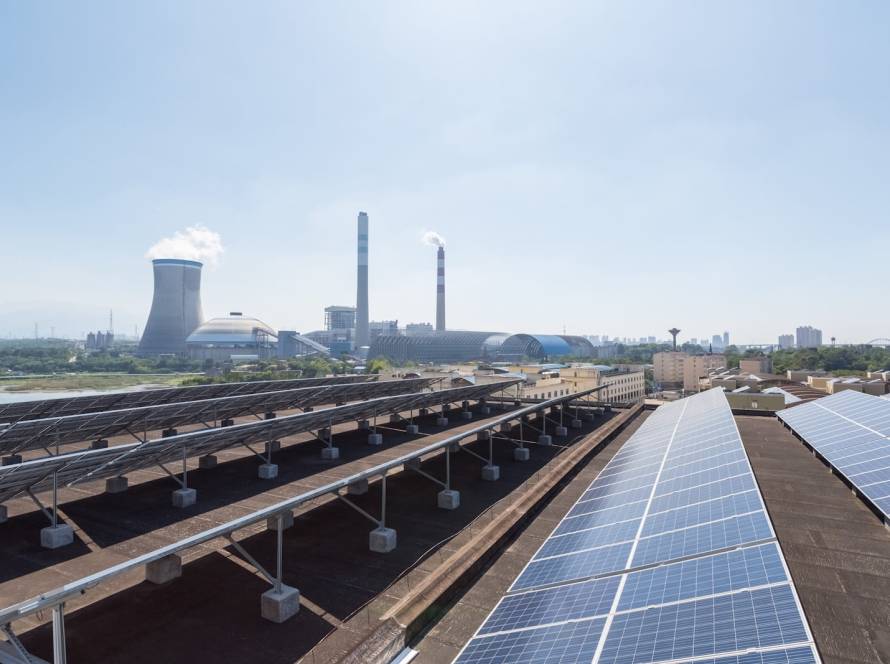
Commercial solar financing gives South African businesses a practical and flexible way to transition to renewable energy without placing immediate pressure on capital budgets. As electricity demand continues to grow across commercial and industrial sectors, many businesses now view solar energy as more than just an environmental investment. It has become a long-term operational strategy that can improve energy stability, reduce dependence on traditional electricity supply, and support more predictable operational planning. For businesses operating from large offices, warehouses, manufacturing plants, retail centres, and logistics facilities, managing electricity costs has become increasingly important. Solar energy offers a way to take greater control over those costs while improving sustainability performance and long-term resilience.
The challenge for many businesses is not whether solar is beneficial, but rather how to fund the installation in a way that aligns with their financial strategy. Commercial solar financing creates multiple pathways for organisations to adopt solar technology without necessarily purchasing the system outright from day one. From power purchase agreements and rent-to-own structures to direct ownership and business finance options, companies can choose a solution that supports their cash flow requirements, operational goals, and long-term energy objectives. With the right financing structure in place, businesses can start benefiting from solar sooner while preserving working capital for other areas of growth.
What Commercial Solar Financing Means for Businesses
Commercial solar financing refers to the different payment structures businesses can use to install solar systems without necessarily buying the system outright. Instead of delaying a project because of capital limits, companies can choose a funding route that matches their cash flow, ownership goals, and risk appetite.
These options can include power purchase agreements, lease structures, bank finance, tailored funding, or direct ownership through business capital. Each route affects who owns the system, who maintains it, who carries performance risk, and how the business benefits from the electricity generated.
Why Solar Makes Sense for Commercial Buildings
Commercial buildings across South Africa face increasing pressure to manage energy consumption more efficiently while maintaining uninterrupted operations. Offices, retail centres, warehouses, factories, and industrial facilities rely heavily on electricity during daytime operating hours, making solar energy a highly practical solution. Because solar systems generate electricity during the day, businesses can consume power directly as it is produced, reducing dependence on traditional electricity supply and lowering operational strain. This makes solar particularly valuable for businesses with high daytime energy demand and large roof space available for installation.
Beyond reducing electricity dependence, solar also helps businesses improve operational planning and long-term sustainability performance. Many organisations now view renewable energy as part of a broader business strategy focused on resilience, environmental responsibility, and long-term cost management. Commercial solar financing supports this transition by allowing businesses to adopt renewable energy infrastructure in a way that aligns with financial goals and operational requirements rather than delaying projects because of upfront capital limitations.
Key Reasons Businesses Are Moving to Solar
- Reduced dependence on traditional grid electricity during operating hours
- Improved energy predictability for long-term budgeting and planning
- Better use of large commercial roof space for energy generation
- Lower exposure to future electricity tariff increases
- Increased operational resilience through hybrid and battery-ready systems
- Stronger sustainability positioning and environmental performance
- Reduced pressure on operational cash flow through flexible financing structures
- Improved long-term asset value for commercial properties
The operational advantages of solar extend beyond electricity savings alone. Businesses that implement solar infrastructure often benefit from improved energy reliability, stronger sustainability reporting, and more stable operational forecasting. For industries that rely heavily on continuous daytime operations, energy predictability becomes a major advantage that supports productivity and operational continuity.
Commercial solar financing also allows businesses to scale their renewable energy infrastructure as operations grow. Rather than committing to a rigid energy model, companies can adopt systems that evolve alongside expansion plans and operational demands. This flexibility makes solar a valuable long-term investment for organisations focused on resilience, sustainability, and controlled operational growth.
Commercial Solar Financing Options to Consider
Power Purchase Agreements
A power purchase agreement allows a business to use solar without owning the system from day one. A solar provider installs, owns, operates, and maintains the system, while the business pays for the electricity it uses at an agreed rate.
This option works well for companies that want reduced energy costs without taking on system management. It also suits businesses that prefer to preserve capital for other priorities while still gaining the benefits of solar.
Solar Lease Agreements
Solar lease agreements continue to attract businesses that want access to renewable energy infrastructure while maintaining predictable monthly operational costs. Under this structure, a business uses a solar system for a fixed payment while the provider typically retains ownership of the equipment. This arrangement allows organisations to benefit from solar generation without taking on immediate ownership responsibilities or committing large amounts of capital upfront. For businesses prioritising financial flexibility and operational continuity, leasing can provide a more accessible route into renewable energy adoption.
One of the main advantages of lease agreements is the balance they create between affordability and energy access. Businesses can integrate solar into their operations while avoiding many of the responsibilities associated with ownership, such as major maintenance obligations or long-term equipment management. This financing route also helps companies maintain available capital for operational expansion, staffing, infrastructure upgrades, or other strategic priorities while still progressing towards sustainability goals.
Benefits of Solar Lease Agreements
- Fixed and predictable monthly payment structures
- Reduced upfront financial pressure on the business
- Access to renewable energy infrastructure without immediate ownership
- Maintenance responsibilities often remain with the provider
- Improved budgeting and operational cost planning
- Easier adoption of solar technology for growing businesses
- Flexibility at the end of the lease term depending on agreement structure
- Ability to preserve capital for other operational priorities
Businesses considering lease agreements should carefully assess how the payment structure aligns with their long-term operational strategy. While leasing may not provide the same lifetime ownership value as direct purchase, it can still offer strong operational benefits, particularly for businesses focused on maintaining financial flexibility and avoiding large capital expenditure.
It is also important to review the lease agreement in detail before committing. Businesses should fully understand the contract duration, escalation terms, maintenance responsibilities, monitoring arrangements, and end-of-term options. A well-structured lease agreement can provide stable access to renewable energy while supporting broader operational and financial goals over the long term.
Bank Finance and Business Loans
Some businesses choose commercial solar financing through a loan or asset finance structure. This allows the company to own the system while spreading payment over time.
Ownership can offer strong long-term value because the business may benefit from the system after the finance term ends. However, the company must also account for maintenance, insurance, monitoring, and performance risk.
Direct Ownership
Direct ownership means the business pays for the system using available capital. This option gives the company full control over the asset and the long-term savings it creates.
It can deliver excellent lifetime value, but it requires stronger cash reserves. For that reason, many companies compare direct ownership with other commercial solar financing options before making a final decision.
How to Choose the Right Commercial Solar Financing Route
The best financing option depends on the business’s goals. A company that wants minimal responsibility may prefer a power purchase agreement. A company that wants asset ownership and long-term return may prefer a loan or direct purchase.
Before choosing, businesses should review their daytime energy use, available roof space, cash flow, tax position, maintenance capacity, and long-term property plans. A clear energy assessment helps match the financing structure to the building’s actual needs.
Key Questions to Ask Before Signing
Before entering into any commercial solar financing agreement, businesses should take time to evaluate both the financial and operational implications of the contract. A solar system forms part of the company’s long-term infrastructure, which means the financing agreement can influence operational planning, maintenance responsibilities, energy predictability, and future scalability. Businesses that rush through agreements without understanding the details may later face challenges related to contract flexibility, performance expectations, or operational responsibilities.
A strong financing agreement should provide transparency, predictability, and operational clarity from the beginning. Businesses should understand exactly what services are included, how payments are structured, who manages maintenance, and how system performance is monitored throughout the agreement period. Taking the time to ask the right questions helps businesses avoid misunderstandings and ensures the financing solution aligns with operational objectives and long-term growth plans.
Important Questions Businesses Should Ask
- Who owns the solar system during the agreement period?
- Who is responsible for maintenance, repairs, and monitoring?
- How are monthly payments or electricity tariffs calculated?
- Are there annual escalation terms within the agreement?
- What happens if the system underperforms?
- What insurance responsibilities apply to the business?
- Can the agreement be upgraded or expanded in future?
- What happens at the end of the contract term?
- Are there exit options or early termination conditions?
- How will the system integrate with existing infrastructure?
These questions help businesses gain a clearer understanding of the practical realities associated with commercial solar financing. Beyond simply reviewing monthly costs, organisations should assess how the agreement affects operational flexibility, budgeting stability, maintenance planning, and future expansion opportunities. A transparent agreement creates stronger long-term confidence in the investment.
Businesses should also work with experienced solar providers that can explain financing structures clearly and provide detailed technical assessments before implementation begins. A professional approach to project planning, engineering design, monitoring integration, and lifecycle support plays a major role in ensuring the long-term success of the solar installation and the financing structure supporting it.
Commercial Solar Financing and Long-Term Value
Solar can support long-term savings by reducing the amount of electricity a business buys from the grid. The strongest results often come from buildings that use a lot of power during daylight hours, since they can consume solar energy as it gets produced.
Commercial solar financing also helps companies act sooner. Instead of waiting until they have enough capital to buy a system outright, they can use a structured payment option to start benefiting from solar earlier.
Case Study: A Commercial Company Exploring Solar Payment Options
A large commercial company operates from a spacious building with high daily electricity use. Management believes solar will benefit staff, reduce energy pressure on the building, and support a cleaner operating environment. They have already chosen a solar partner for the installation, but they still need to understand how payment will work.
The company reviews its electricity usage, roof space, operating hours, and available budget. It asks its solar partner for a detailed proposal and then compares several commercial solar financing options, including a power purchase agreement, a lease, business finance, and direct ownership. The team focuses on monthly affordability, maintenance responsibilities, long-term savings, and whether the business wants to own the system.
After comparing the options, the company chooses a power purchase agreement because it wants solar without a large upfront payment or the responsibility of managing the system. The agreement gives the business predictable energy costs, professional maintenance, and a practical route to solar adoption while protecting cash flow.
Mistakes to Avoid When Financing Solar
Businesses often focus heavily on installation costs while overlooking the long-term structure of the financing agreement itself. This can lead to unexpected operational limitations, unclear responsibilities, or financial commitments that no longer align with business growth plans. Commercial solar financing should support long-term operational flexibility and sustainability goals rather than create additional operational pressure. Careful planning and proper due diligence remain essential when selecting any financing structure.
Many financing mistakes happen because businesses rush the decision-making process or focus only on short-term affordability. While lower monthly payments may appear attractive initially, they may come with longer contract terms, restrictive conditions, or reduced long-term value. Businesses should assess the entire agreement structure, including operational responsibilities, maintenance obligations, scalability, and long-term performance expectations before committing to a financing route.
Common Mistakes Businesses Should Avoid
- Choosing the cheapest option without reviewing long-term contract terms
- Ignoring maintenance and monitoring responsibilities
- Failing to understand ownership conditions within the agreement
- Overlooking annual escalation terms or tariff adjustments
- Not assessing future scalability requirements
- Rushing into agreements without proper energy assessments
- Ignoring insurance and system performance obligations
- Focusing only on upfront affordability instead of lifetime value
- Working with providers that lack long-term support capabilities
Avoiding these mistakes helps businesses protect both their operational stability and long-term financial objectives. Solar financing should create predictable value over time rather than introduce uncertainty or operational risk. Businesses that take a strategic approach to financing decisions are more likely to achieve stronger energy performance and better long-term outcomes.
Partnering with an experienced renewable energy provider also plays an important role in reducing risk throughout the project lifecycle. A professional provider can assist with feasibility assessments, financing guidance, engineering optimisation, system monitoring, and long-term maintenance planning. This level of support helps businesses implement solar infrastructure with greater confidence and operational clarity.
What Solar Financing Options Does Eversolar Offer?
At Eversolar, we provide flexible solar project financing solutions that help businesses deploy high-performance Solar PV and battery energy storage infrastructure without placing pressure on capital budgets. We understand that every organisation has different operational goals, ownership preferences, and financial strategies. For that reason, we offer multiple commercial solar financing structures designed to align with long-term energy planning and sustainability objectives. Our turnkey EPC approach covers feasibility assessments, engineering design, procurement, installation, commissioning, monitoring integration, and long-term maintenance support. We also optimise systems based on each client’s operational requirements, whether the project involves grid-tied, hybrid, off-grid, or microgrid integration.
We offer three primary financing options. Our Power Purchase Agreement option allows businesses to move to solar with no upfront capital investment while purchasing electricity at a pre-agreed tariff. We fully fund, install, operate, and maintain the system for the duration of the agreement. Our Rent-To-Own Solar solution gives organisations access to solar infrastructure through fixed and predictable payments, with ownership transferring to the client at the end of the agreed term. This option balances capital preservation with long-term asset acquisition. For businesses seeking immediate ownership and maximum long-term return, our Outright Purchase option provides full asset control from day one, supported by complete EPC delivery and optional maintenance services. Across sectors including mining, agriculture, property development, commercial facilities, industrial operations, and REIT portfolios, we structure commercial solar financing solutions that improve operational resilience, support ESG objectives, reduce tariff exposure, and scale alongside business growth.
Let Your Business Discover the Benefits of Commercial Solar Financing
Commercial solar financing continues to help South African businesses adopt renewable energy in a way that is financially practical, operationally flexible, and aligned with long-term growth objectives. Instead of delaying solar projects because of budget limitations, companies now have access to financing structures that support gradual adoption, predictable energy planning, and stronger energy resilience. Whether a business prefers a power purchase agreement, rent-to-own structure, loan finance, or outright ownership, the right solution can reduce financial pressure while still delivering the operational and environmental benefits associated with solar energy. As energy demands continue to rise across commercial and industrial sectors, financing flexibility will remain a key factor in helping businesses transition towards more sustainable operations.
Choosing the right commercial solar financing solution requires careful planning, technical insight, and a clear understanding of long-term operational goals. Businesses should work with experienced renewable energy partners who can assess energy usage, recommend suitable system configurations, and structure financing around the organisation’s needs. At Eversolar, we focus on delivering practical and scalable renewable energy solutions backed by technical expertise, long-term performance support, and flexible financing pathways. Get in touch with Eversolar to explore a commercial solar solution designed around your business, your operational requirements, and your long-term energy future.
FAQs
What is commercial solar financing?
Commercial solar financing refers to the different funding structures businesses can use to install solar energy systems without necessarily paying the full cost upfront. Instead of relying only on available capital, businesses can choose options such as power purchase agreements, rent-to-own structures, business loans, or outright ownership. These financing models help companies manage cash flow while still gaining access to renewable energy infrastructure. Commercial solar financing also allows businesses to improve energy predictability, reduce long-term electricity costs, and support sustainability goals. The right financing structure depends on the company’s operational priorities, ownership preferences, and long-term financial strategy.
How does a Power Purchase Agreement work?
A Power Purchase Agreement, commonly called a PPA, allows a business to use solar energy without owning the solar system from the start. Under this arrangement, the solar provider funds, installs, operates, and maintains the system on the business’s property. The business then purchases the electricity generated by the system at a pre-agreed rate for the duration of the contract. This structure reduces the need for upfront capital investment while still allowing the organisation to benefit from solar energy. PPAs are popular because they provide predictable electricity costs, reduced operational responsibility, and long-term energy planning flexibility for businesses.
What should businesses consider before choosing a financing option?
Before selecting a commercial solar financing solution, businesses should assess their energy consumption, cash flow requirements, operational goals, and long-term property plans. It is important to understand who owns the system, who handles maintenance, how payments are structured, and how future scalability is managed. Businesses should also evaluate agreement duration, monitoring responsibilities, insurance obligations, and any escalation terms included within the contract. A financing structure should support operational flexibility and long-term financial stability rather than create additional pressure. Working with an experienced solar provider helps businesses understand technical requirements and choose a solution aligned with long-term energy and operational objectives.
How long does a commercial solar financing agreement usually last?
The duration of a commercial solar financing agreement depends on the financing structure, system size, operational requirements, and long-term business objectives. Power purchase agreements and rent-to-own structures often operate over longer contract periods because they involve infrastructure funding, maintenance support, and lifecycle performance management. Loan-based financing structures may vary depending on repayment terms and ownership goals. Businesses should carefully review contract duration before committing to any agreement, especially when considering future operational expansion or property changes. A well-structured agreement should balance affordability, operational flexibility, maintenance support, and long-term energy planning to ensure the solar investment remains sustainable over time.