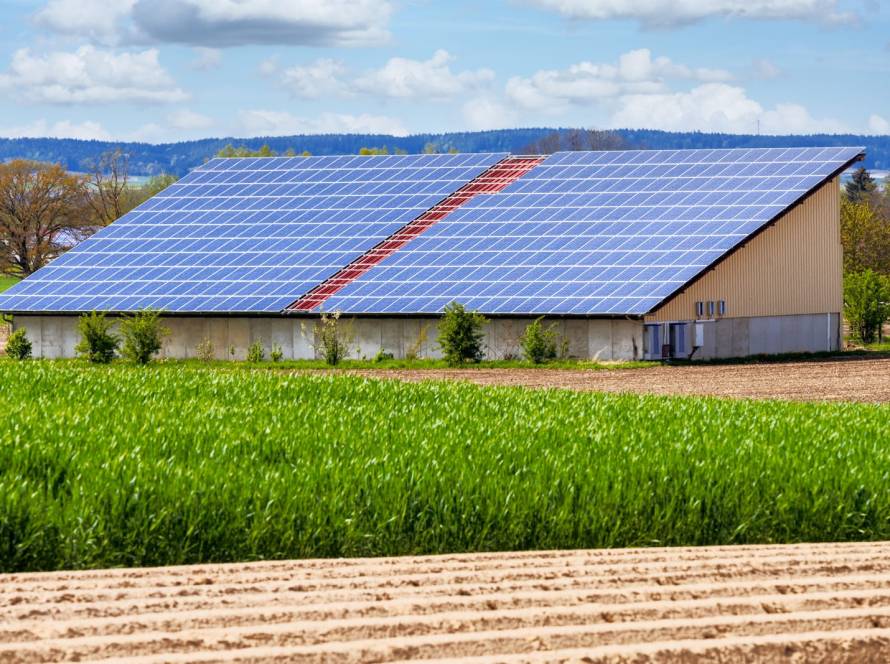
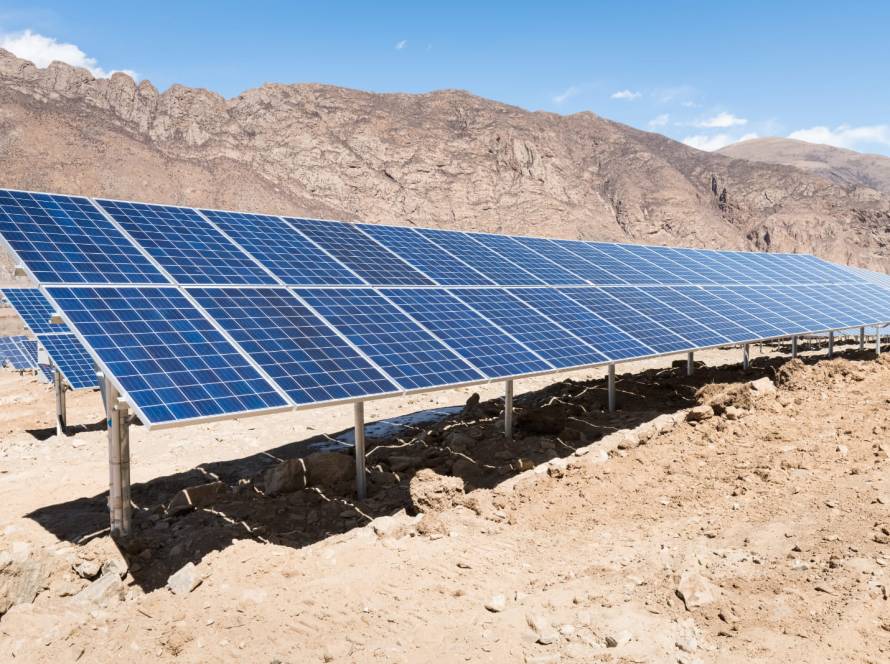
For many South African businesses, electricity is no longer simply another operating expense. It directly influences production capacity, service delivery, operational efficiency and long-term financial planning. As organisations look for practical ways to improve energy resilience and reduce dependence on conventional electricity, understanding what are commercial solar solutions has become increasingly relevant. A professionally designed commercial solar system can help businesses generate their own electricity, improve energy management and establish a stronger foundation for sustainable growth.
Electricity demand continues to evolve as businesses expand their operations, introduce new equipment and adapt to changing market conditions. Investing in renewable energy therefore requires careful planning rather than a one-size-fits-all approach. The most successful projects are designed around actual electricity consumption, operational priorities and future expansion, ensuring the system delivers long-term value instead of simply generating electricity.
What Are Commercial Solar Solutions?
Commercial solar solutions are electricity systems designed specifically for businesses, institutions, industrial facilities, agricultural operations and large commercial properties. They generally include solar photovoltaic panels, inverters, mounting structures, electrical protection equipment, cabling, meters and monitoring controls. Depending on the business’s needs, the installation may also include battery storage, generator integration or export controls.
When asking what are commercial solar solutions, it is important to recognise that they are not simply enlarged residential systems. Commercial installations must accommodate higher electricity demand, three-phase connections, machinery loads, transformers, demand-based tariffs and more complex safety requirements. Their design must also account for operating hours, production schedules, roof capacity and future business growth.
How Commercial Solar Systems Generate Electricity
Solar photovoltaic panels contain cells that react to sunlight and generate direct current electricity. The panels are connected into arrays so that they can produce enough electricity to support a meaningful portion of the building’s energy demand. Output changes throughout the day as sunlight levels, temperature, orientation and shading conditions change.
The electricity generated by the panels must pass through an inverter before most business equipment can use it. The inverter converts direct current into alternating current, which then enters the property’s electrical distribution system. Understanding this process is central to explaining what are commercial solar solutions, because it shows how solar electricity becomes a usable part of everyday operations.
The Main Components of a Commercial Solar System
A commercial solar installation is made up of several interconnected components that work together to generate, convert, distribute and manage electricity. While solar panels are often the most recognisable part of the system, they represent only one element within a much larger electrical solution. Every component has a specific purpose, and the reliability of the installation depends on each one operating correctly as part of the complete design.
Businesses evaluating a commercial solar project should understand how each component contributes to overall system performance before making an investment decision. Knowing how electricity moves from the solar panels to the building, how equipment is protected and how performance is monitored helps explain what are commercial solar solutions beyond the visible panels installed on a roof.
- Solar photovoltaic panels: Convert sunlight into direct current electricity and form the primary electricity-generating element of the system.
- Inverters: Convert direct current into alternating current electricity that commercial buildings and equipment can safely use.
- Mounting structures: Secure panels to rooftops, carports or ground-mounted frames while accommodating wind loads, drainage and structural requirements.
- Battery Energy Storage Systems (BESS): Store excess electricity for later use, improving resilience and increasing solar self-consumption where appropriate.
- Electrical protection equipment: Includes circuit breakers, isolators, surge protection devices, fuses and earthing systems that protect equipment and personnel.
- Transformers and switchgear: Support larger commercial installations that connect to higher-capacity electrical infrastructure.
- Cabling and connectors: Safely transfer electricity between all components while minimising electrical losses.
- Meters and monitoring systems: Measure electricity generation, consumption, imports, exports and equipment performance to support ongoing optimisation.
Selecting quality components is only one part of building a successful installation. Every item must be correctly sized, professionally installed and fully compatible with the rest of the system. A high-performing inverter cannot compensate for poor structural design, while premium solar panels cannot achieve their expected output if shading, cable losses or electrical limitations have not been properly addressed.
Long-term reliability also depends on routine inspections, preventative maintenance and continuous performance monitoring. By understanding how each component contributes to the complete installation, businesses can make better-informed investment decisions and develop realistic expectations about long-term performance, maintenance requirements and future system expansion.
Grid-Tied Commercial Solar Solutions
A grid-tied commercial solar installation operates alongside the electricity network. During daylight hours, the property uses available solar electricity first and imports the remaining requirement from the grid. This configuration is often well suited to offices, factories, warehouses and retail properties with substantial daytime consumption.
Businesses considering what are commercial solar solutions should understand that standard grid-tied systems generally stop operating during a grid outage. This protects electricity infrastructure and workers who may be repairing the network. Surplus generation may be restricted, stored or exported where the relevant connection arrangements permit it, making system design and approval important parts of the project.
What are Commercial Solar Systems: Hybrid Commercial Solar Solutions
Hybrid systems combine solar panels, battery storage and a grid connection. Solar electricity can power the building and charge the batteries during the day, while stored energy can support selected equipment in the evening, during expensive tariff periods or when grid supply becomes unavailable.
This configuration demonstrates how commercial solar solutions can extend beyond electricity generation. A well-designed hybrid installation can increase solar self-consumption, reduce peak demand and improve resilience. However, the battery must be sized according to the required loads and backup duration, as supporting critical systems differs significantly from powering an entire facility.
Off-Grid Commercial Solar Solutions
Off-grid commercial solar systems are designed for businesses that operate independently from the national electricity network. Instead of relying on a grid connection, these installations generate, store and manage enough electricity to support daily operations using a carefully engineered combination of solar generation, battery storage and, where required, backup generation. They are commonly considered where grid access is unavailable, unreliable or prohibitively expensive.
Designing an off-grid system requires a thorough understanding of energy demand because the installation must continue supporting the business during the night, cloudy weather and seasonal variations in solar production. When organisations explore what are commercial solar solutions, off-grid systems represent the most self-sufficient option, but they also require the highest level of planning, accurate system sizing and disciplined energy management.
- Large solar PV arrays: Generate sufficient electricity to support daytime operations while producing excess energy to charge battery storage.
- Battery Energy Storage Systems (BESS): Store electricity for use during evenings, poor weather and periods when solar production is insufficient.
- Backup generators: Provide additional resilience where critical operations cannot tolerate extended periods of low solar generation.
- Energy management systems: Balance electricity generation, storage and consumption to maximise efficiency and maintain reliable supply.
- Load prioritisation: Ensures critical equipment continues operating while non-essential loads can be reduced when necessary.
- Professional system sizing: Matches generation and storage capacity to the business’s actual operating requirements and future expansion plans.
- Continuous monitoring: Tracks system performance, battery condition and electricity consumption to support long-term reliability.
Off-grid installations can be particularly suitable for remote farms, lodges, telecommunications infrastructure, isolated processing facilities and other commercial sites where extending the electricity network is impractical. They also reduce dependence on diesel-powered generation by allowing renewable electricity to meet a significant proportion of daily energy requirements while batteries provide additional flexibility.
Although off-grid systems offer exceptional energy independence, they require careful long-term planning. Future business growth, seasonal demand changes, battery replacement planning and ongoing maintenance should all be considered during the design stage. A professionally engineered system gives businesses confidence that their electricity supply can continue supporting operations while remaining efficient, reliable and scalable.
Battery Energy Storage Systems
Battery energy storage systems allow businesses to retain electricity and use it later. They may store surplus solar production during the day and release it when demand increases, solar generation falls or grid power becomes unavailable. A complete storage system also includes control equipment, temperature management, protection devices and monitoring functions.
Battery capacity, discharge power, usable energy, efficiency and expected cycle life all influence performance. For businesses researching what are commercial solar solutions, battery storage should be viewed as a strategic energy-management component rather than an automatic requirement. Its value depends on the company’s tariff, operating hours, backup needs and electricity-consumption pattern.
How Are Commercial Solar Solutions Designed?
Commercial solar design begins with an analysis of how the business currently uses electricity. Engineers review electricity bills, demand levels, operating hours, seasonal changes, equipment requirements and any planned expansion. Detailed consumption data can reveal when electricity demand rises, how long peak periods last and how closely solar production may align with daily operations.
A site assessment then examines roof condition, structural capacity, shading, available land, electrical infrastructure and suitable equipment locations. Careful design is essential when determining what are commercial solar solutions capable of achieving at a specific property. The most suitable installation is normally the one that balances generation, self-consumption, reliability and financial performance.
The Commercial Solar Installation Process
Every commercial solar project follows a structured process that ensures the installation is safe, technically suitable and aligned with the organisation’s operational objectives. Careful planning before any equipment arrives on site helps minimise disruption, identify potential challenges early and ensure that the completed system performs as expected over its operating life.
A successful installation depends on collaboration between engineers, project managers, installers and the business itself. Each stage builds on the previous one, allowing technical assessments, procurement and construction to progress in an organised manner. Understanding this workflow provides greater clarity about what are commercial solar solutions from an implementation perspective rather than focusing only on the finished installation.
- Initial consultation: Understand the business’s operational requirements, electricity usage and long-term energy objectives.
- Energy analysis: Assess electricity consumption patterns, demand profiles and future expansion plans.
- Site inspection: Evaluate roof condition, structural capacity, shading, electrical infrastructure and equipment locations.
- Detailed engineering: Prepare structural and electrical designs together with equipment specifications and system layouts.
- Equipment procurement: Source compatible components suited to the approved system design.
- Installation: Install mounting structures, solar panels, inverters, batteries, cabling and protection equipment.
- Testing and commissioning: Verify electrical safety, system performance and correct operation before energising the installation.
- System handover: Provide operating documentation, warranties, monitoring access and maintenance guidance.
Professional installation extends well beyond fitting panels to a roof. Every electrical connection, protection device and monitoring component must be tested to confirm that the complete system operates safely and efficiently. Commissioning also verifies that the installation performs according to the approved design before it becomes fully operational.
Once the project has been completed, ongoing support remains an important part of long-term success. Performance monitoring, preventative maintenance and periodic inspections help maintain system efficiency while allowing potential issues to be identified before they affect electricity production or business operations.
What are Commercial Solar Systems: Monitoring, Maintenance and Performance Optimisation
Digital monitoring platforms allow businesses to observe solar production, electricity consumption, grid imports, exports and battery activity. Facility managers can use this information to compare actual performance with expected generation and identify unusual changes before they develop into more serious problems. Ongoing visibility allows maintenance teams to respond proactively rather than waiting for performance to decline significantly.
Routine inspections may include panel cleaning, inverter checks, cable inspections, mounting assessments and analysis of system alerts. Monitoring is an important part of understanding what are commercial solar solutions over their full operating life because strong long-term performance depends on identifying faults early, preventing avoidable losses and maintaining equipment correctly.
Financial Benefits of Commercial Solar
Commercial solar provides benefits that extend beyond lower monthly electricity bills. A well-designed installation can improve financial planning by reducing dependence on fluctuating electricity costs while allowing businesses to generate a greater proportion of their own energy. Organisations with consistent daytime consumption are often able to maximise direct use of solar electricity, improving the overall value delivered by the system over time.
Evaluating a commercial solar investment requires a long-term perspective rather than focusing only on the initial installation cost. Financial performance is influenced by electricity consumption patterns, system design, ongoing maintenance, equipment quality and future operational requirements. Understanding what are commercial solar solutions from a financial viewpoint helps businesses evaluate the broader value that renewable energy can contribute throughout the system’s operating life.
- Reduced electricity expenditure: Generate electricity on site to reduce the amount purchased from the grid during daylight hours.
- Improved budget certainty: Create more predictable energy costs that support long-term financial planning.
- Lower exposure to rising electricity costs: Reduce dependence on future tariff increases by producing more electricity internally.
- Improved return on investment: Increase financial value through long-term electricity savings and efficient system operation.
- Reduced peak demand costs: Hybrid systems with battery storage can help manage periods of high electricity demand.
- Long-term lifecycle savings: Evaluate savings across the expected operating life of the installation rather than only the initial purchase cost.
- Increased property value: Renewable energy infrastructure may enhance the long-term value and attractiveness of commercial facilities.
- Support for business growth: Lower operating costs can free capital for expansion, equipment upgrades and future investment.
Financial outcomes depend on selecting a system that matches the business’s actual electricity profile rather than installing the largest possible array. Professional system design, accurate consumption analysis and realistic financial modelling help ensure projected savings reflect operational conditions instead of broad assumptions. A carefully planned installation is more likely to deliver stable financial performance throughout its operating life.
Businesses should also compare different ownership and funding structures before making an investment decision. Looking beyond the upfront capital cost allows organisations to assess lifecycle value, maintenance responsibilities, operational flexibility and future expansion opportunities. Taking this broader approach helps ensure the chosen solution supports both immediate financial objectives and long-term business resilience.
Commercial Solar Financing Options
Businesses can purchase a system outright and take direct ownership of the equipment and electricity savings. Asset finance may allow the organisation to spread the capital cost over an agreed period, while a lease can provide access to the equipment through regular payments. Different funding structures allow businesses to select an approach that best supports their cash flow and investment objectives.
Other arrangements allow a service provider to fund the installation while the customer pays for the electricity generated or works towards ownership over time. Understanding what are commercial solar solutions also requires comparing contract length, annual increases, maintenance responsibility, insurance, termination conditions and end-of-term ownership before selecting the most suitable funding model.
Industries That Benefit from Commercial Solar
Manufacturing facilities can use daytime solar generation to support machinery, cooling systems and compressed air. Retail properties may offset lighting, refrigeration and air-conditioning demand, while warehouses often have large roof areas suitable for substantial installations. Agricultural businesses can use solar for irrigation, pumping, cold storage and processing, helping improve energy efficiency across daily operations.
Healthcare facilities, schools, offices and hospitality properties may have different priorities, ranging from reduced electricity expenditure to improved continuity for critical equipment. The answer to what are commercial solar solutions therefore varies between industries because the most effective design depends on each organisation’s operating schedule, energy intensity, resilience requirements and long-term business objectives.
Environmental and Operational Benefits
Solar energy can reduce the amount of grid electricity a business needs during daylight hours, supporting broader sustainability initiatives while improving energy management. Businesses can measure electricity generation and consumption over time, allowing them to understand how renewable energy contributes to overall operational performance and future planning.
Operational improvements often extend beyond environmental outcomes. More predictable electricity expenditure can improve budgeting, while battery-backed systems may help essential processes continue during supply interruptions. Considering what are commercial solar solutions from both an operational and environmental perspective provides businesses with a more complete understanding of the long-term value that these systems can deliver.
What are Commercial Solar Systems: Common Challenges Before Installation
Not every building is immediately suitable for commercial solar. Ageing roofs may require repair, while limited structural capacity can influence system size and mounting methods. Heavy shading, insufficient roof space and low daytime electricity consumption can also reduce the potential value of a proposed installation if these factors are not identified during the planning stage.
Electrical infrastructure, battery location, maintenance access and future property use must also be considered before installation begins. Businesses investigating what are commercial solar solutions should arrange professional assessments before selecting equipment. This approach reduces the risk of investing in a system that does not align with the property’s physical characteristics, operational requirements or long-term growth plans.
Case Study: Creating an Alternative Energy Plan
A manufacturing business relies on several electricity-intensive machines throughout each working day. Its monthly electricity costs continue to increase, forcing management to allocate a growing proportion of the operating budget towards power instead of production improvements and future expansion. As operating expenses rise, the company begins to worry that ongoing increases could eventually affect profitability, limit growth opportunities and reduce its competitiveness within the market.
The business decides that continuing to rely solely on conventional electricity is no longer a sustainable long-term strategy. After discussing the situation with an industry expert, the management team is encouraged to investigate what are commercial solar solutions and whether they could provide a practical alternative. The company gathers its historical electricity bills, reviews its operating schedule and arranges professional energy, structural and electrical assessments to determine whether commercial solar can realistically support its manufacturing processes while reducing long-term electricity expenditure.
The assessment shows that the company has a consistent daytime demand profile and sufficient roof space to support a substantial commercial solar installation. Engineers also recommend incorporating a battery energy storage system to reduce selected demand peaks and provide additional resilience for critical equipment during interruptions. After comparing several funding approaches, management chooses a phased implementation strategy that allows the system to expand alongside future production growth. The company concludes that commercial solar provides a practical route towards lower electricity costs, improved operational stability and greater confidence when planning future business investment.
What Can Eversolar Offer for Commercial Solar Solutions?
Businesses exploring what are commercial solar solutions need more than equipment alone. They need a partner capable of designing an energy strategy that aligns with their operational requirements, financial objectives and long-term growth plans. At Eversolar, we specialise in Solar PV, Battery Energy Storage Systems (BESS) and complete EPC project delivery, allowing us to provide fully integrated commercial energy solutions from initial planning through to commissioning. We design grid-tied systems for businesses seeking predictable electricity savings while maintaining access to the grid, hybrid systems that combine Solar PV with BESS to optimise self-consumption, reduce peak demand and provide reliable power during outages, and off-grid systems that deliver dependable electricity for remote or energy-intensive facilities where independence from the grid is essential. We also provide flexible financing through Power Purchase Agreements (PPA) and Rent-to-Own Solar, helping organisations adopt modern renewable energy infrastructure while maintaining predictable energy costs.
Our commercial solutions are developed for offices, factories, warehouses and retail facilities that require reliable, scalable and financially sustainable energy systems. We combine precision engineering, premium components and end-to-end project management to integrate every installation with existing operations while maintaining safety, performance and long-term value. Beyond installation, we continue supporting our clients through remote performance monitoring, preventative maintenance, rapid technical assistance and ongoing system optimisation to maximise efficiency throughout the life of each system. As businesses grow, our solutions are designed to scale with changing energy requirements, allowing additional capacity without unnecessary reinvestment. By working closely with every client, we build long-term partnerships that strengthen operational resilience, improve sustainability performance and deliver measurable financial and operational outcomes.
Long-Term Value of Commercial Solar Solutions
Businesses evaluating what are commercial solar solutions should view commercial solar as a long-term investment in operational efficiency rather than simply an alternative source of electricity. A successful installation combines quality equipment, professional engineering, accurate system sizing and ongoing performance management to create a solution that aligns with the organisation’s operational and financial objectives. When every component works together as part of an integrated system, commercial solar can help reduce electricity expenditure, improve resilience and support future business growth.
At Eversolar, we work closely with businesses to develop commercial solar solutions that reflect their unique energy requirements, operational priorities and long-term objectives. If you are considering investing in commercial solar, contact us to arrange a professional assessment of your electricity requirements. We can help you identify the most suitable grid-tied, hybrid or off-grid solution and develop an energy strategy that supports long-term operational performance, financial sustainability and business growth.
FAQs
What are commercial solar solutions?
Commercial solar solutions are renewable energy systems designed to generate electricity for businesses, industrial facilities, offices, warehouses, retail centres, schools and other commercial properties. These systems typically include solar photovoltaic panels, inverters, mounting structures, electrical protection equipment, monitoring systems and, where required, Battery Energy Storage Systems (BESS). Unlike residential installations, commercial systems are engineered around larger electricity demands, operational requirements and long-term business objectives. The goal is to reduce dependence on grid electricity, improve energy efficiency, strengthen operational resilience and provide businesses with a more predictable approach to managing long-term electricity costs.
How do commercial solar solutions work?
Commercial solar solutions generate electricity by using photovoltaic panels that convert sunlight into direct current electricity. This electricity passes through an inverter, which converts it into alternating current suitable for commercial buildings and equipment. The electricity is then used to power the business while reducing the amount imported from the grid. If battery storage is installed, excess electricity can be stored for use later in the day or during power interruptions. Some systems also allow approved electricity exports where regulations permit. Every installation is designed around the organisation's electricity consumption, operational requirements and long-term energy objectives.
Do commercial solar solutions include battery storage?
Commercial solar solutions do not always include battery storage, although many businesses choose to incorporate Battery Energy Storage Systems to increase flexibility and resilience. A battery stores excess electricity generated during the day and makes it available when solar production decreases or during electricity interruptions. This can increase self-consumption of renewable energy and reduce reliance on the grid during selected periods. Whether battery storage is appropriate depends on electricity usage patterns, operational requirements, backup expectations and financial objectives. A professionally designed system considers these factors before recommending whether battery storage should form part of the installation.
How do businesses choose the right commercial solar solution?
Choosing the right commercial solar solution begins with understanding how the business currently uses electricity. Professional engineers typically analyse electricity consumption, operating hours, roof condition, structural capacity, shading, electrical infrastructure and future expansion plans before recommending a system. They also consider whether a grid-tied, hybrid or off-grid configuration best suits the organisation's operational and financial objectives. Funding options, expected electricity savings, maintenance requirements and long-term scalability should also form part of the decision-making process. A carefully planned system is more likely to deliver reliable performance, improved efficiency and sustainable long-term value for the business.