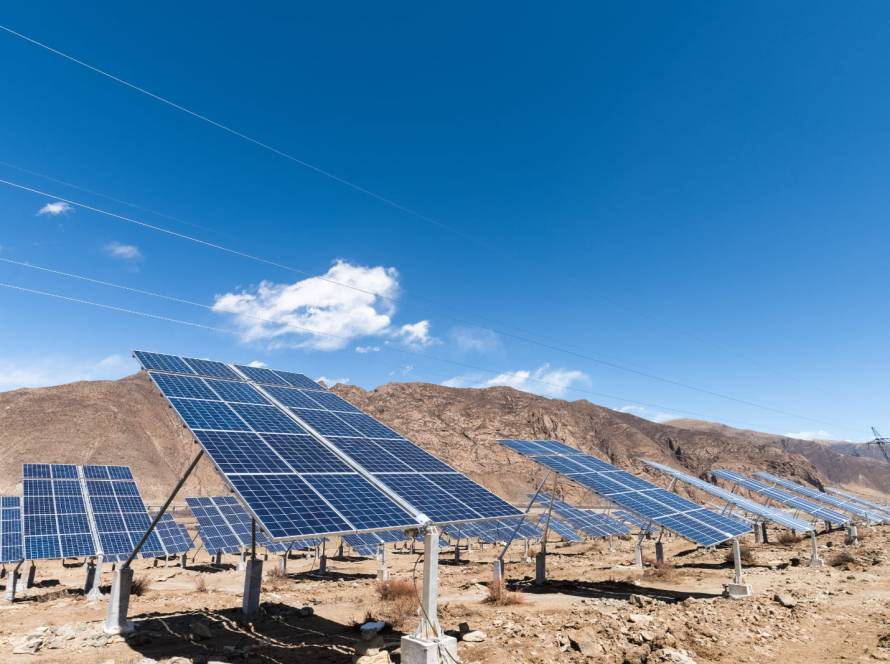
A commercial solar lease is a flexible financing option that allows businesses to access solar energy without the need for large upfront capital investment. Instead of purchasing the system outright, organisations pay a fixed monthly fee to use a professionally installed and maintained solar PV system.
This model is becoming increasingly relevant in South Africa, where electricity prices have risen significantly and grid reliability remains a concern. For many businesses, it offers a practical way to stabilise energy costs while transitioning toward renewable energy and reducing operational risk.
A commercial solar lease is therefore not just a financing structure, but a strategic energy solution that supports long-term business resilience.
What Is a Commercial Solar Lease?
A commercial solar lease is an agreement where a third-party provider owns and operates a solar energy system installed on a business property. The business pays a fixed monthly fee to use the system and benefit from the electricity it generates.
The structure is similar to leasing any other type of equipment. The business does not own the asset, but it gains access to its output. In most cases, the provider also handles installation, monitoring, and maintenance responsibilities.
This model is widely used in commercial energy markets because it removes upfront financial barriers and allows faster adoption of renewable energy systems without requiring capital expenditure.
South Africa’s commercial solar market has grown rapidly, with rooftop solar capacity increasing significantly in recent years due to rising electricity tariffs and load-shedding pressures. Increases of over 300% in electricity prices over the past decade have made alternative energy models like leasing more attractive for businesses.
How a Commercial Solar Lease Works
A commercial solar lease begins with a detailed assessment of the business’s energy usage. This includes reviewing electricity bills, load profiles, and site conditions to determine the appropriate system size and configuration.
Once the system is designed, it is installed and commissioned by the provider. The business then begins using solar energy immediately while paying a fixed monthly lease fee for the duration of the agreement.
In most cases, the system remains under the ownership of the provider throughout the contract term. At the end of the lease, some agreements may offer options to renew, upgrade, or purchase the system depending on the contract structure.
This model allows businesses to avoid upfront capital costs while still benefiting from solar energy savings that can help offset rising grid electricity prices over time.
Key Benefits of a Commercial Solar Lease
Before committing to a solar lease, businesses typically evaluate the financial and operational advantages it offers. One of the most significant benefits is improved access to renewable energy without upfront investment, making it easier for organisations to transition away from grid dependency.
Another major advantage is budget predictability. Fixed monthly payments allow businesses to manage operational expenses more effectively, especially in environments where electricity tariffs continue to increase year on year.
In many cases, commercial solar systems can significantly reduce reliance on grid electricity during peak daylight hours. This can lead to meaningful reductions in operational energy costs, particularly for businesses with high daytime energy consumption.
- No upfront capital investment required
- Predictable monthly energy costs
- Reduced exposure to electricity tariff increases
- Access to Solar PV and Battery Energy Storage Systems
- Lower operational complexity compared to ownership models
- Potential for immediate energy cost savings depending on usage profile
A commercial solar lease therefore provides a balance between affordability and performance, allowing businesses to access modern energy infrastructure without financial strain.
Considerations and Potential Limitations
While a commercial solar lease offers many advantages, businesses should also consider its limitations. One key factor is that the system remains the property of the provider, meaning the business does not build long-term asset ownership.
Another consideration is that financial incentives such as tax benefits or depreciation advantages typically apply to the system owner rather than the lessee. This can affect the overall long-term financial return compared to ownership-based models.
It is also important to assess contract terms carefully, including payment escalation, maintenance responsibilities, and system performance expectations. These factors can vary depending on the provider and agreement structure.
- No ownership of the solar system during the lease term
- Limited access to tax incentives and depreciation benefits
- Contract terms may include escalation clauses over time
- Long-term savings depend on system design and usage patterns
- Exit terms and flexibility vary between agreements
- Performance guarantees must be clearly defined in contracts
A well-structured lease can still deliver strong value, but businesses should ensure they fully understand all obligations before committing.
Commercial Solar Lease vs Other Solar Financing Options
A commercial solar lease differs from other financing structures in how ownership, payment, and risk are distributed. Unlike outright purchase, leasing does not require upfront capital investment, making it more accessible to businesses with limited available cash flow.
Compared to Power Purchase Agreements, leases typically involve fixed monthly payments rather than per-kWh energy charges. This creates more predictable budgeting but may offer less flexibility in terms of usage-based billing.
Outright purchase remains the highest-return option over the long term, especially when tax incentives and full system ownership are considered. However, it requires significant upfront investment, which many businesses may not be in a position to commit.
In South Africa, rising electricity tariffs of more than 300% over the past decade have driven increased interest in all three models. Businesses are increasingly prioritising energy stability and cost predictability over ownership alone.
Industries That Benefit From a Commercial Solar Lease
A wide range of industries can benefit from a commercial solar lease, particularly those with high energy demand or exposure to grid instability. These include commercial property, industrial manufacturing, agriculture, mining, and large-scale property portfolios.
In agriculture, solar leasing supports irrigation systems, cold storage, and processing facilities where uninterrupted energy is critical. In industrial environments, it helps reduce operational costs and maintain production continuity during peak demand periods.
Commercial buildings and REITs benefit from improved energy efficiency and reduced operating costs without the need for upfront capital investment. Mining operations in remote areas also gain value from improved energy reliability and reduced dependency on diesel generators.
As solar adoption continues to grow globally, commercial and industrial sectors are increasingly prioritising energy resilience as part of their operational strategy rather than viewing it as a purely environmental initiative.
What to Look for in a Commercial Solar Lease Provider
Choosing the right provider is essential for ensuring long-term system performance and financial value. A strong provider should begin with a detailed feasibility study that includes load profiling and energy usage analysis.
Technical capability is equally important. Providers should offer expertise in Solar PV systems, Battery Energy Storage Systems, and full EPC delivery, including design, procurement, installation, and commissioning.
Long-term support is also critical. Remote monitoring, preventive maintenance, and system optimisation should be included to ensure consistent performance over the life of the agreement.
- Detailed feasibility study and load analysis
- Experience with Solar PV and BESS systems
- End-to-end EPC delivery capability
- Transparent financial modelling and savings projections
- Clear maintenance and monitoring responsibilities
- Strong long-term technical support structure
- Proven track record in commercial and industrial projects
Selecting the right partner ensures the lease delivers not only financial benefits but also long-term operational reliability.
Recommendations for Commercial Solar Solutions With Quick Installation Times in South Africa
Before choosing a commercial solar lease provider, businesses should prioritise partners that can deliver both technical reliability and efficient project execution. Fast deployment is particularly important in South Africa, where energy instability can have immediate operational impacts.
At Eversolar, we deliver end-to-end solar and battery energy solutions designed specifically for commercial and industrial environments. We provide Solar PV systems, Battery Energy Storage Systems, and turnkey EPC services that cover everything from feasibility studies and engineering design to installation and long-term maintenance.
We support flexible financing options including Power Purchase Agreements, Rent-To-Own Solar, and outright purchase models. This allows businesses to choose a structure that aligns with their cash flow, ownership preferences, and operational requirements.
- Full EPC delivery from design to commissioning
- Flexible financing including PPA and Rent-To-Own models
- Solar PV and BESS system integration
- Remote monitoring and lifecycle maintenance support
- Rapid deployment with minimal operational disruption
- Solutions tailored for commercial, industrial, mining, and agricultural sectors
Our approach ensures that businesses can access reliable renewable energy infrastructure quickly, while also maintaining long-term performance, cost control, and operational stability.
Where Commercial Solar Leasing Takes You Next
A commercial solar lease provides businesses with a practical and flexible pathway to adopt renewable energy without the burden of upfront capital investment. It enables organisations to stabilise energy costs, improve sustainability performance, and reduce exposure to rising electricity tariffs.
While it does not provide full ownership benefits, it remains one of the most accessible and low-risk ways for businesses to transition toward solar energy. Its value lies in simplicity, predictability, and immediate access to modern energy infrastructure.
If your business is ready to reduce electricity costs and explore flexible solar solutions, we can help. Get in touch with us at Eversolar and let us design a commercial solar solution that supports your operations, strengthens your energy security, and powers your long-term growth.
FAQs About a Commercial Solar Lease
What is a commercial solar lease and how does it work?
A commercial solar lease is a flexible financing arrangement that allows businesses to use a solar energy system without purchasing it outright. Instead of paying for the equipment upfront, the business pays a fixed monthly fee to access the electricity generated by the system. The system is owned, installed, and usually maintained by a third-party provider. This model allows organisations to benefit from renewable energy immediately while avoiding capital expenditure. It is commonly used by commercial and industrial operations that want predictable energy costs, reduced reliance on the grid, and faster access to solar technology.
What are the main benefits of a commercial solar lease for businesses?
A commercial solar lease offers several key benefits, especially for businesses looking to manage rising electricity costs. The most important advantage is the elimination of upfront capital investment, which helps preserve cash flow for core operations. It also provides predictable monthly energy costs, making budgeting easier in volatile electricity markets. Businesses can reduce reliance on grid power and improve sustainability performance without managing system ownership or maintenance. In many cases, solar systems can significantly reduce daytime electricity consumption, helping lower operational costs while supporting long-term energy resilience and environmental goals.
How does a commercial solar lease compare to buying a solar system?
A commercial solar lease differs from purchasing a system in terms of ownership, cost structure, and long-term financial return. With a lease, businesses avoid upfront capital expenditure and instead pay a fixed monthly fee for system usage. Ownership remains with the provider. In contrast, purchasing a system requires a significant initial investment but offers full ownership and access to tax incentives and long-term savings. Leasing is generally more accessible and lower risk, while ownership delivers higher lifetime returns. The right choice depends on whether a business prioritises cash flow flexibility or long-term asset control.
What types of businesses benefit most from solar leasing?
Commercial solar leasing is particularly beneficial for businesses with high energy consumption or limited access to capital. This includes sectors such as manufacturing, logistics, retail, agriculture, mining, and commercial property management. These industries often face rising electricity costs and require stable, predictable energy supply to support operations. Leasing allows them to access solar energy without disrupting cash flow or investing heavily in infrastructure. It is also useful for businesses operating in areas with unreliable grid supply, where energy resilience and continuity are critical to maintaining productivity and avoiding operational downtime.
Are there any limitations to a commercial solar lease?
While a commercial solar lease offers many advantages, there are some limitations to consider. The business does not own the solar system during the lease term, which means it does not benefit directly from asset ownership or certain tax incentives. Contract terms may include fixed escalation clauses that increase monthly payments over time. Additionally, long-term savings depend heavily on system design, usage patterns, and electricity tariffs. It is important for businesses to review contract conditions carefully, including maintenance responsibilities, performance guarantees, and exit options, to ensure the agreement aligns with their operational and financial goals.
How do businesses choose the right commercial solar lease provider?
Choosing the right provider is essential to ensure long-term system performance and financial value. A strong provider should begin with a detailed feasibility study, including load profiling and energy analysis, to design a properly sized system. Technical capability in Solar PV and Battery Energy Storage Systems is also important, along with full EPC delivery experience covering design, installation, and commissioning. Businesses should also look for transparent financial modelling, reliable maintenance support, and remote monitoring services. A well-structured provider ensures the system delivers consistent energy savings and operates reliably throughout the lease period.