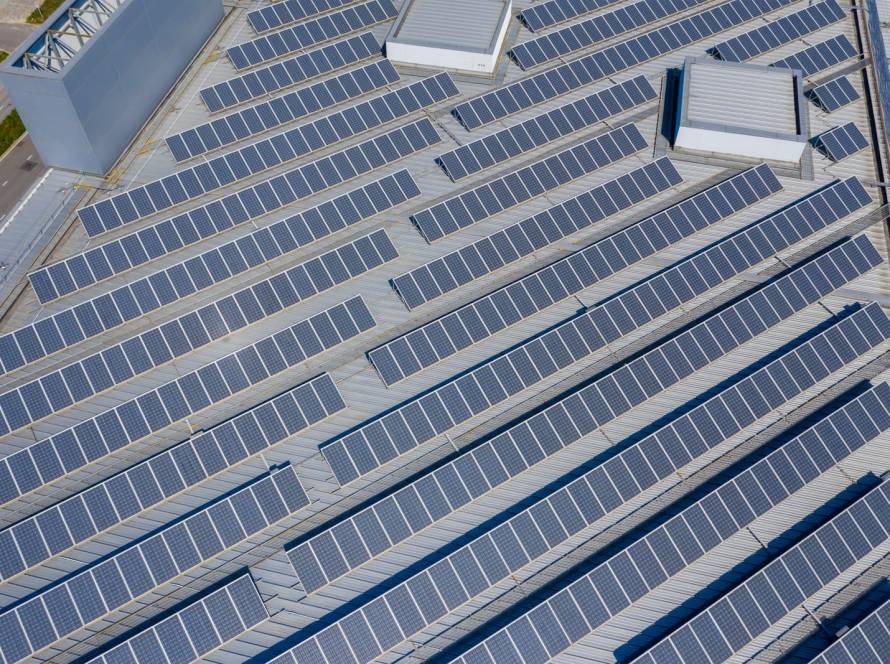
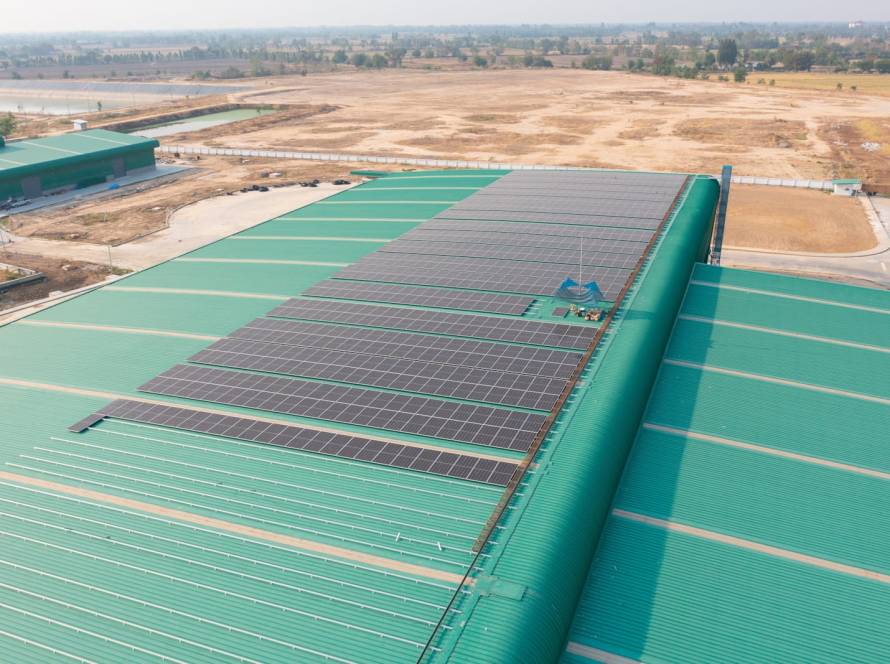
Commercial solar is a long-term business investment that can significantly reduce electricity costs, improve operational resilience and support sustainable growth. However, selecting the right provider is just as important as selecting the right technology. Understanding the factors to compare solar providers helps businesses evaluate potential partners based on technical capability, project delivery, long-term value and ongoing support rather than focusing only on the lowest quotation.
Every commercial facility has unique energy requirements, whether it is a warehouse, factory, retail centre or office building. A carefully designed solar solution should align with operational demands today while allowing for future expansion as energy needs evolve. By taking a structured approach to comparing providers, businesses can make informed decisions that deliver reliable performance and measurable financial benefits for many years.
1. Experience With Commercial and Industrial Projects
Commercial and industrial solar projects require a different level of planning from smaller residential installations. A business site may include large roof areas, high daytime electricity demand, sensitive machinery, delivery schedules, production lines or tenant requirements. This means experience with warehouses, factories, retail centres, farms, office parks and similar facilities should carry real weight when comparing providers.
One of the most important factors to compare solar providers is whether they have proven experience with business-scale projects. Businesses should look beyond the number of years a company has operated and instead evaluate completed commercial projects, industry knowledge, technical capability and experience working with facilities that share similar operational requirements. A provider with relevant commercial expertise is generally better equipped to deliver reliable long-term outcomes.
2. Quality of System Design and Engineering
A well-designed solar system starts with a proper understanding of how a facility uses electricity. This includes daily load patterns, peak usage periods, available installation space, roof condition, shading, grid interaction and future expansion plans. Expert commentary across the commercial solar industry consistently highlights that system performance depends heavily on correct sizing and site-specific design. Businesses that invest time in this planning stage are more likely to achieve reliable energy production and stronger financial returns over the life of the system.
When reviewing the factors to compare solar providers, businesses should pay close attention to how each provider approaches engineering. Every commercial project should begin with understanding operational and financial objectives before developing a tailored solution rather than recommending a standard package. Careful engineering creates a system that performs efficiently today while remaining capable of supporting future business growth.
3. Equipment Quality and Technology
Selecting the right equipment is one of the most important decisions when investing in commercial solar. Every component within the system contributes to its overall efficiency, reliability and expected lifespan, making quality a major consideration for businesses that want to achieve strong long-term returns. While it may be tempting to focus on reducing upfront costs, lower-quality components often produce less energy over time, require more maintenance and may need replacement sooner than premium alternatives. Businesses should therefore evaluate the complete system rather than individual components in isolation.
Among the factors to compare solar providers, equipment quality should extend beyond the solar panels themselves. The performance of a commercial installation depends on how well the panels, inverters, battery storage, mounting structures and monitoring technologies work together as an integrated system. A well-engineered solution should combine these technologies to improve operational reliability, maximise energy production and provide the flexibility to accommodate changing business requirements.
Before selecting a provider, businesses should compare several aspects of the proposed equipment package to ensure it aligns with both operational requirements and future energy goals.
- Compare the quality and expected lifespan of the solar panels being proposed.
- Review the specifications and efficiency of the inverter technology.
- Evaluate whether Battery Energy Storage Systems (BESS) are included or can be integrated later.
- Assess the durability and engineering quality of the mounting structures.
- Compare monitoring capabilities that provide real-time system performance insights.
- Review equipment warranty periods and the level of manufacturer support available.
- Determine whether the system has been designed to allow future expansion as electricity demand increases.
- Consider how all system components work together to maximise efficiency and operational reliability.
High-quality equipment contributes to far more than energy generation. Well-engineered commercial systems generally experience fewer operational interruptions, require less corrective maintenance and continue producing predictable energy output throughout their lifespan. This creates greater confidence when forecasting electricity savings and helps businesses protect their investment over many years of operation.
Businesses should also consider whether the proposed technology has been selected specifically for their operating environment rather than simply being the lowest-cost option available. Taking time to evaluate component quality, system integration and long-term reliability helps ensure the installation continues delivering value well into the future while reducing the likelihood of unnecessary maintenance or costly upgrades.
4. Financing and Payment Options
Commercial solar represents a significant capital investment, but modern financing solutions have made renewable energy more accessible for businesses of all sizes. Rather than viewing solar purely as a large upfront expense, many organisations now evaluate it as a long-term operational investment that can reduce electricity costs while preserving cash flow. The right funding structure allows businesses to begin benefiting from lower energy expenses without placing unnecessary pressure on working capital or limiting future growth opportunities.
When assessing the factors to compare solar providers, financing deserves as much attention as the technical solution itself. Different providers may offer different purchasing models, ownership structures and payment arrangements, each with its own advantages depending on the organisation’s financial objectives. Selecting the right financing option can improve affordability while ensuring the investment continues to deliver value over its entire lifespan.
When comparing financing options, businesses should carefully evaluate the complete commercial offering rather than focusing solely on the initial installation cost.
- Compare outright purchase options and total ownership costs.
- Assess whether Power Purchase Agreements (PPAs) are available.
- Review Rent-to-Own Solar solutions for businesses that prefer gradual ownership.
- Understand how each funding model affects cash flow and capital expenditure.
- Compare contract flexibility and payment structures.
- Determine who is responsible for maintenance under each financing model.
- Review whether financing allows for future system expansion.
- Consider which option delivers the strongest long-term financial value for your business.
Selecting the appropriate financing model helps ensure that a commercial solar project delivers value from both an operational and financial perspective. A well-structured agreement should support business growth while providing predictable energy costs and allowing organisations to invest capital where it delivers the greatest strategic benefit. Looking beyond the initial quotation often reveals opportunities to improve long-term returns through smarter funding arrangements.
Businesses should also ensure they fully understand the financial commitments associated with each purchasing model before making a decision. Comparing repayment structures, ownership arrangements and future flexibility alongside projected energy savings provides a more complete picture of the investment and helps identify the solution that best aligns with long-term business objectives.
5. Installation, Project Management and Timelines
The success of a commercial solar project depends just as much on execution as it does on design and equipment selection. Installing a business-scale solar system requires detailed planning, coordination and technical expertise to ensure every stage is completed safely and efficiently. From the earliest consultation through to commissioning, each activity should be carefully managed to minimise disruption while maintaining high engineering and safety standards.
Project delivery remains one of the most practical factors to compare solar providers because businesses rely on providers to coordinate multiple technical disciplines within a single project. Effective project management helps ensure that procurement, engineering, scheduling, installation and commissioning all progress according to plan while maintaining clear communication with stakeholders throughout the process.
When evaluating installation capabilities, businesses should compare the complete project delivery process rather than simply asking how long installation will take.
- Review whether the provider offers complete Engineering, Procurement and Construction (EPC) project delivery.
- Compare how feasibility assessments and site evaluations are conducted.
- Assess engineering capabilities before construction begins.
- Review procurement processes and equipment coordination.
- Compare installation methodologies and safety procedures.
- Evaluate communication and project management throughout delivery.
- Understand the commissioning process before the system becomes operational.
- Determine whether the provider manages the project from consultation through final handover.
Professional project management reduces risk while improving both installation quality and operational outcomes. Businesses benefit from clearer communication, better scheduling and greater confidence that the completed system will perform as designed. A coordinated approach also reduces the likelihood of costly delays, unnecessary disruption or unexpected technical issues during implementation.
Choosing a provider with established project management processes can make the entire installation experience considerably smoother. A structured approach allows businesses to maintain normal operations while the project progresses efficiently, ensuring the finished system is delivered safely, on schedule and to the required engineering standards.
6. Monitoring, Maintenance and Ongoing Support
Installing a commercial solar system is only the beginning of the investment journey. Once the system is operational, ongoing monitoring and maintenance play a critical role in ensuring it continues delivering reliable performance year after year. Commercial businesses rely on predictable energy generation to support daily operations, making proactive maintenance just as important as the original engineering and installation. Regular performance reviews can also identify opportunities to improve efficiency as operational requirements evolve over time.
Among the factors to compare solar providers, after-sales support is often underestimated despite having a significant influence on long-term system value. Businesses should understand exactly what level of support will be available after commissioning, how technical issues are handled and whether the provider remains involved throughout the system’s operational life. Strong after-sales support helps maximise performance while protecting the investment over many years.
When comparing providers, businesses should evaluate the full scope of ongoing support rather than simply confirming that maintenance is available.
- Review whether remote performance monitoring is included.
- Compare preventative maintenance programmes.
- Assess fault response procedures and expected response times.
- Understand the level of technical assistance available after installation.
- Review warranty support and claims management processes.
- Compare ongoing system optimisation services.
- Determine whether performance reporting is provided.
- Evaluate the provider’s long-term commitment to supporting commercial clients.
Proactive monitoring and maintenance help businesses maximise energy production while reducing the likelihood of unexpected downtime. Identifying small issues before they become larger problems protects equipment, improves system reliability and contributes to more consistent financial returns over the life of the installation. Businesses that prioritise ongoing support often experience fewer operational disruptions and greater confidence in their renewable energy investment.
Providers that remain actively involved after commissioning can continue identifying opportunities to improve performance as energy demands change. This long-term relationship helps ensure commercial solar systems continue operating efficiently while supporting evolving business requirements and protecting long-term return on investment.
7. Long-Term Return on Investment
The lowest quotation is not always the best long-term investment. While initial costs are important, businesses should also consider projected energy savings, equipment quality, maintenance requirements, warranty protection, expected system lifespan and the ability to expand the installation as operational demands increase. Looking at total lifetime value provides a far clearer picture than comparing installation prices alone.
When evaluating the factors to compare solar providers, long-term return on investment should remain central to the decision-making process. A well-designed commercial solar system should deliver reliable energy production, lower operating costs and the flexibility to support future business growth while continuing to provide measurable financial benefits throughout its operational life.
How Do Commercial Solar Solutions From Eversolar Compare to Other Local Providers?
Comparing commercial solar providers involves looking beyond marketing claims and carefully evaluating the solutions each company offers. Every business has different operational requirements, so it is important to review each provider’s commercial capabilities, engineering approach, financing options, project delivery process and long-term support before making a decision. We provide commercial Solar PV systems, Battery Energy Storage Systems (BESS) and complete Engineering, Procurement and Construction (EPC) project delivery. Our commercial solutions include grid-tied systems for reducing electricity costs while remaining connected to the grid, hybrid systems that combine Solar PV with battery storage to optimise energy usage and improve resilience during outages, and off-grid systems designed for remote or energy-intensive facilities that require reliable independent power.
We also provide flexible financing through outright purchases, Power Purchase Agreements (PPAs) and Rent-to-Own Solar, allowing businesses to select a funding model that aligns with their financial objectives. Our commercial projects are designed for offices, factories, warehouses and retail facilities, with a focus on reducing grid reliance, improving operational resilience, lowering energy costs, supporting sustainability goals and enabling future expansion. We manage projects from engineering through installation and commissioning, while also providing remote performance monitoring, preventative maintenance, technical support and ongoing system optimisation. By reviewing these services alongside those offered by other commercial solar providers, businesses can make an informed decision based on their own operational requirements, budget and long-term energy strategy.
Selecting the Best Commercial Solar Solution for Long-Term Success
Choosing the right commercial solar provider requires more than comparing installation costs. Evaluating the factors to compare solar providers allows businesses to make decisions based on engineering expertise, equipment quality, financing flexibility, project delivery, ongoing support and long-term return on investment. Taking a comprehensive approach helps reduce risk while ensuring the chosen solution continues delivering value throughout its operational life.
At Eversolar, we help South African businesses implement commercial solar solutions that are tailored to their operational and financial requirements. Whether you are considering Solar PV, Battery Energy Storage Systems, a grid-tied, hybrid or off-grid solution, or flexible financing through a Power Purchase Agreement or Rent-to-Own Solar, we are ready to help. Contact us today to discuss your energy requirements and discover how we can help your business build a more reliable, efficient and sustainable energy future.
FAQs
What are the most important factors to compare solar providers?
When comparing solar providers, businesses should look beyond the quoted installation price. Important factors include commercial project experience, system design capabilities, equipment quality, financing options, project management, installation standards, ongoing maintenance, warranty coverage and long-term return on investment. It is also worth reviewing customer testimonials, completed commercial projects and the provider's ability to support future system expansion. Choosing a provider based on overall value rather than initial cost helps reduce business risk and improves the likelihood of achieving reliable energy savings over the lifespan of the solar installation.
How can I compare the quality of different commercial solar systems?
Comparing commercial solar systems involves evaluating far more than the number of solar panels being installed. Businesses should review the quality of the panels, inverters, battery storage systems, mounting structures and monitoring technology included in each proposal. Warranty periods, expected equipment lifespan, energy efficiency and future scalability should also form part of the comparison. A well-designed system uses components that work together efficiently while supporting long-term reliability and lower maintenance requirements. Comparing complete system designs rather than individual products provides a clearer understanding of the value each provider offers over time.
What financing options should businesses consider for commercial solar?
Commercial solar providers may offer several financing models depending on the needs of the business. These can include outright purchases, Power Purchase Agreements (PPAs), Rent-to-Own solutions and other commercial funding structures that reduce upfront capital expenditure. Each option has different implications for ownership, cash flow, maintenance responsibilities and long-term financial returns. Businesses should compare contract terms, payment structures and flexibility before making a decision. Selecting the right financing model helps balance operational budgets while still allowing organisations to benefit from lower electricity costs and improved long-term energy resilience.
Why is ongoing maintenance important after a commercial solar installation?
Commercial solar systems are designed to operate for many years, making ongoing maintenance essential for protecting performance and maximising return on investment. Regular inspections, preventative maintenance and remote monitoring help identify faults early before they become costly repairs or reduce energy production. Businesses should also understand how warranty claims, technical support and system optimisation are handled after installation. A provider that offers comprehensive after-sales support can help maintain system efficiency, reduce operational disruptions and ensure the installation continues delivering predictable energy savings throughout its expected lifespan while supporting evolving business energy requirements.