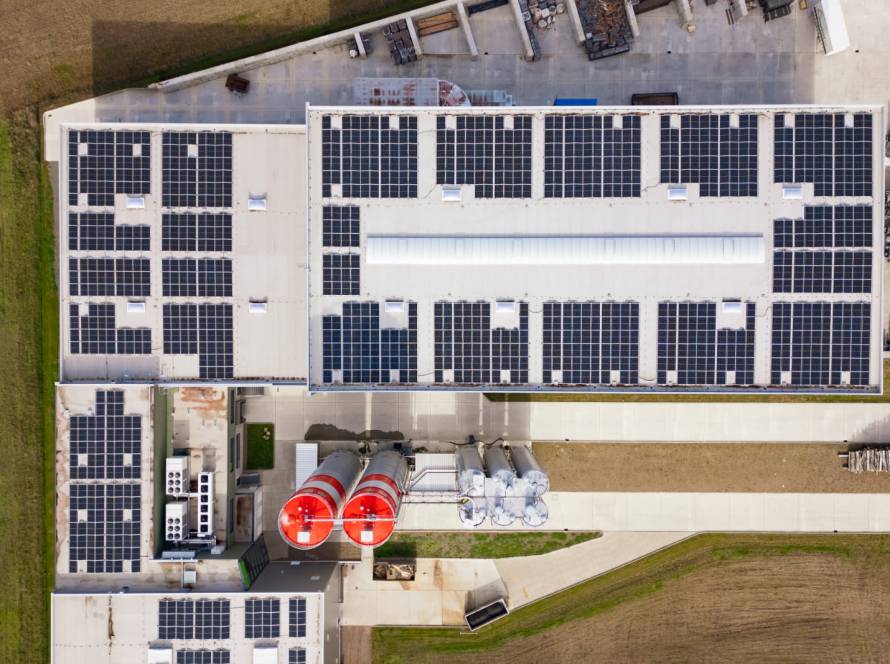
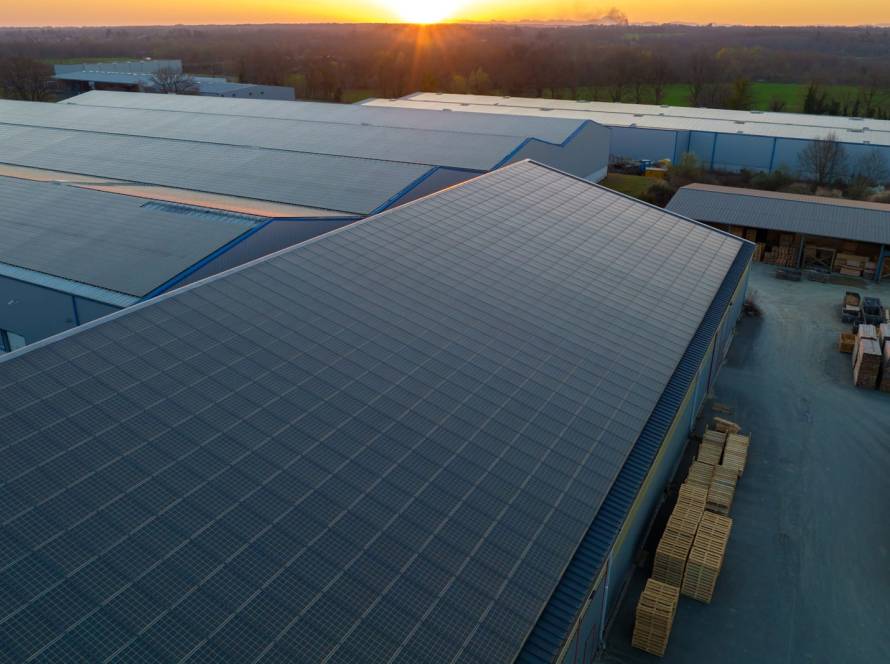
Commercial solar can help shopping malls reduce energy costs, improve energy security, use large roof areas more effectively, and strengthen their sustainability profile. For South African malls, where retail centres rely on steady power for lighting, cooling, security, lifts, escalators, tills, and tenant operations, the right solar partner can make a major difference.
Choosing a provider should not only come down to installation. A shopping mall needs a solution that aligns with its energy demand, operational requirements, sustainability objectives, and long-term growth plans. The ideal partner should offer the technical expertise, system design capabilities, and ongoing support needed to maximise energy performance while ensuring minimal disruption to daily retail operations and tenant activities.
1. Look for Commercial Solar Experience in Retail Environments
Shopping malls are among the most energy-intensive commercial properties in South Africa. From climate control systems and food courts to escalators, lighting, and security infrastructure, every part of the facility depends on a reliable energy supply. Because of this complexity, shopping centre owners should prioritise a provider that understands the unique operational requirements of retail environments rather than one that focuses solely on general commercial installations.
Retail centres also have multiple stakeholders that rely on uninterrupted operations, including tenants, shoppers, service providers, and facility managers. A provider with experience in retail environments will understand how to minimise disruption during installation, coordinate work around trading hours, and design systems that support both landlord and tenant requirements. This knowledge can significantly improve project outcomes and long-term performance.
Key indicators of retail-sector expertise include:
- Experience with large-scale retail or mixed-use developments
- Understanding of shopping mall energy consumption patterns
- Ability to work around trading hours and customer activity
- Familiarity with tenant energy requirements
- Knowledge of retail facility infrastructure and operational demands
- Proven experience managing projects with multiple stakeholders
- Ability to minimise disruption during installation and commissioning
A provider with retail experience is more likely to recommend solutions that align with actual mall operations rather than applying a generic commercial approach. This leads to more accurate system sizing, better energy savings, and improved operational efficiency over the long term.
Ultimately, shopping mall owners should look beyond technical capability alone. Industry-specific knowledge often plays a significant role in the success of a commercial solar project, helping ensure the system delivers both financial and operational benefits while supporting the customer experience.
2. Choose a Provider That Understands Energy Savings
One of the main reasons malls install solar panels is to reduce electricity costs. A reliable provider should assess your current energy use and explain how much of your consumption solar can realistically support. They should also help you understand how solar can reduce reliance on grid electricity during daylight hours.
Commercial solar should form part of a long-term energy plan. The provider should look beyond short-term savings and help you build a system that supports predictable energy costs, improved operational efficiency, and stronger financial planning over time.
3. Check Their Approach to Roof Space and System Design
Shopping malls often have some of the largest available rooftop areas in the commercial property sector. These expansive roof spaces create an excellent opportunity for solar energy generation, but not every provider approaches system design in the same way. The quality of the design process can have a significant impact on system performance, future scalability, and long-term return on investment.
A thorough design process should begin with a detailed site assessment. Providers should evaluate roof orientation, shading, structural capacity, maintenance access, and energy consumption patterns before recommending a solution. Taking the time to understand these factors helps ensure the final system performs efficiently and integrates smoothly with the building’s existing infrastructure.
Important design considerations include:
- Available roof space and structural suitability
- Roof orientation and solar exposure
- Potential shading from surrounding structures
- Future expansion opportunities
- Safe maintenance and access routes
- Integration with existing electrical infrastructure
- Alignment with current and future energy demand
A well-designed system should do more than maximise solar generation. It should also account for future business growth, operational changes, and potential energy storage integration. Planning for expansion from the beginning can help shopping malls avoid costly modifications later.
Strong design practices also help protect the physical integrity of the building. Proper panel placement, cable routing, and mounting solutions reduce operational risks and ensure the installation does not interfere with drainage systems, rooftop equipment, or routine maintenance activities.
4. Prioritise Quality Solar Equipment and Workmanship
A solar installation represents a long-term infrastructure investment. While system size and design are important, the quality of the equipment and workmanship will ultimately determine how well the system performs over its lifespan. Shopping malls require reliable energy generation that can support daily operations for many years, making quality a critical selection factor.
The best providers focus on durability, performance, and safety rather than simply completing the installation as quickly as possible. They understand that high-quality components and professional installation practices reduce operational risks, improve energy production, and minimise long-term maintenance requirements.
When assessing quality, look for:
- Durable and proven solar panel technology
- Reliable inverter systems
- High-quality mounting structures
- Strong electrical protection and safety measures
- Professional installation standards
- Comprehensive system testing and commissioning
- Compliance with relevant industry regulations and standards
Quality workmanship helps ensure the system operates safely and efficiently under varying environmental conditions. Proper installation also protects the shopping mall from issues such as electrical faults, water ingress, or premature equipment failure.
Over the lifetime of the system, quality components and installation practices can significantly improve reliability and performance. This supports stronger energy generation, lower maintenance requirements, and greater confidence in the long-term value of the investment.
5. Ask About Battery Storage and Energy Resilience
Solar panels can reduce grid dependence during the day, but battery storage can improve energy resilience even further. When paired with batteries, a solar system can store excess energy for later use and help support important operations during outages or peak demand periods.
For shopping malls, this can be especially valuable. Lighting, security systems, access control, payment systems, and key operational areas need reliable power. A strong commercial solar provider should explain whether battery storage makes sense for your site and how it can support business continuity.
6. Make Sure They Understand Incentives and Compliance
Solar projects may involve regulations, approvals, metering requirements, and available tax or financial incentives. A knowledgeable provider should guide you through the relevant requirements and help ensure the installation meets the correct standards.
They should also explain how options such as net metering, where available, could support the project. While incentives should not be the only reason to install commercial solar, they can improve the overall value of the investment when used correctly.
7. Look for Long-Term Support, Monitoring, and Maintenance
The installation phase represents only one part of a successful solar project. To maintain optimal performance over the life of the system, shopping malls require ongoing monitoring, maintenance, inspections, and technical support. Choosing a provider that offers comprehensive after-sales services can help maximise energy production while reducing the likelihood of unexpected issues.
Large retail facilities operate continuously and often cannot afford prolonged disruptions to critical systems. A provider that actively monitors system performance and responds quickly to technical issues can help maintain energy savings and operational stability. Long-term support also ensures the system continues to perform as intended as the shopping mall evolves over time.
Key support services to look for include:
- Remote system performance monitoring
- Preventative maintenance programmes
- Routine inspections and performance assessments
- Rapid technical support and fault response
- System optimisation recommendations
- Cleaning and maintenance guidance
- Long-term performance reporting
Proactive maintenance helps identify small issues before they become larger and more costly problems. Regular inspections can improve system efficiency, extend equipment lifespan, and ensure all components continue operating safely and effectively.
Long-term support also protects the overall return on investment. By maintaining peak performance levels throughout the system’s lifespan, shopping malls can continue benefiting from lower energy costs, reduced emissions, and greater energy independence for many years.
Which Commercial Solar Provider Should I Choose for a Shopping Mall in South Africa?
Choosing a commercial solar provider for a shopping mall requires more than comparing technologies. Mall owners need a partner that can understand the demands of a large retail environment and deliver a solution that supports energy efficiency, operational continuity, and long-term business growth. The right provider should be able to assess the property’s energy requirements, future expansion plans, and operational priorities before recommending a tailored solution.
For shopping malls in South Africa, energy reliability is often just as important as energy savings. A provider should therefore offer flexible system configurations, strong technical expertise, and ongoing support. This ensures the solar installation continues to deliver value long after the project has been completed, helping the shopping centre maintain a positive experience for tenants and visitors alike.
At Eversolar, we provide:
- Solar PV systems designed around the operational requirements of shopping malls
- Battery Energy Storage Systems (BESS) for improved energy resilience and self-consumption
- Full EPC project delivery, from design and engineering through to installation and commissioning
- Grid-tied systems that reduce electricity consumption from the grid while maintaining seamless access to utility power
- Hybrid systems that combine solar and battery storage for greater flexibility and operational continuity
- Off-grid systems for facilities seeking maximum energy independence
- Flexible financing options, including Power Purchase Agreements (PPA) and Rent-to-Own Solar
- Precision engineering and premium components for long-term system performance
- Scalable energy solutions that can grow alongside expanding retail operations
- Comprehensive after-sales support, including remote monitoring, preventative maintenance, technical support, and ongoing optimisation
These capabilities allow us to tailor each project to the specific requirements of a shopping mall. Whether the objective is reducing reliance on the grid, improving resilience during periods of instability, lowering carbon emissions, or creating more predictable energy costs, we design solutions that align with both operational and financial goals. By combining Solar PV, BESS, and intelligent system design, we help shopping centres maximise self-consumption while maintaining uninterrupted operations.
Our approach extends beyond installation. We work as a long-term energy partner, providing ongoing performance monitoring, preventative maintenance, and system optimisation to ensure continued value throughout the life of the installation. Through proven EPC expertise, flexible financing structures, and a focus on operational reliability, we help shopping malls build a resilient, efficient, and future-ready energy strategy that supports sustainable growth.
Building a Smarter Energy Future for Shopping Malls
Commercial solar gives shopping malls a practical way to lower energy costs, improve energy security, use rooftop space wisely, and reduce environmental impact. The right provider should bring technical skill, retail experience, quality equipment, smart design, and reliable long-term support. When shopping mall owners evaluate providers against these criteria, they place themselves in a stronger position to achieve lasting operational and financial benefits from their solar investment.
As energy requirements continue to grow, selecting the right solar partner becomes just as important as choosing the right technology. For shopping mall owners and managers ready to explore a tailored solar solution, get in touch with Eversolar to discuss your site, energy needs, and long-term sustainability goals.
FAQs
What should shopping mall owners look for in a commercial solar provider?
Shopping mall owners should look for a commercial solar provider with proven experience in large-scale retail environments. Malls have unique energy requirements due to lighting, HVAC systems, escalators, security infrastructure, and multiple tenants operating simultaneously. A provider should understand these complexities and be able to design a system that aligns with operational needs. It is also important to evaluate the provider’s approach to system design, equipment quality, maintenance support, and project management. Choosing a provider that offers long-term monitoring and support can help ensure the system continues to deliver reliable performance, energy savings, and operational value for many years.
Why is experience with shopping malls important for a commercial solar provider?
Experience with shopping malls is important because retail facilities operate differently from most other commercial properties. Energy consumption fluctuates throughout the day and uninterrupted power is often critical to customer experience and tenant operations. A commercial solar provider with retail sector experience will understand how to minimise disruption during installation, assess complex energy profiles, and design systems that support both landlords and tenants. They will also be familiar with common mall infrastructure and operational challenges. This expertise often leads to more accurate system sizing, improved energy performance, and a smoother project implementation process from planning through commissioning and ongoing support.
Why should shopping malls consider long-term maintenance and support?
Long-term maintenance and support play a critical role in protecting the performance and lifespan of a commercial solar system. Even high-quality solar installations require periodic inspections, cleaning, monitoring, and technical support to maintain efficiency. Shopping malls should choose a provider that offers comprehensive after-sales services, including remote monitoring and preventative maintenance programmes. Ongoing support allows potential issues to be identified and resolved before they affect energy production or business operations. A provider that remains involved after installation demonstrates a commitment to long-term system performance, helping shopping mall owners maximise energy savings and maintain operational reliability over time.
How can commercial solar benefit shopping malls in the long term?
Commercial solar offers several long-term benefits for shopping malls beyond reducing electricity consumption. A properly designed system can improve energy independence, strengthen resilience during grid instability, and help control operating costs over time. Solar installations can also support sustainability goals by reducing carbon emissions and lowering reliance on conventional energy sources. In addition, shopping malls often have large rooftop areas that make them well suited to solar energy generation. By working with the right commercial solar provider, mall owners can create a scalable energy strategy that supports future growth while improving operational efficiency and strengthening the property's long-term value.