ESG compliance is becoming a practical business priority for South African companies, especially as investors, lenders, customers and regulators ask for clearer proof of responsible operations. It is no longer enough to say a business supports sustainability. Companies increasingly need to show measurable progress on emissions, energy use, governance, resilience and long-term risk management.
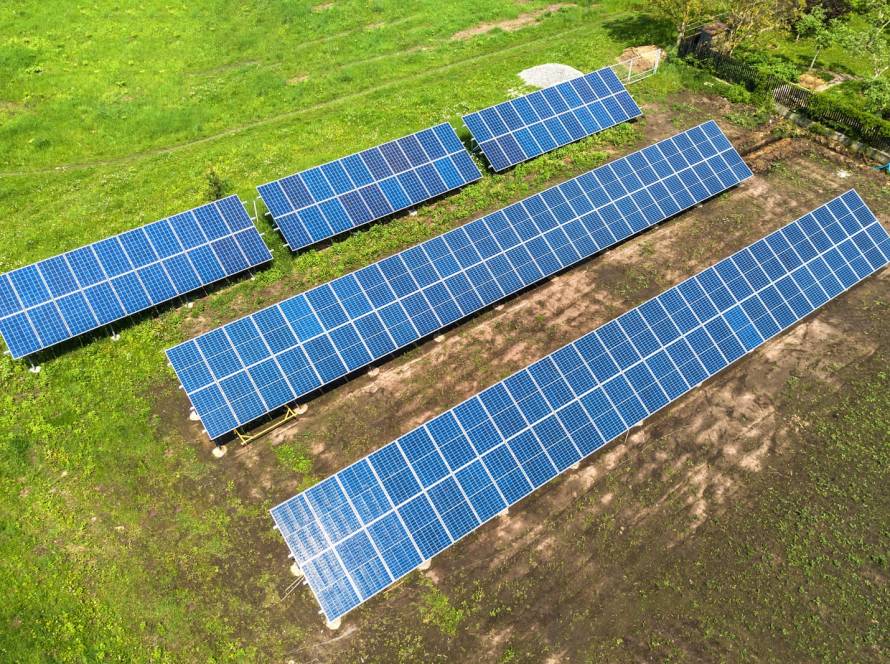
Solar energy gives businesses a direct way to turn ESG goals into action. With Solar PV, battery energy storage and renewable energy wheeling, companies can reduce emissions, manage energy costs, improve operational continuity and gather reliable performance data for reporting. For South African businesses dealing with rising tariffs, grid uncertainty and carbon pressure, solar is one of the most useful tools available.
What ESG Compliance Means for South African Businesses
ESG compliance refers to how a business meets environmental, social and governance expectations in a way that can be measured, managed and reported. In South Africa, this is becoming more important because climate policy, carbon reporting, financial due diligence and supply-chain requirements are all becoming more demanding. Companies that rely heavily on electricity need to pay particular attention, because energy use often has a major impact on emissions, costs and operational risk.
For many businesses, ESG is also linked to market access and finance. Large customers, funders and export partners want to know whether suppliers are reducing carbon exposure and managing sustainability risks properly. This means ESG compliance is not just about ticking boxes. It is about building a stronger, more resilient business that can compete in a low-carbon economy.
- Environmental: Energy use, emissions, water use, waste, resource efficiency and climate impact.
- Social: Employee wellbeing, health and safety, community impact, job creation and responsible supply chains.
- Governance: Board accountability, transparency, risk management, compliance and ethical decision-making.
- Finance and investment: Access to capital, sustainability-linked funding and investor confidence.
- Reporting: Clear data that proves progress against climate, energy and operational targets.
A useful ESG strategy should connect these areas to real business decisions. For example, a company that installs solar is not only lowering emissions. It is also improving cost control, reducing exposure to grid instability and creating data that can support sustainability reports, lender reviews and customer submissions.
Why Solar Energy Matters for ESG Compliance
Solar energy matters for ESG compliance because it targets one of the easiest areas to measure and improve: electricity consumption. In many commercial, industrial, agricultural and property environments, energy use is one of the largest operational costs and one of the clearest sources of carbon emissions. Replacing a portion of grid electricity with Solar PV gives businesses an immediate way to reduce energy-related emissions.
The business case is also getting stronger. A Western Cape renewable energy market report estimated the embedded Solar PV market for agricultural, commercial and industrial users at around R6 billion, with about 420 MW to 440 MW already installed. The same report estimated potential growth to about 1 500 MW and R20 billion by 2030. That growth reflects a clear market shift: businesses are using solar to manage cost, risk and sustainability at the same time.
- Solar reduces reliance on grid electricity and lowers Scope 2 emissions.
- Solar generation data can be used in ESG and sustainability reporting.
- Battery storage can reduce peak demand, support backup power and improve use of solar generation.
- Solar can reduce exposure to rising electricity tariffs and volatile energy markets.
- Wheeling can help large users access renewable energy even when on-site solar is limited.
- Solar can support net-zero, carbon reduction and energy resilience targets.
Solar is also valuable because it gives companies something tangible to report. Instead of relying only on future promises or offsets, businesses can show how much clean electricity they generated, how much grid power they avoided and how much carbon they reduced. That makes ESG reporting more credible and easier to defend.
How Solar Energy Supports Environmental Performance
Solar energy directly supports the environmental pillar of ESG by reducing operational carbon emissions. A South African renewable energy project referenced in earlier material generated more than 593 000 MWh per year and avoided over 420 000 tonnes of carbon dioxide annually. Another South African renewable energy producer reported 1 184 GWh of clean electricity generated in 2024, avoiding about 1.32 million tonnes of carbon dioxide equivalent and powering the equivalent of more than 500 000 households.
These figures show why renewable energy is such a strong ESG lever. Businesses that install Solar PV or buy renewable power can reduce the emissions linked to purchased electricity, which is often one of the most important parts of their carbon footprint. For manufacturers, farms, mines, cold storage sites, logistics facilities and retail centres, this can create a measurable improvement in environmental performance.
Solar also supports cleaner operations by reducing reliance on diesel backup systems and lowering exposure to high-carbon electricity. When paired with battery energy storage, solar can reduce peak demand, improve energy efficiency and help businesses use more of the power they generate. This turns a solar installation into a long-term environmental asset, not just a once-off energy project.
How Solar Strengthens Governance and Reporting
Strong governance depends on clear information, and solar provides useful data. Modern solar systems can track generation, consumption, uptime, performance and emissions savings. This helps management teams and boards make better decisions because they can see how the system is performing, where savings are coming from and how energy risks are changing over time.
Governance also means managing risk before it becomes a crisis. South Africa’s electricity system has faced loadshedding, load reduction, grid constraints and rising tariffs. A market intelligence report noted that Eskom’s energy availability factor recovered to around 64% in 2024, but this remained below a 75% target. That gap shows why businesses still need to plan carefully for energy security, even during periods with less loadshedding.
Solar helps governance teams move from reactive energy management to planned energy strategy. A business can use solar performance data in board packs, ESG reports, procurement responses, financial planning and risk reviews. This supports better accountability because energy decisions are based on real figures, not assumptions.
Solar Energy and the Social Side of ESG
Solar is often seen as an environmental solution, but it also supports the social pillar of ESG. Renewable energy projects create demand for engineers, electricians, site managers, technicians, project managers, safety teams and maintenance specialists. The Western Cape renewable energy report identified skills demand across Solar PV design, installation, engineering, battery support, operations and maintenance.
Reliable energy also protects people and communities by keeping businesses productive. In agriculture, dependable power supports irrigation, processing and cold storage. In industry, it supports continuous production and safer working conditions. In commercial property, it can help tenants operate with fewer disruptions. When energy infrastructure is more stable, businesses are better able to protect jobs, service customers and support local economic activity.
There is also a wider community benefit. Renewable energy projects can support local procurement, skills development and enterprise development when planned responsibly. One South African renewable energy ESG report referenced more than R11 million in bursary spending in 2024 and support for 131 students across universities and technical institutions. This shows how clean energy investment can contribute to broader social outcomes when it is linked to long-term development.
Solar, Energy Security, and Business Resilience
Energy security is now a core part of ESG compliance because operational resilience affects financial stability, customer service, worker safety and long-term planning. A business that cannot manage power interruptions may face downtime, damaged equipment, missed orders and higher operating costs. Solar PV helps reduce this risk by giving businesses more control over part of their energy supply.
Battery energy storage makes this even stronger. A Western Cape market report estimated the province’s behind-the-meter lithium-ion battery storage market at about R750 million and 170 MWh, with possible growth to R2.3 billion and 540 MWh by 2030. This growth is being driven by falling battery costs, value stacking, peak demand management, backup power and better use of Solar PV.
For businesses with high energy demand, solar and batteries can improve resilience in several ways. They can reduce peak demand charges, shift energy use to more cost-effective periods, store excess solar generation and provide backup during outages. This supports ESG compliance because it shows the business is managing energy risk in a structured and responsible way.
Solar Energy, Carbon Pressure, and Export Competitiveness
South African businesses linked to global supply chains face growing carbon pressure. Export markets are paying closer attention to the emissions linked to products, suppliers and operations. Companies in manufacturing, agriculture, mining and logistics may increasingly need to show that they are reducing emissions and improving energy efficiency.
This is where solar can support competitiveness. A business that lowers its energy-related emissions can provide stronger sustainability data to customers, investors and procurement teams. It can also reduce exposure to future carbon-related costs, especially where international buyers begin favouring lower-carbon suppliers. For exporters, clean energy is becoming part of commercial credibility.
The local policy environment is also moving in this direction. South Africa’s Climate Change Act, Carbon Tax Act and broader just transition goals all point towards stronger climate accountability. Solar energy gives companies a practical way to respond without waiting for perfect regulation. It helps them start cutting emissions now while building the systems and data needed for future reporting.
Practical Steps for Building Solar Into an ESG Compliance Strategy
Building solar into an ESG compliance strategy should start with a clear view of how energy is used across the business. This includes understanding daily load patterns, peak demand, operating hours, tariff structures, backup requirements, site constraints and future expansion plans. Without this foundation, businesses may install a system that looks good on paper but does not fully match operational needs.
The next step is to connect solar planning to ESG objectives. A business should know what it wants solar to achieve, whether that is emissions reduction, cost stability, energy resilience, ESG reporting, tenant value, export competitiveness or a mix of these. This makes it easier to choose the right system size, funding model and maintenance plan.
- Review historical electricity use and identify major energy drivers.
- Map Scope 2 emissions linked to purchased electricity.
- Assess rooftop, ground-mounted, hybrid and wheeling options.
- Consider battery storage for peak demand, backup power and better solar utilisation.
- Set measurable targets for emissions reduction, cost savings and energy resilience.
- Choose a financing model that fits the business, such as CAPEX, PPA or Rent-To-Own.
- Build reporting requirements into the project from the start.
- Plan maintenance and monitoring before commissioning.
Solar should not be treated as a standalone sustainability project. It should be part of a wider energy and ESG plan that includes governance, finance, operations, reporting and long-term performance management. This helps the business turn renewable energy into a strategic asset.
What Businesses Should Include in ESG Compliance Reporting
ESG compliance reporting should be clear, consistent and based on useful data. Solar makes this easier because it provides measurable information that can be tracked over time. The most valuable reports do not only say that a solar system was installed. They explain what the system produced, how it affected energy use and how it supported wider ESG goals.
Businesses should also explain how solar supports risk management. For example, a report can show how Solar PV reduced grid reliance, how batteries supported continuity, how maintenance protected asset performance and how renewable energy contributed to carbon reduction. This helps stakeholders understand both the environmental and business value of the system.
- Total solar electricity generated in kWh or MWh.
- Percentage of electricity demand supplied by solar.
- Reduction in grid electricity consumption.
- Estimated carbon emissions avoided.
- Battery storage capacity and contribution.
- Peak demand reduction.
- System uptime and availability.
- Energy cost savings.
- Maintenance performance and fault response.
- Safety, compliance and quality checks.
- Links to ESG goals, carbon targets and operational resilience.
Good reporting should be practical and easy to verify. It should connect solar data to real outcomes, such as lower emissions, better cost control, stronger resilience and improved stakeholder confidence. This gives investors, customers, lenders and internal decision-makers a clearer view of progress.
Where To Find Commercial Solar Installers Experienced With Large-Scale Projects In South Africa
For businesses looking for commercial solar installers experienced with large-scale projects in South Africa, Eversolar provides full-service renewable energy solutions for commercial, industrial, agricultural, mining, property development and REIT environments. We design and deliver Solar PV, BESS, hybrid systems, microgrid solutions and renewable energy wheeling through a structured EPC model that supports long-term performance and operational continuity.
We manage the full project lifecycle, from feasibility and site assessment through to finance structuring, engineering, procurement, construction, commissioning, handover and ongoing support. Our approach is built around site-specific load profiles, operational constraints, safety, compliance and lifecycle value. This means we do not only install equipment. We engineer systems around the real conditions of each business.
- Full EPC delivery from concept to commissioning.
- Solar PV, BESS, hybrid systems, microgrids and wheeling solutions.
- Sector experience across agriculture, mining, commercial, industrial, property development and REIT portfolios.
- Flexible financing options, including Power Purchase Agreements, Rent-To-Own and outright purchase.
- Remote system monitoring and preventative maintenance.
- Corrective maintenance, technical support and warranty management.
- System upgrades, expansions and performance optimisation.
- Structured quality control, project sign-off and operational handover.
We also support clients after commissioning through hands-on maintenance, monitoring, system optimisation and technical response. Our goal is to help businesses reduce energy costs, improve resilience, support ESG compliance and protect the long-term value of their renewable energy assets.
Choosing the Right Solar Partner for ESG Compliance
Choosing the right solar partner matters because ESG compliance depends on reliable outcomes. A solar system that underperforms will weaken savings, reporting and emissions-reduction claims. This is why businesses should look for a partner with engineering depth, project discipline, procurement controls, installation quality and long-term maintenance capability.
Large-scale projects also require strong governance. Eversolar’s operating approach includes structured review gates, technical verification, commercial compliance, project record approval and management sign-off at key milestones. These processes matter because they create an auditable record of decisions, designs, checks and handovers. For ESG-conscious businesses, that level of control supports transparency.
The right partner should also understand sector-specific energy needs. Mines, farms, warehouses, retail centres, factories and property portfolios all use energy differently. A good solar solution should account for load profiles, expansion plans, safety requirements, grid limitations, maintenance access and operational disruption. That is how solar becomes a dependable business asset rather than a generic installation.
Common Mistakes to Avoid When Using Solar for ESG Compliance
One common mistake is treating solar as a once-off installation instead of a long-term infrastructure asset. Solar systems need proper design, quality procurement, safe installation, commissioning, monitoring and maintenance. Without ongoing care, performance can decline, faults can go unnoticed and the business may lose some of the ESG and financial benefits it expected.
Another mistake is focusing only on carbon savings while ignoring governance and reporting. A business needs to know how solar data will be collected, reviewed and used in ESG reports. It should also document maintenance, safety checks, system availability and performance against expectations. These details help prove that the project is well managed.
A third mistake is choosing a system without fully understanding future energy needs. South African businesses are changing quickly as electricity tariffs, carbon expectations and operational demands evolve. A solar project should allow for future growth, possible battery integration, system expansion and changing site requirements. Planning for flexibility from the start can save time, cost and disruption later.
Solar Energy as a Practical Route to ESG Compliance
Solar energy is one of the most practical ways for South African businesses to strengthen ESG compliance. It helps reduce emissions, improve energy resilience, control long-term electricity costs and produce credible reporting data. For companies under pressure to show real sustainability progress, solar offers visible infrastructure and measurable results.
At Eversolar, we help businesses design, finance, build, operate and maintain renewable energy systems that work in real operating environments. Whether you need Solar PV, BESS, wheeling, EPC delivery or long-term maintenance support, we can help you build an energy solution aligned with your operations and ESG goals. Get in touch with us to explore how we can support your journey towards cleaner, more resilient and future-ready energy.