Industrial businesses across South Africa continue to face growing pressure to improve efficiency, reduce operational strain, and strengthen long-term sustainability. Energy consumption remains one of the biggest challenges for factories, warehouses, processing plants, and manufacturing facilities. This is why many businesses now view industrial solar solutions as more than just an alternative energy source. They see it as a long-term strategic asset that supports operational stability and smarter business growth.
The shift towards solar has become especially important for industries that rely heavily on continuous electricity to keep machinery, refrigeration systems, production lines, and equipment running efficiently. With abundant sunlight available across many parts of South Africa, industrial solar solutions give businesses an opportunity to improve energy independence while reducing environmental impact and improving overall productivity. Companies that invest early often place themselves in a stronger position for future growth and operational resilience.
Why Industrial Solar Solutions Are Becoming Essential for Industry
Industrial facilities across South Africa continue to operate under demanding energy conditions. Manufacturing plants, logistics facilities, agricultural processors, and large-scale production environments all require dependable electricity to maintain daily operations. As energy demands continue to rise, many industrial operators now look for more reliable and sustainable ways to manage long-term electricity usage while maintaining production efficiency and operational stability.
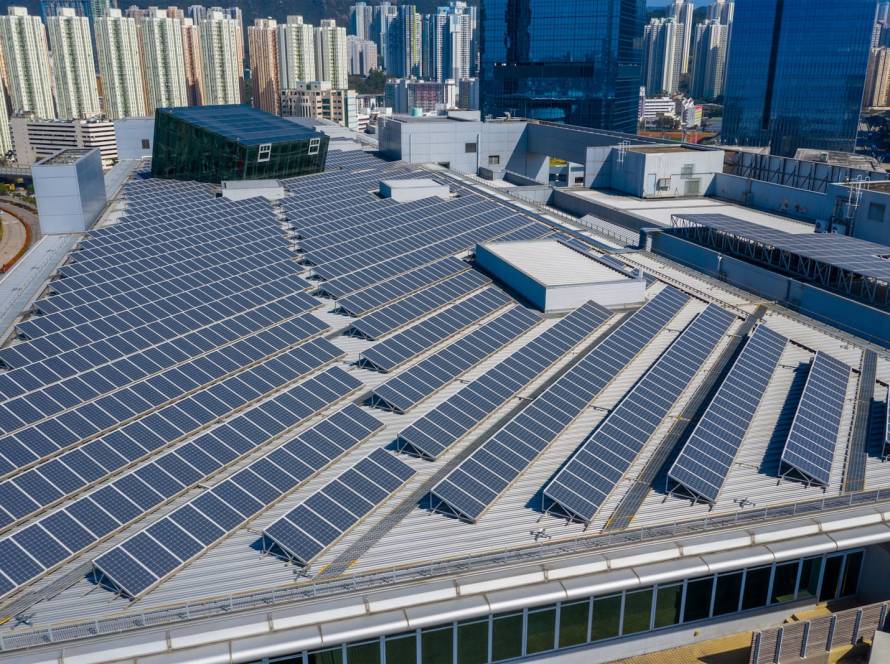
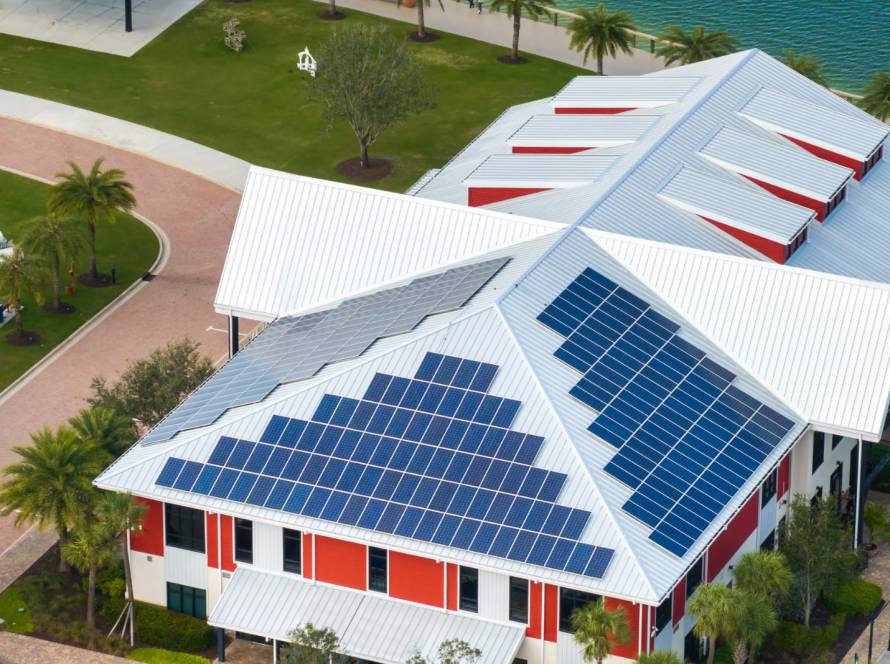
Industrial solar solutions have become increasingly valuable because they help businesses generate electricity directly on-site while making better use of existing infrastructure. Large rooftops, unused land, and parking structures provide ideal opportunities for solar integration. Businesses that invest in solar often strengthen operational resilience while improving long-term planning and reducing strain on traditional energy supply systems.
- Reduces dependence on unstable external electricity supply
- Supports continuous industrial production and equipment uptime
- Improves operational resilience during energy disruptions
- Makes productive use of large industrial roof spaces
- Helps facilities manage long-term energy demand more effectively
- Supports improved energy independence for industrial operations
- Contributes towards sustainability and environmental objectives
Industrial operators also benefit from greater control over how energy gets consumed throughout the facility. Solar systems allow businesses to balance daytime production demands more effectively while reducing pressure on conventional electricity usage. This creates a more stable operational environment that supports consistent output and improved efficiency across production lines and processing systems.
Another important advantage is long-term operational confidence. Businesses that adopt industrial solar solutions often place themselves in a stronger position to handle future energy demands without depending entirely on external infrastructure. This approach supports business continuity while allowing facilities to prepare for future operational expansion and increased production capacity.
How Industrial Solar Solutions Improve Operational Efficiency
Factories and industrial facilities depend on uninterrupted power to maintain smooth production. Even short disruptions can affect machinery performance, delay production schedules, and increase operational inefficiencies. Industrial solar solutions help businesses reduce reliance on unstable external electricity supply by creating a more dependable internal energy source.
Solar systems also support better energy management across industrial operations. Facilities can generate electricity during peak daylight hours when production activity is often at its highest. This reduces strain on conventional power usage and supports more balanced energy consumption. Over time, businesses often improve overall operational efficiency because they gain greater control over how energy gets used throughout the facility.
Industrial Solar Solutions and Long-Term Cost Stability
Electricity expenses continue to place pressure on industrial businesses across many sectors. Manufacturing facilities, agricultural operations, food processors, and heavy industrial plants all rely on large amounts of electricity to maintain production and operational output. As energy usage increases, businesses increasingly seek solutions that support greater financial predictability and more stable operational planning over the long term.
Industrial solar solutions support long-term cost stability by helping businesses reduce reliance on fluctuating electricity supply conditions. South Africa’s strong solar potential allows industrial operators to generate a portion of their own electricity while creating more manageable energy consumption patterns. This allows businesses to improve operational planning and redirect resources towards growth, maintenance, and production improvements.
- Supports more predictable long-term energy management
- Reduces operational strain linked to electricity usage
- Helps businesses manage peak energy demand more effectively
- Creates greater energy independence for industrial facilities
- Supports stronger financial planning and operational forecasting
- Improves overall energy efficiency within industrial environments
- Helps businesses optimise existing infrastructure and resources
Solar energy also creates opportunities for businesses to improve internal operational efficiency over time. By generating electricity during active production periods, facilities can better align energy usage with operational demands. This often leads to improved production consistency and reduced pressure on broader operational systems throughout the facility.
Long-term energy stability also supports stronger business resilience. Industrial businesses that invest in renewable energy infrastructure often place themselves in a stronger position to manage future operational demands while improving sustainability performance. This strategic approach helps facilities maintain greater control over energy management as industrial operations continue evolving.
Why Sustainability Matters More in Modern Industry
Sustainability has become an important priority for industrial businesses across many sectors. Customers, suppliers, and stakeholders increasingly value companies that actively reduce environmental impact and improve responsible operational practices. Industrial solar solutions help businesses reduce carbon emissions while supporting cleaner production processes.
Solar energy generation produces electricity without harmful emissions associated with fossil fuels. This allows industries to lower their environmental footprint while supporting broader sustainability objectives. Businesses that invest in cleaner operations often strengthen their reputation within the industry and build stronger trust with customers and commercial partners. In competitive sectors, a visible commitment to sustainability can help businesses stand apart from others in the market.
The Flexibility of Industrial Solar Solutions for Different Industries
One reason solar adoption continues to grow is the flexibility it offers across multiple industrial sectors. Different industries operate with unique production schedules, operational loads, and infrastructure requirements. Because of this, businesses require energy systems that can adapt to different operational environments without disrupting productivity or long-term expansion plans.
Industrial solar solutions provide that flexibility through scalable system designs that support a wide range of operational needs. Manufacturing facilities, agricultural operations, processing plants, mining sites, logistics centres, and cold storage facilities can all integrate solar systems in ways that suit their specific energy requirements. This allows businesses to improve operational efficiency while adapting systems according to available space and production demands.
- Rooftop solar systems maximise unused factory roof space
- Ground-mounted systems support facilities with available land
- Solar carports combine parking coverage with energy generation
- Hybrid systems support facilities with variable energy demands
- Off-grid systems improve reliability in remote operational areas
- Scalable systems support future industrial expansion plans
- Flexible configurations adapt to different operational environments
The ability to customise solar systems makes them especially valuable for industries with changing operational requirements. Facilities can expand system capacity as production grows or integrate battery storage solutions to support greater energy stability during peak operational periods. This adaptability helps businesses maintain long-term operational flexibility while improving energy reliability.
Another major advantage is the ability to integrate solar infrastructure without disrupting existing production environments. Businesses can implement systems in phases according to operational priorities and available infrastructure. This allows facilities to strengthen energy management gradually while maintaining productivity and operational continuity throughout the transition process.
Maintaining Performance and Protecting Solar Investments
Long-term performance depends heavily on proper system maintenance and ongoing monitoring. Fortunately, solar systems require relatively low maintenance compared to many industrial technologies. Regular cleaning helps remove dust, debris, and environmental buildup that may reduce panel efficiency over time. Facilities located in dry or dusty areas may require more frequent cleaning schedules to maintain strong performance.
Businesses also benefit from routine inspections that check wiring, mounting systems, and inverter performance. Monitoring systems help operators track energy generation and quickly identify any performance changes before they become larger issues. When businesses follow proper maintenance practices, industrial solar solutions can continue operating efficiently for many years while supporting consistent energy production across the facility.
Case Study: A Factory Exploring Solar as a Strategic Investment
A manufacturing facility based in a sunny region of South Africa faced growing concerns around operational electricity demands. The factory relied on heavy machinery, refrigeration systems, and continuous production lines that consumed large amounts of power daily. Energy usage had become one of the company’s largest operational pressures, and leadership began exploring ways to improve long-term energy stability. With a large rooftop area available, the business started considering solar energy as a possible solution.
Before moving forward, the factory management team wanted to understand industrial solar solutions more thoroughly. They researched solar energy online, consulted industry experts, and spoke with other businesses already using solar systems. The team wanted clarity around installation planning, maintenance requirements, panel quality, energy efficiency, and best operational practices. They also focused heavily on understanding how regular maintenance could protect long-term system performance and maximise energy generation throughout the year.
After completing their research, the company concluded that solar offered both operational and strategic value. They recognised that proper maintenance, regular monitoring, and high-quality installation standards played a major role in long-term system success. The business decided to move forward with a rooftop solar installation that aligned with its energy requirements and future growth plans. Leadership viewed the investment as a practical step towards improving efficiency, reducing operational strain, and strengthening sustainability objectives for the future.
What Services and Expertise Does Eversolar Offer for the Industrial Sector?
At Eversolar, we provide specialised industrial solar solutions designed specifically for manufacturing plants, processing facilities, warehouses, and heavy-duty operational environments across Southern Africa. Our systems support businesses that require reliable and continuous energy supply while improving load management and reducing exposure to changing electricity tariffs over time. We engineer high-performance Solar PV and Battery Energy Storage Systems that align with demanding industrial energy requirements, helping facilities reduce grid dependency, improve production reliability, and maintain equipment uptime. As a full EPC partner, we manage the entire process from system design and feasibility planning through to installation, commissioning, and grid synchronisation.
We offer tailored industrial solar solutions that match each facility’s operational load profile, production schedule, and future expansion plans. Our grid-tied systems help factories and distribution centres offset electricity usage while maintaining uninterrupted operations through utility grid support. For businesses with more demanding energy requirements, we deliver hybrid systems that combine Solar PV and battery storage to maximise self-consumption and maintain stable power during peak demand periods. We also provide off-grid and microgrid systems for remote or grid-unstable industrial sites that require complete energy independence. Alongside flexible financing models such as Power Purchase Agreements and Rent-to-Own Solar, we support clients with remote performance monitoring, preventive maintenance, technical support, and long-term system optimisation to ensure continued efficiency and operational reliability.
Why Industrial Businesses Continue to Invest in Solar
Industrial businesses across South Africa continue investing in renewable energy because operational stability has become increasingly important for long-term growth. Facilities that rely heavily on continuous production require dependable energy systems that support efficiency, productivity, and equipment reliability. As industries continue modernising operations, solar energy increasingly becomes part of broader long-term operational planning rather than simply an alternative energy source.
Industrial solar solutions support multiple operational objectives at the same time. Businesses improve sustainability performance, strengthen energy management, and reduce dependence on traditional electricity supply systems. This combination of operational and strategic value explains why more industrial operators continue adopting solar across different sectors throughout Southern Africa.
- Improves long-term operational resilience
- Supports stable and reliable production environments
- Strengthens sustainability and environmental performance
- Helps businesses manage energy demand more effectively
- Supports future operational expansion and scalability
- Reduces dependence on conventional electricity infrastructure
- Improves long-term energy planning and business continuity
Industrial businesses also recognise that solar supports stronger competitiveness within modern industrial markets. Facilities that improve energy efficiency and operational sustainability often strengthen their reputation with customers, suppliers, and commercial stakeholders. This allows businesses to position themselves more confidently for future growth while improving operational performance across the organisation.
As renewable energy adoption continues expanding across South Africa, industrial solar solutions increasingly form part of long-term infrastructure strategies for industrial facilities. Businesses that invest early often gain stronger operational flexibility, improved energy management, and greater resilience against future operational challenges. This makes solar one of the most strategic long-term investments available to industrial operators today.
Transform Your Industry with Industrial Solar Solutions
Industrial businesses across South Africa are changing the way they approach energy management. Many now see industrial solar solutions as an important part of maintaining operational efficiency, improving sustainability, and supporting future growth. From reducing reliance on conventional electricity to improving environmental responsibility, solar energy continues to offer long-term value across multiple industrial sectors.
As industries continue searching for smarter and more reliable energy strategies, industrial solar solutions remain one of the strongest opportunities for long-term operational improvement. Businesses that invest in well-designed solar systems and proper maintenance practices place themselves in a stronger position for sustainable success. To learn more about how solar can support your industrial operation, get in touch with Eversolar today.
FAQs
Why are industrial businesses investing in solar energy?
Many industrial businesses invest in solar because electricity consumption forms a major part of operational costs. Solar energy helps improve energy stability, supports uninterrupted operations, reduces environmental impact, and strengthens long-term operational planning. Industrial solar solutions also help businesses improve energy independence while making better use of available infrastructure such as factory rooftops and unused land.
How do industrial solar solutions improve operational efficiency?
Industrial solar systems generate electricity during daylight hours when many factories and production facilities operate at peak capacity. This helps businesses reduce pressure on conventional electricity usage and maintain more balanced energy management across operations. Reliable solar generation also helps minimise operational disruptions caused by unstable electricity supply.
How much maintenance do industrial solar systems require?
Industrial solar systems generally require low maintenance compared to many industrial technologies. Regular panel cleaning, performance monitoring, and routine inspections help maintain system efficiency and long-term reliability. Preventive maintenance also helps identify potential issues early and supports consistent energy generation over time.
Are industrial solar solutions suitable for South African conditions?
Yes. South Africa’s high solar irradiation levels make it an excellent environment for industrial solar energy generation. Many industrial facilities across the country have large roof spaces and open areas ideal for solar installations, making solar a practical long-term energy solution for local businesses.
Why is solar considered a strategic asset for industrial businesses?
Industrial solar solutions provide long-term operational value beyond electricity generation alone. They support energy stability, operational continuity, sustainability, scalability, and improved energy management. Businesses that invest in solar often strengthen their long-term resilience while improving efficiency and positioning themselves more competitively for future growth.