Electricity has become one of the largest operating expenses for many South African businesses, particularly those operating factories, warehouses, farms, cold-storage facilities and other energy-intensive environments. Investing in commercial solar for high energy demand is increasingly viewed as a practical long-term strategy for improving energy independence, controlling operating costs and supporting uninterrupted business operations. Rather than simply reducing reliance on externally supplied electricity, well-designed commercial solar systems help organisations align their energy strategy with future growth, operational resilience and sustainability objectives.
Production machinery, refrigeration equipment, pumps, ventilation systems and automated processes often operate for extended periods each day, leaving businesses with limited opportunities to reduce electricity consumption without affecting productivity. By generating renewable electricity on site and tailoring each system to the facility’s specific operating profile, organisations can improve cost predictability while maintaining the reliable power needed to support day-to-day operations.
Understanding Commercial Solar for High Energy Demand
Commercial solar systems are large photovoltaic installations designed around the electricity requirements of businesses and industrial facilities. They generally include solar panels, commercial inverters, mounting structures, electrical protection equipment, monitoring components and, where required, battery storage. Every component must work together safely while supplying electricity that is compatible with the property’s existing electrical infrastructure. Unlike smaller residential systems, commercial installations are engineered to accommodate substantially higher electrical loads while maintaining consistent performance under demanding operating conditions.
The scale and complexity of commercial solar for high energy demand distinguish it from a typical residential installation. Industrial properties may use three-phase machinery, compressors, pumps, production lines and refrigeration equipment simultaneously. Engineers must therefore analyse operating schedules, demand peaks, equipment start-up requirements and daily consumption before recommending an appropriate system. A carefully engineered design ensures that the solar installation complements existing operations while providing reliable energy production that supports long-term business objectives.
Which Industries Benefit Most from Commercial Solar Systems?
Businesses with substantial electricity requirements often have the greatest opportunity to benefit from renewable energy because much of their consumption occurs during daylight hours. Facilities that operate continuously or maintain high daytime electricity demand can frequently use a large percentage of the electricity generated by their solar systems as it is produced. This helps maximise self-consumption while reducing dependence on externally supplied electricity and improving overall energy efficiency.
The suitability of a commercial solar installation depends on more than total electricity usage alone. Factors such as operating hours, production schedules, available installation space and future expansion plans all influence how effectively a solar system performs. Commercial solar for high energy demand becomes especially valuable when the energy profile of a business closely aligns with daily solar generation, allowing businesses to reduce operating costs while maintaining uninterrupted productivity.
Industries that commonly benefit include:
- Manufacturing facilities with production lines, heavy machinery and automated equipment.
- Mining operations requiring continuous power for processing, pumping and ventilation systems.
- Agricultural businesses operating irrigation systems, dairies, packhouses and food-processing facilities.
- Warehouses and logistics centres with extensive lighting, conveyor systems and distribution operations.
- Cold-storage and refrigeration facilities requiring constant temperature control.
- Shopping centres and retail facilities with significant daytime electricity demand.
- Healthcare facilities operating essential medical equipment and critical support services.
- Office parks with large-scale lighting, climate control and technology infrastructure.
Manufacturing facilities are particularly well suited because production equipment often operates throughout the day, matching periods of peak solar generation. Warehouses, logistics centres and retail facilities also benefit from expansive roof areas that can accommodate substantial solar arrays while generating electricity close to where it is consumed. These characteristics allow businesses to reduce electricity purchases without significantly altering their daily operations.
Agricultural operations, healthcare facilities, mining sites and refrigeration businesses each have unique operational requirements that influence system design. Some may prioritise reducing operating costs, while others require enhanced energy resilience through battery storage and backup capabilities. By tailoring every installation to the specific operational profile of the facility, businesses can maximise both financial returns and long-term system performance.
Designing Commercial Solar for High Energy Demand Operations
A professional design process begins with a detailed assessment of how the business consumes electricity. Historical accounts, operating hours, meter information and production schedules help engineers determine when demand is highest and how closely it overlaps with solar generation. This prevents the system from being designed around general assumptions or roof size alone. Instead, every design decision is based on measurable operating data that reflects the unique requirements of the business.
Site conditions must also be examined before commercial solar for high energy demand can be sized correctly. Roof strength, available land, shading, orientation, cable routes and existing electrical equipment all influence the final design. Customisation is essential because two facilities with similar annual consumption may require very different panel, inverter and battery configurations. A properly engineered solution balances technical performance with long-term operational and financial objectives.
Roof-Mounted and Ground-Mounted Solar Installations
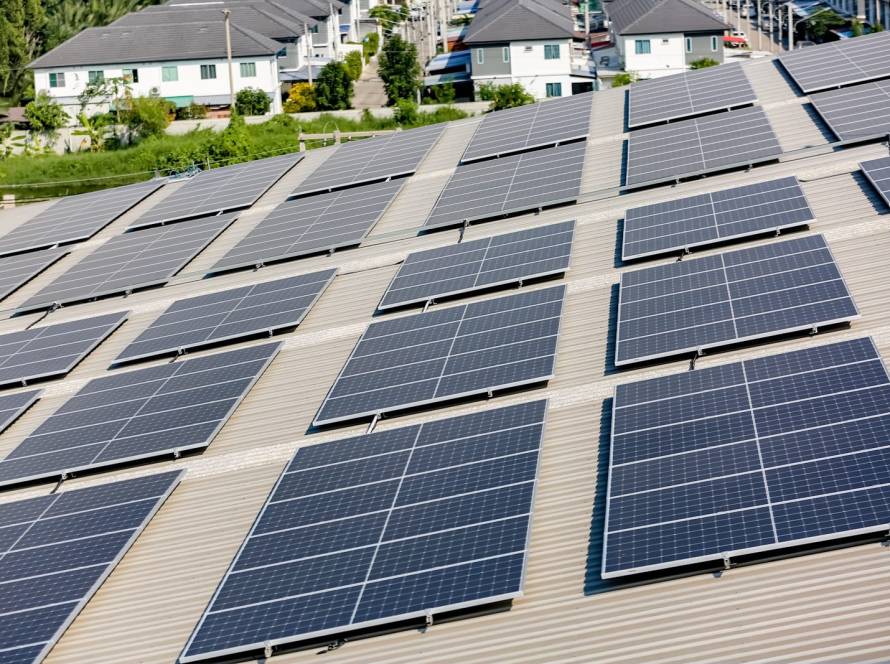
Roof-mounted installations allow businesses to turn unused building space into an electricity-generating asset. Warehouses, shopping centres and factories often have large roof areas that can accommodate substantial panel capacity without using valuable operational land. Electricity is also generated close to where it is consumed, which can simplify parts of the electrical integration while making productive use of existing infrastructure.
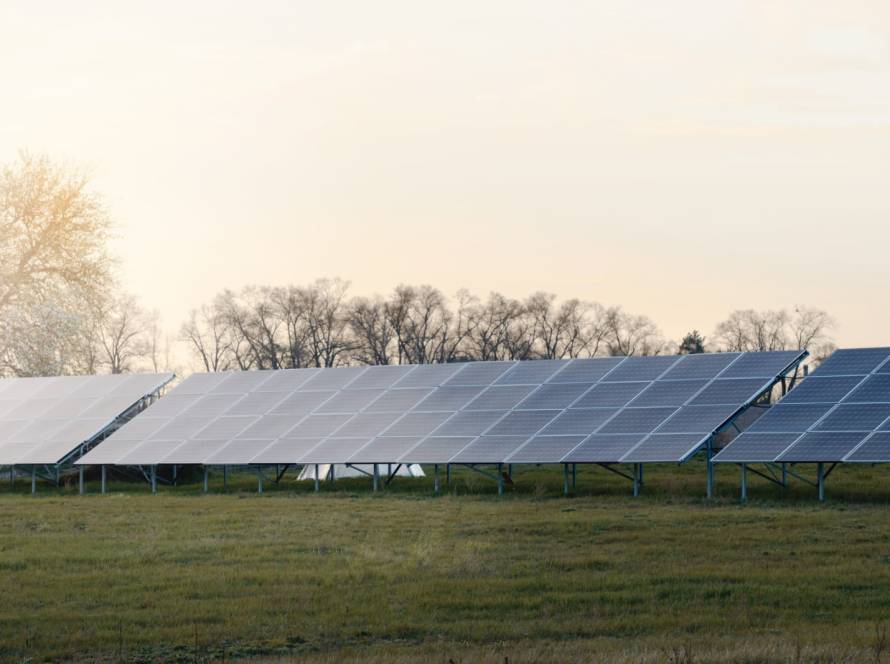
Ground-mounted systems may be more suitable where roof space is limited, structurally unsuitable or reserved for future development. Farms, mines and large industrial properties can use available land to create expandable solar arrays with easier maintenance access. When planning commercial solar for high energy demand, businesses should compare land availability, structural costs, security requirements and long-term expansion potential to determine which installation method provides the greatest value.
The Financial Benefits of Commercial Solar for High Energy Demand
A commercial solar installation can reduce the quantity of electricity purchased during daylight operating hours. The strongest financial results are generally achieved when most of the generated electricity is consumed immediately by machinery, refrigeration, lighting or other equipment. This reduces reliance on external supply without requiring the business to alter normal production activity or compromise operational efficiency.
Solar can also make long-term energy expenses easier to forecast. The equipment, maintenance and financing costs can be modelled over several years, helping management plan with greater confidence. A proper assessment of commercial solar for high energy demand should include maintenance, equipment degradation, inverter servicing, financing terms and possible battery replacement rather than relying only on a simple estimated payback period.
Improving Energy Resilience During Interruptions
Reliable electricity is essential for many commercial and industrial businesses because even a brief interruption can affect production schedules, refrigeration systems, communications, security and automated processes. While reducing electricity costs is often a primary objective, maintaining operational continuity is equally important for organisations that rely on consistent power to protect products, equipment and customer commitments. A well-designed energy strategy should therefore consider both financial savings and the ability to support essential operations when disruptions occur.
Although conventional grid-connected solar systems reduce electricity consumption during normal operating conditions, they do not automatically continue supplying power when the external electricity network becomes unavailable. Commercial solar for high energy demand can provide greater resilience when it is designed with appropriate hybrid technology, battery storage and carefully planned backup capabilities. Identifying critical loads during the design stage ensures available energy is directed towards the equipment that matters most during an interruption.
Important considerations for improving energy resilience include:
- Identify critical equipment that must remain operational during interruptions.
- Separate essential and non-essential electrical loads.
- Integrate battery storage where backup power is required.
- Select hybrid systems when uninterrupted operation is a priority.
- Size battery capacity according to operational requirements.
- Maintain essential lighting, communications and security systems.
- Protect refrigeration, temperature-controlled storage and sensitive equipment.
- Design backup strategies around actual business operations rather than total facility demand.
Prioritising essential equipment allows businesses to use stored energy more efficiently instead of attempting to power every electrical circuit. Refrigeration controls, production management systems, network infrastructure, emergency lighting and security equipment can continue operating while less critical loads remain isolated. This targeted approach often provides better operational value than installing unnecessarily large battery systems designed to support an entire facility.
Energy resilience also contributes to stronger long-term business continuity planning. Facilities that prepare for unexpected interruptions are often better positioned to maintain customer service, protect valuable inventory and minimise production losses. By combining solar generation with appropriately engineered backup systems, businesses can create an energy strategy that supports both operational stability and long-term financial performance.
The Role of Battery Storage in Commercial Solar Systems
Battery storage allows solar electricity generated during the day to be used later, including after sunset or during an interruption. Batteries can also discharge during periods of high demand, helping a business manage brief electricity peaks that may otherwise place additional pressure on the grid. This additional flexibility allows organisations to use more of the electricity they generate while improving operational continuity when reliable power is essential.
Capacity and output must both be considered when adding batteries to commercial solar for high energy demand. Stored capacity determines how long equipment can operate, while power output determines how much equipment can run at the same time. Battery chemistry, usable capacity, temperature control, cycle life, fire safety and future replacement costs should all form part of the selection process to ensure the system delivers dependable long-term performance.
Grid-Tied, Hybrid and Off-Grid Configurations
Grid-tied systems operate alongside the external electricity network and are mainly used to reduce daytime electricity purchases. They can provide a comparatively straightforward commercial solution where grid access is available and the business has consistent daytime demand. Their main limitation is that they do not normally provide independent backup power during an interruption, making them particularly suitable where reducing operating costs is the primary objective.
Hybrid systems combine solar, grid electricity and battery storage, while off-grid systems operate without relying on a utility connection. The correct choice for commercial solar for high energy demand depends on the location, operating schedule, critical equipment and tolerance for interruptions. Remote facilities may require off-grid independence, while urban factories, warehouses and commercial properties often receive greater value from grid-tied or hybrid designs that balance efficiency, resilience and long-term savings.
Factors That Affect System Performance
Solar output is influenced by the site’s location, panel orientation, tilt, shading and surrounding environment. Dust, industrial residue, trees, neighbouring buildings and rooftop structures can all reduce the amount of sunlight reaching the panels. Equipment quality, installation standards and routine maintenance also play an important role in maintaining consistent electricity generation throughout the system’s operating life.
The way electricity is consumed is equally important. A system can generate substantial energy but still deliver weaker financial results if the facility is closed during peak production hours. Effective commercial solar for high energy demand requires a strong match between the solar generation profile and the business’s actual operating pattern so that as much renewable electricity as possible is consumed on site.
Professional Installation and Engineering
Commercial solar installations require considerably more than simply placing panels on a roof. Every project must incorporate electrical engineering, structural planning, protection systems and integration with the existing infrastructure to ensure safe, efficient and reliable operation. Careful planning during the early stages reduces installation challenges, protects valuable assets and helps ensure the completed system delivers the expected long-term performance.
Experienced engineering teams also consider future expansion, maintenance accessibility, equipment compatibility and operational requirements before finalising a system design. Commercial solar for high energy demand performs best when every technical decision is based on the facility’s actual operating conditions rather than standardised assumptions. This comprehensive approach provides businesses with confidence that their investment will continue delivering value as operational requirements evolve.
Professional installation should include:
- Comprehensive electrical and structural assessments.
- Accurate load analysis and system sizing.
- Safe integration with existing electrical infrastructure.
- Correct earthing, isolation and protection systems.
- Professional cable routing and equipment placement.
- Waterproofing and structural integrity assessments.
- Thorough testing and commissioning before operation.
- Complete system documentation and operational guidance.
- Planning for future expansion requirements.
- Long-term maintenance and performance support.
Professional installation also improves long-term reliability by ensuring every component operates as an integrated system. Proper commissioning confirms that inverters, batteries, monitoring systems and protection equipment function correctly before the installation becomes operational. Comprehensive documentation also provides businesses with valuable information for future maintenance, servicing and potential system upgrades.
Selecting experienced professionals helps reduce technical risks while protecting the long-term value of the investment. Businesses benefit from accurate engineering, clear communication and ongoing technical support that extends beyond the initial installation. This partnership approach helps ensure the solar system continues meeting operational expectations throughout its service life.
Monitoring and Maintaining Commercial Solar Systems
Monitoring allows businesses to compare actual electricity production with expected performance throughout the year. A noticeable reduction in output may indicate dirt accumulation, shading, inverter faults, damaged components or another technical issue that requires attention. Ongoing monitoring also helps management understand consumption patterns and identify opportunities to improve overall system efficiency.
Preventative maintenance should include panel cleaning, electrical inspections, connection checks, inverter servicing and structural assessments. Battery-backed commercial solar for high energy demand may also require software updates, temperature monitoring and regular battery-health evaluations. Routine maintenance protects energy production, extends equipment lifespan and allows minor issues to be corrected before they develop into more expensive repairs.
Environmental and Business Benefits
Generating electricity on site can reduce the amount of externally supplied electricity required by a commercial facility. This supports long-term sustainability objectives while helping businesses demonstrate measurable improvements in energy management. Reliable operating data can also assist organisations in reporting their environmental performance accurately to customers, investors and other stakeholders.
Environmental claims should remain transparent and supported by measurable results. Commercial solar for high energy demand can become an important part of a broader sustainability strategy, but businesses should accurately reflect the role that grid electricity or backup generation continues to play where applicable. Honest reporting strengthens credibility and demonstrates a genuine commitment to responsible energy management.
Case Study: Reducing Electricity Pressure at a Manufacturing Facility
A food-manufacturing company operates production lines, cold rooms, packaging machinery and ventilation equipment throughout the working day. Its monthly electricity expenses have increased to the point where management struggles to prepare reliable operating budgets. Reducing production is not practical because the machinery and refrigeration systems are essential to meeting customer orders and maintaining product quality. As electricity costs continue placing pressure on profitability, management recognises that finding a more sustainable long-term energy solution has become a strategic business priority rather than simply an operational consideration.
Management begins researching commercial solar for high energy demand as a possible way to lower grid consumption without restricting operations. The company gathers its electricity accounts, production schedules and equipment information before arranging an energy audit. Engineers assess the daytime baseload, maximum demand, roof structure and essential equipment before comparing a grid-tied system with a hybrid configuration that includes battery support for selected critical loads. Throughout the evaluation process, management focuses on understanding system performance, projected savings, installation requirements and future expansion opportunities before making any investment decisions.
The assessment finds that a roof-mounted solar array could supply a meaningful share of the electricity used during production hours. A carefully sized battery could support refrigeration controls, communications and selected cold-room equipment without attempting to run the entire factory. After reviewing the technical findings and long-term financial projections, management decides to proceed with detailed engineering, financial modelling and the necessary approval process while reserving space for future panel and battery expansion as the business continues to grow.
Planning for Future Business Growth
A commercial solar installation should be designed with future expansion in mind rather than only meeting present electricity requirements. Many businesses plan to add production lines, warehouse space, refrigeration capacity or electric vehicle charging infrastructure over time. Designing the system with spare electrical capacity, reserved roof or ground space and suitable connection points makes future upgrades simpler, more cost-effective and less disruptive to daily operations.
Planning for future growth is an important part of commercial solar for high energy demand because expanding an energy system after installation can be more complex if adequate provision was not made during the original design. Battery expansion, inverter compatibility and switchgear capacity should all be considered from the outset so the renewable energy system can grow alongside the business without requiring major reinvestment.
Best Commercial Solar Systems Designed for High Energy Demand Industries in South Africa
Businesses with substantial electricity requirements need energy solutions that do more than simply generate power. They require systems that align with operational demands, improve long-term cost control and support reliable day-to-day performance. Energy-intensive facilities also need renewable energy infrastructure that can integrate seamlessly with existing operations while remaining flexible enough to support future expansion and changing operational requirements.
At Eversolar, we understand that every business has unique energy requirements, which is why we design commercial solar for high energy demand around each client’s operational and financial objectives. Our integrated approach combines Solar PV, Battery Energy Storage Systems (BESS) and complete EPC project delivery to provide a solution that supports long-term efficiency, reliability and business growth. We offer grid-tied, hybrid and off-grid commercial solar systems, allowing us to recommend the most suitable configuration for each facility while providing flexible financing options through Power Purchase Agreements (PPA) and Rent-to-Own Solar.
Our commercial solar solutions include:
- Grid-Tied Systems that reduce electricity costs by offsetting daytime consumption while maintaining seamless access to the grid during periods of lower solar generation.
- Hybrid Systems that combine Solar PV with Battery Energy Storage Systems (BESS) to optimise energy storage, reduce peak demand, lower grid reliance and provide reliable backup power for critical operations.
- Off-Grid Systems that deliver independent electricity for remote or specialised facilities while reducing dependence on conventional backup generation.
- Complete EPC Project Delivery covering engineering, procurement and construction to ensure every project is professionally designed, managed and delivered from start to finish.
- Battery Energy Storage Systems (BESS) that maximise self-consumption, improve operational resilience and optimise long-term energy performance.
- Flexible Financing Solutions, including Power Purchase Agreements (PPA) and Rent-to-Own Solar, allowing businesses to adopt renewable energy while maintaining predictable energy costs.
- Remote Performance Monitoring and Preventative Maintenance that support ongoing optimisation, rapid technical assistance and long-term system reliability.
Our solutions are designed to integrate seamlessly with existing infrastructure so businesses can continue operating while improving energy efficiency and controlling long-term electricity expenditure. High-quality components, precision engineering and robust system design help minimise maintenance requirements while supporting reliable day-to-day performance. As operations expand, our scalable approach allows additional energy capacity to be incorporated without unnecessary reinvestment or disruption.
We believe successful commercial solar projects extend well beyond installation. Through ongoing technical support, preventative maintenance, remote monitoring and continuous optimisation, we work alongside our clients to improve long-term energy management and sustainability performance. Our goal is to deliver resilient renewable energy solutions that create measurable operational and financial value for businesses with demanding electricity requirements.
Building a More Predictable Energy Future
Commercial solar systems provide South African businesses with a practical opportunity to strengthen long-term energy management while reducing reliance on traditional electricity sources. When commercial solar for high energy demand is designed around accurate consumption data, professional engineering and future operational requirements, it becomes far more than an electricity-saving initiative. It becomes a strategic investment that supports financial stability, operational resilience and sustainable business growth for years to come.
At Eversolar, we work closely with businesses to understand their operational requirements before designing commercial solar solutions that integrate seamlessly with existing infrastructure and future expansion plans. Contact us to discuss your electricity profile and discover how we can develop a renewable energy solution that delivers measurable operational, financial and long-term value for your organisation.
FAQs
What is commercial solar for high energy demand?
Commercial solar for high energy demand refers to large-scale solar photovoltaic (PV) systems designed to meet the significant electricity requirements of businesses and industrial facilities. These systems are commonly installed at manufacturing plants, warehouses, agricultural operations, shopping centres, mining facilities and cold-storage sites where electricity consumption remains consistently high throughout the day. A professionally engineered system includes solar panels, inverters, mounting structures, monitoring technology and, where required, battery storage. Each installation is customised according to the property's electricity profile, operational schedule and future growth plans, helping businesses improve energy efficiency, reduce grid dependence and support long-term operational sustainability.
Which businesses are best suited to commercial solar for high energy demand?
Businesses with high daytime electricity consumption are generally the best candidates for commercial solar for high energy demand. Manufacturing facilities, logistics centres, farms, packhouses, refrigeration businesses, hospitals, shopping centres and mining operations often consume substantial amounts of electricity during daylight hours when solar production is at its highest. Organisations with large roof areas or available land may also benefit from greater installation capacity. Every business should undergo a professional energy assessment before installation, as factors such as operating hours, equipment usage, future expansion plans and available infrastructure all influence whether a commercial solar system will provide the greatest long-term value.
How much can a business save with commercial solar for high energy demand?
The financial savings achieved with commercial solar for high energy demand vary according to each business's electricity consumption, operating hours, system size and the proportion of solar energy used directly on site. Businesses that consume large amounts of electricity during daylight hours often achieve stronger financial returns because they maximise self-consumption rather than exporting unused electricity. Additional factors such as financing arrangements, battery storage, maintenance costs and future electricity price increases also influence long-term savings. A professional feasibility assessment provides realistic financial projections based on the facility's actual operating data instead of relying on general industry estimates.
Why is professional engineering important for commercial solar for high energy demand?
Professional engineering is essential because commercial solar for high energy demand involves complex electrical systems that must integrate safely with existing business infrastructure. Engineers assess electricity usage, structural suitability, equipment compatibility, cable routing, protection systems, battery requirements and future expansion opportunities before developing a customised solution. Proper engineering also ensures compliance with relevant regulations while supporting long-term reliability, operational efficiency and system safety. Rather than installing a standard package, experienced professionals design every component around the business's specific operational requirements, helping maximise energy production, protect valuable assets and deliver sustainable long-term performance from the investment.