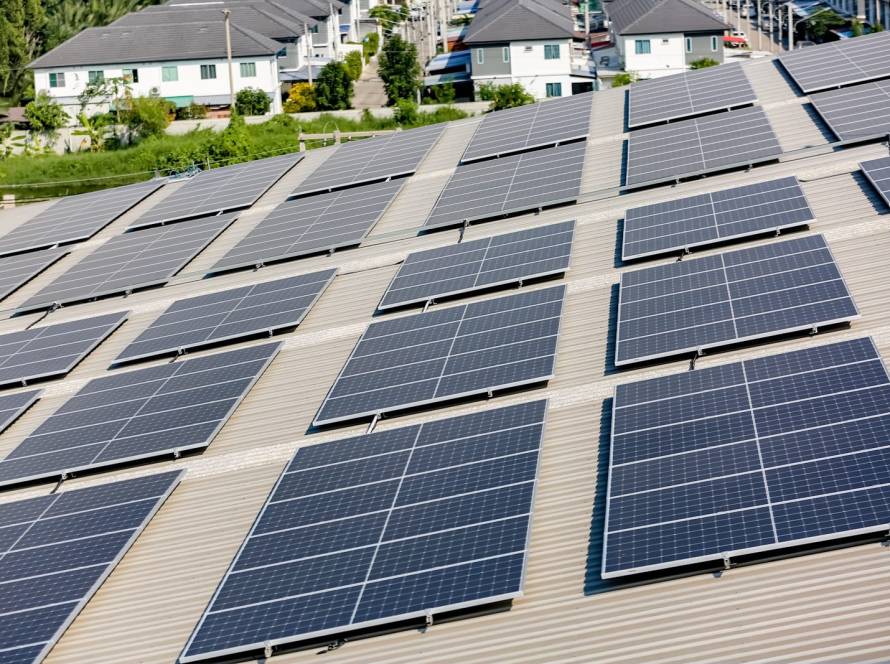
Shopping centres consume large amounts of electricity every day to support lighting, climate control, refrigeration, lifts, escalators, security systems and the diverse operational needs of tenants. Investing in commercial solar for shopping malls has become an increasingly practical strategy for reducing electricity costs, improving energy resilience and supporting long-term sustainability objectives. However, achieving these outcomes depends on selecting a provider with the technical expertise, commercial experience and long-term support capabilities needed to deliver a high-performing system.
Choosing a solar provider involves far more than comparing quotations. Shopping mall owners should evaluate engineering expertise, equipment quality, project delivery capabilities, compliance knowledge and maintenance services to ensure the proposed solution meets both current operational requirements and future business goals.
Why Choosing the Right Commercial Solar Provider Matters
A solar provider makes important decisions that determine how much electricity the system produces, how efficiently it operates and how long key components remain reliable. Weak system design can lead to poor panel positioning, unnecessary shading, unsuitable inverter capacity or inaccurate production forecasts. These issues may not become obvious during installation, but they can reduce energy savings throughout the life of the system. Choosing a provider with extensive commercial experience therefore helps minimise technical risks while giving shopping mall owners greater confidence that the system has been engineered to perform as expected over many years.
Shopping centres have considerably more complicated energy requirements than homes and small offices. Multiple tenant spaces, central air-conditioning systems, escalators, lifts, refrigeration equipment, security infrastructure and common-area lighting all place different demands on the electrical network throughout the day. Successfully delivering commercial solar for shopping malls requires a provider that understands these operational complexities and can integrate solar generation with existing electrical infrastructure while maintaining business continuity for tenants, employees and customers.
Assess the Shopping Mall’s Energy Requirements
Understanding how a shopping mall consumes electricity is the foundation of every successful solar project. Before any provider begins designing a system, they should first develop a detailed picture of the property’s electricity usage, operating patterns and future requirements. Without this information, there is a risk that the proposed system could be either undersized, limiting the potential savings, or oversized, increasing capital costs without delivering proportional financial benefits. Investing time in a comprehensive energy assessment ensures that every design decision is based on measurable operational data rather than assumptions, resulting in a solution that is both technically appropriate and financially sound.
Shopping malls rarely have a uniform electricity demand throughout the day. Retail trading hours, supermarkets, restaurants, cinemas, office spaces, air conditioning systems, refrigeration equipment, lighting and security infrastructure all contribute to changing load profiles from morning until late evening. Seasonal shopping periods, promotional events and future tenant expansion can further influence electricity consumption over time. A provider should therefore evaluate how the facility currently operates while also considering how its requirements may evolve, ensuring commercial solar for shopping malls remains effective throughout the system’s lifespan.
Key Areas to Assess Before Requesting Solar Proposals
- Review at least twelve months of electricity bills to identify annual consumption trends.
- Analyse peak demand periods and maximum demand charges.
- Compare weekday, weekend and seasonal electricity usage.
- Separate landlord-operated electricity consumption from tenant loads where practical.
- Identify major electrical loads such as HVAC systems, refrigeration, lighting, lifts and escalators.
- Assess overnight baseload requirements when solar generation is unavailable.
- Consider future shopping mall expansions or planned tenant growth.
- Review the role of existing generators or backup power systems.
- Determine whether electric vehicle charging infrastructure may increase future demand.
- Identify opportunities to improve energy efficiency before final system sizing.
A detailed energy assessment also strengthens the financial evaluation of competing proposals. When providers understand exactly how electricity is consumed throughout the property, they can produce more accurate generation forecasts, estimate self-consumption rates with greater confidence and recommend battery storage capacities that align with operational priorities. This enables shopping mall owners to compare proposals using consistent technical assumptions instead of relying solely on estimated savings or system size.
Completing this assessment before requesting quotations also improves the quality of every proposal received. Providers are able to prepare more accurate engineering designs, recommend equipment that better matches the property’s operational profile and identify opportunities to improve overall energy performance. In many cases, understanding consumption patterns allows certain operational improvements to be implemented alongside the solar installation, increasing the overall value of the investment while reducing long-term operating costs.
Commercial Solar for Shopping Malls: Look for Large-Scale Commercial Experience
Residential solar experience does not necessarily prepare a provider for a large retail project. Shopping mall installations involve higher electrical capacities, more sophisticated protection systems, greater structural considerations and stricter construction planning than smaller installations. They also require contractors to work safely around customers, delivery vehicles, tenants and employees while carefully coordinating installation activities to minimise disruption to daily trading. These are challenges that only experienced commercial providers are likely to have encountered repeatedly.
Mall owners should request evidence of completed commercial projects of a comparable size before making a decision. Case studies should explain the original energy challenge, installed capacity, project scope and operating outcome while demonstrating the provider’s ability to deliver technically successful projects within active commercial environments. A provider offering commercial solar for shopping malls should also be able to supply contactable client references and explain how unexpected technical, logistical or operational challenges were successfully managed throughout previous installations.
Evaluate EPC Capabilities for Commercial Solar for Shopping Malls
Engineering, Procurement and Construction, commonly known as EPC, describes a project model in which one provider manages the major stages of the installation from beginning to end. These stages typically include the initial energy assessment, technical and structural design, equipment procurement, regulatory applications, construction planning, installation, commissioning, quality assurance and final handover. Having one organisation oversee the complete process creates greater consistency across every phase of the project while reducing unnecessary delays and communication gaps.
An integrated EPC structure gives the shopping mall owner a much clearer line of responsibility because one provider remains accountable for the overall success of the installation. When separate companies manage engineering, procurement and construction independently, design changes or equipment issues can sometimes create uncertainty regarding responsibility. By selecting an experienced EPC provider for commercial solar for shopping malls, owners benefit from coordinated project management, improved quality control, streamlined communication and a more efficient installation process that supports both technical performance and long-term operational reliability.
Commercial Solar for Shopping Malls: Review Equipment Quality and System Design
Solar panels, inverters, mounting systems and battery storage all contribute to the long-term performance of a commercial solar installation. Rather than focusing solely on the number of panels included in a quotation, shopping mall owners should evaluate the overall quality of the proposed system and how each component has been selected to meet the property’s operational requirements. The proposal should clearly identify the equipment manufacturer, model, capacity, warranty period and expected operating life, while also explaining anticipated production losses caused by temperature, shading, panel orientation and normal equipment degradation. This level of transparency allows owners to compare proposals on technical merit rather than price alone.
The proposed design for commercial solar for shopping malls should always be assessed according to expected annual electricity production rather than installed capacity alone. Two systems with identical panel capacities can produce very different results because of differences in roof layout, inverter sizing, cable losses, ventilation, shading and engineering decisions. Shopping mall owners should therefore expect a provider to explain the assumptions behind its production forecasts and demonstrate how the design has been optimised for the property’s specific operating profile. A carefully engineered system generally delivers more consistent performance, lower maintenance requirements and stronger long-term financial returns.
Consider Roof Condition and Structural Requirements
The condition of a shopping mall’s roof is one of the most important factors influencing the success of a commercial solar installation. Because solar equipment is expected to remain in place for twenty years or longer, the supporting roof should offer the same level of durability and structural integrity. Installing solar panels on a roof nearing the end of its service life may result in expensive removal and reinstallation work when repairs or replacement become necessary. Conducting a detailed roof assessment before installation protects both the building and the long-term return on investment.
A structural assessment should extend well beyond confirming that the roof can support the weight of the solar equipment. Engineers should evaluate wind loading, drainage, waterproofing, roof access, maintenance requirements and any future building alterations that could affect system performance. Existing rooftop equipment, plant rooms, HVAC systems and other structures should also be reviewed to minimise shading and optimise panel placement. Careful planning at this stage ensures commercial solar for shopping malls can be installed safely while delivering reliable long-term performance.
Roof and Structural Factors to Evaluate
- Inspect the overall condition and remaining lifespan of the roof.
- Identify leaks, corrosion, waterproofing issues or damaged roofing materials.
- Confirm the roof structure can safely support the proposed solar system.
- Assess local wind-loading requirements and structural stability.
- Review drainage systems to ensure water flow will not be obstructed.
- Evaluate safe access routes for maintenance personnel.
- Identify rooftop equipment that could create shading.
- Review any planned roof renovations or future building extensions.
- Assess structural requirements for solar carports where applicable.
- Clearly define responsibility for roof penetrations and waterproofing within the installation contract.
Completing these assessments before construction significantly reduces the likelihood of unexpected structural modifications during installation. Early identification of roof-related issues allows repairs to be completed before work begins, helping to avoid delays, cost overruns and unnecessary disruption to shopping mall operations. It also provides greater certainty regarding project scheduling and overall installation quality.
A comprehensive structural evaluation also protects one of the shopping mall’s most valuable physical assets. By ensuring the roof and solar installation have been designed to work together, owners can maximise long-term system reliability while preserving building integrity, reducing maintenance risks and supporting safe access for future inspections and servicing.
Understand Battery Storage and Energy Management
Solar panels generate electricity during daylight hours, but they do not automatically provide backup power when the electricity network experiences an outage. A conventional grid-connected solar installation normally shuts down during grid failures unless it has been specifically designed with battery storage, appropriate control systems and the necessary protection equipment. Shopping mall owners should therefore understand the role that battery storage plays in maintaining operational continuity rather than assuming that every solar installation automatically provides uninterrupted power.
Battery storage can significantly increase the value of commercial solar for shopping malls by storing excess daytime generation for use during periods of high demand or electricity interruptions. It can also help reduce peak demand charges, improve solar self-consumption and reduce reliance on diesel-powered backup generation where appropriate. Because backing up an entire shopping centre can require a substantial battery system, providers should first identify which electrical loads are critical, which can be delayed and which are non-essential. This ensures battery capacity is matched to operational priorities while delivering the strongest possible financial return.
Compare Available Financing Models
The most appropriate financing option depends on a shopping mall’s financial objectives, available capital and long-term ownership strategy. Purchasing a solar system outright provides immediate ownership and allows the property owner to benefit directly from the resulting electricity savings. Although this option generally requires a larger initial investment, it offers greater long-term control over the asset and allows owners to manage maintenance, upgrades and future system expansion according to their own operational requirements.
Alternative financing arrangements may include Power Purchase Agreements, leasing and rent-to-own structures, each offering different advantages depending on business priorities. When evaluating financing for commercial solar for shopping malls, owners should compare ownership arrangements, payment escalation, maintenance responsibilities, contract duration, insurance obligations and end-of-term conditions rather than focusing exclusively on monthly costs. Understanding these commercial differences helps ensure the selected financing model aligns with both the shopping mall’s cash flow requirements and its long-term energy strategy.
Confirm Compliance and Technical Documentation
Commercial solar projects must comply with the technical and regulatory requirements that apply to their location, system capacity and connection arrangement. The approvals required may differ depending on the electricity network supplying the property, whether electricity will be exported and the size of the proposed installation. A knowledgeable provider should understand these requirements from the outset and incorporate them into the project programme so that regulatory processes do not create avoidable construction delays.
A provider responsible for commercial solar for shopping malls should clearly explain which applications, technical studies and compliance documentation form part of its project scope. At project completion, shopping mall owners should receive a comprehensive handover package containing approved drawings, commissioning records, operating manuals, equipment warranties, protection test results and all relevant electrical compliance documentation. Complete project records simplify future maintenance, warranty claims, system modifications and ongoing operational management, making them an essential part of any professionally delivered installation.
Assess Maintenance and After-Sales Support
Installing a commercial solar system is only the beginning of a long-term relationship between the shopping mall owner and the provider. Even the highest-quality equipment requires periodic inspections, preventative maintenance and performance monitoring to ensure it continues operating efficiently throughout its lifespan. Without reliable after-sales support, minor faults may go unnoticed until they begin affecting energy production, increasing operating costs or shortening the lifespan of expensive components. Selecting a provider with a well-established maintenance programme is therefore just as important as evaluating the quality of the initial installation.
Shopping malls depend on continuous electrical reliability to support tenant operations, customer comfort and essential building services. Air conditioning systems, lighting, security infrastructure and payment systems all rely on dependable electricity. Any reduction in solar performance can affect anticipated energy savings and financial returns. Providers offering commercial solar for shopping malls should therefore demonstrate how they intend to support the system long after commissioning through preventative maintenance, ongoing technical assistance and rapid fault response.
Questions to Ask About Maintenance and Support
- Ask whether preventative maintenance visits are included after installation.
- Confirm how frequently inspections and servicing will be performed.
- Understand how the provider monitors system performance remotely.
- Ask about guaranteed response times for technical faults.
- Confirm whether emergency support is available outside normal business hours.
- Determine who is responsible for warranty claims and equipment replacement.
- Request examples of maintenance reports provided after each inspection.
- Clarify whether software updates and inverter firmware upgrades are included.
- Ask how spare parts are sourced and stocked.
- Review the full maintenance agreement before signing the contract.
A structured maintenance programme helps identify potential problems before they develop into expensive repairs or prolonged periods of reduced generation. Routine inspections can detect issues such as loose electrical connections, inverter alarms, damaged cabling, excessive dirt accumulation or declining component performance long before these affect the shopping mall’s overall energy strategy. Preventative maintenance generally reduces operational risk while extending the useful life of the installation.
Strong after-sales support also provides confidence that technical expertise remains available whenever required. As shopping malls expand, tenant requirements change or electricity regulations evolve, the provider should be able to recommend system upgrades, software improvements and operational adjustments that maintain optimum performance. Long-term support ultimately protects the investment while ensuring the solar system continues delivering value throughout its operating life.
Ask About Monitoring and Performance Commitments
Modern commercial solar systems generate a significant amount of operational data that can be used to measure performance, identify faults and optimise electricity production. Real-time monitoring enables both the provider and shopping mall management to understand how much electricity the system is producing, how much energy is being consumed onsite and whether any equipment is underperforming. Without continuous monitoring, small performance losses may remain undetected for extended periods, gradually reducing the overall return on investment.
Monitoring should be supported by clear performance reporting rather than simply providing access to an online dashboard. A provider offering commercial solar for shopping malls should explain how production data will be reviewed, how abnormalities are investigated and what actions will be taken if system performance falls below expected levels. Clearly defined monitoring procedures help ensure the installation continues operating as designed while providing valuable information for future operational planning.
Plan Installation Around Mall Operations
Unlike many commercial buildings, shopping malls operate throughout the day with constant customer traffic, tenant deliveries and business activities that cannot simply be interrupted during construction. Solar installations therefore require detailed project planning that balances construction efficiency with operational continuity. Careful scheduling helps minimise disruption while maintaining safe access for customers, employees, contractors and delivery vehicles.
An experienced provider should prepare a detailed installation programme that identifies high-risk activities, delivery schedules, temporary access restrictions and planned shutdowns well before construction begins. Installing commercial solar for shopping malls successfully requires close coordination between contractors, shopping centre management and tenants to ensure business operations continue safely throughout every stage of the project.
Compare Proposals Beyond the Initial Price
The lowest quotation is not always the best long-term investment. Two proposals with similar prices may differ significantly in equipment quality, engineering standards, maintenance commitments, production estimates and warranty coverage. Shopping mall owners should therefore compare every aspect of the proposal rather than focusing exclusively on the total installation cost.
A comprehensive proposal should clearly explain the technical design, projected energy production, financial assumptions, maintenance arrangements and project scope. Comparing providers on these broader criteria allows owners to identify the solution that offers the strongest long-term value while reducing the likelihood of unexpected costs after installation. Selecting commercial solar for shopping malls should ultimately be based on quality, reliability and lifecycle value rather than upfront price alone.
Which Commercial Solar Provider Should I Choose for a Shopping Mall in South Africa?
Selecting a commercial solar provider requires balancing technical capability, commercial experience and long-term service rather than simply choosing the lowest quotation. Shopping mall owners should look for a provider that can demonstrate successful large-scale commercial installations, provide comprehensive engineering expertise and remain involved throughout the operational life of the system. A provider should be able to explain every stage of the project clearly while offering realistic production estimates, transparent financial modelling and ongoing technical support that extends well beyond commissioning.
Long-term value also depends on choosing a provider capable of designing a solution that reflects the shopping mall’s unique operating profile rather than relying on standardised system configurations. Every retail property has different electricity demand patterns, roof layouts, operational priorities and future expansion plans. Selecting a provider that takes the time to understand these factors gives owners greater confidence that the installation will continue delivering reliable performance and meaningful financial savings for many years.
What to Look for in Your Commercial Solar Provider
- Demonstrated experience delivering large-scale commercial solar projects.
- Complete EPC capabilities from design through commissioning.
- High-quality solar panels, inverters and battery storage solutions.
- Strong engineering and structural assessment expertise.
- Transparent financial modelling and realistic performance forecasts.
- Assistance with regulatory compliance and technical documentation.
- Comprehensive preventative maintenance programmes.
- Remote monitoring and proactive performance management.
- Responsive long-term technical support.
- Proven ability to scale systems as operational requirements evolve.
At Eversolar, we combine engineering expertise, premium technology and end-to-end project delivery to help shopping malls transition confidently towards renewable energy. Our team designs customised solar PV and battery storage solutions based on each property’s operational requirements, ensuring every installation is engineered to maximise long-term performance, energy savings and return on investment. Through our integrated EPC approach, we manage every stage of the project while maintaining clear communication and rigorous quality control from initial assessment through final commissioning.
Our support continues long after installation is complete. We provide ongoing monitoring, preventative maintenance, technical assistance and system optimisation to help clients maximise the long-term value of their investment. Whether a shopping mall requires a grid-tied, hybrid or battery-supported solution, we work closely with every client to develop an energy strategy that improves operational resilience, reduces electricity costs and supports future business growth.
Choose a Long-Term Commercial Solar Partner
Selecting the right provider for commercial solar for shopping malls is ultimately about securing a long-term energy partner rather than simply purchasing a solar installation. The most successful projects are built on accurate system design, premium equipment, professional project delivery and dependable after-sales support that continues throughout the life of the system. Taking a structured approach to provider selection gives shopping mall owners greater confidence that their investment will continue delivering reliable performance, lower operating costs and meaningful financial returns for many years. As electricity demands evolve and shopping centres continue expanding, choosing an experienced provider also ensures the system can adapt alongside future operational requirements. A scalable, well-maintained installation provides lasting value while strengthening business resilience against rising energy costs and supply challenges.
At Eversolar, we work closely with every client to design customised commercial solar and battery storage solutions that align with operational requirements, financial objectives and long-term sustainability goals. From initial consultation and engineering through installation, monitoring and ongoing maintenance, our experienced team delivers complete end-to-end support. Contact us today to discuss your shopping mall’s energy requirements and discover how we can develop a commercial solar solution tailored to your business.