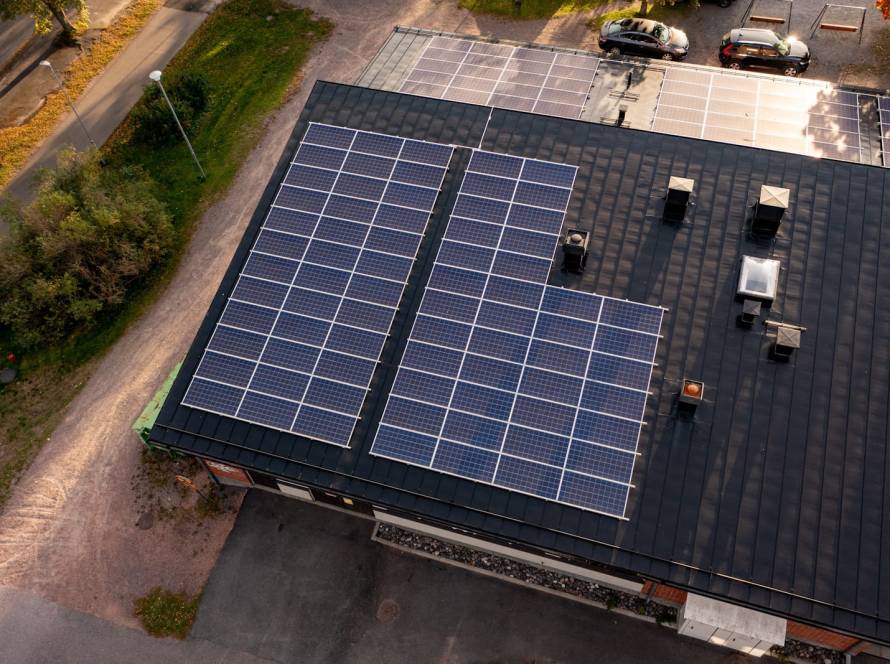
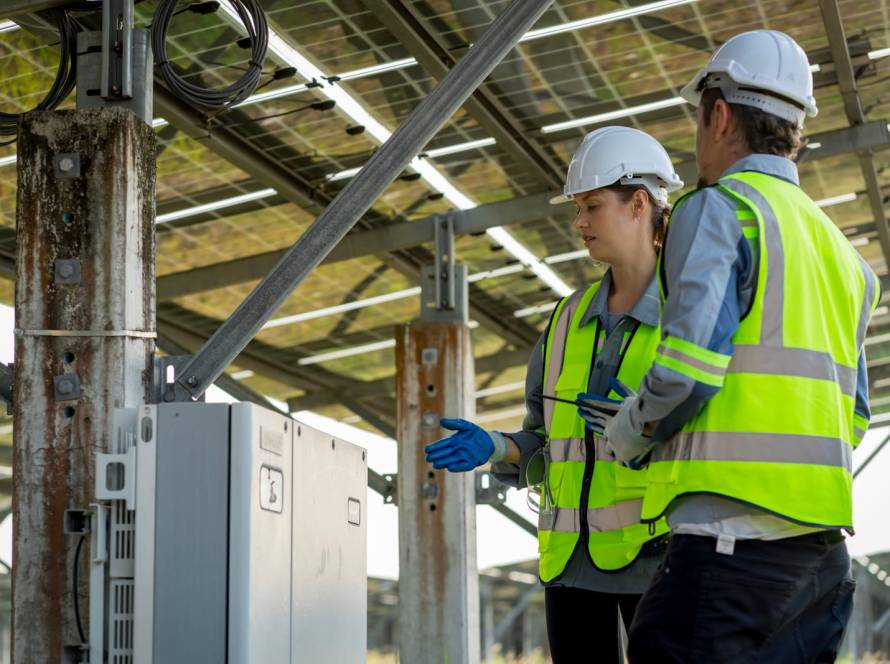
Commercial solar systems are substantial operational assets, often incorporating panels, inverters, cabling, mounting structures, protection devices and battery storage. When any part of the system is damaged, the business may face lost generation, unexpected repair costs, operational disruption and safety concerns. A consistent commercial solar maintenance programme helps create the records needed to understand what happened and respond with confidence.
Industry insurance commentary repeatedly stresses that claims are easier to assess when the insured asset, its condition and the circumstances of the incident are clearly documented. For commercial solar systems, this means keeping accurate maintenance reports, equipment details, photographs, monitoring records and repair information readily available. These records do not determine whether a claim will be approved, but they provide an essential factual foundation.
Why Commercial Solar Equipment Damage Can Result in an Insurance Claim
Commercial solar assets are exposed to both environmental and operational risks. Hail may crack modules, strong winds can affect mounting systems, fire can damage electrical equipment and lightning-related surges can harm inverters or sensitive controls. Water ingress may affect electrical enclosures and connections, while theft and vandalism can lead to missing panels, damaged cable runs or compromised security measures.
Damage is not always immediately visible. Internal module faults, deteriorated insulation, damaged connectors or inverter errors may only become apparent through inspection or a sudden change in generation data. Energy-sector data and technical commentary consistently show that early assessment is important because continuing to operate damaged equipment can increase safety risks and cause further loss.
Common causes of commercial solar equipment damage include:
- Hail, wind and severe weather that crack panels or affect mounting structures.
- Fire, smoke or heat exposure that damages electrical equipment and cabling.
- Lightning and power surges that affect inverters, controls and protection devices.
- Water ingress into enclosures, connections or battery-related equipment.
- Theft of panels, batteries, cables or other valuable system components.
- Vandalism that damages modules, mounting hardware, cable routes or equipment housings.
The nature of the incident may influence the information that needs to be collected for an insurance claim. A storm-related event may require photographs of the affected equipment and surrounding area, while a surge-related failure may require fault records, monitoring data and a technical inspection. In all cases, the business should preserve the available evidence before damaged components are moved or replaced.
A clear record also helps the maintenance provider understand where to begin. If the business can show when an alarm was received, when generation dropped and which area of the system was affected, the inspection can be more focused. This may reduce avoidable delays while ensuring that the assessment is based on documented conditions rather than assumptions.
How Commercial Solar Maintenance Creates a Reliable System History
A clear system history shows that panels, inverters, cabling, mounting hardware, batteries and protective devices were inspected before an incident occurred. Scheduled commercial solar maintenance visits can record the work completed, faults found, corrective actions recommended and components repaired or replaced. This creates a practical record of how the system was managed over time.
That history can be particularly valuable when an insurer needs to distinguish sudden accidental damage from an issue that developed gradually. For example, storm damage to an inspected mounting structure may be assessed differently from long-standing corrosion or neglected hardware. Technical assessment practices commonly rely on the condition of an asset before and after an event, making routine records far more useful than a report created only after damage occurs.
Inspection Reports, Photographs and Fault Records as Evidence
Dated service reports are among the most useful documents a business can retain. They can identify the equipment inspected, describe its condition and note any maintenance recommendations. Photographs taken during routine inspections can provide a visual record of panel condition, cable routing, mounting structures, inverter enclosures and battery areas before an incident occurs.
After damage, photographs, fault logs, generation records and service reports should be collected without delay. Thermal images, where available, can assist with identifying overheating components or unusual electrical behaviour. Electrical experts regularly caution that visible damage may represent only part of the problem, which is why documentation should be supported by a qualified inspection rather than visual assumptions alone.
Useful evidence for a commercial solar damage assessment can include:
- Dated service reports and inspection checklists.
- Before-and-after photographs of affected equipment and areas.
- Thermal images, where these are available and relevant.
- Inverter fault codes and monitoring alerts.
- Generation data showing changes in system performance.
- Repair histories, replacement records and related invoices.
- Asset registers, warranties and commissioning documentation.
Evidence should be kept in its original form wherever possible. This means retaining the date and time attached to photographs, saving monitoring exports and keeping complete service reports rather than only short summaries. A well-organised evidence file makes it easier for the business, insurer and technical team to review the same information.
It is also helpful to link evidence to the relevant part of the system. For example, photographs of a damaged inverter should be accompanied by the inverter’s identification details and related fault information. This creates a clearer chain between the visible damage, the equipment affected and the work needed to restore safe operation.
Remote Monitoring and Commercial Solar Maintenance After a Fault
Remote monitoring can help establish when a fault began and how widely it affected the system. A sudden fall in generation, an inverter going offline or repeated alarms may indicate that a specific incident has affected one part of the installation. Time-stamped information can help maintenance teams prioritise the affected equipment and support a more accurate incident timeline.
When remote monitoring forms part of commercial solar maintenance, the data should be reviewed alongside weather conditions, site reports and inspection findings. A generation drop may be caused by physical damage, a grid-related event, equipment protection responding as designed or another technical issue. A qualified assessment is needed to interpret the information correctly and identify the appropriate next step.
Immediate Steps to Take After Commercial Solar Equipment Is Damaged
The first priority after an incident is site safety. If equipment is visibly damaged, there is a fire risk, cabling is exposed, water has entered electrical areas or a battery system appears compromised, access should be restricted. Equipment should only be isolated where this can be done safely and in accordance with the site’s established procedures.
The business should document the scene before repairs begin, provided it is safe to do so. Record the date, time, visible damage, alarms received and any emergency action taken. Notify the insurer or broker promptly, then arrange for the maintenance provider to inspect the system. Avoid unauthorised repairs or restarting affected equipment, as this could worsen the damage or complicate the assessment.
Assessing Damage Through Commercial Solar Maintenance Expertise
A qualified inspection helps determine whether panels, electrical connections, inverters, batteries, mounting systems and protective devices are safe to operate. Cracked module glass, water ingress, loose wiring and damaged enclosures can be obvious, but some faults remain hidden until equipment is tested. Restarting a system without an assessment can create further loss and may expose personnel to avoidable electrical hazards.
A post-incident commercial solar maintenance inspection should identify immediate safety issues, affected components and any further testing required. The assessment may also record whether the system can remain partially operational or whether it should remain isolated until repairs are completed. This gives the business a clearer technical basis for discussing the claim and planning for downtime.
A qualified damage assessment may include:
- A visual inspection of panels, mounting structures and equipment enclosures.
- Checks for damaged, loose or exposed cabling and electrical connections.
- Review of inverter status, fault messages and protection devices.
- Inspection of battery equipment for visible damage, water ingress or abnormal conditions.
- Testing to identify hidden electrical faults where safe and appropriate.
- A report outlining damaged components, safety risks and recommended next steps.
A technical inspection should establish the safe status of the system before anyone attempts to restore normal operation. Some components may require replacement, while others may be suitable for further testing or repair. The assessment should clearly separate work needed to make the site safe from work needed to restore the system’s full performance.
The findings can also support a more realistic recovery plan. A business may need to plan for temporary generation losses, restricted access to certain areas or phased repairs where several components are affected. By understanding the condition of the system before work begins, decision-makers can manage risk without rushing the recommissioning process.
Repair Recommendations, Replacement Costs and Existing System Issues
A detailed technical report can identify damaged equipment, recommended repairs, compatible replacement components, labour requirements and expected downtime. It should distinguish between urgent safety work and the repairs needed to return the system to its intended operating condition. This information helps a business understand the likely scope of recovery and provides practical detail for the insurer.
The report should also consider whether a fault resulted from a specific event or may have developed over time. Insurance policies can treat accidental damage, wear, gradual deterioration and inadequate upkeep differently. Maintenance reports, fault histories and inspection findings can help separate these issues using evidence rather than speculation.
Recommissioning and Commercial Solar Maintenance Packages
Once repairs or replacements have been approved, the system should be recommissioned in a controlled manner. This normally includes installation work, electrical testing, checks of protective devices, restoration of monitoring access and performance verification. The aim is not only to bring generation back online, but to confirm that the equipment is operating safely and as expected.
Businesses can reduce future disruption by choosing commercial solar maintenance packages that include scheduled inspections, monitoring reviews, performance checks, reporting and fault-response support. The right package should suit the scale and complexity of the site, ensuring that records remain current and emerging problems are identified before they become more serious.
Reducing the Risk and Severity of Future Claims
Preventative care can reduce the likelihood and impact of future damage. Regular checks can identify loose mounting hardware, damaged cables, declining inverter performance, blocked drainage, vegetation growth, compromised enclosures and problems with surge protection. Prompt repairs may prevent a minor issue from escalating into an outage, equipment failure or safety concern.
Commercial sites should also maintain an organised system file containing commissioning information, electrical compliance documents, asset lists, warranties, photographs, maintenance reports, monitoring records and repair invoices. This provides a stronger record of asset care and makes it easier to respond quickly when an insurer, assessor or technical contractor requires information.
Practical actions that can help reduce future claim risk include:
- Inspecting mounting hardware and panel frames for signs of movement or damage.
- Checking cabling, conduits and electrical enclosures for deterioration or water ingress.
- Reviewing surge protection and other protective devices as part of scheduled inspections.
- Keeping vegetation controlled around equipment and access routes.
- Responding promptly to monitoring alarms and unexplained drops in generation.
- Maintaining current asset registers, maintenance reports and compliance documents.
- Securing accessible equipment and reviewing physical security measures.
Risk reduction works best when it is treated as a continuous operational process. A single inspection can identify a visible issue, but recurring checks can show whether conditions are changing over time. This allows the business to address developing faults before they affect performance, safety or equipment reliability.
A complete record of corrective work is equally important. When an issue is identified and repaired, the business should retain the report, photographs, replacement information and proof of testing. These records support future maintenance decisions and provide useful context if the same area of the system is affected by a later event.
Commercial Solar Solutions With Maintenance Service Packages Near Me
Eversolar offers commercial solar solutions with maintenance service packages for offices, factories, warehouses and retail facilities. We design and deliver Solar PV, Battery Energy Storage Systems and full EPC projects that are tailored to operational and financial requirements. Our grid-tied systems help businesses offset electricity consumption while retaining access to the grid when solar generation is low. For businesses requiring stored energy, lower grid reliance and greater resilience during outages, we provide hybrid systems that combine Solar PV with BESS. We also deliver off-grid systems for remote or energy-intensive facilities that need independent power and reduced reliance on diesel or backup generators. Flexible PPA and Rent-to-Own Solar options can support predictable energy costs, while our engineering, premium components and end-to-end project management help ensure seamless integration with existing operations.
Our maintenance offering provides the hands-on technical care needed to protect Solar PV and BESS assets throughout their lifecycle. Through structured preventative maintenance, we carry out scheduled site visits, component inspections and firmware updates to reduce downtime and extend asset life. We also provide corrective maintenance and rapid technical assistance to diagnose and resolve faults, along with physical inspections of solar solutions, inverters, batteries and mounting structures. Where a system needs to be repaired, modernised or expanded, we can retrofit or upgrade existing infrastructure, including underperforming third-party systems, to support current performance standards. Our after-sales support includes remote performance monitoring, specialised battery care, ongoing system optimisation and access to engineers, O&M specialists and BESS technicians.
Our commercial solar solutions and maintenance services include:
- Grid-tied systems that offset electricity consumption while retaining grid access during lower solar generation.
- Hybrid systems combining Solar PV and BESS to improve stored-energy use, lower grid reliance and support operations during outages.
- Off-grid systems for remote or energy-intensive sites requiring independent power and less reliance on diesel or backup generators.
- Full EPC delivery covering integrated project planning, engineering, equipment and end-to-end project management.
- Flexible financing options, including PPA and Rent-to-Own Solar arrangements.
- Preventative maintenance with scheduled site visits, component inspections and firmware updates.
- Corrective maintenance and rapid technical assistance to diagnose and resolve faults.
- Hardware inspections covering solar solutions, inverters, batteries and mounting structures.
- System upgrades and expansions, including repairs, retrofits and upgrades for underperforming third-party systems.
- Remote performance monitoring, specialised battery care and ongoing system optimisation.
Eversolar’s commercial solar offering can support businesses at different stages of their energy journey. We can deliver a system designed around reducing grid reliance, supporting greater energy resilience or supplying power to a remote operation. By combining Solar PV, BESS and full EPC delivery, we provide an integrated approach that considers both the practical demands of the site and the financial requirements of the business.
Our maintenance services are designed to support the full physical lifecycle of the system after commissioning. We provide preventative maintenance, corrective maintenance, hardware inspections, upgrades and expansions, alongside ongoing performance monitoring and technical support. This gives businesses access to practical assistance for maintaining equipment safety, performance and long-term value.
Protecting a Commercial Solar Investment for the Long Term
Effective commercial solar maintenance is about more than keeping generation figures on track. It creates the documentation, visibility and technical understanding needed when an unexpected incident affects valuable equipment. When records are current and inspections are performed by qualified professionals, a business is in a better position to make safe decisions and present a clear account of the damage.
At Eversolar, we provide commercial solar maintenance packages designed to help businesses protect system performance, maintain reliable records and respond appropriately when equipment needs attention. Contact us to discuss a maintenance package suited to your site and operational requirements.
FAQs
What does commercial solar maintenance include?
Commercial solar maintenance includes planned inspections, testing, cleaning where appropriate, monitoring reviews, fault diagnosis, repairs and performance checks for a business solar installation. The scope should cover panels, mounting structures, cabling, isolators, inverters, protection devices and battery equipment where installed. A maintenance provider records findings, addresses safety concerns and recommends corrective work before faults become more costly. The correct schedule depends on site conditions, system size, equipment type, operating hours and manufacturer guidance. Businesses should also retain service reports, photographs, fault records and repair information, as these documents support operational planning, warranty management and insurance assessments after unexpected equipment damage.
Why is solar system monitoring important for commercial sites?
Solar monitoring gives a business visibility over how its system is performing between physical inspections. It can show current generation, identify output changes, record inverter status and alert the relevant team when equipment goes offline or operates abnormally. This allows potential faults to be investigated sooner, rather than being discovered only after a prolonged reduction in performance. Monitoring data can also support commercial solar maintenance by helping technicians identify which part of the system needs attention before attending site. Businesses should still arrange physical inspections, as monitoring cannot always identify loose hardware, visible damage, water ingress, cable deterioration or other issues requiring hands-on assessment.
Can commercial solar maintenance help with an insurance claim?
Commercial solar maintenance can help create useful evidence if equipment is damaged and an insurance claim is required. Dated inspection reports, fault logs, photographs, monitoring data, repair histories and asset registers can show the system’s recorded condition before and after an incident. This may help explain whether a fault followed a specific event, such as severe weather, a surge, fire, water ingress, theft or vandalism. A maintenance record does not guarantee that a claim will be accepted, because cover depends on the policy wording and circumstances. However, accurate documentation can make the technical assessment clearer for the business, insurer and qualified service provider.
What should a business do when commercial solar equipment is damaged?
The immediate priority is protecting people and preventing further loss. Restrict access to any area with exposed cabling, damaged panels, water-affected electrical equipment, fire damage or suspected battery problems. Do not attempt unauthorised repairs or restart equipment before it has been assessed. Where safe, record the date, time, visible damage, alarms received and any immediate actions taken. Notify the insurer or broker promptly and contact the maintenance provider to arrange a qualified inspection. Keep photographs, monitoring alerts and damaged components available where practical. A structured commercial solar maintenance response can identify safety concerns, clarify the extent of damage and support a safe recovery plan.
Can a maintenance provider repair or upgrade an existing solar system?
A maintenance provider may be able to repair, retrofit, upgrade or expand an existing commercial solar system, depending on its condition, design and equipment compatibility. The process should begin with a technical assessment of panels, inverters, cabling, mounting structures, protection devices, batteries and monitoring arrangements. This identifies faults, safety concerns and opportunities to improve system performance. Repairs may restore damaged or underperforming equipment, while upgrades can modernise components or support additional capacity as the business grows. Commercial solar maintenance packages may include this ongoing support, helping businesses manage system changes over time while keeping records of inspections, repairs, testing and recommissioning work.