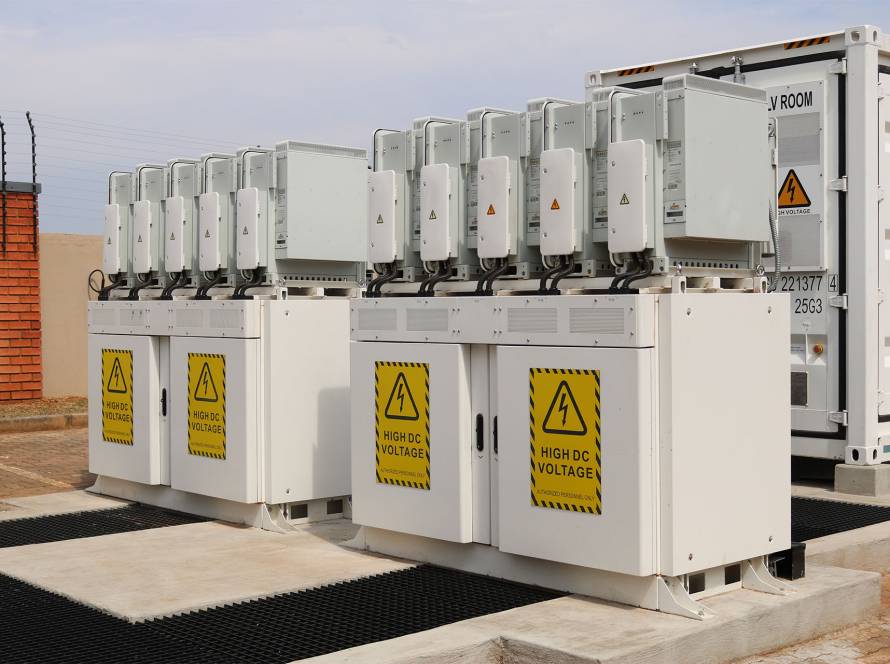
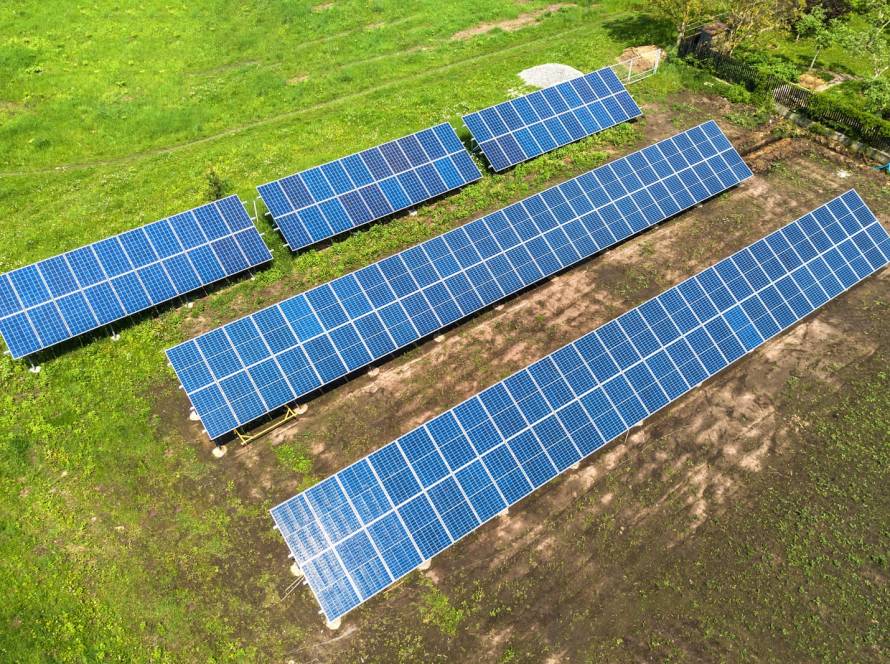
A commercial solar PV installation is not ready to operate as soon as the final panel, cable or inverter has been fitted. Solar commissioning is the structured process that confirms the system is safe, correctly installed, connected as intended and capable of producing electricity reliably. It turns a completed installation into an operational asset with a clear record of its condition at handover.
For South African businesses, this stage provides confidence that the system has been checked carefully before it begins supporting day-to-day operations. It also creates a useful reference point for maintenance, fault finding and future performance reviews.
Solar Commissioning Begins With a Detailed Site Inspection
Before technicians energise the system, they inspect the physical installation closely. They check that modules have no visible cracks, damage or loose fittings, and that the mounting structure is secure, aligned and suitable for the site conditions. The team also confirms that panels sit at the approved angle and orientation, with no unexpected shading from roof equipment, walls, vegetation or nearby structures. Even small obstructions can reduce output, so this inspection helps identify issues before they affect performance.
Solar commissioning also includes a careful review of cable routes, enclosures and equipment locations. Cables should have proper support, remain clear of sharp edges and hot surfaces, and show no signs of pinching, exposed conductors or insulation damage. Technicians check that inverters have adequate ventilation and that electrical boards, isolators and other components are accessible for safe operation and maintenance. A tidy, well-planned installation is easier to inspect, safer to work on and less likely to develop avoidable faults.
Key site-inspection checks include:
- The condition of modules, including cracks, broken glass, loose frames or visible damage.
- Secure rails, clamps, brackets, bolts and mounting components.
- Correct panel alignment, spacing, tilt and orientation against the approved design.
- Shading risks from nearby roof equipment, walls, vegetation or other obstructions.
- Supported cable routes that avoid sharp edges, standing water, heat sources and pinch points.
- Safe access to inverters, isolators, distribution boards and other electrical equipment.
These checks establish whether the installation reflects the approved design and whether it is ready for the next stage of testing. A fault in the mounting system, cable route or equipment placement may appear minor at first, but it can create safety concerns, restrict access or affect generation over time. Identifying those issues before energisation allows the installation team to correct them in a controlled manner.
A detailed inspection also makes future maintenance more straightforward. When equipment is positioned neatly, labelled clearly and accessible to qualified technicians, later inspections and fault finding can take place more safely and efficiently. The visual record created at this stage can also support the handover pack by showing the condition of key components when the system entered operation.
Checking Mechanical, Earthing and Electrical Readiness
The mounting system must do more than hold the panels in place. Installers need to confirm that rails, clamps, bolts and brackets are firmly secured, with no deformation, missing parts or loose connections. They should also verify that the array layout matches the approved design. This includes correct module spacing, consistent alignment and sufficient clearance around equipment where required. These checks help protect the installation against movement, damage and reduced generation over time.
Electrical readiness depends on correct earthing and bonding throughout the system. Metal mounting structures, inverter bodies, electrical enclosures and other conductive parts need secure connections to the earthing arrangement. This reduces the risk of electric shock and helps protective devices respond correctly if a fault occurs. Clear, durable labels on strings, isolators, breakers and distribution boards also matter, as they enable technicians to identify circuits quickly during maintenance or an emergency.
Solar Commissioning Uses Electrical Tests to Confirm Safety
Once the visual checks are complete, technicians carry out electrical tests before connecting the system fully. Solar commissioning commonly includes continuity tests to confirm that the required conductors and protective connections form an uninterrupted path. Polarity checks confirm that positive and negative DC conductors have been connected correctly. Reversed polarity can cause inverter faults and may damage equipment, making this a vital check before energisation.
Technicians also measure the open-circuit voltage of each PV string and compare the results with expected values from the system design. Similar strings should produce readings that are reasonably consistent under the same conditions. A zero, unusually low or inconsistent reading can indicate an open circuit, incorrect connection or another fault that needs attention. Insulation-resistance testing adds another layer of protection by helping identify damaged insulation or moisture-related problems that could lead to earth faults, shock hazards or reduced reliability.
Important electrical tests can include:
- Continuity testing of protective earthing and bonding connections.
- Polarity checks on DC strings before they connect to the inverter.
- Open-circuit voltage measurements for each string.
- Short-circuit current checks where required by the project testing process.
- Insulation-resistance testing to identify compromised cable insulation or moisture ingress.
- Functional checks of isolators, breakers and other protection devices.
Each test serves a distinct purpose, and the results should be recorded alongside the conditions under which technicians took the measurements. Comparing results across similar strings can reveal problems that would otherwise remain hidden, such as incorrect connections, damaged cables or a string that is not producing the expected electrical values. Technicians can then investigate and resolve the cause before it affects normal operation.
Electrical testing should never become a rushed box-ticking exercise. It gives the owner and installation team evidence that the system has been assessed methodically before full operation. By identifying faults at this stage, the project can avoid unnecessary equipment damage, reduce the risk of later downtime and create a more reliable foundation for performance testing and handover.
Measuring Whether the System Can Perform as Expected
Safe wiring does not automatically prove that every part of a solar installation will perform properly. Performance checks compare actual electrical behaviour with the system’s expected output under the conditions at the time of testing. More detailed testing can examine how individual strings respond to irradiance and temperature, helping technicians identify concerns such as shading, module mismatch, poor connections or failed components before they become larger operational problems.
Solar commissioning should also establish a clear baseline for future performance monitoring. The handover data records the system’s output, key equipment settings and test conditions when the installation starts operating. Without this baseline, gradual declines in generation can be difficult to spot. With it, the owner and maintenance team can compare future performance with the original condition and investigate meaningful changes earlier.
Performance verification may focus on:
- Comparing string readings with expected values under the available sunlight and temperature conditions.
- Identifying unusual differences between strings that should perform similarly.
- Checking for reduced output linked to shading, damaged modules or poor connections.
- Reviewing inverter operation and the conversion of DC electricity into AC power.
- Recording monitoring data, equipment settings and site conditions at handover.
- Creating a documented baseline for future performance assessments.
Output must always be assessed in context. Weather, irradiance and temperature influence how much electricity the system can produce at any particular time, so a single reading does not tell the whole story. Technicians need to compare measured results with what the system should reasonably achieve under those conditions, rather than relying on a simple assumption that maximum output will always be available.
The baseline created during this process becomes valuable as the system ages. It allows maintenance teams to distinguish between normal variation and a genuine reduction in performance. When the owner has accurate commissioning records, they can investigate potential concerns with clearer evidence and make better decisions about maintenance, repairs or system improvements.
Solar Commissioning Checks Inverters, Protection and Monitoring
The inverter converts the electricity produced by the PV array into usable AC power, so it requires both electrical and functional checks. Technicians confirm that it is securely installed, correctly configured and able to communicate with the monitoring platform. They test isolators, breakers and other protection devices, ensuring that the system can shut down safely when required. The inverter must also respond correctly to grid interruptions and should not continue exporting electricity when the network supply is unavailable.
Monitoring forms an important part of long-term system management. Solar commissioning connects the system so that authorised users can view energy production, identify alerts and review key operational information. This visibility helps businesses understand whether the system is producing as expected and gives maintenance teams a better starting point when an issue arises. Where the installation supports detailed string-level monitoring, underperforming sections can be identified more accurately than with whole-system data alone.
Documentation Is Part of the Final Handover
A thorough handover package supports the technical work completed on site. It should include as-built drawings that reflect the system actually installed, rather than only the original design. The package should also contain equipment information, string layouts, electrical test records, earthing details, operating instructions, warranties and maintenance requirements. These documents give the owner a reliable reference for future servicing, repairs, insurance queries and changes to the property.
The records should contain real measured values and test conditions, not only a pass-or-fail statement. This allows a qualified technician to understand how the system performed at handover and assess future changes with greater confidence. Clear documentation also supports an orderly transfer of knowledge between the installation team, facilities staff and maintenance provider. It is one of the most practical ways to protect the value of a commercial solar PV asset over its working life.
Ongoing Maintenance Builds on the Commissioning Baseline
After handover, regular operation and maintenance help protect system performance. This can include remote monitoring, routine visual inspections, panel cleaning when required, vegetation or site maintenance, checks on electrical equipment and timely fault response. The maintenance plan should match the system’s environment, size, operating conditions and criticality to the business. A site exposed to dust, coastal conditions or heavy operational activity may need more frequent attention than a less demanding location.
Solar commissioning provides the starting point for this ongoing work because it records what the system should achieve when it is operating correctly. Maintenance teams can use that information to investigate unexpected production drops, compare strings and confirm whether equipment remains within expected operating ranges. Regular checks reduce the chance that a small issue will remain unnoticed until it causes lost generation or more complex repairs.
A practical maintenance programme can include:
- Routine monitoring of energy production, alerts and equipment status.
- Scheduled visual inspections of modules, cables, inverters, mounting structures and enclosures.
- Panel cleaning where soiling affects production or site conditions make it necessary.
- Checks on earthing, protection equipment and electrical connections.
- Vegetation and site maintenance where applicable.
- A defined process for reporting faults, diagnosing causes and restoring performance.
Maintenance should use the handover information as a working reference rather than treating it as paperwork that is filed away. When a production drop occurs, technicians can compare current results with the original test data, system layout and equipment settings. This makes it easier to identify whether the issue relates to a particular string, component, environmental condition or broader system concern.
Consistent maintenance also supports safe access and dependable operation throughout the asset’s lifecycle. Regular physical checks can reveal loose fittings, damaged cables, corrosion, soiling or equipment wear before those issues become more disruptive. A structured approach allows the owner to preserve the value of the installation while helping the system continue to operate in line with its intended design.
How Can Eversolar Help With the Solar Commissioning Process?
At Eversolar, we support the solar commissioning process through structured maintenance services that protect solar PV and battery energy storage investments after handover. Our preventative maintenance includes scheduled site visits, component inspections and firmware updates, helping us check that equipment remains in sound operating condition and address concerns before they cause downtime. When faults occur, our corrective maintenance support helps diagnose and resolve issues so that system functionality can be restored. We also conduct hardware inspections of solar equipment, inverters, batteries and mounting structures to confirm that safety and performance requirements continue to be met. Where needed, we can repair, retrofit or expand existing infrastructure, including underperforming third-party systems, to support modern performance standards.
Our operational processes support solar commissioning from the earliest stages of project delivery through to formal handover. We validate assumptions, confirm scope and define data requirements before project initiation, then review technical design, budgets and risks across commercial and engineering teams. Before execution, we finalise contracts, confirm procurement strategy and approve the full project plan. Our four-point quality framework applies at every major milestone, covering technical verification, commercial compliance, project record approval and management sign-off. We then manage formal client sign-off, align the O&M team and approve full documentation before asset transfer, creating a controlled transition into ongoing operation and maintenance.
Building Confidence Before the System Starts Delivering
Solar commissioning gives a commercial PV system the careful final assessment it needs before normal operation begins. It combines physical inspection, electrical safety testing, performance checks, inverter verification, monitoring setup and complete documentation. Together, these steps help confirm that the installation is ready to generate electricity safely and reliably.
A well-commissioned system is easier to manage, maintain and assess over time. Contact Eversolar to discuss a commercial solar PV solution designed, installed, commissioned and supported around your business’s operational requirements.
FAQs
What is solar commissioning?
Solar commissioning is the structured process of checking that a completed solar PV system is safe, correctly installed, electrically sound and ready to operate. Qualified technicians inspect the physical installation, test cables, earthing, PV strings, inverters and protective devices, then confirm that monitoring and shutdown functions work as intended. They record results, equipment settings and as-built information for handover. Commissioning is more than a visual inspection because it produces evidence of the system’s condition and performance at the start of operation. This baseline helps owners manage maintenance, investigate faults and assess whether generation remains in line with expectations over time.
When does solar commissioning take place?
Solar commissioning takes place after installation work is substantially complete but before the system enters normal operation. The team first completes visual and mechanical checks, confirming that modules, mounting structures, cable routes, enclosures and labels meet the approved design. They then perform electrical safety tests, verify inverter and protection functions, and set up monitoring. Any faults, incomplete work or unexpected readings should be resolved before final handover. The exact duration depends on the size and complexity of the commercial installation, weather conditions, available sunlight and grid requirements. It should proceed methodically, rather than being rushed to meet a project deadline.
What tests are carried out during solar commissioning?
Solar commissioning commonly includes visual inspection, continuity testing, polarity checks, open-circuit voltage measurements, insulation-resistance testing and functional checks of inverters and protection equipment. Technicians inspect mounting structures, modules and cabling for damage, poor support, loose connections or unsafe placement. They verify earthing and bonding to reduce electrical risk. Performance checks may compare string readings with expected values under the site conditions and identify unusual differences between strings. They also test monitoring, shutdown and grid-response functions where relevant. The final scope should reflect the system design, applicable requirements and contractual acceptance criteria, with every result clearly recorded for the owner.
Why is solar commissioning important for commercial PV systems?
Commissioning provides the documented starting point for a solar PV system’s working life. It confirms that the installation was tested before handover and gives the owner records of the equipment, layout, settings and measured results. Those records can support planned maintenance, fault diagnosis, warranty discussions, insurance queries and future asset transfers. A baseline also makes gradual performance losses easier to identify, as technicians can compare current output and operational data against the original commissioning information. Without clear records, it can be difficult to establish whether a later concern arose from installation quality, equipment condition, environmental factors or normal operational change.
What happens after solar commissioning is complete?
After commissioning, businesses should follow an operation and maintenance programme suited to the site and system. This can include remote performance monitoring, scheduled inspections, checks of cables and electrical equipment, panel cleaning where necessary, vegetation management and prompt fault response. Maintenance teams should use commissioning records as a reference when investigating output changes or alerts. Regular attention helps identify loose fittings, damaged insulation, soiling, corrosion or equipment wear before these concerns affect generation. Owners should keep documentation current whenever repairs, upgrades or changes occur. Consistent maintenance protects safety, supports reliable output and helps preserve the long-term value of the installation.