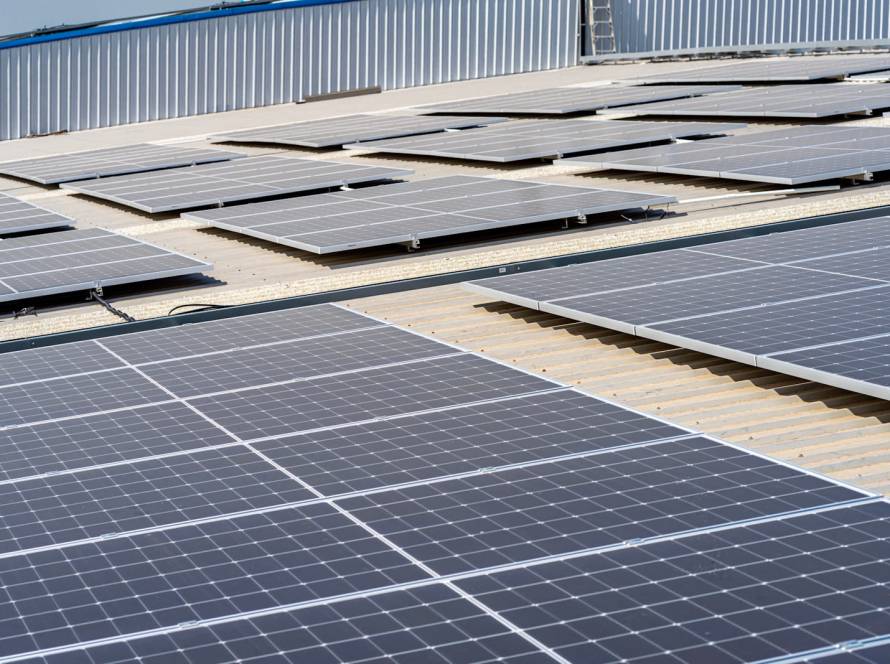
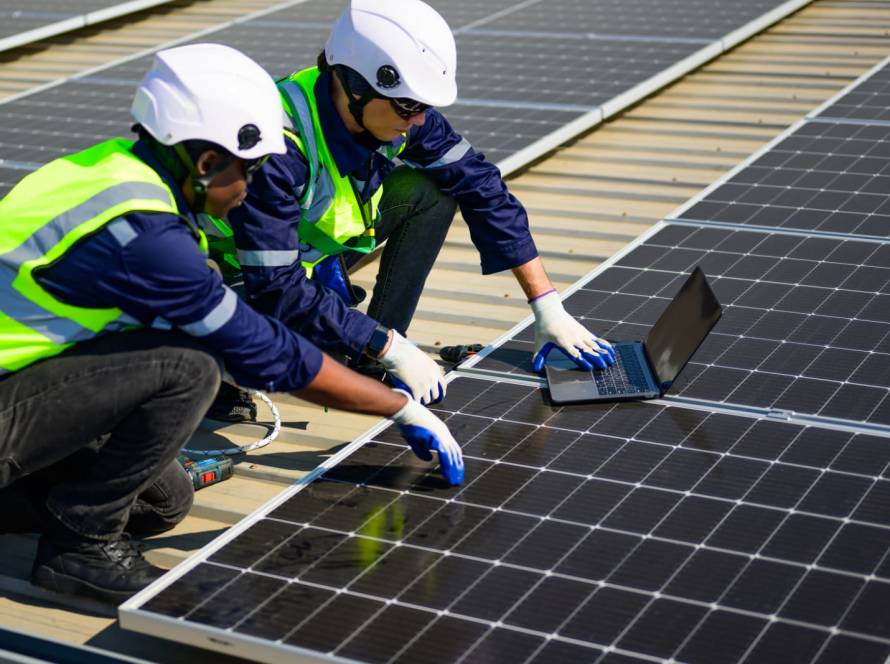
A large commercial solar project needs far more than a roof measurement and an estimate based on monthly electricity consumption. Warehouses, factories, office parks, farms and other major commercial sites each have their own physical, electrical and operational requirements. A detailed site visit gives the installation team a clear understanding of those conditions before they recommend a system design, installation plan or scope of work.
It turns assumptions into practical decisions, helping the business move forward with greater clarity and fewer avoidable surprises. By examining the site before preparing the proposal, the project team can recommend an approach that reflects the property’s physical conditions, electricity needs, operational requirements and long-term objectives.
1. Large Commercial Solar Project Site Visits Confirm Whether the Building Is Suitable
A site visit establishes whether the building can safely and effectively support solar panels. The team assesses the roof’s construction, condition, orientation, available surface area and the presence of features such as rooflights, vents, drainage points, air-conditioning equipment and existing plant. These details determine how much usable space remains once access routes and safety clearances have been considered. A large roof does not automatically offer a suitable solar opportunity if its layout, condition or operational equipment limits the available installation area.
Structural suitability also needs careful attention. Solar panels, mounting equipment and wind forces place additional loads on a roof, so the team must understand the building’s construction before finalising a design. For a large commercial solar project, a site visit can also reveal whether another approach would suit the property better, such as ground-mounted panels, solar carports or a phased installation. This keeps the project focused on a practical, site-specific solution rather than trying to force the maximum number of panels onto the roof.
- Roof material, construction and general condition
- Available roof area after access routes and exclusions
- Roof orientation, usable sections and physical obstructions
- Structural considerations and areas needing further review
- Alternative opportunities such as ground-mounted arrays, carports or phased delivery
These findings help the project team develop a layout that fits the site rather than relying on a standard panel count. They can recommend a design that respects the building’s limitations while still making meaningful use of the available solar opportunity. This approach supports better planning from the earliest stage of the project.
A clear understanding of the building also helps the business make decisions with more confidence. Instead of progressing with broad assumptions, stakeholders can see which areas suit the installation, which constraints require attention and which options may provide the strongest long-term result. That clarity can make later approvals and technical discussions easier to manage.
2. Large Commercial Solar Project Assessments Identify Shading and Generation Risks
Shade can have a significant effect on solar production, particularly where it reaches panels at key times of day. During a site visit, the team identifies potential obstacles such as nearby buildings, trees, water tanks, chimneys, ventilation structures and utility infrastructure. They consider how these features may affect sunlight across different seasons, rather than relying only on satellite images or a single photograph of the site.
A proper assessment also reviews roof direction, tilt and the spacing required between panel rows or roof sections. These factors influence expected energy generation and help shape a layout that supports consistent performance. When planning a large commercial solar project, early shading analysis helps avoid designs that look efficient on paper but fail to deliver the anticipated output once the system operates on site.
- Trees, neighbouring buildings and utility infrastructure
- Chimneys, vents, tanks and roof-mounted equipment
- Seasonal changes in the position and length of shadows
- Roof direction, tilt and spacing between proposed arrays
- Future site changes that could affect solar access
Once the team understands the shading environment, they can position panels more purposefully and exclude areas where reduced output would weaken the project’s value. In some cases, using less roof space can produce a more effective result if it avoids regular shade and supports more consistent generation.
This assessment also helps businesses protect system performance over the long term. By documenting the existing site environment and discussing foreseeable changes, stakeholders can consider practical steps that support continued access to sunlight. It creates a stronger basis for operating expectations and future site planning.
3. Large Commercial Solar Project Planning Starts With Real Electricity Use
Electricity bills provide useful information, but they do not always show how a business consumes power during the day. A site visit creates an opportunity to discuss operating hours, shift patterns, seasonal changes, high-demand periods and major electrical loads. Equipment such as refrigeration, manufacturing machinery, pumps, compressors, ventilation systems and charging infrastructure can materially shape the design. The team can also ask about planned expansion, new equipment or changes to how the facility will operate.
This information helps match solar generation to on-site demand. A system should support the way the business uses electricity, rather than simply fill every available square metre of roof space. For a large commercial solar project, understanding the load profile can also establish whether energy storage may have a useful role in managing daytime generation, later consumption or peak demand. The outcome is a more purposeful design that reflects current needs while allowing for sensible future growth.
4. The Electrical Infrastructure Must Support the Proposed System
A commercial solar system connects to a live electrical environment, so the existing infrastructure needs close inspection. The site visit should examine the main distribution board, metering arrangements, electrical rooms, available capacity, cable routes, earthing and the condition of relevant equipment. These findings influence where the inverter equipment can sit, how cables can move through the site and what work may be needed to integrate the system safely.
The team also needs to understand the site’s supply arrangement and any requirements around exporting energy to the grid. Grid connection processes, approvals and technical limitations can affect the final system configuration and installation programme. Addressing these matters during the survey makes a large commercial solar project easier to plan and helps ensure that the proposal reflects the electrical reality of the site rather than broad assumptions.
5. A Site Visit Helps Plan Safe Installation With Less Disruption
Commercial solar installation takes place around a functioning business, not an empty building. A site visit allows the project team to plan roof access, lifting arrangements, material storage, cable routes and working-at-height controls before work begins. At industrial, agricultural and logistics sites, they should also account for vehicle movements, loading zones, production areas, restricted spaces and any times when certain work cannot take place.
These practical details affect how smoothly the installation can proceed. The team can identify the safest routes for people and equipment, establish where temporary controls may be needed and plan activities around operational priorities. For a large commercial solar project, this preparation helps protect staff, contractors, equipment and business continuity throughout the installation process.
- Roof access, working-at-height requirements and safe routes
- Lifting arrangements and locations for storing materials
- Vehicle movements, loading zones and operational restrictions
- Cable routes, equipment placement and segregation controls
- Suitable working hours and coordination with site teams
This early planning helps minimise avoidable disruption once work begins. The team can sequence activities in a way that respects the site’s priorities and keeps key areas operational where possible. It also allows the business to prepare staff and internal teams for the activities taking place on the premises.
A well-planned installation supports clearer communication between the project team and the business. Everyone can understand when work will happen, which areas may be affected and what controls will apply. That shared understanding helps the installation progress in a more controlled and efficient manner.
6. Compliance and Documentation Need Attention Before Work Starts
A commercial solar installation may require several approvals and checks before the project can progress. Depending on the property and proposed system, this can include landlord consent, building requirements, planning considerations, grid-related approvals and site-specific safety procedures. A site visit helps identify these requirements while there is still time to manage them properly within the project plan.
The survey should also shape the final handover requirements. A well-managed large commercial solar project needs clear commissioning information, operating guidance, maintenance records and documentation that explains what has been installed. Proper documentation supports ongoing management of the asset, assists future maintenance and gives the business a reliable record for internal teams and future stakeholders.
7. Better Site Knowledge Produces a More Reliable Proposal
A quote should reflect the actual property, not a collection of guesses. Site visits bring together the structural findings, shading observations, electricity-use information, electrical assessment, access planning and compliance requirements that shape the final proposal. This allows the proposed system size, generation estimates, installation approach and exclusions to rest on evidence gathered at the business premises.
A thorough proposal should also explain the assumptions behind the design and highlight any items that require further confirmation. That gives decision-makers a stronger basis for comparing options and asking useful questions. When the design of a large commercial solar project starts with a detailed survey, the business can assess the opportunity with greater confidence and make decisions that support long-term performance.
- Proposed system size and indicative generation
- Design assumptions and known site constraints
- How the system relates to on-site electricity use
- Electrical, grid-related and approval requirements
- Installation approach, project stages and handover information
These details allow decision-makers to compare proposals on a more meaningful basis. A lower-level estimate may not account for the same site conditions, access requirements or electrical work as a properly developed proposal. Reviewing the scope carefully helps the business understand what each approach genuinely includes.
The proposal should also support productive conversations before the project proceeds. Stakeholders can use it to confirm priorities, raise practical questions and agree on the information or approvals still needed. This creates a clearer path toward a system that fits the site and the organisation’s long-term operational needs.
Where to Find Commercial Solar Installers Experienced With Large-Scale Projects in South Africa
Eversolar is a commercial solar installer experienced with large-scale projects in South Africa. We deliver integrated Solar PV, Battery Energy Storage Systems, and full EPC project delivery for offices, factories, warehouses and retail facilities. Our Solar PV systems can be configured as grid-tied, hybrid or off-grid solutions according to a business’s operational requirements. Grid-tied systems can offset on-site electricity consumption while maintaining grid access, while hybrid systems combine Solar PV with battery storage to support energy management and continuity during outages. For remote or energy-intensive facilities, off-grid systems can provide independent power and reduce reliance on diesel or backup generators.
We can integrate these solutions into a large-scale solar project through precision engineering, premium components and end-to-end project management. Our BESS solutions allow businesses to store excess solar energy, increase self-consumption and optimise when they use available power. We also provide flexible financing through Power Purchase Agreements and Rent-to-Own Solar, alongside remote performance monitoring, preventative maintenance, technical assistance and ongoing system optimisation. This combination supports safe integration with existing infrastructure while giving commercial organisations an energy strategy that can scale as operations expand.
- Grid-tied Solar PV systems for offsetting on-site electricity use
- Hybrid Solar PV and BESS systems for managed energy use and continuity
- Off-grid systems for remote or energy-intensive commercial facilities
- Full EPC project delivery for coordinated implementation
- Remote monitoring, preventative maintenance and ongoing optimisation
- Power Purchase Agreement and Rent-to-Own Solar financing options
Each solution can form part of a large-scale solar project, depending on how the business operates and what it needs from its energy infrastructure. Grid-tied systems can support businesses focused on solar self-consumption, while hybrid systems can incorporate stored energy for greater flexibility. Off-grid configurations may suit facilities that require independent power, particularly where grid dependence creates operational constraints.
Our end-to-end approach also helps ensure that the project receives continued attention beyond installation. We support commercial clients through project delivery, system monitoring, preventative maintenance and technical assistance, allowing the energy system to remain aligned with changing operational needs. As a business expands, the energy strategy can scale alongside it.
Plan Your Commercial Solar Project Around Your Actual Site
A large commercial solar project delivers its best results when the design reflects the building, electricity demand, electrical infrastructure and daily realities of the business. A professional site visit creates the foundation for that work, helping ensure that the proposed system suits the property and supports safe, efficient delivery.
Get in touch with Eversolar to arrange a site assessment and discuss a commercial solar solution designed around your operational requirements. Our team can help you assess the practical opportunities at your premises and plan an integrated energy solution that supports safe delivery, reliable performance and future business growth.
FAQs
Why is a site visit important before quoting on a large commercial solar project?
A site visit allows the installer to assess the real conditions that will shape a large commercial solar project. Electricity bills and aerial images provide helpful starting information, but they cannot confirm roof condition, structural suitability, shading, electrical capacity, access routes or equipment locations. During the visit, the team can understand how the business operates, where it uses the most electricity and which practical issues may affect installation. This leads to a proposal based on the actual site rather than assumptions. It also helps identify constraints early, allowing the business and installer to plan a safer, more suitable and better-managed solar installation.
What does an installer inspect during a commercial solar site visit?
During a commercial solar site visit, the installer inspects the building, roof and electrical infrastructure that will support the system. This usually includes roof material, condition, orientation, usable area, roof-mounted equipment, drainage and access points. The team also looks for shading from trees, neighbouring buildings, chimneys, tanks and ventilation structures. Electrical checks may cover the main distribution board, metering, available capacity, earthing and possible cable routes. The visit also considers operational factors such as loading zones, vehicle movements, restricted areas and working hours. Together, these findings help create a design and installation plan that suits the site’s conditions.
How does a site visit help reduce disruption during installation?
A site visit allows the project team to plan installation work around the daily activities of the business. They can identify safe roof access points, lifting requirements, material-storage areas, cable routes and spaces that must remain clear. At warehouses, factories and similar sites, the survey may also consider vehicle movements, loading schedules, production areas and restricted operational periods. This preparation helps the installer organise work in a way that supports safety and reduces unnecessary interference with staff, equipment and customers. By confirming these practical details before the project begins, the business receives a more realistic installation approach and can prepare internal teams for the work ahead.
What should a commercial solar proposal include after the site visit?
A well-prepared proposal should explain how the recommended system suits the building, electricity use and operational requirements of the business. It should set out the proposed system size, expected generation, key design assumptions and any known limitations identified during the site visit. It should also outline the relationship between solar generation and on-site electricity demand, along with any battery-storage considerations. The proposal should clarify electrical, grid-related or approval requirements, installation planning and the expected handover documentation. This gives decision-makers a clearer basis for assessing the project and comparing options, while ensuring important site conditions are not overlooked during planning.
When should a business arrange a site visit for a large commercial solar project?
A business should arrange a site visit before it relies on a final solar proposal or commits to a system design. Early engagement gives the installer time to assess the property, review electricity requirements and identify any roof, electrical, access or approval considerations. It is particularly helpful when the business plans operational changes, equipment upgrades, additional shifts or expansion, as these factors can affect the most suitable design. A site visit should also involve relevant property, facilities and operational stakeholders where possible. Their input helps the project team understand site requirements and develop a large commercial solar project that supports both present operations and future plans.