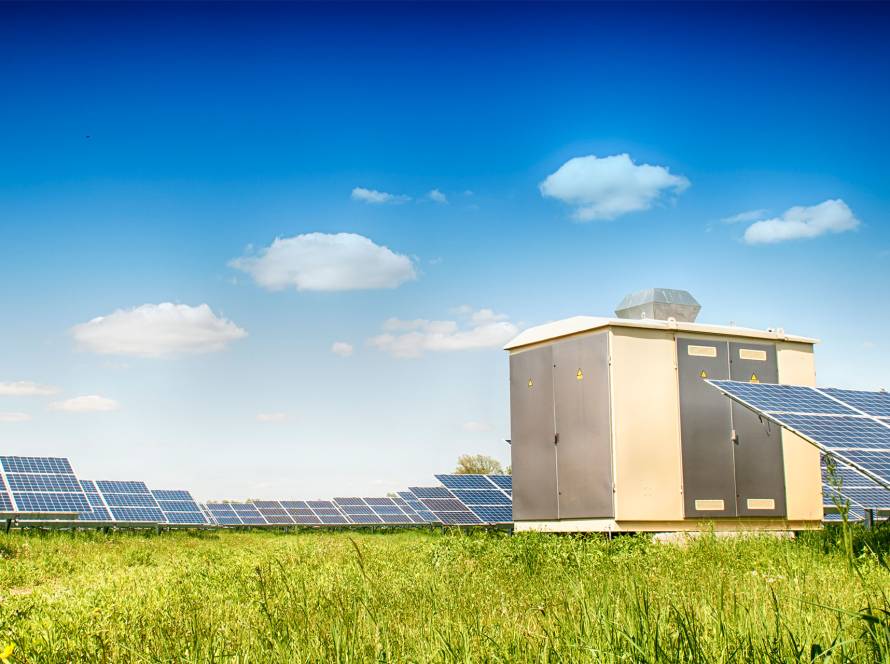
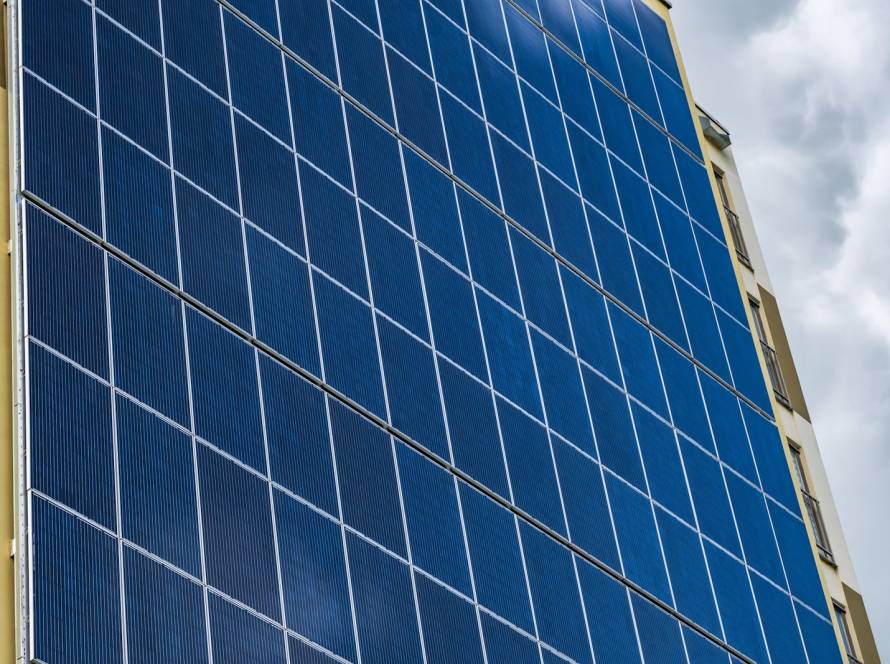
Commercial solar solutions can reduce electricity costs, improve energy security, and support long-term sustainability goals. But the real value of solar is not unlocked on installation day alone. It is built over years of consistent performance, proper monitoring, and regular technical care.
Most commercial solar panels are designed to operate for 25 years or more, and many systems can keep generating power beyond that. However, performance can drop when dirt, damaged wiring, inverter faults, poor connectivity, weak monitoring, or battery degradation are ignored. A good maintenance plan protects output, safety, compliance, and return on investment.
1. Preventative Maintenance for Commercial Solar Solutions
Preventative maintenance is the planned technical care that keeps commercial solar solutions working before major problems appear. It includes scheduled site visits, component inspections, firmware updates, safety checks, and performance reviews. Rather than waiting for a breakdown, it helps identify early warning signs while they are still easier and cheaper to fix.
This is important because solar systems are long-term assets. A small issue, such as a loose cable, corrosion, shading, water ingress, or an inverter warning, can reduce output over time. If it is not addressed, it can lead to downtime, safety risks, and unnecessary repair costs.
Look for:
- Scheduled preventative maintenance visits
- Inspection of panels, inverters, batteries, cabling, and mountings
- Firmware and system updates
- Safety and compliance checks
- Written reports after each visit
- Clear follow-up actions and technical recommendations
- Evidence of work completed and faults resolved
A strong maintenance provider should follow a structured checklist rather than relying on a quick visual inspection. The process should include both physical asset checks and performance data review, so the provider can compare what the system is producing against what it should be producing.
Preventative maintenance is also linked to long-term return on investment. Since many commercial systems are expected to operate for 25 to 30 years, regular upkeep can extend equipment life, reduce the chance of emergency callouts, and help the system deliver stable savings over its full operational lifespan.
2. Remote Performance Monitoring
Remote performance monitoring allows technicians to track how a solar system is performing without being physically present on-site every day. It helps detect drops in energy production, inverter warnings, battery issues, communication failures, and unusual performance patterns.
This matters because solar underperformance is not always obvious. A system can look fine from the ground while quietly producing less electricity than expected. If no one is monitoring performance, a business could lose weeks or months of savings before the issue is noticed.
Look for:
- Regular monitoring of system output
- Alerts for underperformance or faults
- Inverter and battery performance checks
- Energy yield comparisons against expected generation
- Monitoring portal connectivity checks
- Clear escalation procedures
- Regular performance summaries or reports
Remote monitoring should be active, not passive. It is not enough to have a dashboard that no one checks. A proper service should include trained technicians who understand the data, investigate anomalies, and arrange corrective action when needed.
Stable communication is also important. If a monitoring platform loses internet or GSM connectivity, faults may go undetected. A good provider should check that monitoring systems are communicating properly and that alerts are being received, reviewed, and acted on.
3. Corrective Maintenance and Fault Response
Corrective maintenance is the response service that fixes problems once they have been detected. This may include inverter faults, damaged wiring, cracked panels, battery errors, failed isolators, monitoring issues, or communication failures.
Fast fault response is essential for commercial sites. When a solar system is down or underperforming, the business may need to draw more electricity from the grid. This can increase energy costs and reduce the savings that made the solar investment attractive in the first place.
Look for:
- Fast fault diagnosis
- On-site technical support
- Electrical repair capability
- Inverter troubleshooting
- Panel replacement support
- Battery fault support
- Clear service response times
- Root cause analysis after major faults
A reliable provider should be able to deal with both simple and complex technical problems. This means understanding the full system, including panels, inverters, batteries, wiring, monitoring, mounting structures, and grid connection points.
Corrective maintenance should not only restore the system. It should also explain why the fault happened and how to reduce the chance of it happening again. This turns each repair into a learning point that improves long-term system reliability.
4. Solar Panel Cleaning and Physical Inspections
Solar panels are exposed to dust, bird droppings, leaves, pollen, pollution, and weather. In some conditions, dirt and debris can reduce solar output by up to 10%. Sites near farms, dusty roads, factories, coastal areas, or busy urban environments may need cleaning more often than cleaner, low-dust locations.
Cleaning is not only about appearance. Solar panels need direct sunlight to perform well, and anything that blocks the panel surface can reduce generation. Regular cleaning helps protect energy yield and keeps the system closer to its expected performance.
Look for:
- Dirt, dust, and debris removal
- Bird dropping removal
- Shading checks from trees or structures
- Crack and scratch inspections
- Hotspot checks
- Roof and mounting structure reviews
- Recommendations on future cleaning frequency
Physical inspections should be done alongside cleaning. Technicians should check for cracked panels, loose fixings, corrosion, water ingress, damaged roof areas, and signs of movement in mounting structures.
This is especially important for large commercial solar solutions where small losses across many panels can become meaningful. A few dirty or damaged sections may seem minor, but across a large array, poor cleaning and inspection routines can reduce annual savings and increase long-term maintenance risk.
5. Inverter and Electrical System Checks
Inverters are central to solar system performance because they convert electricity from the panels into usable power for the site. Panels may operate for 25 years or more, but inverters often need closer attention and may require servicing or replacement earlier in the system lifecycle.
The wider electrical system is just as important. Damaged cables, loose connectors, faulty isolators, overheating, poor earthing, or worn protection equipment can reduce output and create safety risks.
Look for:
- Inverter performance testing
- Inverter error code reviews
- Cable and connector inspections
- Fuse and isolator checks
- Junction box inspections
- Surge protection checks
- Earthing and safety checks
- Electrical compliance reviews
A good provider should understand how each electrical component affects the system as a whole. Solar performance depends on much more than the panels on the roof.
Regular inverter and electrical inspections also support compliance and insurance requirements. Many businesses need to demonstrate that electrical infrastructure is safe and properly maintained. Clear records, test results, and maintenance reports help support that process.
6. Battery Energy Storage System Maintenance
Battery Energy Storage Systems are becoming a major part of commercial solar solutions. They help businesses store excess solar power, reduce peak demand, improve energy resilience, and support operations during outages or unstable grid conditions.
Batteries need specialist care because their performance can degrade over time. Poor temperature control, ventilation issues, unbalanced charging, software problems, or ignored warning signs can reduce storage capacity and affect safety.
Look for:
- Battery performance checks
- Temperature and ventilation checks
- Charge and discharge monitoring
- Capacity testing
- Firmware updates
- Safety inspections
- Fault diagnosis and reporting
- Battery management system checks
Battery maintenance should be handled by technicians who understand both solar PV and energy storage. A BESS is not just an extra component. For many businesses, it is a key part of energy security and cost management.
This is particularly important for sites using storage to manage peak tariffs, reduce grid dependence, or keep critical loads running. Proper battery care helps preserve usable capacity, supports operational continuity, and improves the long-term value of the overall energy system.
7. System Optimisation, Upgrades, and Expansion Support
A solar system should not be treated as fixed forever. Business energy needs can change as operations grow, new machinery is added, production increases, tenants change, or battery storage becomes more important.
System optimisation helps the solar asset keep matching the site’s real energy profile. It may involve performance reviews, system tuning, component upgrades, improved monitoring, battery integration, or expansion planning.
Look for:
- Energy yield reviews
- Performance optimisation recommendations
- Upgrade planning
- Battery integration support
- Capacity expansion planning
- Retrofitting of older systems
- Support for underperforming installations
- Updated designs based on current energy use
This service is valuable because commercial energy use is rarely static. A system designed for one load profile may need adjustment if the business changes how and when it uses electricity.
Over a 20 to 30-year operating life, upgrades may be needed to maintain strong performance. This is where maintenance becomes long-term asset management. The right partner should not only repair faults, but also help improve the system as the business evolves.
Commercial Solar Solutions With Maintenance Service Packages Near Me
At Eversolar, we provide full-service commercial solar solutions for agriculture, mining, commercial property, industrial operations, property developers, and REIT portfolios. These sectors often depend on reliable, high-volume energy for irrigation, cold storage, manufacturing, tenant services, remote sites, logistics, and daily operational continuity.
Our approach covers the full project lifecycle, from feasibility studies, engineering, procurement, installation, grid connection, commissioning, and handover through to ongoing support. We engineer systems around site-specific load profiles, operational constraints, future growth, and sustainability targets, so each solution is practical as well as technically sound.
We also provide maintenance services after commissioning, including remote performance monitoring, preventative maintenance, corrective maintenance, hardware inspections, performance optimisation, BESS integration, system upgrades, and rapid technical support. Our flexible finance options, including Power Purchase Agreements and Rent-to-Own models, can include operations and maintenance, giving businesses predictable costs and long-term support without unnecessary pressure on capital budgets.
Keeping Your Solar Investment Working Harder for Longer
Commercial solar solutions are long-term energy assets, and their value depends on how well they are maintained. A complete maintenance package should include preventative care, remote monitoring, fault response, cleaning, physical inspections, inverter checks, battery maintenance, optimisation, and upgrade support.
Good maintenance helps businesses avoid hidden underperformance, reduce emergency repairs, improve safety, and protect expected savings. It also supports better planning, because the business has clearer insight into how the system is performing and what may need attention in future.
If your business needs a solar partner that can design, finance, build, monitor, maintain, and improve a system over its full lifecycle, get in touch with Eversolar. We can help create a reliable energy solution that supports your operations today and keeps delivering value for years to come.
FAQs About Commercial Solar Solutions
How Often Should Commercial Solar Panels Be Serviced?
Commercial solar panels should usually be serviced at least once or twice a year, depending on the site, system size, and local conditions. Dusty, coastal, agricultural, or industrial environments may need more frequent inspections and cleaning. A good service visit should include panel checks, inverter checks, wiring inspections, mounting structure reviews, safety testing, and performance analysis. Remote monitoring should run continuously between visits to detect faults early. Regular servicing helps prevent energy losses, reduce downtime, protect warranties, and extend the life of commercial solar solutions.
What Is Included in Solar Maintenance Services?
Solar maintenance services typically include preventative inspections, panel cleaning, inverter checks, electrical testing, monitoring reviews, fault diagnosis, and performance reporting. For systems with batteries, maintenance should also include battery health checks, temperature checks, firmware updates, and charge-discharge monitoring. A strong maintenance package should cover both remote monitoring and hands-on site work. It should also provide clear reports with findings, risks, and recommended actions. The goal is to keep the system safe, compliant, efficient, and reliable while protecting the long-term return on investment.
Do Commercial Solar Panels Need Cleaning?
Yes, commercial solar panels do need cleaning, although the frequency depends on the site. Rain can help remove some dust, but it will not always clear bird droppings, sticky dirt, pollution, leaves, or heavy soiling. Dirty panels can reduce energy production, especially on farms, factories, coastal sites, and properties near busy roads. Cleaning should be done safely using suitable methods that do not damage the panels. It is best combined with a physical inspection to check for cracks, corrosion, loose fixings, shading, and other issues.
Why Is Remote Monitoring Important for Commercial Solar Systems?
Remote monitoring is important because it helps detect performance issues quickly. Without monitoring, a commercial solar system may underperform for weeks before anyone notices. Monitoring can flag inverter faults, communication failures, battery issues, and unexpected drops in generation. This allows technicians to investigate and respond before the problem becomes costly. However, monitoring only works well when someone actively reviews the data and takes action. It should be part of a wider maintenance plan that includes site inspections, technical support, reporting, and corrective maintenance.
How Long Do Commercial Solar Systems Last With Proper Maintenance?
Commercial solar systems can often operate for 25 years or more when they are properly maintained. Solar panels are usually the longest-lasting components, while inverters, batteries, cabling, and monitoring equipment may need servicing, upgrades, or replacement sooner. Regular maintenance helps slow performance losses, identify faults early, and keep the system working safely. Over time, businesses may also need optimisation or expansion as energy needs change. Good maintenance turns solar from a once-off installation into a managed long-term energy asset.
Are Solar Maintenance Services Worth It for Businesses?
Yes, solar maintenance services are worth it because they protect energy savings, reduce downtime, and help avoid costly emergency repairs. A commercial solar system is a long-term investment, and even small performance losses can affect returns over many years. Maintenance also supports safety, compliance, warranty management, and asset longevity. For businesses that rely on stable power, such as farms, factories, retail centres, and industrial sites, proactive care is especially valuable. The right maintenance service helps commercial solar solutions keep delivering reliable value.