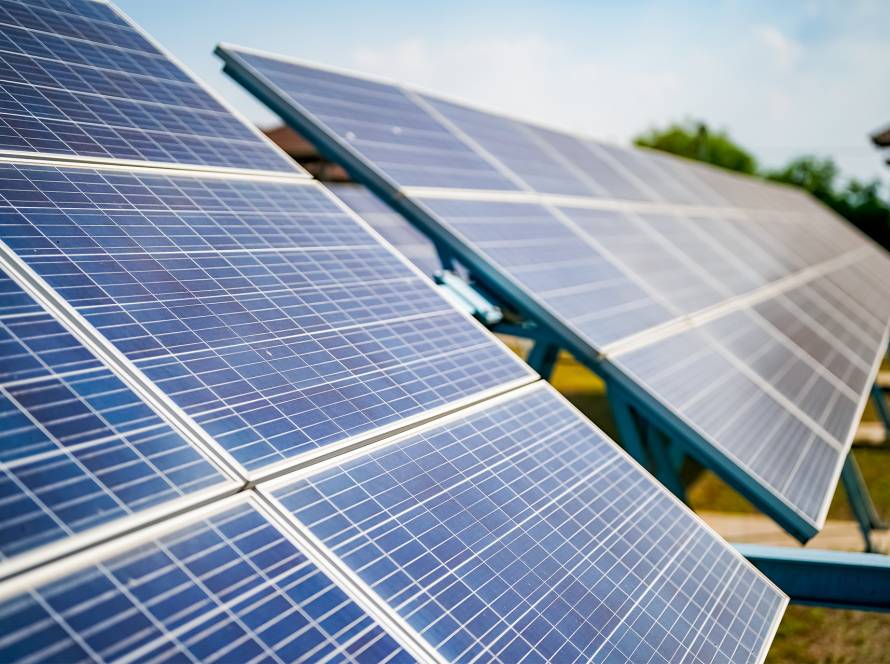
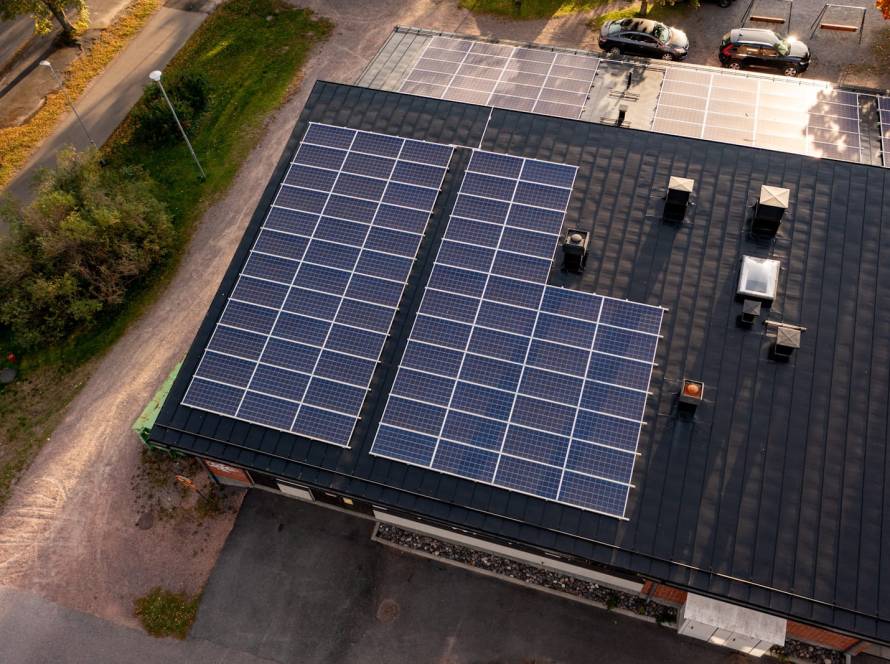
A solar mining rig is becoming a smart option for mining operations that need reliable power without relying fully on diesel or unstable grid supply. Mines need electricity for drilling, blasting, ventilation, pumping, crushing, lighting, safety systems, communications, and processing. When power drops, production can stop almost instantly.
Solar is no longer only about sustainability. It is now a practical cost-control tool. Global solar PV capacity passed 2,260 GW by the end of 2024, and solar remains one of the fastest-growing power sources worldwide. For mining sites with open land, high daytime demand, and strong solar resources, this creates a real opportunity to cut energy risk and reduce operating costs.
1. Use a Solar Mining Rig to Cut Diesel Dependence
Diesel generation is useful because it is familiar, mobile, and suitable for remote locations. The downside is that it ties mining costs to fuel prices, delivery schedules, servicing, oil changes, filters, belts, and generator wear. In remote areas, every fuel delivery also adds transport risk, road wear, emissions, and extra admin.
A solar mining rig reduces this pressure by supplying part of the site’s daytime load from on-site renewable power. Diesel generators can still support night-time demand, peak loads, or backup needs, but they no longer have to carry the full energy burden all day.
Practical Ways to Reduce Diesel Use
- Use Solar PV to cover daytime loads such as pumping, crushing, lighting, and site offices.
- Keep diesel generators for backup, peak demand, and low-solar periods.
- Add BESS to store excess solar power for later use.
- Use remote monitoring to track generator runtime and solar output.
- Plan fuel logistics around lower diesel demand instead of constant refuelling.
This approach can reduce fuel consumption, maintenance hours, noise, and emissions. It also gives mine managers better cost visibility because solar energy is not exposed to the same daily fuel-price changes as diesel.
2. Pair Solar PV With BESS for Continuous Power
Solar PV becomes much more useful for mining when paired with a Battery Energy Storage System. BESS stores excess solar energy and releases it when the site needs it most, such as during outages, peak tariff periods, or lower solar production. This is especially valuable in South Africa, where grid instability remains a major concern for energy-heavy operations.
Battery storage also improves power quality by helping regulate voltage and frequency. That matters on mining sites because sudden power fluctuations can affect sensitive equipment, interrupt control systems, and create avoidable downtime.
Practical Ways to Use BESS on Mining Sites
- Store solar energy during high-generation periods.
- Discharge stored energy during peak demand.
- Provide backup power during outages and load disruptions.
- Support critical systems such as ventilation, pumps, security, and communications.
- Improve solar self-consumption instead of wasting excess generation.
For a solar mining rig, BESS is the difference between using solar only when the sun shines and using solar as part of a more resilient energy system. It helps mines keep essential systems running while reducing dependence on diesel and grid power.
3. Build Hybrid and Microgrid Systems for Remote Sites
Many mines operate far from strong grid infrastructure. In these locations, a hybrid system can combine Solar PV, BESS, diesel backup, and microgrid controls to create a more stable and flexible power setup. The goal is not just to generate energy, but to match supply with the site’s real operating pattern.
A microgrid can help manage different loads across the site, from heavy machinery to lighting, battery charging, communications, and processing equipment. It can also be scaled as production grows, which is useful for mines that expand over time.
Practical Ways to Build Energy Independence
- Start with a detailed load profile of the mine.
- Design Solar PV around actual daytime demand.
- Size BESS for backup, peak shaving, and critical loads.
- Use diesel backup only where it adds resilience.
- Build the system so it can expand with production.
A hybrid solar mining rig gives operators more control. Instead of depending on one energy source, the mine can use the cheapest and most reliable source available at each point in the day.
4. Power Critical Site Infrastructure More Efficiently
Solar does not only support large production loads. It can also power important site infrastructure such as mobile light towers, radio repeaters, surveillance cameras, remote monitoring units, gatehouses, workshops, and communications equipment. These systems are often spread across large, remote sites where diesel refuelling is inconvenient.
Solar-powered support infrastructure can reduce maintenance while improving safety. For example, LED lighting can last tens of thousands of hours, and solar-powered lighting trailers can reduce the need for fuel deliveries, bulb changes, and generator servicing.
Practical Infrastructure to Power With Solar
- Mobile light towers for night work and safety.
- Surveillance cameras and access control.
- Radio repeaters and communications trailers.
- Battery-backed monitoring stations.
- Remote offices, workshops, and security posts.
This is often a quick win for mines. Smaller solar systems can be deployed around the site to reduce generator use, improve visibility, and keep communications running without constant manual intervention.
5. Reduce Long-Term Operating Costs Through Smart EPC Design
A mining solar project needs proper engineering. Mines have complex load profiles, high start-up currents, heavy machinery, and critical safety systems. A basic solar installation is not enough. The system must be designed around voltage stability, demand spikes, site layout, grid connection, off-grid requirements, and future expansion.
Full EPC delivery helps reduce project risk because one team manages feasibility, design, procurement, construction, commissioning, and handover. This creates better accountability and helps avoid fragmented projects where separate contractors work without one clear technical plan.
Practical EPC Steps for Mining Solar
- Complete a detailed site and energy assessment.
- Model energy yield and expected savings.
- Match equipment to site conditions and load requirements.
- Plan logistics carefully for remote locations.
- Include testing, commissioning, documentation, and maintenance planning.
A well-designed solar mining rig can lower energy costs over its lifecycle, not just at installation. The best results come from combining strong design, quality components, safe construction, monitoring, and ongoing maintenance.
How Do Commercial Solar Solutions From Eversolar Compare to Other Local Providers?
At Eversolar, we deliver full-service renewable energy solutions for mining, commercial, industrial, agricultural, property, and REIT clients. Our services include Solar PV systems, BESS, turnkey EPC delivery, solar carports, wheeling, off-grid systems, microgrids, solar operations, and solar maintenance. That means we support the full project lifecycle, from early feasibility and design to commissioning, monitoring, upkeep, and optimisation.
What makes our approach stand out is the way we combine technical depth with practical delivery. Every project is built around site-specific load profiles, operational constraints, safety standards, and long-term asset value. We also offer flexible funding options, including Power Purchase Agreements and Rent-To-Own Solar, so businesses can adopt renewable energy without placing unnecessary pressure on capital budgets.
Our ongoing support is a major advantage. We provide remote monitoring, preventative maintenance, corrective maintenance, hardware inspections, BESS support, system upgrades, and rapid technical response. For mining clients, that means stronger uptime, reduced diesel dependence, better energy security, and a long-term partner focused on keeping the system reliable after installation.
Safe and Practical Energy for Mines
A solar mining rig can help mines reduce diesel consumption, lower energy costs, improve uptime, and build a more resilient power system. The strongest results come when Solar PV is combined with BESS, hybrid design, microgrid planning, proper EPC delivery, and structured maintenance.
Mining operations need power systems that are built for safety, scale, and continuous output. At Eversolar, we design and deliver practical renewable energy infrastructure for demanding sites. Get in touch with us to explore how we can help your mining operation reduce energy risk and move towards a cleaner, more reliable power future.
FAQs About Solar Mining Rig
What Is a Solar Mining Rig?
A solar mining rig is an energy system that uses Solar PV panels, battery storage, and supporting electrical infrastructure to power mining operations. It can supply electricity to equipment, lighting, communications, ventilation, pumps, surveillance systems, and processing areas. In remote mining locations, it helps reduce reliance on diesel generators and unstable grid supply. A solar mining rig can be designed as grid-tied, hybrid, or fully off-grid, depending on the site. When properly engineered, it improves energy security, lowers operating costs, supports sustainability goals, and gives mines a more predictable source of power throughout the working day.
Can Solar Power Run Heavy Mining Equipment?
Solar power can support heavy mining equipment, but the system must be carefully designed around the mine’s load profile. Crushers, conveyors, pumps, ventilation systems, and processing plants have high energy demands and may require hybrid support from battery storage, diesel backup, or grid power. Solar PV can often carry a strong portion of daytime demand, while BESS helps manage peaks, outages, and power quality. The key is proper engineering. A solar mining rig should be sized according to actual site consumption, demand spikes, operating hours, and future expansion plans to ensure reliable and safe performance.
How Does a Solar Mining Rig Reduce Operating Costs?
A solar mining rig reduces operating costs by lowering diesel consumption, generator runtime, maintenance requirements, and exposure to fuel price volatility. Mines often spend heavily on fuel deliveries, servicing, filters, lubrication, and generator repairs, especially in remote locations. Solar energy reduces the need for constant fuel use during daylight hours, while battery storage can shift energy to peak periods or outages. Over time, fewer fuel deliveries and lower generator use can improve cost predictability. Solar also supports long-term planning because sunlight is not subject to the same pricing changes as diesel or grid electricity.
Is Battery Storage Needed for Mining Solar Systems?
Battery storage is not always required, but it is highly valuable for most mining solar systems. Solar PV only generates power when sunlight is available, while mines often operate continuously. BESS stores excess solar energy and releases it when needed, such as during outages, evening operations, peak demand periods, or low solar production. It also helps stabilise voltage and frequency, protecting sensitive equipment from power fluctuations. For remote or off-grid mines, battery storage can be central to energy security. When combined with Solar PV, it creates a more resilient and flexible solar mining rig.
Are Solar Mining Rigs Suitable for Remote Mines?
Yes, solar mining rigs are especially suitable for remote mines because they reduce dependence on fuel deliveries and unreliable grid infrastructure. Many mining sites have large open areas, strong solar resources, and high daytime energy demand, making Solar PV a practical fit. Off-grid and microgrid systems can combine Solar PV, BESS, diesel backup, and intelligent controls to deliver stable power in isolated environments. These systems can support production equipment, site lighting, communications, monitoring, security, and critical safety infrastructure. The result is improved energy independence, fewer logistics challenges, lower emissions, and better operational continuity in difficult locations.
What Should Mines Consider Before Installing Solar?
Before installing a solar mining rig, mines should complete a detailed energy assessment, site survey, and feasibility study. Important factors include current load demand, peak usage, equipment start-up requirements, grid access, diesel usage, land availability, solar conditions, safety standards, and future production growth. Mines should also consider whether they need BESS, microgrid control, off-grid capability, or hybrid backup. EPC delivery is important because mining environments need precise engineering, quality procurement, safe construction, testing, commissioning, and ongoing maintenance. A well-planned system should reduce costs while supporting safety, uptime, compliance, and long-term energy resilience.