Commercial solar solutions are becoming one of the most practical ways for cold storage facilities in South Africa to manage energy use, protect stock, and reduce pressure on daily operations. Cold rooms, freezer rooms, packhouses, distribution centres, and refrigerated warehouses all depend on steady power because even short interruptions can affect product quality.
For businesses that store food, agricultural produce, flowers, dairy, meat, seafood, or pharmaceuticals, solar is not only about saving electricity. It is also about control, resilience, and long-term planning. As energy demand continues to increase and refrigeration remains one of the largest operating expenses for cold storage facilities, more organisations are looking at renewable energy systems that can support both operational continuity and long-term efficiency. Solar power offers a practical solution because it can reduce dependence on conventional electricity sources while helping facilities maintain the stable temperatures required to preserve sensitive products.
Why Cold Storage Facilities Need Reliable Commercial Solar Solutions
Cold storage facilities are among the most energy-intensive commercial operations. Unlike standard warehouses, refrigeration equipment operates continuously to maintain precise temperatures. This constant demand places significant pressure on electricity infrastructure and makes energy one of the largest operational expenses within the facility.
As refrigeration systems account for the majority of electricity consumption in most cold storage environments, even small disruptions can have serious consequences. Rising energy demands, changing operating conditions, and the need to maintain product integrity are driving more facility owners to explore energy strategies that provide greater reliability and efficiency. Commercial solar solutions have become increasingly attractive because they address both operational and energy management challenges simultaneously.
Key reasons cold storage facilities benefit from solar energy include:
- Continuous refrigeration requires a reliable source of power
- High electricity consumption increases operating costs
- Temperature fluctuations can result in product spoilage
- Energy resilience supports business continuity
- Onsite energy generation reduces dependence on external supply
- Solar energy can support critical refrigeration loads during disruptions
- Long-term energy planning becomes more predictable
By generating electricity onsite, cold storage facilities can reduce their reliance on conventional electricity sources while maintaining stable operations. This creates a more controlled energy environment that supports both day-to-day efficiency and long-term operational planning.
Reliable energy infrastructure also strengthens the overall cold chain. When refrigeration systems remain operational during challenging conditions, businesses can protect product quality, maintain customer confidence, and minimise avoidable losses. This makes solar an important consideration for facilities that depend on uninterrupted cooling.
The Link Between Cooling, Energy Use, and Product Protection
Cold storage is different from many other commercial operations because energy failures can quickly become product losses. If temperatures rise beyond safe limits, fresh produce can spoil, frozen goods can thaw, and temperature-sensitive products can become unusable. This creates direct financial loss and can damage customer trust.
Efficient solar design helps protect the cold chain by supporting priority loads. These usually include refrigeration plant, control systems, alarms, essential lighting, and monitoring equipment. When paired with battery storage or another backup source, commercial solar solutions can help keep these critical systems running during outages. This level of protection helps facilities maintain product quality while reducing the risks associated with unexpected power interruptions.
The Main Types of Commercial Solar Solutions for Cold Storage
Not every solar system works in the same way. The best option depends on the facility’s location, energy profile, operating hours, roof space, and backup requirements. For cold storage, the system must match both the power demand and the need for temperature stability.
The three most common options are grid-tied solar, off-grid solar, and grid-assisted or hybrid solar. Each one has a different role, and choosing the right setup matters because cold storage facilities cannot afford unreliable power. Understanding how these systems work helps businesses make informed decisions based on their operational goals.
Grid-Tied Solar Systems
A grid-tied system connects directly to the utility supply. It generates electricity during the day and reduces the amount of power the facility draws from the grid. This can work well for large cold storage facilities with high daytime energy demand and suitable roof space.
Because the facility remains connected to the grid, electricity is available when solar production decreases. This makes grid-tied systems an attractive option for businesses looking to lower energy consumption while maintaining familiar operating processes. However, a standard grid-tied system does not provide backup power during an outage, making it more suitable for facilities focused primarily on energy savings.
Hybrid Solar Systems
Hybrid solar systems have become one of the most effective options for cold storage facilities because they combine renewable energy generation with energy storage. This allows businesses to use solar power when it is available and stored energy when solar production decreases or power interruptions occur.
For facilities where refrigeration must continue operating regardless of external conditions, hybrid systems offer an important balance between energy efficiency and operational resilience. By integrating Solar PV and battery storage, businesses gain greater control over how and when energy is used throughout the facility.
Key advantages of hybrid systems include:
- Solar energy generation during daylight hours
- Battery storage for energy use after sunset
- Reduced dependence on the electricity grid
- Improved operational continuity during outages
- Greater self-consumption of generated energy
- Enhanced protection for refrigeration equipment
- Flexible energy management capabilities
Hybrid commercial solar solutions provide facilities with more than just energy savings. They create a resilient energy platform capable of supporting critical refrigeration infrastructure during periods of instability.
This makes hybrid systems particularly valuable for businesses storing high-value or temperature-sensitive products. The ability to maintain cooling while optimising energy use helps support both operational performance and long-term sustainability goals.
Off-Grid Solar Systems
Off-grid systems operate independently from the utility grid. They usually require larger solar arrays and greater energy storage capacity because they must supply all required electricity without external support.
These systems are particularly useful for remote agricultural operations, packhouses, rural cold rooms, and facilities where grid access is unreliable or unavailable. When properly designed, an off-grid system can provide dependable cooling while eliminating reliance on traditional electricity infrastructure.
Key Components in Efficient Commercial Solar Solutions
A solar system is much more than a collection of panels. Several technologies work together to generate, convert, store, distribute, and manage energy. Understanding these components helps explain why modern solar systems are increasingly effective for cold storage applications.
Each component contributes to overall system efficiency and reliability. When properly integrated, they create a complete energy solution capable of supporting demanding refrigeration operations.
Solar Panels and Inverters
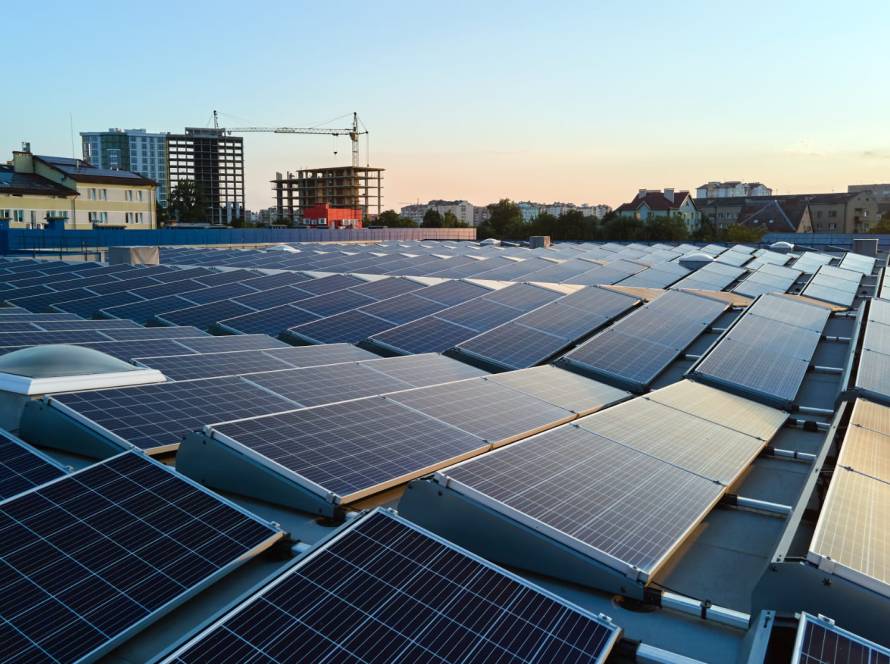
Solar panels convert sunlight into direct current electricity. South Africa’s favourable solar conditions make rooftop and ground-mounted solar installations highly effective across much of the country. Large warehouse roofs often provide ideal space for solar generation.
The inverter then converts this electricity into alternating current that refrigeration equipment and facility systems can use. Modern hybrid inverters can also manage battery charging, energy distribution, and backup functions. This allows facilities to optimise energy use while maintaining stable operation.
Battery Energy Storage Systems
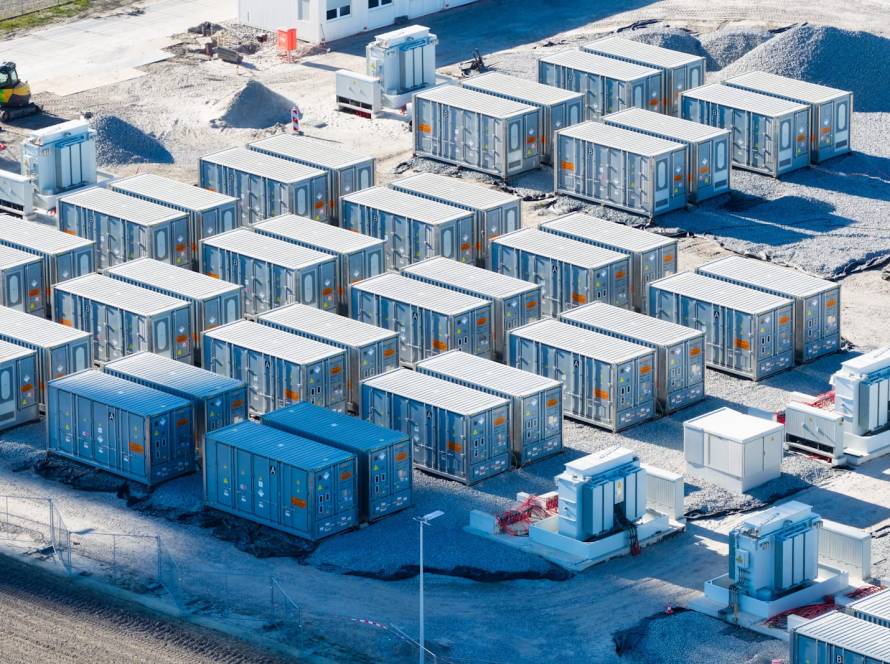
Battery Energy Storage Systems (BESS) store excess solar energy for later use. Instead of allowing unused solar energy to go to waste, the system can reserve it for evening operation, periods of high demand, or emergency backup situations.
For cold storage facilities, battery storage provides additional protection against outages and helps maximise self-consumption of solar energy. By reducing dependence on external electricity sources, businesses can gain greater control over their energy strategy and operational resilience.
Monitoring and Energy Management
Monitoring systems provide real-time visibility into energy generation, consumption, battery performance, and overall system health. This allows operators to identify opportunities for optimisation and quickly respond to potential issues.
Energy management systems can automatically prioritise solar generation, schedule battery charging, and direct stored energy toward critical refrigeration loads when required. This intelligent approach improves efficiency and helps businesses maximise the value of their solar investment.
How Solar Improves Cold Chain Resilience
Cold chain resilience refers to the ability to maintain proper storage temperatures and protect products throughout the supply chain, even during challenging conditions. Reliable energy is one of the most important factors in achieving this objective.
Solar energy helps strengthen resilience by diversifying energy sources and reducing dependence on a single supply channel. When integrated with storage technologies and existing backup systems, solar can provide an additional layer of protection for critical refrigeration infrastructure.
Protecting High-Value Stock
Cold storage facilities often house products that require precise temperature control for extended periods. Fresh produce, dairy products, meat, seafood, frozen goods, and pharmaceuticals all depend on stable refrigeration conditions. Any interruption to cooling can affect quality, reduce shelf life, and potentially result in significant losses.
Protecting these products requires more than refrigeration equipment alone. Facilities also need reliable energy systems capable of supporting cooling operations when external electricity supply becomes unstable. This is one of the reasons commercial solar solutions are increasingly being integrated into cold storage environments.
Solar energy helps protect high-value stock by:
- Supporting refrigeration systems during power disruptions
- Maintaining stable storage temperatures
- Reducing the risk of product spoilage
- Supporting critical monitoring and control systems
- Improving operational resilience
- Helping maintain cold chain integrity
- Reducing dependence on a single energy source
When refrigeration systems remain operational, businesses can continue protecting valuable inventory while reducing operational risk. This is especially important for facilities handling temperature-sensitive products where even short periods of warming can have serious consequences.
Solar energy also provides operators with greater confidence in their ability to manage challenging conditions. By supporting critical infrastructure, solar contributes to a more resilient cold storage operation and a stronger overall supply chain.
Supporting Remote and Agricultural Cold Storage
Solar technology also enables cold storage facilities to operate closer to farms and production sites. This can significantly reduce the time between harvesting and cooling, improving product quality and reducing spoilage.
For agricultural operations, decentralised cold storage can strengthen supply chains and improve access to markets. By bringing reliable refrigeration closer to where products are produced, businesses can maintain freshness and extend shelf life more effectively.
Efficient Commercial Solar Solutions and System Sizing
The most efficient system is not necessarily the largest system. Effective solar design starts with understanding how a facility uses energy and identifying which loads are most important.
Cold storage facilities should conduct detailed energy assessments before selecting equipment. This process evaluates peak demand, average consumption, refrigeration requirements, backup needs, and future expansion plans. Accurate sizing helps ensure the system delivers reliable performance without unnecessary complexity.
Understanding Critical and Non-Critical Loads
One of the most important parts of system sizing is identifying which equipment must remain operational during an outage. Critical loads typically include refrigeration equipment, temperature monitoring systems, control panels, alarms, and essential lighting. Non-critical loads may include office equipment, general lighting, or systems that can temporarily shut down without affecting stored products.
Separating these loads allows designers to create more efficient solar and battery systems. Rather than powering an entire facility during an outage, the system can prioritise the equipment that protects the cold chain. This approach improves efficiency, reduces unnecessary energy demand, and helps businesses achieve better long-term performance from their solar investment.
Planning for Future Expansion
Cold storage facilities rarely remain static. As businesses grow, storage capacity often increases, new refrigeration equipment may be added, and operational requirements can evolve significantly. Energy infrastructure that meets current needs may not always support future growth, which is why expansion planning should form part of the initial solar design process.
A scalable solar strategy helps businesses avoid costly redesigns and infrastructure limitations later. By selecting equipment and system layouts that accommodate future development, operators can continue expanding without compromising energy performance or operational efficiency.
Important considerations when planning for future expansion include:
- Anticipated growth in storage capacity
- Additional refrigeration equipment requirements
- Future roof space availability
- Electrical infrastructure scalability
- Potential battery storage expansion
- Long-term operational objectives
- Changes in energy consumption patterns
Designing with expansion in mind creates greater flexibility and protects the long-term value of the solar investment. Businesses can implement phased growth strategies while maintaining system efficiency and reliability.
Forward-thinking design also helps avoid duplicate costs and unnecessary upgrades. As cold storage operations expand, a properly planned solar system can continue supporting growth without requiring major reinvestment.
Practical Design Considerations for South African Facilities
South Africa offers excellent solar resources, making solar energy particularly attractive for commercial facilities. However, achieving strong performance requires careful attention to site-specific design factors that influence generation and system efficiency.
Cold storage facilities present unique design challenges because refrigeration loads operate differently from standard commercial energy loads. Understanding these operational patterns allows businesses to optimise solar generation and maximise system value.
Roof Space, Orientation, and Shading
Large warehouses and distribution centres often provide substantial roof space for solar installations. However, designers must evaluate roof loading capacity, structural integrity, maintenance access, and equipment placement before installation.
Panel orientation and shading also affect performance. North-facing installations generally produce strong results in South Africa, while shading from nearby structures, rooftop equipment, or vegetation can reduce energy production. Comprehensive site assessments help identify and address these issues before installation begins.
Integrating Solar With Existing Electrical Systems
Most cold storage facilities already have established electrical infrastructure, including distribution boards, refrigeration controls, backup generators, and monitoring systems. Solar installations must integrate safely and effectively with these existing assets.
Professional system design ensures that solar generation complements current operations rather than disrupting them. Proper integration also improves safety, simplifies maintenance, and allows operators to manage energy flows more effectively across the facility.
Solar Cold Rooms for Farms, Markets, and Rural Supply Chains
Solar cold rooms are becoming increasingly important throughout agricultural supply chains. These modular refrigeration units use solar energy to provide cooling in areas where conventional infrastructure may be limited or unreliable.
By bringing refrigeration closer to production areas, solar cold rooms help preserve product quality immediately after harvest. This reduces spoilage, extends shelf life, and improves access to markets for farmers and agricultural businesses.
Why Thermal Storage Matters
Many modern solar cold rooms use thermal storage rather than relying entirely on batteries. During the day, solar energy powers refrigeration systems that freeze water or specialised phase change materials.
As these materials gradually thaw, they absorb heat and maintain stable internal temperatures without requiring continuous electrical input. This approach provides efficient cooling while reducing system complexity and improving reliability.
Community and Commercial Use Cases
Solar cold rooms can serve individual businesses, farming cooperatives, produce markets, and rural distribution hubs. Their flexibility allows them to support both small-scale producers and larger commercial operations.
For commercial organisations, these systems can function as collection points, overflow storage facilities, or decentralised cold chain assets. This demonstrates how commercial solar solutions can support every stage of the cold chain, from farm to distribution centre.
Which Commercial Solar Solution Is Most Efficient for Cold Storage Facilities?
Cold storage facilities have unique energy requirements because refrigeration systems operate continuously and cannot tolerate power interruptions. The most efficient solution depends on the facility’s location, energy consumption profile, backup power requirements, and long-term operational objectives. At Eversolar, we provide a complete range of commercial solar solutions that can be tailored to meet these demands. Our commercial solar offering is designed to help businesses improve energy independence, optimise operational efficiency, and build a more resilient energy strategy around the needs of their facility.
We understand that no two cold storage operations are identical. A refrigerated warehouse in a major industrial area will have different requirements from a remote agricultural cold room or a regional distribution centre. That is why we provide flexible commercial solar solutions that integrate Solar PV, Battery Energy Storage Systems (BESS), energy management technologies, and full EPC project delivery into a tailored solution that aligns with each facility’s operational requirements and long-term objectives.
Our commercial solar solutions for cold storage facilities include:
- Grid-tied solar systems that reduce electricity consumption while maintaining seamless access to the grid
- Hybrid solar systems that combine Solar PV and BESS for enhanced energy management and backup capability
- Off-grid solar systems designed for remote or energy-intensive facilities requiring energy independence
- Battery Energy Storage Systems (BESS) that improve self-consumption and support critical refrigeration loads
- Full EPC project delivery including design, engineering, procurement, construction, and integration
- Flexible financing options including Power Purchase Agreements (PPA) and Rent-to-Own Solar
- Remote monitoring, preventative maintenance, technical support, and ongoing system optimisation
- Scalable system designs that support future business growth and increased energy demand
Our grid-tied systems are ideal for facilities focused on reducing electricity consumption and improving energy predictability without significant changes to existing infrastructure. For businesses that require greater operational resilience, our hybrid systems provide a powerful combination of solar generation and battery storage. By storing excess solar energy and deploying it when needed, these systems help reduce grid reliance while supporting refrigeration systems during periods of instability or power interruption.
For facilities located in remote areas or regions with limited grid access, we also offer off-grid commercial solar solutions designed to provide complete energy independence. These systems help cold storage operators maintain continuous refrigeration while reducing dependence on diesel generators and other backup power sources. As part of our comprehensive commercial solar offering, we provide full EPC project delivery, integrating Solar PV, BESS, monitoring systems, and energy management strategies into a single solution designed around each facility’s operational requirements.
Whether the project involves a refrigerated warehouse, distribution centre, agricultural cold room, packhouse, food storage facility, or pharmaceutical cold storage operation, we work closely with clients to identify the most effective configuration. By combining precision engineering, premium components, flexible financing options, and ongoing support, we help cold storage facilities build a resilient energy strategy that supports operational continuity, long-term efficiency, and sustainable business growth.
Strengthening Cold Storage Operations Through Solar Energy
Commercial solar solutions provide cold storage facilities with a practical way to strengthen energy security, improve operational efficiency, and support long-term business performance. By combining solar generation, battery storage, intelligent energy management, and careful system design, businesses can reduce dependence on conventional electricity sources while protecting temperature-sensitive products throughout the cold chain.
The most effective solar solution is always the one designed around the facility’s unique operational requirements. Factors such as refrigeration demand, critical loads, future expansion plans, available space, and backup power needs all influence system performance. With the right strategy in place, commercial solar solutions can help cold storage facilities achieve greater resilience, improved sustainability, and more predictable energy management for years to come. If you would like to explore how solar can support your cold storage operation, get in touch with Eversolar today. Our team can help you identify the most effective solution for your facility and develop an energy strategy that supports both your operational goals and long-term growth plans.