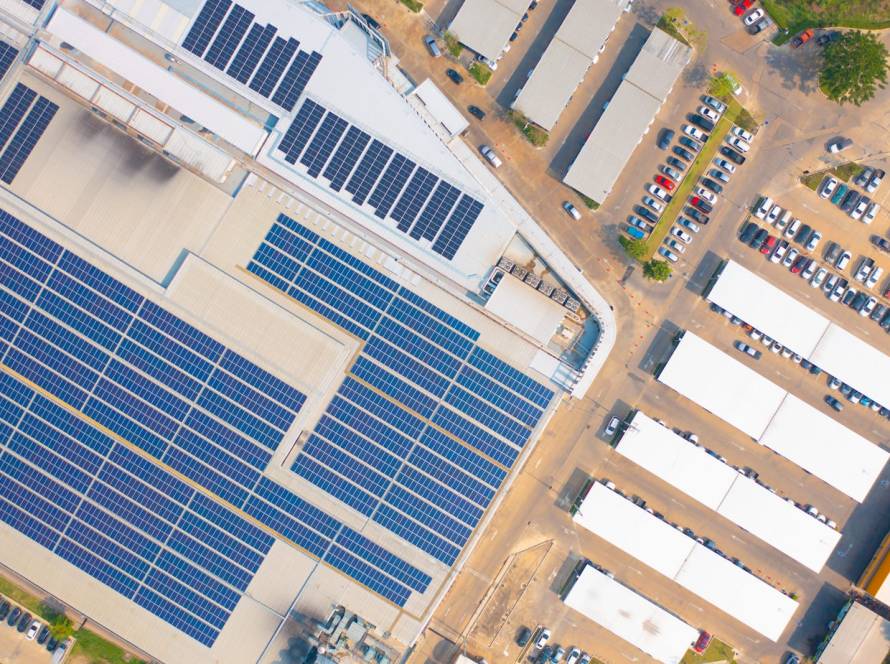
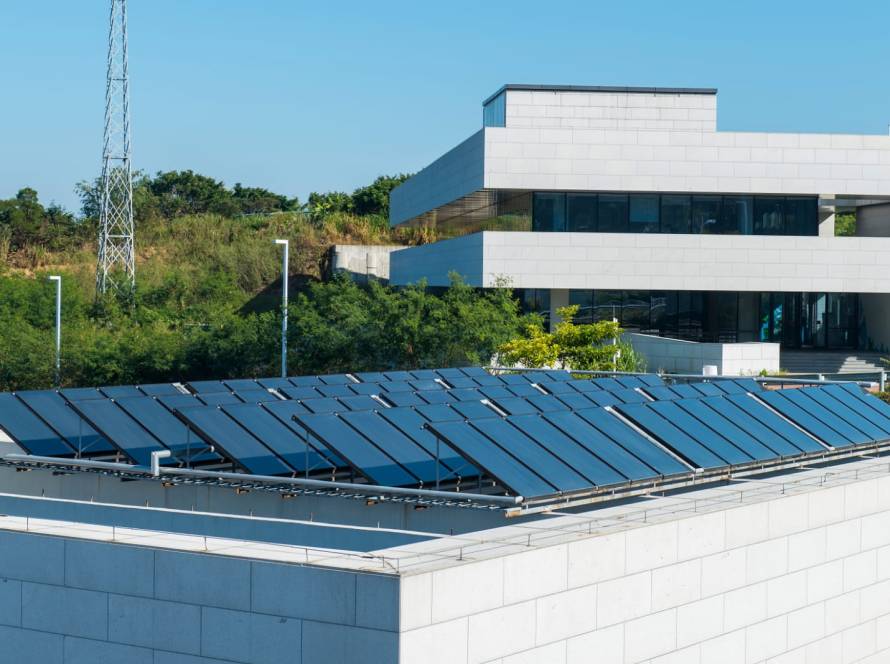
Understanding commercial solar solutions vs grid-tied systems has become increasingly important for South African retail businesses looking to reduce operating costs while improving energy reliability. Retail stores rely on electricity to support essential functions such as lighting, refrigeration, payment systems, security equipment, internet connectivity and climate control, making energy one of the most significant ongoing operational expenses. A carefully designed solar installation can help businesses generate their own electricity, improve efficiency and build greater resilience without compromising day-to-day operations.
Choosing the most suitable solution requires more than comparing equipment or installation costs. Retailers should consider their electricity consumption patterns, operational priorities, future expansion plans and the level of energy independence they hope to achieve. By understanding how different commercial solar systems operate, businesses can make informed investment decisions that deliver long-term financial value while supporting reliable and sustainable retail operations.
Understanding Commercial Solar Solutions vs Grid-Tied Systems
Commercial solar solutions are complete energy systems developed specifically for businesses rather than residential properties. They typically combine Solar PV panels, inverters, mounting structures, electrical protection, monitoring equipment and, where appropriate, battery storage into a single integrated installation. Unlike domestic systems, commercial solar is designed around the operational demands of offices, warehouses, shopping centres, supermarkets and retail stores, where electricity consumption often remains high throughout the trading day. Every installation should be customised to match the property’s energy profile, ensuring that electricity generation supports normal business operations while delivering meaningful long-term financial benefits.
Understanding commercial solar solutions vs grid-tied systems begins with recognising that these terms do not describe the same thing. Commercial solar is the broader category that includes several different system configurations, including grid-tied, hybrid, battery-supported and off-grid solutions. A grid-tied system is simply one option within that wider category. This distinction is important because retailers should first determine what they want their energy system to achieve before selecting the most appropriate configuration. Some businesses prioritise reducing electricity costs, while others require backup capability, improved operational resilience or the flexibility to expand their system as the business grows.
How Retail Electricity Requirements Affect Solar Design
Retail businesses rarely consume electricity in the same way, even when they appear similar from the outside. A clothing retailer may use most of its electricity for lighting, air conditioning, payment terminals and display equipment, while a supermarket may require continuous refrigeration, cold-room facilities and bakery equipment throughout the day. Shopping centres introduce additional considerations, including shared lighting, escalators, lifts, parking facilities and common-area services. These differences have a direct influence on system design because every commercial installation should reflect the property’s unique electricity profile rather than relying on a standard template.
A detailed assessment forms the foundation of commercial solar solutions vs grid-tied systems because accurate consumption data allows engineers to size the system correctly and determine whether battery storage will provide additional value. Electricity bills provide useful historical information, but interval consumption data gives a far clearer understanding of how electricity is used throughout the day. This enables designers to identify periods of peak demand, estimate expected solar self-consumption and recommend a system that balances electricity generation with operational requirements. A properly designed installation improves energy efficiency while avoiding unnecessary investment in oversized or unsuitable equipment.
What Is a Grid-Tied Solar System?
A grid-tied solar system remains connected to the electricity network while generating renewable electricity from solar panels installed on the property. During daylight hours, the business uses the electricity produced by the solar system first, reducing the amount of power purchased from the grid. Whenever solar production decreases because of changing weather conditions or increased electricity demand, the system automatically supplements the shortfall using grid electricity. This process takes place seamlessly, allowing normal business operations to continue without interruption while making efficient use of available solar energy.
One of the most important considerations in commercial solar solutions vs grid-tied systems is understanding what happens during a power interruption. A standard grid-tied installation is designed to disconnect automatically when the electricity grid becomes unavailable as a safety measure to protect electrical workers and surrounding infrastructure. This means that solar panels alone do not continue powering the building during an outage. Retailers requiring uninterrupted operation for payment systems, refrigeration, security or other essential equipment generally need additional components such as battery storage and compatible backup technology rather than relying solely on a conventional grid-tied configuration.
Commercial Solar Solutions vs Grid-Tied Systems: Electricity Savings and Financial Performance
Reducing electricity costs is one of the primary reasons why retail businesses invest in commercial solar systems. Shops, supermarkets and shopping centres often consume the largest portion of their electricity during trading hours, which usually aligns well with peak solar production. This allows businesses to use a significant amount of the electricity they generate themselves instead of purchasing it from the grid. Over time, this can improve budgeting certainty while reducing exposure to future electricity price increases and helping retailers manage one of their largest operational expenses more effectively.
The financial performance of commercial solar solutions vs grid-tied systems should always be evaluated as a long-term investment rather than focusing only on the initial installation cost. A properly designed system considers current electricity demand, future business growth, operating hours and the retailer’s broader operational objectives. Looking beyond upfront costs allows decision-makers to understand how the installation can improve profitability, strengthen operational resilience and continue delivering value throughout its lifespan.
Key factors that influence electricity savings and financial performance include:
- Electricity consumption profile: Businesses that use most of their electricity during daylight hours generally achieve higher levels of solar self-consumption.
- System sizing: Correctly matching system capacity to electricity demand helps maximise energy production without generating unnecessary surplus electricity.
- Electricity tariffs: The applicable tariff structure affects how much value is gained from every unit of solar electricity generated.
- Operating hours: Longer daytime trading hours often increase the proportion of solar electricity consumed directly by the business.
- Battery storage requirements: Adding batteries increases investment costs but may improve operational resilience and energy flexibility.
- Equipment quality: High-quality components typically provide greater reliability, stronger performance and longer operational life.
- Maintenance planning: Regular servicing helps maintain system efficiency and protect long-term financial returns.
- Future expansion: Designing for future business growth can reduce the need for expensive upgrades later.
A comprehensive financial assessment should evaluate both direct and indirect benefits before a final investment decision is made. While electricity savings are often the primary objective, improved business continuity, reduced operational risk and greater control over energy consumption can also contribute significantly to the overall return on investment. These wider operational benefits become increasingly valuable as retail businesses continue expanding and modernising their facilities.
Rather than selecting the least expensive installation, retailers should focus on the solution that provides the strongest long-term value. A well-designed commercial solar system balances financial performance with operational reliability, ensuring that the investment continues supporting business objectives for many years while adapting to changing electricity requirements.
Energy Independence with Commercial Solar Solutions vs Grid-Tied Systems
Energy independence means different things to different businesses. For most retail stores, it does not involve disconnecting completely from the electricity network, but rather reducing dependence on purchased electricity while maintaining reliable access to the grid whenever additional power is required. Solar energy allows businesses to generate a significant portion of their own electricity during trading hours, reducing exposure to rising energy costs while creating greater operational stability. The level of independence achieved ultimately depends on the configuration selected and how the system has been designed around the retailer’s specific operational requirements.
The degree of resilience provided by commercial solar solutions vs grid-tied systems varies considerably between different configurations. A standard grid-tied installation focuses primarily on reducing electricity consumption during daylight hours, whereas hybrid systems combine Solar PV with battery storage to support selected circuits when grid electricity becomes unavailable. Before selecting a system, retailers should identify which equipment is essential for maintaining operations, such as payment terminals, security systems, emergency lighting, internet connectivity and refrigeration. Prioritising these critical loads often provides a more practical and cost-effective approach than attempting to supply every electrical circuit during an outage, ensuring that investment is directed towards protecting the most important aspects of the business.
Battery Storage or Continued Grid Reliance
Battery storage provides retailers with the ability to store surplus solar electricity generated during the day and use it when it is needed most. This stored energy can supply essential equipment during electricity interruptions, support operations outside daylight hours and reduce dependence on purchased electricity during periods of higher demand. For businesses where continuous operation is essential, battery storage can help protect customer service, preserve refrigerated stock and minimise the disruption that unexpected outages may cause. It also allows businesses to make greater use of the renewable electricity they generate instead of relying solely on immediate daytime consumption.
Choosing between battery storage and continued grid reliance is an important part of commercial solar solutions vs grid-tied systems because each approach offers different operational and financial advantages. Batteries increase the initial investment and require appropriate installation, monitoring and maintenance throughout their lifespan, but they also improve resilience and provide greater flexibility in how electricity is used. Grid reliance may remain the most practical option for retailers with predictable daytime trading patterns and limited backup requirements, while businesses with critical operational loads may find that battery storage delivers long-term value that extends well beyond electricity savings alone.
Commercial Solar Solutions vs Grid-Tied Systems: System Size and Future Expansion
Every commercial solar installation should be designed around the retailer’s actual electricity requirements instead of simply filling every available section of roof space with panels. Installing too little generating capacity may limit potential savings, while installing significantly more than the business can use may reduce overall financial efficiency. Careful system sizing ensures that electricity generation closely matches operational demand, allowing retailers to maximise self-consumption while making effective use of their investment.
Planning for future growth is equally important because very few retail businesses remain unchanged throughout the lifespan of a solar installation. Trading hours may increase, additional refrigeration may be installed, new departments may be introduced or buildings may be expanded to accommodate higher customer demand. Considering these possibilities during the design stage helps ensure that today’s investment continues supporting tomorrow’s operational requirements.
Factors that should be considered when sizing a commercial solar system include:
- Current electricity demand: Historical consumption provides the starting point for system design.
- Peak electricity usage: Understanding when demand is highest improves system optimisation.
- Future business expansion: Store extensions, additional tenants or operational growth may increase electricity requirements.
- Additional equipment: New refrigeration, air-conditioning or production equipment may increase future demand.
- Battery integration: Future battery installation should be considered even if storage is not installed immediately.
- Available installation space: Roof size, parking structures and other suitable locations influence system capacity.
- Electrical infrastructure: Existing switchgear and distribution equipment should accommodate future expansion where practical.
- Scalable design: Modular system layouts simplify future upgrades without replacing the original installation.
Considering future growth during commercial solar solutions vs grid-tied systems planning helps retailers avoid unnecessary redesigns and protects the long-term value of their investment. Allowing room for expansion often represents a relatively small consideration during initial construction but can significantly reduce future costs when additional capacity becomes necessary.
A scalable solar installation provides flexibility as business operations evolve. By preparing cable routes, inverter capacity, electrical infrastructure and installation areas in advance, retailers can expand their renewable energy system more efficiently while maintaining consistent operational performance and controlling long-term capital expenditure.
Roof Suitability and Installation Requirements
A commercial roof may appear suitable for solar simply because of its size, but successful installations depend on many technical factors beyond available surface area. Structural strength, roof orientation, shading, waterproofing, wind exposure and the location of existing rooftop equipment all influence the final design. Evaluating these factors before installation begins helps ensure that the completed system operates safely, efficiently and reliably throughout its expected service life.
The physical characteristics of the property also influence commercial solar solutions vs grid-tied systems because different configurations require different amounts of space for inverters, battery storage and associated electrical equipment. Retailers operating from leased premises should also determine whether landlord approval is required before installation begins, while shopping centres may need to consider ownership responsibilities, maintenance access and shared electrical infrastructure during project planning.
Important roof and installation considerations include:
- Roof orientation: Panel positioning influences overall energy production throughout the day.
- Structural integrity: The roof must safely support the additional weight of the solar installation.
- Shading: Trees, neighbouring buildings, rooftop equipment and signage may reduce energy production.
- Waterproofing: Existing waterproofing should remain protected during installation.
- Wind exposure: Mounting systems must be appropriate for local environmental conditions.
- Maintenance access: Safe access should remain available for inspections and servicing.
- Electrical infrastructure: Distribution boards, cabling and protection equipment should support the proposed installation.
- Battery location: Where batteries are included, sufficient space and suitable environmental conditions should be available.
A detailed site assessment allows potential challenges to be identified before construction begins, reducing the likelihood of delays, unexpected costs or future operational issues. Careful planning also allows designers to optimise panel placement while ensuring that the installation integrates effectively with the existing building and electrical infrastructure.
Investing time in evaluating roof suitability helps protect the long-term performance of the entire solar installation. A well-planned system not only generates electricity efficiently but also supports safe maintenance, future expansion and reliable operation throughout its lifespan, giving retailers greater confidence in their renewable energy investment.
Registration and Electrical Compliance
Commercial solar systems that operate alongside the electricity network must comply with applicable technical and safety requirements before they can be commissioned. Retailers should determine whether their electricity supply is provided directly through the national utility or a municipal distributor, as approval processes and connection requirements may differ between supply authorities. Proper planning and documentation help ensure that projects proceed efficiently while reducing the risk of delays during installation or commissioning. Compliance also provides confidence that the completed system has been designed to operate safely within the existing electrical infrastructure.
Electrical compliance remains an important consideration when comparing commercial solar solutions vs grid-tied systems because both grid-connected and hybrid installations interact directly with the electricity network. Professional installation, suitable electrical protection, correctly specified equipment and the necessary technical documentation all contribute to safe and reliable long-term operation. Where electricity export is permitted, additional metering and approval requirements may also apply. Addressing these matters during the planning stage helps protect the retailer’s investment while ensuring the installation operates in accordance with all applicable technical standards.
Commercial Solar Solutions vs Grid-Tied Systems: Monitoring and Long-Term Performance
Modern monitoring technology allows retailers to observe how their solar installation performs throughout the day by tracking electricity generation, site consumption, battery activity and electricity imported from the grid. This information provides valuable insight into system efficiency while helping businesses understand how renewable energy contributes to daily operations. Performance monitoring also allows unexpected changes in generation or electricity consumption to be identified quickly, enabling corrective action before small issues develop into more significant operational or financial problems.
Long-term performance should remain a priority throughout the life of commercial solar solutions vs grid-tied systems because every installation requires ongoing observation to continue operating at its full potential. Monitoring should compare actual electricity production with expected performance while highlighting inverter alarms, unusual consumption patterns or communication faults that require attention. For retailers operating multiple locations, centralised monitoring can also assist with comparing branch performance, scheduling preventative maintenance and ensuring every installation continues delivering reliable financial and operational value over the long term.
Maintenance of a Commercial Solar Installation
Although solar panels have no moving mechanical parts, the complete installation still requires regular maintenance to ensure consistent performance and long-term reliability. Dust, leaves, bird droppings and environmental debris can gradually reduce electricity production if panels are not inspected and cleaned when necessary. In addition to the panels themselves, mounting structures, electrical cables, isolators, inverters and protection equipment should all form part of a preventative maintenance programme. Routine inspections help identify developing issues before they affect system performance, allowing retailers to protect both their investment and their day-to-day operations.
Ongoing maintenance requirements vary between commercial solar solutions vs grid-tied systems, particularly where battery storage and backup infrastructure have been incorporated into the design. Hybrid installations may require additional battery inspections, software updates, backup testing and monitoring alongside standard electrical maintenance. Retailers should also understand what maintenance is included within their installation or financing agreement, including response times, warranty support, preventative servicing and technical assistance. Establishing a structured maintenance plan from the outset helps maximise energy production, extend equipment lifespan and ensure the installation continues operating safely throughout its service life.
Environmental Benefits for Retail Businesses
Producing renewable electricity on-site allows retail businesses to reduce the amount of electricity purchased from the grid while supporting broader environmental objectives. Lower dependence on conventional electricity generation contributes to reduced operational emissions and demonstrates a practical commitment to responsible energy management. For many retailers, sustainability has become an important consideration alongside financial performance, with renewable energy helping businesses strengthen their environmental credentials while supporting long-term operational resilience.
The environmental contribution of commercial solar solutions vs grid-tied systems should always be measured using actual system performance rather than broad assumptions. Monitoring data enables retailers to track renewable electricity generation, evaluate energy consumption and report measurable environmental improvements with confidence. Solar installations also work most effectively when combined with wider energy-efficiency initiatives such as LED lighting, efficient refrigeration, properly maintained air-conditioning systems and responsible electricity management. Together, these measures create a more sustainable retail operation while delivering meaningful long-term business benefits.
Commercial Solar Solutions vs Grid-Tied Systems for Retail Stores in South Africa
Choosing the right provider is just as important as selecting the right technology. Retail businesses benefit most from working with a company that can design an energy solution around operational requirements instead of recommending a standard system for every property. Retail stores differ significantly in their electricity consumption, trading hours, critical equipment and future expansion plans, which means every installation should be tailored to deliver long-term operational and financial value. A provider with experience across multiple commercial sectors can also recommend the most appropriate system configuration while ensuring that the installation integrates smoothly with existing business operations.
When comparing commercial solar solutions vs grid-tied systems, Eversolar provides a comprehensive range of commercial renewable energy solutions designed specifically for business environments. We deliver complete Solar PV systems, Battery Energy Storage Systems (BESS) and full EPC project delivery, allowing us to manage every stage of the project from planning through to commissioning. Our commercial offering includes grid-tied, hybrid and off-grid systems that are engineered according to each retailer’s operational and financial requirements. Grid-tied systems help businesses reduce electricity costs while maintaining seamless access to the grid, hybrid systems combine Solar PV with BESS to optimise energy storage, reduce peak demand and provide reliable backup during outages, while off-grid systems deliver independent electricity generation for suitable retail applications where uninterrupted operations are essential. We also offer flexible financing through Power Purchase Agreements (PPA) and Rent-to-Own Solar, enabling retailers to adopt renewable energy with predictable energy costs while benefiting from precision engineering, premium components, end-to-end project management and systems that can grow alongside the business.
Eversolar’s commercial solutions provide retailers with several operational and financial advantages, including:
- Solar PV solutions: Generate renewable electricity on-site to reduce purchased electricity and improve long-term energy efficiency.
- Battery Energy Storage Systems (BESS): Store surplus solar energy for later use while supporting essential operations during outages.
- Grid-tied systems: Reduce electricity bills by offsetting daytime consumption while maintaining continuous access to the electricity grid.
- Hybrid systems: Combine Solar PV and BESS to optimise energy use, reduce peak demand and improve operational resilience.
- Off-grid systems: Deliver independent electricity generation for suitable retail facilities where continuous power is essential.
- Full EPC project delivery: Provide complete project management from feasibility studies and design through installation and commissioning.
- Power Purchase Agreements (PPA): Allow retailers to adopt solar with predictable energy costs and reduced upfront capital expenditure.
- Rent-to-Own Solar: Provide an alternative financing solution that supports long-term ownership while improving cash-flow flexibility.
- Remote performance monitoring: Continuously monitor system performance to identify issues quickly and optimise energy production.
- Preventative maintenance and technical support: Help maximise reliability, minimise downtime and extend the operational life of the installation.
- Scalable system design: Allow additional generating capacity to be incorporated as electricity demand increases.
Our expertise also extends to dedicated grid-tied solar systems that provide retail businesses with a practical and cost-effective entry into renewable energy. We design commercial solar PV installations using high-quality components and complete EPC delivery to maximise efficiency, operational reliability and future scalability. Where permitted, our systems can also be configured to export surplus electricity to the grid, further improving long-term operational value. Our turnkey approach covers feasibility studies, site assessments, engineering, installation and commissioning while our after-sales support includes remote monitoring, preventative maintenance, rapid technical assistance and ongoing system optimisation. By combining technical expertise, flexible financing and long-term support, we help retailers implement renewable energy solutions that strengthen operational resilience, improve financial performance and support sustainable business growth.
Choosing the Right Solar System for a Retail Store
Choosing between commercial solar solutions vs grid-tied systems ultimately depends on the unique operational requirements of each retail business. Factors such as electricity consumption, critical equipment, roof suitability, future growth plans and desired levels of energy resilience all influence which solution will deliver the greatest long-term value. A properly designed solar installation should not only reduce electricity costs but also improve operational efficiency, support business continuity and provide the flexibility to adapt as energy requirements change.
Taking the time to assess your business’s current and future energy needs is the first step towards making a confident investment in renewable energy. At Eversolar, we work closely with retailers to design tailored solar solutions that align with their operational and financial objectives. Contact us today to discuss how we can help your business implement a commercial solar system that delivers reliable performance, long-term savings and greater energy independence.