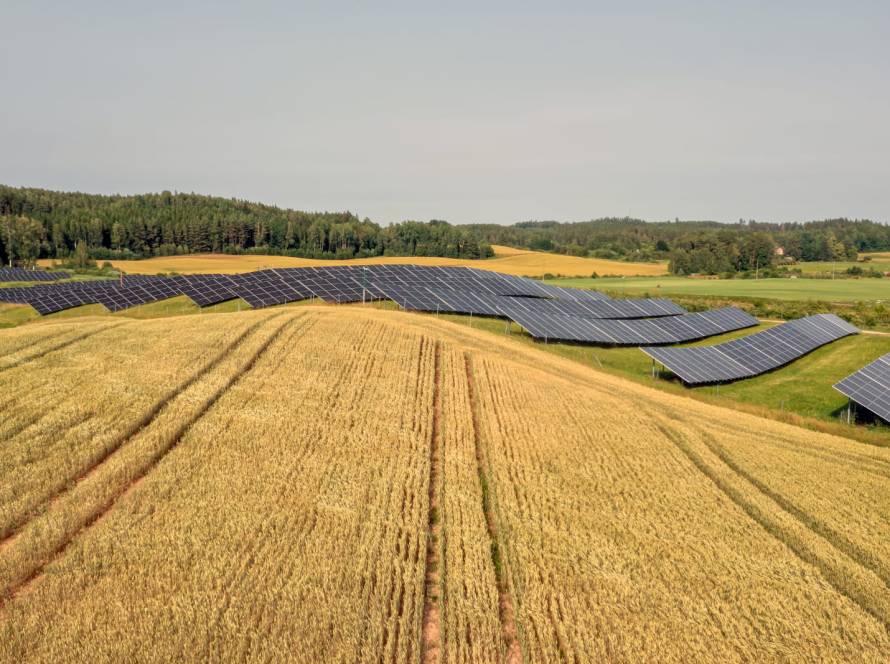
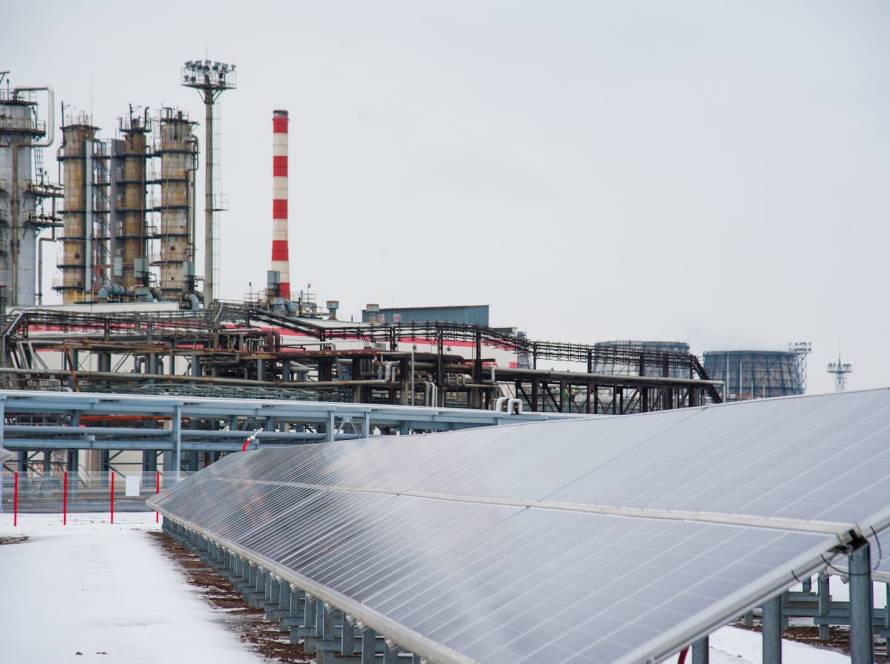
Shopping centres are strong candidates for renewable energy because their busiest operating hours generally coincide with daylight. However, investing in commercial solar for a shopping mall requires more than identifying an open roof and calculating the number of panels that will fit.
Lighting, air conditioning, refrigeration, lifts, escalators, security systems and tenant equipment create a complex electricity profile. A professional feasibility assessment connects these loads with the property’s physical condition, tariff structure, electrical infrastructure and long-term commercial plans.
Understanding the Mall’s Electricity Consumption
A complete year of utility bills provides the starting point for the assessment. The records should show monthly consumption, maximum demand, tariff periods, fixed charges and seasonal changes. Several years of bills can reveal longer-term trends or unusual periods that may otherwise distort the proposed system size.
Interval data adds considerably more detail by showing when electricity is consumed throughout each day. Engineers can compare trading days, weekends, holidays and after-hours operations while examining how weather, occupancy and extended trading affect demand.
Assessing Space for Commercial Solar for a Shopping Mall
The assessment should measure usable space across main roofs, secondary buildings, parking areas and suitable nearby land. Parking canopies can produce electricity while providing shaded parking, but their foundations, vehicle clearances, drainage and effect on customer movement require careful planning.
Not every square metre can accommodate panels. Skylights, HVAC equipment, vents, parapets, signs, drainage channels, maintenance paths and emergency-access routes must remain clear. Planned extensions should also be considered before areas are permanently allocated to solar equipment.
- Main and secondary roofs: Measure each roof section separately and record its orientation, slope, surface material and usable area. Different sections may have different structural limitations or receive different amounts of sunlight.
- Parking areas: Determine whether solar canopies can be installed without obstructing vehicles, pedestrian routes, delivery areas or accessible parking. The design should also accommodate drainage, lighting and security equipment.
- Nearby land: Assess whether unused land could support a ground-mounted system without restricting future development, vehicle access or essential property services.
- Rooftop obstructions: Map HVAC equipment, skylights, vents, signs, antennas and other structures that reduce the area available for panels or create shading.
- Access and safety zones: Preserve suitable walkways, fire routes, drainage channels and access to equipment that will continue to require inspection and maintenance.
- Future development areas: Exclude space reserved for mall extensions, plant upgrades or other planned improvements that could require the solar equipment to be relocated.
A preliminary layout should show more than the theoretical number of panels that can fit on the property. It should demonstrate how installers and maintenance teams will move safely around the system and reach existing building equipment without removing panels or interrupting generation.
The final allocation of space should balance generation potential with structural suitability, construction practicality and long-term property use. A slightly smaller but accessible and well-positioned installation may provide better lifetime value than a densely packed design that complicates maintenance or redevelopment.
Evaluating Structural Capacity and Roof Condition
A qualified structural professional should determine whether each roof section can support panels, mounting equipment, wind forces and maintenance activity. Shopping centres are often extended in stages, so different portions of the property may have different materials, designs and load capacities.
The roof’s condition and remaining service life are equally important. Installing panels above deteriorating waterproofing can lead to leaks and expensive removal work. Required repairs, strengthening or replacement should be completed or coordinated with the solar installation.
Conducting a Solar Resource and Shading Assessment
Local sunlight conditions will influence how much electricity commercial solar for a shopping mall can produce throughout the year. A detailed assessment should consider seasonal weather, roof orientation, panel tilt and the daily movement of sunlight across the property.
Shading from neighbouring buildings, trees, signage, parapets and rooftop equipment must be modelled carefully. Even partial shading can reduce the output of affected panel groups, making accurate layout planning more valuable than simply maximising panel numbers.
Matching Generation to the Mall’s Load Profile
Expected solar production should be compared with the mall’s interval consumption. This shows how much energy can be used immediately, when surplus production may occur and whether generation coincides with expensive tariff periods.
Covering every available surface is not necessarily the best approach. An oversized installation may regularly produce electricity that cannot be consumed or exported profitably. Appropriate sizing balances daytime demand, available space, network restrictions and anticipated future consumption.
- Daytime base demand: Identify the electricity the mall consistently uses while solar generation is available, including lighting, refrigeration, security and essential building services.
- Trading-hour demand: Compare expected generation with the additional consumption created by tenants, customers, air conditioning, lifts and escalators during normal trading.
- Seasonal changes: Account for variations caused by weather, holiday trading, occupancy and changing HVAC requirements throughout the year.
- Weekend and public-holiday patterns: Determine whether lower or altered demand on these days could lead to regular surplus generation.
- Peak-demand periods: Establish whether the mall’s highest demand occurs when the solar system is likely to be generating strongly.
- Export limitations: Confirm how much surplus electricity, if any, may be exported before including exported energy in the financial model.
This comparison should be completed at sufficiently detailed time intervals. Monthly totals alone can make a system appear well matched even when it produces excess electricity at midday and provides little benefit during the mall’s most expensive demand periods.
The recommended capacity should support strong self-consumption without ignoring future changes. Expected new tenants, longer trading hours, HVAC upgrades, energy-efficiency measures and electric-vehicle charging could all alter the load profile during the system’s operating life.
Understanding Tariffs and Maximum-Demand Savings
The financial value of commercial solar for a shopping mall depends on the property’s actual tariff. Commercial accounts can include energy charges, time-of-use rates, maximum-demand charges, capacity charges and fixed fees. Solar does not reduce every component in the same way.
Maximum-demand savings require particularly careful modelling. If the mall’s monthly peak occurs after sunset or during cloudy weather, panels may have limited influence on that charge. Interval data helps determine whether solar alone can reduce peaks or whether storage and load management are required.
Identifying Base, Variable and Critical Loads
Base loads operate consistently and may include security, servers, refrigeration and essential lighting. Variable loads change with trading activity, occupancy and weather, including air conditioning, restaurant equipment, escalators and non-essential lighting.
Critical loads are the systems that must continue operating during an interruption. They may include emergency lighting, access control, payment infrastructure and selected refrigeration. A verified critical-load schedule supports accurate battery and backup planning.
Considering Batteries With Commercial Solar for a Shopping Mall
Battery storage should address a clearly defined operational or financial need. Possible applications include managing peak demand, shifting solar energy into expensive tariff periods, reducing generator use and keeping essential systems operational during short interruptions.
The assessment must distinguish how much power a battery can supply from how long it can sustain that output. Usable capacity, efficiency, cycle life, degradation, ventilation, fire protection, warranties and eventual replacement costs all affect long-term value.
Confirming the Required Backup Capability
The owner must decide whether storage should support a few essential circuits or a larger part of the property. Supporting an entire shopping centre requires substantially more capacity than maintaining security, emergency lighting and selected payment systems.
Backup duration should be tested under realistic conditions, including poor weather and repeated interruptions. Existing generators and uninterruptible power systems must also be assessed so that all energy sources operate safely through a coordinated control strategy.
- Emergency and safety systems: Prioritise emergency lighting, access control, alarms, communications and other systems required to protect occupants and the property.
- Security operations: Determine the requirements of surveillance equipment, control rooms, perimeter systems and other security infrastructure.
- Payment and communications equipment: Identify the systems needed to support transactions, tenant communications and essential management functions.
- Refrigeration and temperature-sensitive loads: Establish which food, pharmaceutical or other temperature-controlled operations require continued electricity.
- Building services: Decide whether selected lifts, ventilation systems, pumps or other shared services must remain operational.
- Tenant-specific requirements: Consult important tenants about critical loads while avoiding assumptions that every tenant circuit must receive backup power.
- Required operating duration: Define how long each priority load should remain available and under which outage conditions.
A load-priority schedule can separate essential equipment from systems that may be disconnected temporarily. This approach helps prevent unnecessary battery oversizing while giving facilities teams a clear plan for managing electricity during an interruption.
The final backup design should explain what will remain operational, how long support is expected to last and what happens when stored energy reaches its minimum level. These limitations must be communicated clearly so that tenants and managers do not expect the system to support loads outside its approved design.
Reviewing Grid Capacity and Connection Requirements
Before commercial solar for a shopping mall can be connected, the local network’s capacity and technical requirements must be established. The process may involve a connection application, network study, revised protection settings, metering changes and formal approval before synchronisation.
Requirements depend on the system’s capacity and whether the property is supplied directly or through a local distributor. Approval may still be necessary when the system is designed not to export electricity, making early engagement an important part of feasibility planning.
Confirming Export and Metering Arrangements
The project team should establish whether surplus electricity may be exported, how it will be measured and whether any financial credit applies. Where export is restricted, the design may require controls that prevent electricity from flowing into the network.
Existing meters may need to be replaced or reconfigured to measure imported and exported electricity accurately. Export assumptions should never be included in the business case until the applicable rules and commercial arrangements have been confirmed.
Checking the Safety of Commercial Solar for a Shopping Mall
A compliant design must address mounting systems, cable routes, earthing, lightning protection, isolation, anti-islanding protection, switchgear and warning labels. The installation must integrate safely with the mall’s existing electrical supply, generators and distribution infrastructure.
Fire planning should preserve emergency routes, safe equipment separation and access for responders. Battery placement, ventilation and shutdown procedures require particular attention. Final designs should be reviewed and signed off by appropriately qualified professionals.
- Mounting and structural connections: Confirm that equipment is secured appropriately without compromising the roof structure or waterproofing.
- Cable routes: Protect cables from weather, physical damage and unauthorised access while maintaining safe separation and accessible inspection points.
- Isolation and protection: Provide suitable isolators, circuit protection and anti-islanding controls so the installation can be disconnected safely when necessary.
- Earthing and lightning protection: Integrate the solar equipment with the property’s protective systems and verify that the overall arrangement remains suitable.
- Switchgear and electrical rooms: Confirm that existing equipment has the necessary capacity and that new components have appropriate access, ventilation and clearances.
- Battery safety: Address placement, temperature management, ventilation, separation, monitoring and emergency shutdown procedures.
- Fire and emergency access: Keep designated routes clear and ensure responders can identify, isolate and approach the equipment safely.
Safety reviews should continue beyond the initial design. Installation inspections, testing, commissioning records and electrical certification provide evidence that the completed system matches the approved drawings and protection requirements.
Operating procedures should then explain how staff respond to alarms, faults, fires or abnormal equipment behaviour. Clear labelling, accessible isolation points and appropriate staff training can reduce confusion during an emergency or maintenance activity.
Considering Tenant Metering and Lease Arrangements
Shopping centres may distribute electricity through conventional submeters, smart meters or prepaid systems. Common areas and individual tenants may also receive power through separate distribution boards, which influences where solar electricity can be delivered.
Lease agreements can determine who pays for electricity and who benefits from savings. Owners should establish how lower costs will be allocated, whether billing arrangements require changes and how future tenant turnover could affect projected consumption.
Estimating Production and System Losses
A realistic model for commercial solar for a shopping mall should account for much more than panel capacity. Orientation, temperature, shading, inverter efficiency, cable losses, soiling, equipment availability and grid curtailment can all reduce usable production.
Forecasts should also allow for gradual equipment degradation and scheduled maintenance. Clear assumptions enable owners to compare proposals fairly and identify forecasts that rely on unusually optimistic production or availability.
Building the Financial Business Case
The capital estimate should include panels, inverters, mounting structures, batteries, electrical work, professional services, approvals, roof repairs, monitoring and contingency allowances. Operating costs should cover cleaning, inspections, maintenance, insurance and eventual component replacement.
Projected savings can then be evaluated through cash flow, payback, net present value and internal rate of return. Conservative and optimistic scenarios should test changes in production, tariffs, financing costs, equipment downtime and construction expenditure.
Comparing Purchase, PPA and Rent-to-Own Options
An outright purchase provides ownership and direct access to the system’s savings but requires available capital. The owner also assumes responsibility for equipment performance, insurance and maintenance unless these services are contracted separately.
A power purchase agreement can reduce initial expenditure, while rent-to-own creates a pathway towards eventual ownership. Contract duration, price escalation, maintenance duties, guarantees, termination rights and end-of-term arrangements should be compared carefully.
Reviewing Tax and Financial Considerations
Qualifying renewable-energy assets may receive favourable tax treatment when they meet the applicable ownership, trade-use and commissioning requirements. The exact benefit depends on the project structure and the tax position of the party that owns the equipment.
Incentives can change or expire, so historic benefits should not automatically be included in current forecasts. A qualified tax adviser should verify eligibility, deductible costs, timing and the consequences of purchasing, financing or leasing the installation.
Planning Construction Around Mall Operations
Installing commercial solar for a shopping mall requires close coordination with facilities teams, security personnel and tenants. Deliveries, crane operations, roof access, noisy work, temporary parking restrictions and electrical shutdowns can interfere with normal trading if they are poorly scheduled.
The construction plan should protect customers while preserving access to shops, loading areas and emergency routes. Disruptive activities may need to occur outside peak trading periods, with shutdowns communicated and agreed well in advance.
- Site access: Define secure routes for workers, equipment and vehicles without exposing customers to construction activity.
- Deliveries and lifting operations: Schedule large deliveries and crane work for periods that minimise disruption to traffic, loading areas and parking.
- Working hours: Plan noisy or intrusive activities around trading schedules, tenant requirements and property rules.
- Electrical shutdowns: Identify every circuit affected, agree suitable shutdown windows and prepare contingency measures for critical services.
- Customer and tenant safety: Install suitable barriers, signs and controlled access points around work areas.
- Parking restrictions: Limit the number and duration of closed bays while communicating temporary arrangements clearly.
- Tenant coordination: Provide advance notice of work that may affect access, noise levels, deliveries, power or normal business operations.
A phased programme may allow different roof or parking areas to be completed without disrupting the entire property. The sequencing should account for weather, tenant peak periods and dependencies such as roof repairs or electrical upgrades.
Regular communication is essential throughout construction. Property managers, contractors, security teams and tenants should receive clear information about upcoming work, access changes and shutdowns so that problems can be identified before they affect operations.
Assessing Equipment Quality and Provider Capability
Panels, inverters, batteries and mounting systems should be evaluated according to expected performance, certifications, warranties and service support. Equipment should also suit the roof environment, electrical design and long-term operating conditions of the property.
The provider should demonstrate experience with large commercial installations and occupied sites. Owners should review engineering capacity, safety procedures, project references, connection experience, warranty management and the ability to provide support after commissioning.
Case Study: Choosing the Right Commercial Solar Provider
The owner of a busy regional shopping mall becomes concerned that the property is spending considerably more on electricity than necessary. Strong sunshine and extensive roof and parking areas make solar appear practical, but the owner is unsure how to evaluate the many available providers.
He gathers utility bills and interval data, examines tenant metering and commissions preliminary roof and electrical assessments. His research shows that a capable provider should offer detailed modelling, compliant engineering, realistic financial forecasts, connection support, construction planning and long-term maintenance.
The owner ultimately chooses a provider whose recommendation matches the mall’s daytime load and operational constraints. The decision is based on transparent assumptions, suitable equipment, proven commercial capability and dependable after-sales support rather than the lowest initial quotation.
Which Commercial Solar Provider Should I Choose for a Shopping Mall in South Africa?
Eversolar is a strong option for property owners seeking commercial solar for a shopping mall because we provide Solar PV, Battery Energy Storage Systems and full EPC project delivery. A grid-tied system can offset daytime electricity consumption while retaining access to the grid when solar generation is lower. A hybrid system combines Solar PV with battery storage to improve self-consumption, manage peak demand and support operational continuity during outages. Where appropriate for the property’s requirements, an off-grid configuration can provide greater energy independence and reduce reliance on generators. We engineer each solution around the shopping centre’s operational and financial requirements, using premium components and end-to-end project management to support safe integration with existing infrastructure.
We also offer flexible financing through Power Purchase Agreements and Rent-to-Own Solar. These options allow shopping centres to adopt modern solar infrastructure while maintaining more predictable energy costs and selecting a financial structure suited to their investment strategy. Our full EPC capabilities cover the coordinated delivery of complex commercial projects, while rapid deployment methods help limit disruption to tenants, customers and daily operations. After commissioning, we provide remote performance monitoring, preventive maintenance, technical assistance and ongoing system optimisation. This combination of engineering, financing, implementation and after-sales support enables us to help retail properties reduce grid reliance, control electricity expenditure and scale their energy capacity as operations grow.
From Feasibility to a Sound Solar Investment
A successful investment in commercial solar for a shopping mall begins with evidence. Electricity data, roof condition, structural capacity, tariffs, connection requirements, tenant arrangements and operational risks must all support the proposed design and financial forecast.
At Eversolar, we help property owners evaluate these considerations and develop solutions for complex commercial sites. Contact us to discuss your shopping centre’s energy requirements and explore a carefully planned route towards lower electricity costs.