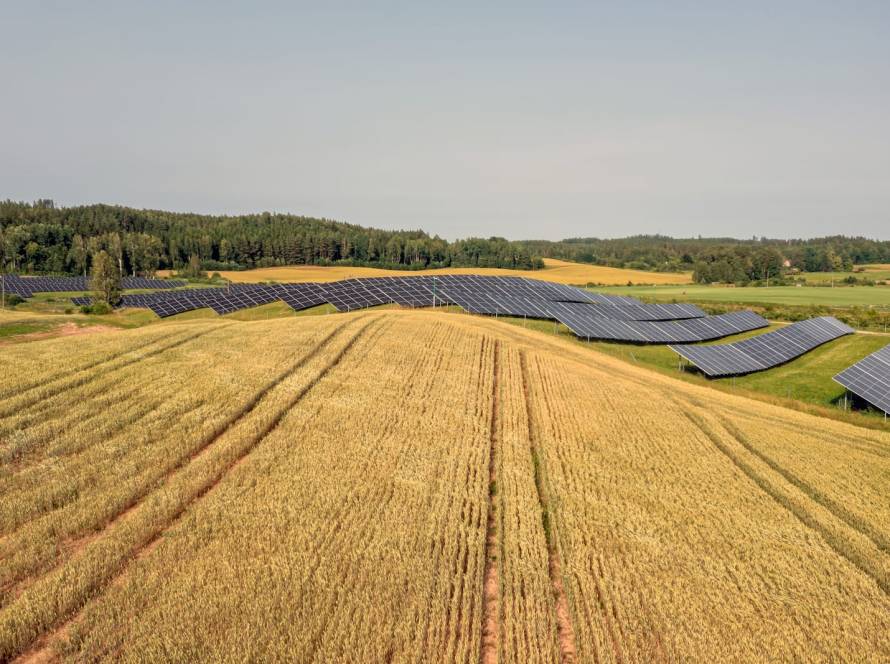
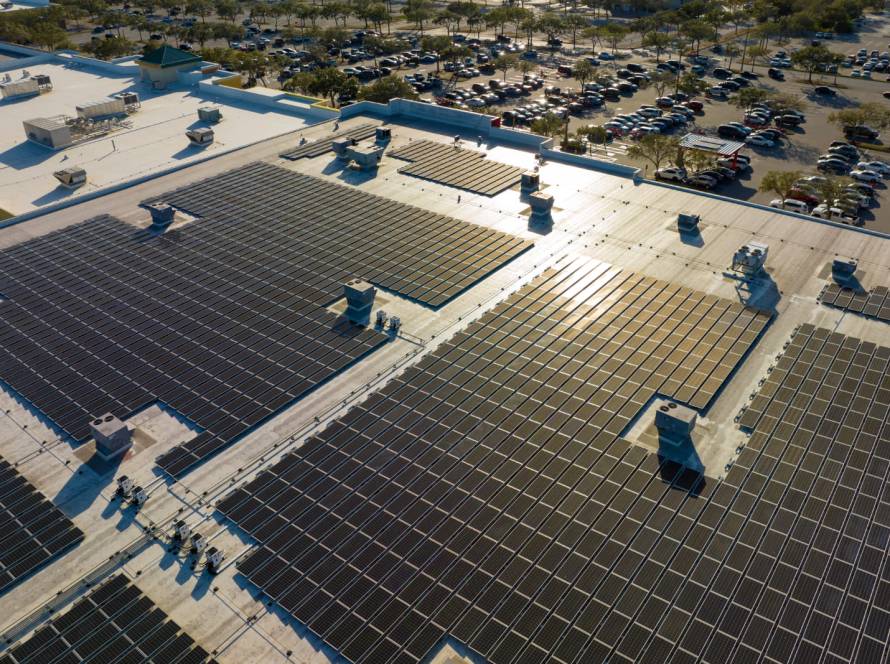
Off-grid solar gives remote farms a practical way to secure dependable electricity where grid access is weak, expensive or completely unavailable. For an agricultural business, reliable power affects far more than lighting. Irrigation, refrigeration, cold storage, processing, security and livestock systems may all need to operate every day, regardless of outages or poor infrastructure.
A properly designed system generates electricity on-site, stores spare energy and supplies essential equipment when sunlight is limited. It can reduce diesel use, make operating costs more predictable and support future growth. The important point is that agricultural systems must be designed around real farm conditions, not selected from a standard residential package.
Why Remote Farms Need Reliable Off-Grid Solar
Remote farms often operate at the edge of electricity networks, where supply can be unreliable and grid extensions can be costly. Even when a connection exists, voltage problems and outages can interrupt pumps, cooling equipment and production lines at the exact moment they are needed most.
Generator power can keep a farm running, but it brings fuel, transport, servicing and breakdown costs. A solar and battery system provides a quieter, cleaner primary supply, while a generator can remain available as occasional backup rather than carrying the whole operation.
Key reasons farms consider off-grid energy include:
- Keeping irrigation, milking, cooling and processing equipment running
- Reducing dependence on diesel and unpredictable fuel costs
- Protecting crops, livestock and stored produce during outages
- Supplying remote workshops, staff housing and security systems
- Avoiding or reducing expensive grid-extension work
- Improving long-term control over energy planning
The strongest case is often operational rather than purely environmental. A failed cold room can damage stock, while a missed irrigation cycle can affect yield. Reliable power protects revenue as well as equipment.
Off-grid systems also give farm managers more control over when and how electricity is used. Loads can be scheduled around solar production, batteries can protect critical systems, and monitoring can reveal waste or unusual demand before it becomes a larger problem.
How Off-Grid Solar Works
An off-grid system combines solar panels, inverters, battery storage and energy controls. Panels generate electricity during the day, the inverter supplies usable AC power, and spare energy charges the batteries. One documented farm installation delivered 150 kW of AC power and used lithium iron phosphate batteries designed for a service life of about 10 years.
The battery bank supplies electricity at night and during low-sunlight periods. Unlike a grid-tied system, there is no utility supply to fall back on, so panels and storage must cover the full load. Properly maintained off-grid systems can remain operational for roughly 20 to 25 years, although batteries and some electronic components may need replacement earlier.
Remote monitoring adds practical value by showing generation, consumption, battery charge and faults. This matters on large or isolated farms where equipment may be spread across several locations. Early warnings allow a technical team to respond before a low battery, failed inverter or unusual load causes a full shutdown.
Match the System to the Farm’s Load Profile
Agricultural demand is rarely flat. Irrigation pumps may run for long daytime periods, dairy equipment may create morning and evening peaks, and refrigeration may operate continuously. A useful energy audit records each motor, compressor, pump and appliance, together with its power rating, daily running time and starting demand.
Real installations show how quickly scale can increase. One multi-site agricultural project used 374 kW of hybrid inverter capacity, 535 kWh of battery storage and 275 kWp of solar panels across five locations. This kind of design reflects several different loads rather than one simple farmhouse requirement.
Smaller farm systems may begin around 8 to 15 kW for a farmhouse and borehole pump, while cold storage and processing can push demand into the 15 to 30 kW range. Full operations with irrigation, packhouses and multiple buildings may require three-phase systems of 30 to 100 kW or more. Guessing at this stage is expensive, so measurement should come first.
Size Off-Grid Solar for Weather and Resilience
Battery sizing is one of the most important design decisions. A practical calculation is daily electricity use multiplied by the required days of autonomy, divided by 0.8 to allow for usable battery capacity. A farm using 100 kWh per day and requiring two days of backup would therefore need about 250 kWh of nominal storage.
Plan for the Worst Week, Not the Best Day
Many off-grid designs aim for two to three days of battery autonomy without meaningful solar input. During heavy clouds, panels may produce only 10 to 30% of their rated output. In some regions, winter clouds can continue for 10 to 14 days, which makes a backup generator or controlled load reduction essential.
A generator should support the system during exceptional conditions, not operate continuously. In a well-sized installation, it may run only 5 to 10% of the time. Automatic controls can start it when battery charge falls to about 20%, recharge the system to a safer level and then switch it off again.
Plan for Expansion and Changing Energy Needs
Farm energy use changes as operations grow. A new cold room, irrigation block, packhouse or staff facility can add a major load, while new machinery may introduce higher starting currents or three-phase requirements.
Planning for expansion at the design stage is usually cheaper than rebuilding the system later. Space, cabling routes, inverter capacity and battery compatibility should all be considered before the first installation begins.
Useful expansion questions include:
- Will more irrigation pumps be added?
- Is cold-storage capacity likely to increase?
- Are new sheds, dwellings or processing areas planned?
- Can the inverter and battery system accept additional capacity?
- Is there enough roof or ground space for more panels?
- Will future equipment require three-phase power?
A modular design allows panels, batteries or inverter capacity to be added in stages. This gives the farm flexibility to grow without paying for the full future system on day one.
Expansion planning should also include energy efficiency. Replacing inefficient pumps, improving refrigeration controls or moving flexible work into solar-rich hours may reduce the amount of new equipment required and improve the return on every added kilowatt.
Understand the Costs and Long-Term Value
Off-grid systems cost more upfront than simple grid-tied installations because they require larger battery banks, backup planning and more detailed engineering. South African 2026 guidance places installed costs at roughly R185,000 to R260,000 for an 8 kW system and R245,000 to R360,000 for a 10 kW system. Larger farm systems can start around R420,000 and rise sharply with complexity.
Battery storage is often the largest single cost, accounting for about 40 to 50% of the total system price. That is why cutting battery capacity to lower the quote can be a false saving. An undersized bank may lead to deeper cycling, more generator use and poor performance during winter.
The business case should include avoided diesel, generator maintenance, outages, spoiled produce and grid-extension costs. Some farms spend tens of thousands of rand each month on generator fuel. Where diesel use is high or a grid connection would cost hundreds of thousands of rand, a well-designed solar system can offer a strong long-term return.
How Eversolar Supports Remote Agricultural Operations
We design solar PV and battery systems around each farm’s actual load profile, operating conditions and growth plans. Our process begins with feasibility work, site assessment, consumption analysis and energy-yield modelling so that the proposed system reflects how the operation really uses power.
We then manage engineering, procurement, construction, testing and commissioning under one delivery structure. This creates clear accountability from the first design decision through to handover.
Our agricultural solar services include:
- Detailed load profiling and feasibility assessment
- Structural and electrical system design
- Solar PV and battery integration
- Grid-tied, hybrid and off-grid configurations
- Project procurement, construction and commissioning
- Remote performance monitoring and maintenance
- System optimisation, upgrades and expansion planning
- Power purchase, rent-to-own and outright-purchase options
We continue supporting the system after installation through monitoring, preventive maintenance, corrective work and performance optimisation. We can also assess underperforming installations and recommend practical upgrades.
Our flexible funding structures help businesses match the project to their financial strategy. Whether the priority is full ownership, reduced upfront capital or predictable monthly energy costs, we structure the technical and commercial solution together.
Preparing for a Successful Installation
Good preparation produces better technical proposals and more reliable results. Before an assessment, gather electricity bills, diesel records, generator hours and a list of all major equipment. Seasonal changes should also be recorded, especially during irrigation, harvesting or processing periods.
The site itself must be reviewed for panel space, shading, cable routes, wind exposure, dust, drainage and maintenance access. Critical systems should be clearly separated from flexible loads so the design protects what matters most.
Prepare the following information:
- Twelve months of electricity and fuel records
- Equipment ratings and daily operating hours
- Motor starting requirements and phase details
- Seasonal production and irrigation schedules
- Planned buildings, machinery or capacity increases
- A list of loads that cannot tolerate downtime
- Available roof, carport or ground-mount areas
- Existing generator and electrical infrastructure details
This information allows designers to compare demand with expected solar production and storage capacity. It also reduces the risk of hidden costs or major scope changes during installation.
Once the system is operating, staff should understand basic monitoring, alarm procedures and load priorities. Clear handover documents, maintenance schedules and support contacts help protect the investment throughout its working life.
Take Control of the Farm’s Energy Future
Off-grid solar can give remote agricultural operations greater control over reliability, energy costs and long-term growth. The best results come from combining accurate load data, realistic weather assumptions, sufficient battery capacity and a design that can expand as the farm changes.
We help agricultural businesses assess, finance, build and maintain dependable energy infrastructure from start to finish. Get in touch with Eversolar to discuss the farm’s requirements and explore a practical system designed for reliable production, lower energy risk and sustainable growth.
FAQs About Off-Grid Solar
What Is Off-Grid Solar, and How Does It Work on a Farm?
Off-grid solar is a self-contained energy system that generates electricity from solar panels, stores unused power in batteries and supplies it through an inverter. Unlike a grid-tied system, it does not rely on Eskom or a municipal connection when solar production drops. On a farm, the system can support irrigation, lighting, refrigeration, security, staff housing and processing equipment. Because there is no grid fallback, the design must cover daytime demand, night-time use and poor weather. Many agricultural installations also include a generator for emergencies, allowing the solar and battery system to remain the main everyday power source for remote operations.
Can Off-Grid Solar Power Irrigation Pumps, Cold Rooms and Processing Equipment?
Yes, off-grid solar can run irrigation pumps, cold rooms and processing equipment, but these loads must be measured carefully before design begins. Pumps and compressors often use substantial power and may draw several times their normal current when starting. A professional load study records equipment ratings, operating hours, starting requirements and seasonal usage. Large pumps may need three-phase inverters, soft starters or dedicated daytime operating schedules. Cold storage usually requires continuous power, so adequate battery capacity is essential. Where possible, water can be pumped into storage tanks during sunny periods, reducing battery demand and improving overall system efficiency and reliability.
What Size Off-Grid Solar System Does a Farm Need?
The correct system size depends on the farm’s daily electricity consumption, peak demand, equipment starting currents and required battery autonomy. A farmhouse with a borehole pump may need roughly 8 to 15 kW, while cold storage and processing can increase requirements to 15 to 30 kW. Larger operations with irrigation, packhouses and several buildings may require 30 to 100 kW or more. These figures are only broad guides. Proper sizing requires at least twelve months of reliable usage information, equipment schedules and seasonal production data. Guessing can result in unnecessary expense, inadequate storage or repeated generator use during busy periods.
What Happens to Off-Grid Solar During Cloudy Weather?
An off-grid solar system uses stored battery energy when clouds reduce panel output. Battery capacity should cover at least two or three days of essential demand, depending on location, season and operational risk. During prolonged cloudy weather, generation may fall too low to supply loads and recharge batteries together. An integrated backup generator can then start automatically, support the farm and recharge the batteries. The generator should act as occasional insurance rather than the primary energy source. Farms can also protect autonomy by postponing flexible loads, reducing non-essential consumption and scheduling pumping or processing during stronger sunlight hours whenever possible.
How Much Does Off-Grid Solar Cost, and Is It Worth It?
The cost of off-grid solar varies because farms have different loads, locations and infrastructure. Battery storage is often the largest single expense and may represent around 40 to 50% of the total system cost. A complete financial assessment should compare the installation price with diesel consumption, generator servicing, electricity tariffs, grid-extension costs, production downtime and losses caused by failed refrigeration or irrigation. Farms with high diesel bills or costly grid connections may achieve the strongest returns. Flexible funding can reduce the initial capital burden, although ownership terms, energy rates, maintenance responsibilities and contract length should be reviewed carefully.
How Long Does Off-Grid Solar Last, and What Maintenance Is Required?
Routine maintenance keeps off-grid solar reliable and protects long-term performance. Solar panels should be inspected and cleaned when dust, bird droppings or agricultural activity reduce output. Electrical connections, mounting structures, inverters, batteries and protection equipment need routine inspections and testing. Remote monitoring can identify falling generation, unusual consumption, battery problems or equipment faults before they cause an outage. Solar panels may operate for 20 to 25 years or longer, while batteries and electronic components usually have shorter service lives. Actual lifespan depends on equipment quality, operating temperatures, battery cycling, system design and maintenance. A documented maintenance plan is therefore essential.