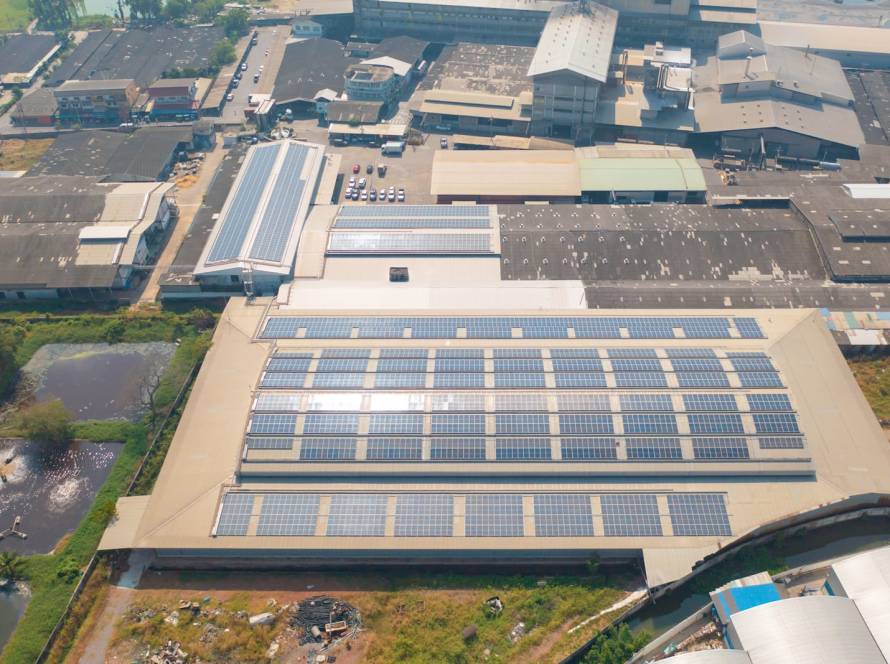
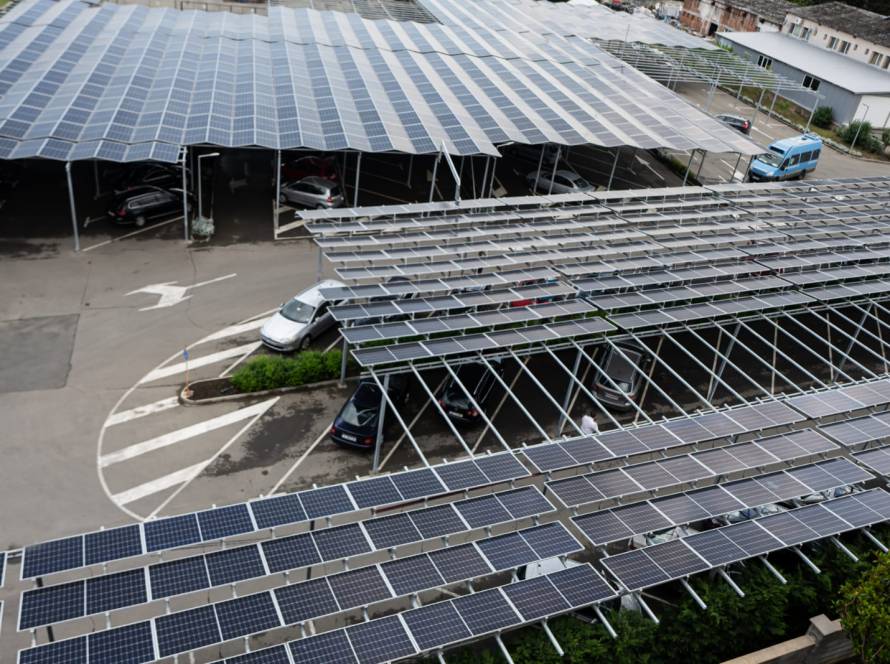
Solar for agriculture is rapidly becoming an important investment for South African farming operations. From powering irrigation systems and cold storage facilities to supporting livestock operations and processing plants, solar energy gives agricultural businesses a practical way to improve energy reliability and operational efficiency. As more farms adopt renewable energy solutions, selecting the right commercial solar installer has become just as important as choosing the right system.
The success of any agricultural solar project depends heavily on proper planning, system design, and long-term support. A well-designed installation can help farms maximise productivity, improve energy independence, and support future growth. However, these benefits are only possible when the installer understands the unique demands of the agricultural sector. As renewable energy becomes increasingly important to agricultural operations, selecting the right installer has become a critical business decision. The expertise, planning capabilities, and long-term support offered by your chosen provider can directly impact the success of your solar investment.
1. Strong Experience With Solar for Agriculture
Agricultural businesses operate very differently from most commercial facilities. A farm may require electricity for irrigation pumps, water management systems, cold rooms, ventilation equipment, livestock facilities, workshops, security infrastructure, and processing operations. Many of these systems operate at different times throughout the day and often experience seasonal fluctuations in demand. An installer with genuine experience in solar for agriculture understands these operational patterns and can design a solution that aligns with the farm’s specific energy requirements rather than applying a generic commercial approach.
Experience also helps installers anticipate the challenges that agricultural environments can present. Dust, moisture, heat, and large site layouts can all influence system performance if they are not considered during the design stage. Installers who regularly work within the agricultural sector understand how to position equipment, optimise energy production, and account for future operational growth. Their knowledge can help ensure the solar installation supports productivity, remains reliable throughout the year, and continues delivering value as the farm expands or modernises.
2. Comprehensive Energy Assessments and Planning
Every successful solar project begins with a clear understanding of how a farm consumes energy. Agricultural operations often have multiple energy-intensive processes running simultaneously, from irrigation and pumping systems to refrigeration, processing equipment, and administrative facilities. Without a detailed assessment of these requirements, installers risk designing systems that fail to align with operational needs. This is why professional solar installers invest significant time in analysing consumption patterns before recommending a solution.
A comprehensive assessment also allows installers to identify inefficiencies and opportunities for optimisation. By understanding when energy demand peaks and how different systems interact throughout the day, they can create a more accurate design that supports operational goals while maximising energy production. This strategic approach ensures the system is tailored to the farm rather than forcing the farm to adapt to the system.
Key elements that should form part of a comprehensive energy assessment include:
- Analysis of historical electricity consumption patterns
- Identification of peak demand periods
- Assessment of irrigation, refrigeration, and processing loads
- Evaluation of future energy requirements and expansion plans
- Site inspections to determine installation suitability
- Review of operational workflows and seasonal energy fluctuations
- Assessment of backup power requirements and critical infrastructure
- Identification of opportunities to maximise solar self-consumption
The information gathered during this process helps installers create a solution that is technically sound and financially sustainable. Rather than relying on assumptions, they can make informed design decisions that support long-term performance and reliability.
Detailed planning also provides a stronger foundation for future growth. As agricultural businesses expand their operations, add new equipment, or diversify production activities, a well-planned solar system can adapt more easily to changing energy requirements. This flexibility helps protect the long-term value of the investment while ensuring the system remains aligned with business objectives.
3. Specialist Knowledge of Agricultural Applications
Solar for agriculture projects require a specialised understanding of how renewable energy integrates with farming operations. Unlike standard commercial installations, agricultural systems often need to support equipment that operates across large geographical areas, sometimes in remote locations with challenging environmental conditions. Installers who understand these realities can recommend solutions that support productivity while maintaining operational efficiency.
The growing adoption of renewable energy within the agricultural sector has created opportunities to improve energy management across a wide range of applications. From crop production and livestock management to cold storage and processing facilities, solar energy can support almost every stage of agricultural operations. Installers who understand these applications are better equipped to design systems that create measurable operational benefits.
Examples of agricultural applications that experienced solar installers should understand include:
- Solar-powered irrigation and water pumping systems
- Refrigeration and cold storage facilities
- Livestock housing and ventilation systems
- Electric fencing infrastructure
- Agricultural processing and packaging facilities
- Workshops and maintenance facilities
- Grain and crop drying operations
- Farm offices and administrative buildings
- Multi-site agricultural operations
- Backup power systems for critical infrastructure
This knowledge allows installers to identify where renewable energy can have the greatest impact on operational efficiency. Rather than focusing solely on electricity generation, they can evaluate how solar technology supports broader farming objectives such as productivity, reliability, and resource management.
Agricultural expertise also helps installers understand the practical realities of farm operations. Seasonal demand changes, harvest periods, irrigation schedules, and livestock requirements all influence energy usage patterns. By considering these factors during the design process, installers can develop solutions that align more closely with day-to-day agricultural activities.
4. Ability to Design Reliable Solar for Agriculture Systems for South African Conditions
South Africa offers excellent solar resources, but agricultural environments can be demanding. Farms often operate in areas exposed to high temperatures, strong winds, dust, and seasonal weather changes. Commercial solar installers should understand how these conditions affect system performance and durability. Proper equipment selection, quality mounting structures, secure electrical installations, and careful site planning all contribute to a reliable solar system that performs consistently over time.
The agricultural sector also faces unique operational pressures that require carefully engineered energy solutions. Many farms depend on equipment that cannot simply be switched off when conditions become challenging. Irrigation systems, refrigeration facilities, livestock operations, and processing plants all rely on dependable energy infrastructure. Installers must account for these requirements during the design stage to ensure the solar installation can support business continuity.
When designing systems for South African agricultural environments, installers should consider:
- Local climate and weather conditions
- Dust management and panel maintenance requirements
- Wind loading and structural integrity
- Temperature impacts on equipment performance
- Seasonal fluctuations in energy demand
- Battery storage integration where appropriate
- Backup power requirements for critical infrastructure
- Site-specific terrain and installation constraints
- Long-term system durability and reliability
- Future expansion opportunities
A well-designed system does more than generate electricity. It helps protect productivity by ensuring energy remains available when it is needed most. This becomes particularly important for farms that depend on continuous operation and cannot afford costly interruptions to critical processes.
Reliable design also contributes to lower maintenance requirements and improved long-term performance. By selecting suitable components and engineering the system around local conditions, installers can help maximise energy production while reducing the likelihood of avoidable operational issues. This proactive approach supports both performance and long-term value.
5. Strong Focus on Long-Term Value and Compliance
A quality solar installation should deliver benefits long after the system has been commissioned. Professional installers understand that long-term value depends on more than energy generation alone. Proper engineering, high-quality workmanship, compliance with relevant regulations, and thorough documentation all contribute to the long-term success of the project. Installers should provide clear information about system performance expectations and ensure that every aspect of the installation meets applicable standards.
Long-term value also comes from designing systems that can adapt to changing operational needs. Agricultural businesses often evolve over time, adding new equipment, expanding production capacity, or introducing new facilities. An installer who understands these realities can recommend scalable solutions that accommodate future growth. Rather than focusing solely on immediate energy requirements, they help position the business for sustainable operational development while maintaining system performance and reliability.
6. Ongoing Support and Maintenance Capabilities
The relationship between a farm and its solar installer should not end once the installation is complete. Like any critical infrastructure, solar systems require ongoing monitoring and maintenance to ensure optimal performance. Agricultural environments can expose equipment to dust, weather, and other conditions that may affect efficiency if left unmanaged. Installers who provide structured maintenance services help protect the long-term performance of the system and identify potential issues before they become costly problems.
Ongoing support becomes particularly valuable as energy requirements evolve. Farms may expand operations, add new facilities, or increase electricity consumption over time. An installer who remains involved can provide guidance on system upgrades, performance optimisation, and future expansion opportunities. This long-term partnership approach helps agricultural businesses maximise the return on their investment while ensuring the solar installation continues supporting operational goals for many years.
Best Commercial Solar Installers for Agricultural Businesses in South Africa
Selecting a commercial solar installer involves more than comparing technologies or installation methods. Agricultural businesses need a partner that understands both the technical requirements of renewable energy systems and the operational realities of farming enterprises. The most effective solar providers combine engineering expertise, project delivery capabilities, financing flexibility, and long-term support to ensure that solar infrastructure delivers measurable value over its lifespan.
As agricultural operations become increasingly energy intensive, businesses also need installers capable of supporting complex requirements across multiple facilities and applications. This includes everything from irrigation and refrigeration to processing plants and distributed farm operations. Working with an experienced provider helps ensure that the solar solution aligns with long-term operational objectives while supporting energy resilience and sustainability goals.
At Eversolar, our commercial solar offering includes:
- Solar PV systems designed for commercial operations
- Battery Energy Storage Systems (BESS)
- Full EPC project delivery from design through commissioning
- Grid-tied solar systems
- Hybrid solar and battery solutions
- Off-grid renewable energy systems
- Power Purchase Agreement (PPA) financing options
- Rent-to-Own Solar solutions
- Remote performance monitoring
- Preventive maintenance and technical support
- Ongoing system optimisation
- Scalable infrastructure for future growth
We deliver high-performance commercial renewable energy solutions that help organisations improve energy independence, strengthen operational resilience, and support long-term sustainability objectives. Our commercial systems are designed for offices, warehouses, factories, retail facilities, and other energy-intensive operations that require dependable and scalable energy infrastructure. Through our integrated Solar PV, BESS, and EPC capabilities, we manage every stage of the project lifecycle while ensuring seamless integration with existing operations and infrastructure.
For agricultural businesses, we provide specialised solar for agriculture solutions tailored to the unique demands of farming operations. Our offering includes custom-engineered Solar PV systems in on-grid, off-grid, and hybrid configurations, advanced BESS solutions for intelligent energy storage and management, turnkey EPC services, and renewable energy wheeling solutions for multi-site agricultural enterprises. We also support farms through flexible financing options, comprehensive after-sales support, preventive maintenance, remote monitoring, technical assistance, and long-term optimisation services. By combining technical expertise with a deep understanding of agricultural energy requirements, we help farms build resilient, efficient, and sustainable energy systems that support productivity and future growth.
Building a More Resilient Future With Solar for Agriculture
Solar for agriculture continues to reshape the way South African farms manage energy. Reliable solar systems can support irrigation, cold storage, livestock facilities, processing operations, and many other critical functions while helping agricultural businesses improve operational efficiency and long-term resilience. However, achieving these outcomes depends heavily on choosing an installer with the right experience, technical expertise, and commitment to long-term support.
When evaluating commercial solar installers, agricultural businesses should look beyond the equipment itself and focus on the quality of the partnership being offered. An installer who understands farming operations, conducts detailed planning, designs for local conditions, and provides ongoing support can make a significant difference to the success of the project. To learn how a professionally designed solar solution can support your agricultural operation, get in touch with Eversolar today.
FAQs
Why should agricultural businesses choose a specialist commercial solar installer?
Agricultural operations have unique energy requirements that differ from those of most commercial facilities. Farms often rely on irrigation systems, refrigeration units, processing equipment, livestock facilities, and other energy-intensive infrastructure that must operate reliably throughout the year. Specialist commercial solar installers understand these operational demands and can design systems that align with seasonal energy usage patterns and critical farm activities. Their experience allows them to account for factors such as remote locations, varying energy loads, and future expansion plans. This expertise helps ensure the solar installation delivers reliable performance, operational efficiency, and long-term value for the agricultural business.
What services do commercial solar installers provide for agricultural businesses?
Commercial solar installers typically provide a range of services designed to support the entire lifecycle of a solar project. These services often include energy assessments, system design, engineering, equipment procurement, installation, commissioning, and ongoing maintenance. Many installers also offer Battery Energy Storage Systems (BESS), monitoring solutions, and long-term performance optimisation. For agricultural businesses, installers may design systems to support irrigation, cold storage, processing facilities, and other critical operations. Some providers also assist with financing options and project management. Working with an installer that offers end-to-end services can simplify implementation and help ensure consistent project quality.
Can commercial solar installers help improve energy reliability on farms?
Yes, experienced commercial solar installers can significantly improve energy reliability for agricultural businesses. Many farms depend on continuous power for essential operations such as irrigation, cold storage, livestock management, and processing activities. Installers can design systems that incorporate battery storage, backup power capabilities, and intelligent energy management features to support critical infrastructure. These solutions help reduce dependence on external electricity supply and improve resilience during power disruptions. By carefully assessing operational requirements and designing systems around them, commercial solar installers help ensure that key farming activities can continue with minimal interruption and greater long-term energy security.