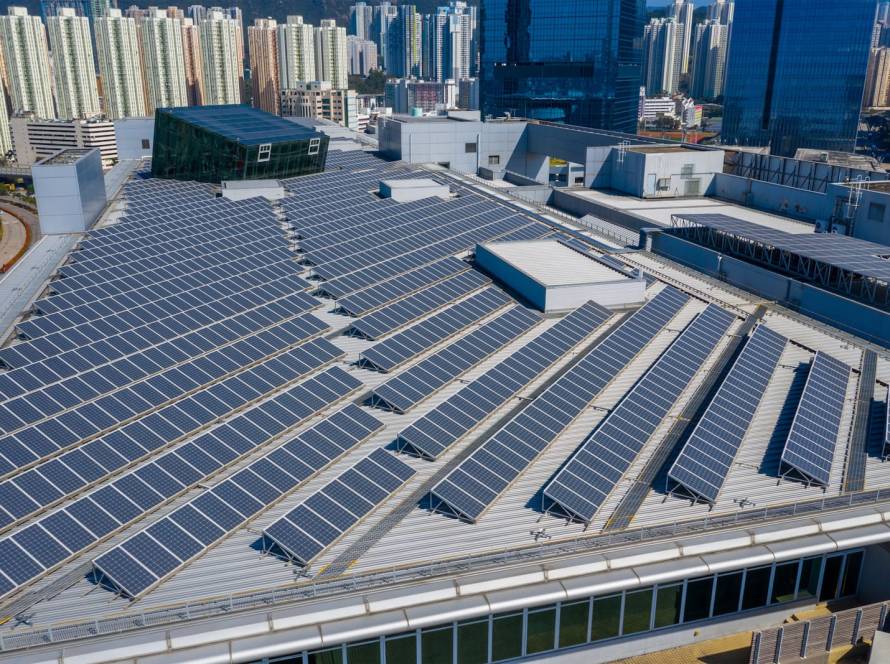
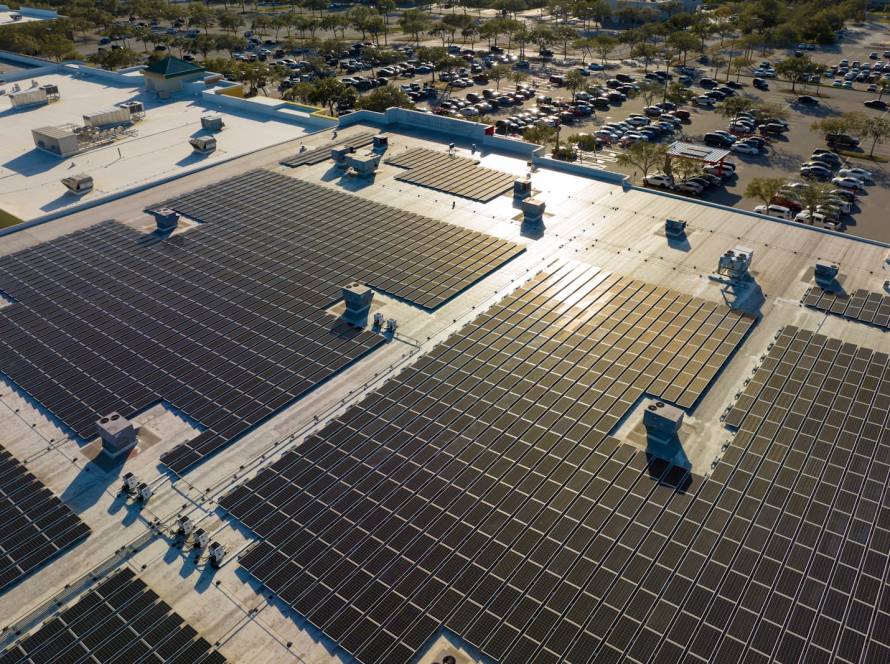
Commercial solar solutions are becoming an important investment for South African businesses looking to reduce electricity costs, improve energy security and create more predictable operating expenses. With electricity tariffs continuing to increase, businesses are increasingly exploring renewable energy systems that can support long-term financial planning while reducing reliance on traditional energy sources.
Understanding the timeline of a commercial solar installation helps businesses plan effectively and avoid unnecessary disruption. From initial assessments and engineering through to installation and commissioning, each stage influences how quickly a solar project can become operational. With proper preparation and experienced project management, businesses can achieve a smoother transition to renewable energy.
Understanding Commercial Solar Installation Timelines
A commercial solar installation is a structured process that involves planning, technical assessments, equipment procurement, construction and system activation. The total timeline depends on several factors, including project size, site complexity, grid requirements and whether battery storage is included. Industry guidance shows that complete solar installation processes can take several weeks to several months, depending on the complexity of the project.
For South African businesses, careful planning is especially important because commercial solar systems must account for local grid requirements, electrical standards and operational needs. A detailed feasibility assessment can identify potential challenges before installation begins, helping reduce delays and ensuring the final system is designed correctly.
The benefits of investing time into proper planning extend beyond installation speed. Solar PV systems can typically operate for 25 years or more, meaning the decisions made during the early stages can influence decades of energy performance. Businesses that approach solar as a long-term infrastructure investment are better positioned to achieve reliable savings and improved energy resilience.
The Key Stages of Commercial Solar Solutions Installation
Commercial solar projects involve several connected stages that determine how efficiently a system moves from concept to operation. Each stage requires careful coordination between technical teams, project managers and business stakeholders to maintain progress and minimise disruption.
Research into solar installation timelines shows that the actual panel installation is often one of the shortest phases. Much of the project timeline is spent on assessments, design approvals, equipment preparation and final commissioning. For larger commercial systems, these planning stages are essential because they ensure safety, compliance and long-term performance.
The following stages provide a clearer understanding of how commercial solar solutions are developed and delivered.
Feasibility Assessment and Site Preparation
The feasibility stage establishes whether a commercial property is suitable for solar energy generation. During this phase, engineers assess energy consumption, roof or ground space, structural conditions, shading risks and existing electrical infrastructure. These assessments help determine the appropriate system size and identify any challenges that could affect installation timelines.
A detailed site review can prevent delays later in the project by identifying issues before construction begins. Businesses with complex facilities, multiple buildings or significant energy demands may require additional technical assessments to ensure the system integrates effectively with existing operations.
Key considerations during feasibility and preparation include:
- Reviewing historical electricity usage and future energy requirements
- Assessing roof strength, available space and mounting requirements
- Analysing shading from nearby structures or vegetation
- Reviewing electrical infrastructure and connection requirements
- Identifying potential access, safety and construction challenges
Once these assessments are complete, businesses have a clearer understanding of project requirements, expected costs and likely timelines. Proper preparation also allows installation teams to plan resources more effectively, reducing the likelihood of unexpected delays.
A well-prepared site creates a stronger foundation for the remaining project stages. By addressing technical and operational considerations early, businesses can move into design and construction with greater confidence while maintaining control over project expectations.
Engineering Design and Project Planning
Engineering design transforms the initial assessment into a detailed solar solution. Engineers create system layouts, determine panel positioning, select suitable components and plan electrical connections. For larger commercial sites, the design process may include battery integration, detailed grid planning and additional technical calculations.
Project planning is equally important because it aligns technical requirements with business objectives. A well-developed plan considers construction schedules, procurement timelines, safety procedures and operational requirements to minimise disruption during installation.
Important design and planning considerations include:
- Solar panel placement and energy generation potential
- Inverter selection and electrical integration
- Battery storage requirements where applicable
- Grid connection planning and compliance requirements
- Construction schedules and operational coordination
Accurate engineering helps businesses achieve better system performance over the long term. Studies across the renewable energy sector show that system design quality directly affects energy yield, reliability and financial returns throughout the lifespan of a solar installation.
Effective planning also supports faster delivery by reducing changes during construction. When technical decisions are finalised before installation begins, project teams can work more efficiently and maintain a clearer path towards commissioning.
Procurement, Installation and Commissioning
The procurement phase involves sourcing solar panels, inverters, mounting equipment, batteries and other required components. Equipment availability can influence project schedules, making early procurement planning important for avoiding unnecessary delays.
The installation stage involves mounting solar panels, completing electrical connections, integrating battery systems where required and preparing the system for operation. While physical installation can often be completed within weeks, larger projects may require additional time due to scale, site conditions and testing requirements.
The main activities during this stage include:
- Ordering and preparing solar equipment
- Installing mounting structures and solar panels
- Connecting electrical components and inverters
- Integrating battery storage systems
- Completing system testing and commissioning
After installation, commissioning confirms that the system operates safely and efficiently. Testing includes performance checks, electrical inspections and verification that the system meets required standards before it begins supplying energy.
A properly managed commissioning process helps ensure businesses receive the expected benefits from their investment. Solar systems that are correctly installed and tested are more likely to deliver consistent performance, reduced energy costs and reliable operation over their lifespan.
How Businesses Can Prepare for Faster Solar Installation
Businesses can improve installation timelines by preparing key information before engaging with a solar provider. Reviewing electricity bills, understanding operational energy requirements and identifying future expansion plans can help engineers design a more accurate system from the beginning.
Energy audits are particularly valuable because they reveal how and when electricity is used. Businesses with strong daytime energy consumption often achieve better returns because solar generation aligns with their operating patterns. Commercial solar systems can reduce electricity costs significantly, with many businesses achieving substantial savings depending on system size and usage.
Preparation also includes ensuring decision-makers are aligned on project goals, budgets and expected outcomes. Clear communication helps prevent delays caused by approval changes, redesigns or incomplete information.
Factors That Can Influence Commercial Solar Solutions Timelines
Commercial solar timelines vary because every project has different technical and operational requirements. Larger systems typically require more equipment, more detailed engineering and longer installation periods. Projects that include battery storage or complex grid connections may also require additional planning and testing.
Understanding these factors allows businesses to create realistic expectations and avoid surprises during implementation. A typical commercial solar project may take several weeks or months from initial planning through final commissioning, depending on its complexity.
Common factors that influence installation timelines include:
- System size and energy capacity requirements
- Roof condition and structural reinforcement needs
- Grid connection approvals and compliance requirements
- Equipment availability and procurement schedules
- Weather conditions and site accessibility
- Battery storage integration
- Operational restrictions at the installation site
By identifying these factors early, businesses can improve project scheduling and reduce avoidable delays. Experienced solar teams use structured planning processes to manage risks and maintain progress throughout the project.
A proactive approach helps businesses balance installation speed with quality. Completing a solar project quickly is valuable, but ensuring safe installation, compliance and long-term reliability remains the priority.
How Eversolar Delivers Commercial Solar Solutions for Businesses
We provide full-service renewable energy solutions designed around the operational realities of large energy users. Our approach combines Solar PV systems, battery energy storage and EPC delivery to create reliable infrastructure that supports cost reduction, energy security and long-term sustainability objectives.
We manage every stage of the project lifecycle, from feasibility assessments and engineering design through procurement, installation, commissioning and ongoing support. Our flexible financing options, including Power Purchase Agreements and Rent-To-Own models, help businesses access renewable energy solutions while aligning investment with their financial strategies.
Our commercial solar solutions support multiple industries, including:
- Agriculture, where reliable solar power supports irrigation, cold storage and processing operations
- Mining, where hybrid and battery systems improve energy security in demanding environments
- Commercial facilities, where solar helps stabilise energy costs and improve efficiency
- Industrial operations, where dependable power supports continuous production
- Property developments and REITs, where renewable infrastructure improves sustainability performance and asset value
We focus on delivering projects with structured quality controls, technical expertise and long-term support. Our teams provide remote monitoring, preventative maintenance, technical assistance and system optimisation to help clients maintain reliable performance throughout the lifecycle of their renewable energy assets.
By combining engineering knowledge, flexible funding and ongoing technical care, we help businesses move towards energy independence with solutions designed for measurable operational and financial benefits.
How Ongoing Support Improves Solar Performance
Installing a commercial solar system is only the beginning of its lifecycle. Regular maintenance and technical support help businesses protect their investment, maintain efficiency and identify potential issues before they cause significant downtime.
Preventative maintenance can include inspections, firmware updates, equipment checks and performance monitoring. Battery systems, inverters and electrical components require particular attention because they play a central role in ensuring reliable energy management.
Industry data shows that quality solar panels can continue operating for 25 years or longer, making ongoing maintenance important for maximising long-term value. Proper care helps businesses achieve stronger returns by extending equipment life and maintaining energy production.
Ongoing support is especially important for industries that rely on uninterrupted power. Manufacturing, mining and agricultural operations depend on reliable energy infrastructure, meaning technical assistance and rapid fault response can protect productivity and reduce operational risks.
Businesses that invest in lifecycle support gain more than a solar installation. They gain a long-term energy strategy designed to improve resilience, control costs and support future growth.
Building Faster Commercial Solar Solutions for South African Businesses
Commercial solar solutions provide South African businesses with a practical way to reduce energy costs, improve resilience and create more predictable energy strategies. While installation timelines depend on project requirements, careful planning, strong engineering and professional support can help businesses move towards renewable energy efficiently.
We help organisations develop reliable Solar PV and battery solutions designed around their unique energy needs. Contact us today to discuss your requirements, explore flexible financing options and discover how we can support your transition towards energy independence.
FAQs About Commercial Solar Solutions
How long does a commercial solar installation take in South Africa?
The timeline depends on system size, site conditions, approvals and equipment availability. Most projects require several weeks from planning to commissioning, while larger installations may take longer because of engineering, grid requirements and battery integration. A detailed assessment helps identify potential delays early and creates a more accurate schedule. Professional planning can reduce disruption by coordinating design, procurement and construction activities effectively. Businesses should prepare energy data and operational requirements before starting to help ensure a smoother process. This supports better decisions for businesses planning reliable renewable energy investments.
What factors can delay commercial solar solutions installation?
Several factors can affect project timelines, including system size, roof conditions, planning requirements, grid approvals and equipment availability. Complex sites may require additional engineering or structural assessments before work begins. Battery storage can also add design, installation and testing requirements. Weather conditions, site access limitations and operational restrictions may influence construction schedules. Businesses can reduce delays by completing early assessments, preparing documentation and working with experienced teams. A structured approach ensures that installation progresses efficiently while maintaining safety, compliance and long-term system performance throughout the project and supports successful long term delivery.
Can businesses continue operating during a commercial solar installation?
Most businesses can continue normal operations during solar installation because work is usually planned around existing activities. Installation teams can coordinate schedules, safety measures and access requirements to minimise disruption. Temporary interruptions may occasionally be needed for electrical connections or final commissioning checks. Larger projects can often be completed in stages to maintain business continuity. Early communication between the business and installation team is important for managing expectations. With careful planning, commercial solar projects can be completed efficiently without significantly affecting daily operations or productivity levels during construction and future growth.
Why is maintenance important after commercial solar solutions are installed?
Regular maintenance helps businesses protect their solar investment, maintain efficiency and extend equipment lifespan. Preventative inspections, performance monitoring and technical support allow potential issues to be identified before they become costly failures. Solar panels can operate for 25 years or more, making long-term care essential for achieving maximum value. Maintenance also supports safety compliance and reliable energy production. For businesses relying on consistent power, ongoing support reduces downtime risks and ensures systems continue delivering predictable savings, operational resilience and improved energy performance throughout their working lifecycle across commercial energy operations.