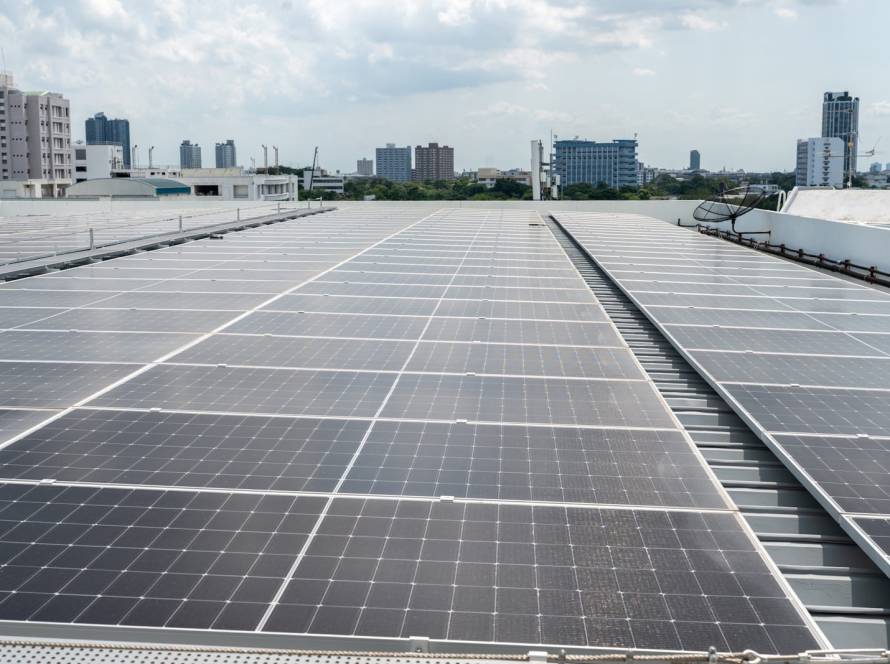
Choosing a commercial solar provider in South Africa requires more than comparing quotations or selecting the company that promises the fastest installation. A commercial solar system is a long-term operational investment. Its design, equipment quality and installation standard will influence electricity savings, system reliability and business continuity for many years. The provider should understand how your facility operates and create a solution around your actual energy requirements.
Warehouses, factories, retail centres, farms and office buildings all use electricity differently. The right solar partner will assess these differences before recommending a system. Careful research at the beginning can help your business avoid unreliable equipment, unsuitable system designs, poor workmanship and limited after-sales support.
Commercial Solar Provider in South Africa: Assess Relevant Experience
Commercial solar installations require specialist knowledge. They often involve large roof areas, complex electrical infrastructure, high electricity demand and working environments where disruption must remain minimal. A provider may have broad electrical experience without having enough experience in commercial solar. Ask for evidence of completed projects involving facilities with energy requirements similar to your own.
Do not assess experience by the company’s age alone. Review the size and complexity of its previous installations, its understanding of commercial operations and its ability to manage projects from assessment through to commissioning. A suitable commercial solar provider in South Africa should explain its previous work clearly and show how its experience relates to your facility.
Examine Technical Expertise and Compliance
A credible commercial solar provider in South Africa should have appropriately trained professionals who understand solar design, electrical safety, roof structures and local installation requirements. Poor workmanship can lead to loose electrical connections, damaged roof materials, water leaks, corrosion and potential fire hazards. These risks may reduce system performance and create additional costs long after the installation team has left the site.
Ask the provider to explain its qualifications, licences, insurance cover and quality-control processes. You should also establish whether it uses an internal installation team or relies heavily on subcontractors. Outsourcing does not automatically indicate poor quality, but the provider must still take responsibility for workmanship, safety and regulatory compliance throughout the project.
Commercial Solar Provider in South Africa: Review the Energy Assessment
A successful commercial solar project begins long before equipment arrives on site. The quality of the initial energy assessment influences every stage that follows, from system sizing and equipment selection to projected energy savings and future expansion opportunities. A provider should take time to understand how your business consumes electricity throughout the day rather than relying on assumptions or generic calculations. This process helps ensure the proposed system aligns with your operational requirements instead of simply matching available products.
Every commercial facility has unique energy demands that can change over time. A warehouse may experience consistent daytime consumption, while a manufacturing plant may have significant peak loads or seasonal fluctuations. Office buildings, retail centres and industrial facilities also operate differently depending on occupancy, production schedules and business growth. A thorough assessment provides the technical foundation for a system that delivers dependable performance and meaningful long-term value.
When evaluating how a provider approaches an energy assessment, consider whether it:
- Reviews historical electricity bills to understand long-term consumption.
- Analyses daily load profiles and peak demand periods.
- Assesses operating hours and seasonal usage patterns.
- Evaluates roof condition, available installation space and shading.
- Considers future expansion plans and increasing electricity demand.
- Identifies equipment or operations that require uninterrupted power.
- Recommends a tailored system rather than a standard package.
- Explains how the proposed system supports operational and financial objectives.
Businesses should be cautious when a provider recommends equipment before gathering sufficient operational information. A proposal developed without understanding actual electricity usage may lead to an oversized or undersized system, reducing potential savings and limiting future performance. Asking detailed questions about the assessment process allows businesses to understand the reasoning behind each recommendation.
A comprehensive energy assessment also creates greater confidence in the overall investment. It demonstrates that the provider has considered the facility as a whole instead of focusing only on the installation itself. This level of planning supports better engineering decisions, improves long-term efficiency and helps businesses maximise the value of their commercial solar investment.
Compare System Design and Equipment Quality
Solar panels form only one part of a commercial energy system. When evaluating a commercial solar provider in South Africa, businesses should also assess the quality and compatibility of the inverters, mounting structures, electrical protection, battery storage and monitoring equipment. Every component should work as part of an integrated solution. A weakness in one area can reduce the efficiency or reliability of the entire system.
Ask why the provider selected each component and how the equipment suits your operating environment. The system should allow for safe installation, straightforward maintenance and potential future expansion. Reliable equipment, strong manufacturer support and suitable warranty protection usually provide better long-term value than components selected mainly to reduce the initial quotation.
Consider the Inverter Strategy
The inverter performs one of the most important functions within a commercial solar installation by converting the electricity generated by the solar panels into usable power for the business. Modern inverter technology also contributes to system monitoring, operational safety, battery integration and overall energy management. Selecting the correct inverter configuration helps ensure the system performs efficiently under the specific conditions found at the facility.
Different commercial properties require different inverter solutions. Factors such as roof layout, shading, electricity demand, future battery storage and expansion plans all influence which configuration will deliver the strongest long-term performance. Rather than recommending a single approach for every project, a knowledgeable provider should explain why a particular inverter strategy best suits the business’s operational requirements.
When comparing inverter recommendations, businesses should review:
- Whether the proposed inverter suits the property’s roof layout.
- How the system will perform if parts of the roof experience shading.
- Compatibility with Battery Energy Storage Systems (BESS).
- Monitoring capabilities and access to performance data.
- Grid compatibility and electrical protection features.
- Expansion capacity for future business growth.
- Expected conversion efficiency and operational reliability.
- Long-term maintenance requirements and warranty support.
The provider should clearly explain how the inverter integrates with the wider solar system instead of simply listing technical specifications. Understanding the role of the inverter allows businesses to compare proposals based on practical performance rather than focusing only on individual equipment brands or features. This approach supports better long-term decision-making.
Businesses should also consider how the inverter contributes to future flexibility. A well-planned inverter strategy allows the system to evolve as operational demands change, making it easier to integrate battery storage, increase generating capacity or improve energy management without requiring unnecessary system redesign.
Evaluate Installation and Project Management
A strong design can still fail to deliver value when project execution is poor. When selecting a commercial solar provider in South Africa, businesses should evaluate how projects are managed from start to finish. Commercial installations require coordination between engineers, electricians, equipment suppliers, safety personnel and site managers. The provider should present a realistic project plan covering procurement, roof preparation, installation, electrical integration, testing and final commissioning.
Ask how the team will protect normal business operations while completing the work. Clear communication, defined responsibilities and proper scheduling help reduce delays and disruption. A provider offering complete project management can also give the business one accountable point of contact throughout the installation instead of leaving it to coordinate several separate contractors.
Commercial Solar Provider in South Africa: Compare Warranties and Support
Commercial solar systems are expected to operate reliably for many years, making warranties and ongoing support important factors when selecting a provider. While high-quality equipment contributes to system performance, even the best installations require dependable technical assistance throughout their operational life. Businesses should understand exactly what support will be available after commissioning rather than assuming assistance will be provided when needed.
A strong warranty package reflects confidence in both the equipment and the quality of the installation. However, businesses should evaluate more than the warranty period alone. It is equally important to understand how warranty claims are managed, who performs repairs and whether the provider has the resources to continue supporting the system well into the future.
When reviewing warranty and support arrangements, consider whether the provider offers:
- Clear workmanship warranty terms.
- Comprehensive manufacturer warranty support.
- Remote system performance monitoring.
- Preventative maintenance programmes.
- Rapid fault response procedures.
- Ongoing technical assistance after installation.
- Performance reporting and system optimisation.
- A dedicated long-term support process for commercial clients.
Reliable after-sales support helps protect the value of the investment long after installation has been completed. Proactive monitoring can identify performance issues before they develop into larger problems, reducing downtime and helping businesses maintain predictable energy production. Preventative maintenance also contributes to equipment longevity and improved operational reliability.
Businesses should view warranties and support as part of the overall partnership rather than a simple contractual obligation. Providers that remain actively involved after commissioning are often better positioned to optimise system performance, recommend future improvements and ensure the installation continues meeting changing operational requirements over time.
Review Monitoring and Maintenance
Modern monitoring systems allow businesses to track electricity generation and identify unusual performance. Ask whether authorised staff will have access to live and historical data. The provider should also explain who monitors alerts, how quickly it responds to faults and whether reporting forms part of the ongoing service.
Commercial systems also require periodic inspections and maintenance. Dust, severe weather, loose connections and aging components may affect performance over time. A clear maintenance plan helps protect equipment and supports consistent energy production. It also allows the business to include ongoing system care in its operational planning.
Consider Financing and Long-Term Value
Different businesses approach solar investment in different ways. Some prefer direct ownership, while others may consider structured agreements that reduce the need for a large initial capital commitment. The provider should explain the available arrangements clearly, including ownership, maintenance responsibilities, contract obligations and options for future expansion.
Avoid choosing a partner based only on the lowest proposal. Compare expected energy production, equipment lifespan, maintenance support, warranty coverage and the system’s ability to adapt as your business grows. The best commercial solar provider will focus on total long-term value rather than presenting the installation as a once-off transaction.
Check Reputation and Previous Client Experience
A provider’s reputation often provides valuable insight into the quality of its work, communication and long-term customer support. Marketing material may highlight technical capabilities, but feedback from previous commercial clients offers a more realistic picture of how projects are delivered in practice. Taking time to investigate a provider’s track record can reduce uncertainty and support a more informed purchasing decision.
Commercial solar installations represent significant long-term investments, making it worthwhile to look beyond promotional claims. Businesses should seek evidence that the provider consistently delivers projects safely, professionally and according to agreed timelines. Previous experience with facilities that have similar operational requirements can also provide greater confidence in the provider’s ability to deliver a successful outcome.
Before selecting a provider, businesses should review:
- Completed commercial projects similar to their own.
- Client references and testimonials.
- Independent reviews where available.
- The provider’s communication throughout previous projects.
- Evidence of long-term client relationships.
- Experience across different commercial sectors.
- Whether installation work is managed directly or subcontracted.
- The provider’s responsiveness to after-sales support requests.
Speaking with previous clients can reveal valuable information that may not appear in a proposal or marketing brochure. Businesses can learn how effectively the provider communicated during the project, whether installation deadlines were achieved and how technical issues were handled after commissioning. These practical insights often prove just as valuable as technical specifications when comparing providers.
A strong reputation is usually built through consistent delivery, dependable support and long-term client satisfaction. Businesses that take time to verify previous experience place themselves in a stronger position to select a commercial solar partner capable of delivering reliable performance, quality workmanship and ongoing support for many years.
Case Study: Selecting the Right Solar Partner
A South African manufacturing firm decides to invest in commercial solar after reviewing its electricity consumption and long-term operating requirements. Its management team believes solar could lower electricity costs, improve energy planning and support future growth. Although the business feels confident about adopting solar, it struggles to choose a provider because several companies appear to offer similar services.
The firm creates a structured comparison process instead of focusing on promotional claims. It reviews each provider’s commercial experience, qualifications, completed projects, system design methods, equipment standards, warranties and maintenance services. The company also gathers detailed consumption records, requests site assessments and consults an independent industry expert to help its team understand the technical proposals.
After completing its research, the firm selects a provider that demonstrates relevant project experience, clear engineering capability and dependable long-term support. The chosen proposal does not rely on a standard package. It reflects the facility’s actual load patterns, future production plans and roof conditions. The company moves forward with greater confidence because its decision rests on technical suitability and lifetime value rather than one factor alone.
Questions to Ask Before Signing an Agreement
Before accepting a proposal, ask who will design, install and commission the system. Confirm what information informed the recommended system size and request an explanation of expected energy generation. You should also understand how the provider calculated projections and what assumptions could affect actual performance.
Ask who will handle maintenance, warranty claims and technical faults after installation. Confirm the proposed timeline, safety processes and arrangements for minimising operational disruption. A trustworthy provider should answer these questions directly and provide the important commitments in writing.
What Commercial Solar Solutions Do Eversolar Offer?
We deliver integrated commercial solar solutions that help businesses improve energy independence, strengthen operational resilience and reduce long-term energy expenditure. Our expertise includes Solar PV systems, Battery Energy Storage Systems (BESS) and complete Engineering, Procurement and Construction (EPC) project delivery. We tailor every solution to the operational and financial requirements of the business rather than applying a standard design. Our commercial systems are available as grid-tied, hybrid and off-grid configurations, allowing organisations to choose the solution that best aligns with their facility, energy consumption patterns and long-term objectives. We also offer flexible financing through Power Purchase Agreements (PPA) and Rent-to-Own Solar, making it easier for businesses to adopt modern renewable energy infrastructure while maintaining predictable energy costs.
We work with offices, factories, warehouses and retail facilities to design systems that integrate smoothly with existing operations while supporting future growth. Our grid-tied systems help reduce electricity consumption from the grid, while our hybrid systems combine Solar PV with BESS to optimise energy storage, reduce reliance on the grid and provide reliable backup power during outages. For remote or energy-intensive operations, our off-grid systems provide dependable independent power. Alongside installation, we manage projects from engineering through commissioning with full EPC delivery, and we continue supporting our clients through remote performance monitoring, preventative maintenance, technical assistance and ongoing system optimisation. By combining quality components, careful engineering and long-term support, we help businesses build reliable commercial energy solutions that continue delivering value well into the future.
Build a Reliable Commercial Solar Partnership
Selecting a commercial solar provider in South Africa should involve a balanced review of experience, technical capability, system quality, compliance, project management and ongoing support. A thorough selection process reduces installation risk and improves the likelihood that the system will deliver dependable energy production and meaningful operational benefits.
Eversolar helps South African businesses explore commercial solar solutions suited to their facilities, energy requirements and long-term objectives. Whether you are planning a grid-tied, hybrid or off-grid installation, looking to integrate Battery Energy Storage Systems, or exploring flexible financing options, our team is ready to help. Get in touch with Eversolar to discuss your energy requirements and discover how we can help your business build a reliable, efficient and future-ready commercial energy solution.
FAQs
How do I choose the right commercial solar provider in South Africa?
Choosing the right commercial solar provider in South Africa starts with evaluating experience rather than focusing only on price. Look for a provider that has successfully completed commercial projects similar to your facility, whether it is a warehouse, office building, factory or retail centre. They should be able to explain their design process, demonstrate technical expertise and provide evidence of previous work. A thorough assessment of your electricity consumption should form the basis of every proposal, ensuring the recommended system is tailored to your operational requirements instead of being a generic solution. Also review project management capabilities, warranties, maintenance services and long-term technical support before making your final decision.
What should a commercial solar proposal include before I make a decision?
A professional commercial solar proposal should provide much more than a system size and installation estimate. It should explain how the provider assessed your electricity usage, roof conditions, shading, operating hours and future expansion requirements. The proposal should clearly outline the recommended equipment, including solar panels, inverters, battery storage where applicable, monitoring systems and mounting structures. It should also explain expected system performance, warranty coverage, maintenance arrangements, project timelines and ongoing support. A detailed proposal allows businesses to compare providers fairly and understand why specific design decisions have been made for their particular facility and operational needs.
Why is commercial solar experience important when selecting a provider?
Commercial solar projects differ significantly from residential installations because they often involve higher electricity demand, larger roof areas and more complex operational requirements. An experienced provider understands how to design systems that minimise disruption while supporting continuous business operations. They also understand electrical integration, safety requirements and future expansion planning for commercial facilities. Providers with a proven commercial track record are generally better equipped to anticipate technical challenges before installation begins. Reviewing previous commercial projects, client references and industry experience helps businesses choose a provider capable of delivering reliable long-term performance rather than simply completing the installation itself.
How important are warranties and after-sales support for commercial solar?
Warranties and ongoing support play an important role in protecting the long-term value of a commercial solar investment. Businesses should review both workmanship warranties and manufacturer warranties before signing an agreement. It is equally important to understand how warranty claims are managed and whether the provider offers remote monitoring, preventative maintenance, technical assistance and system optimisation. Reliable after-sales support helps identify performance issues early, reducing the likelihood of unexpected downtime or costly repairs. Choosing a provider that remains actively involved after commissioning helps ensure the system continues operating efficiently while supporting changing business requirements over time.
Why is a detailed energy assessment necessary before installing commercial solar?
A detailed energy assessment allows the provider to understand exactly how your business consumes electricity before designing a solar solution. This process typically includes reviewing historical electricity bills, analysing daily consumption patterns, identifying peak demand periods, assessing roof conditions and considering future business growth. Without this information, the proposed system may be oversized, undersized or poorly suited to operational requirements. A comprehensive assessment also helps determine whether battery storage, specific inverter configurations or future expansion should form part of the design. Businesses that prioritise thorough planning generally achieve better long-term energy performance, greater operational reliability and stronger returns from their commercial solar investment.