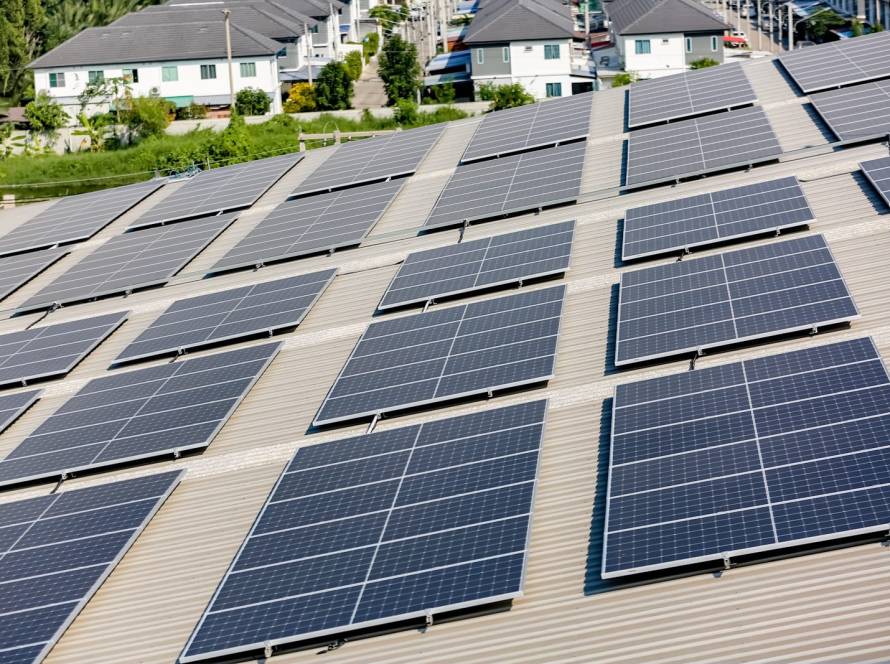
A solar power purchase agreement can help a business use on-site solar energy without taking on the upfront cost or day-to-day responsibility of owning the system. Instead of buying the equipment, the business agrees to purchase the electricity it produces over an agreed period. This can suit offices, factories, warehouses and other commercial properties that want to manage energy costs while keeping capital available for core operations.
The arrangement can feel straightforward once the roles, contract terms and responsibilities are clear. The provider develops and operates the system, while the business pays for the electricity generated on its premises. A well-considered agreement should match the site’s energy needs, property arrangements and longer-term plans.
What a Solar Power Purchase Agreement Means
A solar power purchase agreement is a long-term contract between a business and a solar energy provider. The provider typically funds, designs, installs, owns, monitors and maintains the solar system. The business hosts the system, often on its roof or available land, then pays for the electricity it produces rather than for the equipment itself.
This structure separates the benefit of using solar energy from the responsibility of owning the asset. The business can reduce its reliance on grid electricity without managing technical maintenance, equipment repairs or system performance. The provider, meanwhile, takes responsibility for keeping the system operating effectively throughout the agreement period.
The Solar Services Model
The business purchases an energy service rather than a solar installation. This means the provider has a clear interest in designing a reliable system and maintaining it properly, because the system must generate electricity for the agreement to work as intended.
The provider may also coordinate system design, permissions, installation and grid connection requirements. This reduces the number of separate parties the business needs to manage during the project.
- The provider funds and owns the solar infrastructure for the agreed period.
- The provider manages design, installation and technical system requirements.
- The business hosts the system and buys the electricity it generates.
- The provider monitors performance and carries out planned maintenance.
- The parties agree on access, responsibilities and service expectations.
This model allows a business to focus on its ordinary operations while using electricity produced by an on-site solar system. It also gives the provider responsibility for the technical work that supports consistent generation, including overseeing equipment performance and responding to maintenance needs.
Before entering the agreement, both parties should understand their respective duties. The business may need to provide safe access to the roof or site, protect the equipment from avoidable damage and notify the provider of site changes. Clear responsibilities help prevent practical issues after installation.
Solar Power Purchase Agreement: How the Payment Structure Works
A solar power purchase agreement normally charges the customer according to the electricity the system generates and the business uses. Rather than making fixed repayments for solar equipment, the business pays a pre-agreed tariff for each unit of electricity supplied by the on-site system. This makes the arrangement performance-based.
The contract should explain how the tariff will change over time. Many agreements include a defined annual escalation so the business can forecast future energy spending with greater confidence. The site remains connected to the grid, which continues to supply electricity when solar production does not meet the property’s full demand, such as overnight or during periods of low sunlight.
- The customer pays for electricity generated by the on-site system.
- The agreement sets out the tariff and how it changes over the contract term.
- Metering records the energy supplied and supports accurate billing.
- The grid continues to supply electricity when solar generation is insufficient.
- The contract should explain invoice dates and payment processes.
This payment structure links the business’s solar costs to actual system output. It avoids treating the solar installation as a conventional asset purchase and gives the customer a clearer connection between the energy produced on site and the amount billed each month.
Businesses should review the tariff alongside their normal energy-use profile. A system that produces electricity when the site has strong daytime demand can support a better operational fit. Finance teams should also make sure that the billing process and supporting records are clear from the start.
Paying for Generated Energy
Solar generation changes with weather, daylight hours, seasonal conditions and site demand. Under this model, the customer pays for actual electricity produced, rather than carrying the risk of an underperforming system alone. Accurate metering helps both parties track production and billing.
The agreement should also set out how the parties will handle meter readings, invoices, billing dates and any questions about recorded generation. Clear processes make it easier for finance and facilities teams to manage the arrangement from month to month.
Why the Tariff Needs Careful Review
A lower starting tariff matters, but it should not be the only factor a business considers. The escalation rate, contract duration, expected savings profile and terms for early exit can all affect the long-term value of the arrangement.
Decision-makers should compare projected solar generation with their normal electricity consumption pattern. A system designed around daytime demand often provides the strongest fit, especially for businesses that operate during standard working hours.
Solar Power Purchase Agreement: Who Owns and Maintains the System?
With a solar power purchase agreement, the provider usually keeps ownership of the solar system for the duration of the contract. This means the provider takes responsibility for planned maintenance, system monitoring and addressing faults that affect production. The business gains access to solar electricity without needing to build an internal maintenance capability.
This ownership model can also reduce the practical burden of managing equipment warranties, panel cleaning schedules and technical inspections. The contract should still describe what the host customer must do, such as providing safe access to the property, avoiding damage to equipment and reporting visible issues promptly.
- The provider usually retains ownership throughout the contract period.
- The provider monitors the system to identify performance issues.
- Planned inspections and maintenance support reliable generation.
- The provider manages repairs and technical support within the agreed terms.
- The host customer provides access and helps protect the installation.
Ownership by the provider can remove a substantial technical responsibility from the business. Rather than arranging separate maintenance support or managing system warranties internally, the business can rely on the agreed lifecycle management service while concentrating on its own operations.
The customer should still understand the scope of maintenance and how the provider handles faults. A useful agreement outlines service expectations, access requirements and response processes. This gives the business a practical understanding of what support it can expect over the life of the system.
Monitoring, Maintenance and Insurance
Regular monitoring helps the provider identify unusual drops in generation before they become prolonged problems. Maintenance may include inspections, component checks, cleaning where necessary and repairs. The agreement should specify expected response times and the process for resolving faults.
Insurance responsibilities also need clear wording. Businesses should understand which risks the provider covers, which property-related risks remain with the host, and what happens if damage affects the system. This avoids uncertainty after severe weather, accidental damage or site changes.
Contract Length, Flexibility and Property Considerations
A solar power purchase agreement often runs for several years because the provider needs enough time to recover its investment and operate the system. The length should suit the business’s expected occupation of the premises, future energy requirements and broader property plans. A customer leasing a building should check that its remaining lease term supports the proposed agreement.
The contract should also deal with changes that may affect the solar system. New building work, roof repairs, extensions, equipment installations or nearby structures can reduce access to sunlight or make maintenance more difficult. Discussing these possibilities before signing helps protect both the energy output and the working relationship.
Selling or Moving From the Property
A business may sell its premises, relocate or change its operational footprint before the agreement ends. The parties should agree in advance on the available options. In some cases, a new property owner may take over the agreement. In others, the system may be moved or the customer may have a defined purchase or exit option.
These provisions should be practical, not overlooked legal detail. A flexible arrangement can support business growth and property decisions, while unclear terms may create delays when the business needs to act quickly.
Assessing Whether the Arrangement Fits Your Site
Before entering a solar power purchase agreement, a business should assess its energy consumption, building suitability and long-term plans. Start by reviewing when the site uses the most electricity, how much roof or land area is available and whether shading may affect performance. High daytime use often supports a stronger match with on-site solar generation.
It is equally important to examine the contractual details. Ask how the provider will calculate generation, what support it will provide, which responsibilities sit with each party and how the agreement deals with expansion, relocation or a sale of the property. A detailed assessment helps the business make a decision based on operational reality rather than assumptions.
- Review electricity use across different times of the day.
- Assess available roof or land area and potential shading.
- Consider how long the business expects to occupy the property.
- Confirm that the agreement supports future property plans.
- Review performance, access, maintenance and exit provisions.
A site assessment should look beyond the available roof space. It should consider the building’s electricity demand, operational hours and any future changes that could influence consumption. This helps ensure that the proposed solar system aligns with the way the business actually uses energy.
The business should also consider its wider property commitments before signing. Lease arrangements, planned building alterations and potential relocation can all affect the suitability of a long-term agreement. Raising these issues early allows the provider to propose an arrangement that supports the customer’s longer-term position.
Case Study: An Office Block Explores Its Options
An office block in South Africa had recently invested in solar energy after its management team looked for a sensible way to reduce electricity-related operating costs. The team believed on-site generation suited the building’s regular daytime demand and wanted a solution that could support tenants without creating unnecessary operational complexity. Their main question was how they should pay for the solar energy over the long term.
The property managers spoke with industry specialists, reviewed their consumption patterns and considered the responsibilities that come with owning a system directly. Several specialists suggested a solar power purchase agreement because it would allow the office block to buy the energy generated while a provider managed the system itself. The team then examined possible contract terms, metering arrangements, maintenance responsibilities and what would happen if the property changed ownership.
Their findings showed that the agreement could offer predictable energy planning without requiring the office block to manage the technical side of the installation. Before proceeding, the team confirmed the roof’s suitability, checked that the agreement aligned with tenant and property plans, and made sure the contract included clear provisions for performance, access, maintenance and future flexibility.
How Does Eversolar’s Power Purchase Agreement Work?
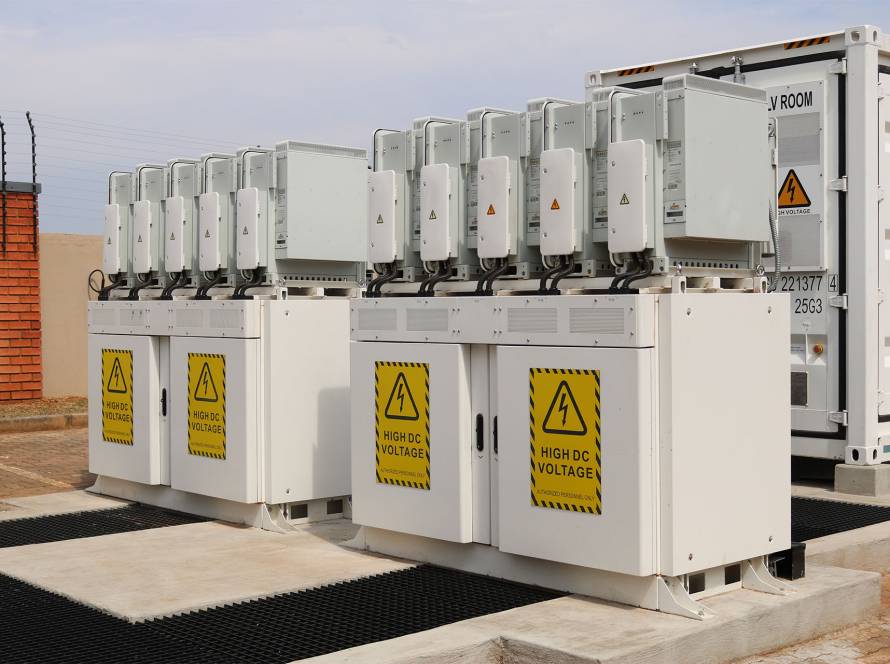
At Eversolar, we provide a fully managed power purchase agreement solution for organisations that want renewable electricity without upfront capital expenditure. We finance, install and operate customised Solar PV and battery energy storage infrastructure that matches each site’s operational demand. Our integrated approach covers feasibility assessments, load profiling, engineering design, financing structures, procurement, construction, grid integration and commissioning within a turnkey EPC framework.
We support mining, agricultural, commercial, industrial, property development and REIT operations that need long-term energy stability and scalable deployment. Our team manages the full technical lifecycle, including remote monitoring, preventive maintenance and performance management to optimise generation, storage efficiency and system reliability. We use premium-quality components, rigorous safety standards and performance analytics to support dependable renewable power across demanding operating environments.
- We assess site feasibility and profile the operation’s energy demand.
- We design customised Solar PV and battery energy storage infrastructure.
- We manage financing, procurement, construction and grid integration.
- We commission the system within a turnkey EPC delivery framework.
- We provide remote monitoring, preventive maintenance and ongoing performance management.
- We support mining, agriculture, commercial, industrial, property and REIT operations.
Our service brings the key stages of a solar project together under one managed solution. By handling planning, engineering, construction and technical management, we help businesses implement renewable infrastructure that reflects their specific demand patterns and operational requirements.
We continue supporting the system after commissioning through monitoring, maintenance and performance analytics. This full-lifecycle approach is designed to maintain generation output, storage efficiency and long-term system reliability, while giving organisations a clearer route to managing their energy needs.
Solar Power Purchase Agreement: A Practical Route to Solar Energy
A solar power purchase agreement offers a practical route for businesses that want to use solar energy without owning and operating the system themselves. It can support predictable energy planning, reduce maintenance responsibility and allow the business to pay for the electricity generated on site. The strongest outcomes come from matching the system and agreement to the property’s actual energy use and future plans.
For a solution shaped around your commercial property and operational needs, get in touch with Eversolar. The team can help you explore the right approach to commercial solar and assess whether a PPA structure suits your business.