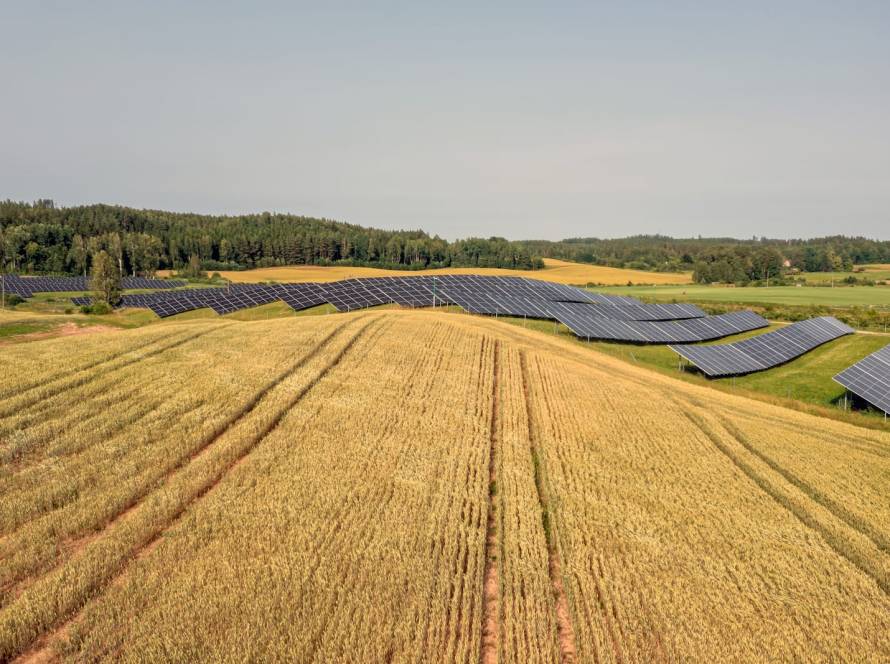
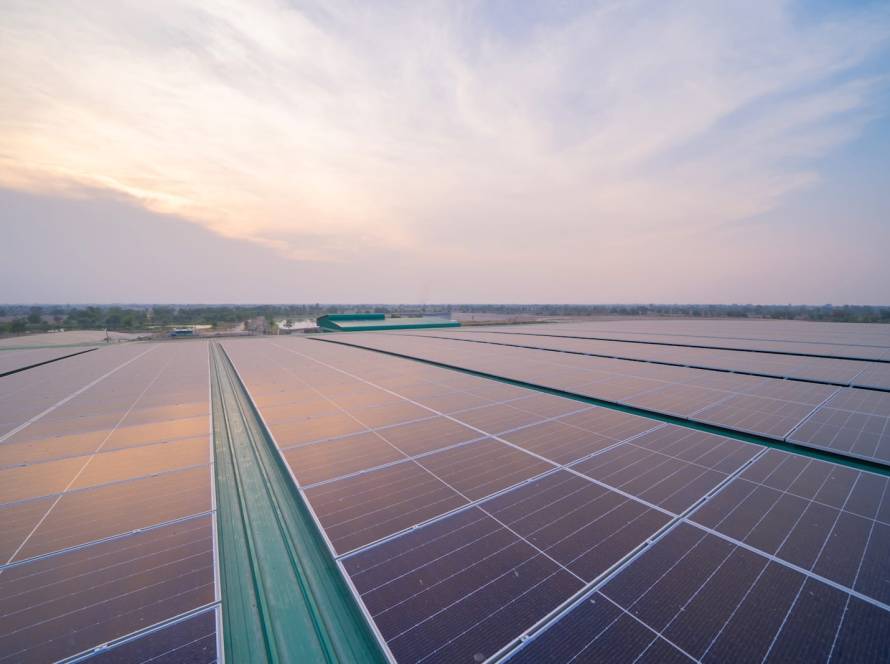
Energy-intensive businesses need an energy solution that reflects the reality of their operations. Electricity demand can change sharply across a working day as refrigeration, machinery, pumps, processing equipment and other major loads switch on and off. Well-designed commercial solar systems for energy-intensive industries start with this operational picture, helping businesses reduce grid reliance without overlooking the equipment and processes that keep the site productive.
A successful installation is not defined by panel quantity alone. It depends on accurate energy analysis, sound electrical design, safe installation planning and reliable post-installation support. When these elements work together, solar becomes a practical business asset that can support cost control, energy resilience and more informed long-term planning.
Understanding Energy Use and Peak Demand in Commercial Solar Systems for Energy-Intensive Industries
The design process should begin with electricity bills, interval data, tariff structures and operating schedules. These inputs show how much electricity the site uses, when demand is highest and whether major consumption occurs during daylight hours. They also help identify the equipment that drives consumption, such as compressors, chillers, pumps, production lines, motors or packing equipment.
Peak demand requires separate attention from total monthly consumption. A site may use substantial electricity overall while experiencing its most expensive demand during a short daily period. By modelling both patterns, commercial solar systems for energy-intensive industries can be designed to reduce the most valuable portion of grid use rather than simply producing electricity at times when the business has limited demand.
Key information considered during this assessment includes:
- Monthly electricity consumption and billing patterns
- Interval data showing demand across the day
- Electricity tariffs and peak-demand periods
- Operating hours, production schedules and seasonal changes
- Equipment that creates high or critical energy loads
- Daytime demand that can be offset by solar generation
This information allows the solar design to reflect the business’s actual energy profile instead of an assumed average. It can show whether the site has steady daytime demand, sharp demand peaks or operating periods that require a more carefully managed energy strategy. Understanding these patterns early helps ensure that solar capacity is directed where it can make the strongest contribution.
It also gives decision-makers a more reliable basis for evaluating savings and resilience. When the design is based on real operating data, the proposed system can account for the interaction between solar generation, grid use and critical equipment. This makes the investment easier to assess against the business’s financial and operational priorities.
Assessing the Site and Available Space
A site assessment considers much more than the visible size of the roof. Roof condition, structural capacity, orientation, shading, access routes, fire-safety requirements and maintenance access all influence the final design. Areas for inverters, protection equipment, cabling and future maintenance also need to be considered before construction begins.
Ground space may create an additional opportunity where roof space is limited, unsuitable or unable to accommodate the required capacity. At larger sites, a combined rooftop and ground-mounted arrangement can provide a practical balance between available space, electrical connection points and operational access. In this way, commercial solar systems for energy-intensive industries are matched to the physical realities of the property rather than a generic layout.
Choosing the Right Commercial Solar Configuration for Energy-Intensive Industries
Grid-tied solar is often well suited to businesses with consistent daytime electricity use. It allows solar generation to offset electricity that would otherwise be bought from the grid, making it a strong option for sites where daytime machinery, cooling, processing or pumping creates regular demand.
Solar paired with battery storage can be appropriate when the business also needs selected loads to remain available during supply interruptions. Hybrid configurations can coordinate solar, batteries, the grid and existing backup generation according to the site’s priorities. The correct option should be based on operational risk, the cost of downtime, available budget and the business’s longer-term energy objectives, not on a standard package.
Designing Around Industrial Equipment and Operations
Factories, warehouses, farms and processing sites do not all use electricity in the same way. Some have large motors that create high start-up demand, while others require stable power for refrigeration, controls, temperature-sensitive stock or irrigation. The solar design needs to account for these operating conditions and identify which loads are essential to business continuity.
This is why commercial solar systems for energy-intensive industries should include clear load prioritisation. Critical circuits, non-critical equipment, planned operating hours and any existing backup supply must be understood before the electrical design is finalised. A system that reflects the site’s actual working pattern is more likely to support operations effectively without creating avoidable limitations.
Important operational factors to assess include:
- Machinery start-up requirements and large motor loads
- Refrigeration, cooling and temperature-control needs
- Pumps, irrigation systems and water-management equipment
- Production schedules, shift patterns and planned downtime
- Critical circuits that require priority power support
- Existing backup-generation arrangements and changeover requirements
Each of these factors affects how the system should be configured and controlled. For example, equipment with high start-up demand may need careful electrical planning, while constant refrigeration loads may create a strong opportunity for daytime solar self-consumption. A proper assessment ensures that the solar system works with the operational needs of the site.
Load prioritisation is also valuable when battery storage or backup supply forms part of the project. By identifying the processes that are essential to continuity, the business can make more informed choices about where available energy should be directed. This helps maintain focus on the equipment and activities that have the greatest operational importance.
Sizing the System for Meaningful Savings
The aim is not simply to cover every available surface with solar panels. Designers should evaluate consumption profiles, usable installation space, expected generation, electricity tariffs, electrical constraints and realistic future energy needs. This allows the proposed capacity to support a credible business case instead of relying on broad estimates.
Oversizing can result in generation that the site cannot use effectively, while an undersized system may leave valuable daytime savings unrealised. Proper modelling helps establish an appropriate balance between capital investment and anticipated benefit. When commercial solar systems for energy-intensive industries are sized around real consumption, businesses can make a clearer decision about expected savings and possible future expansion.
Integrating Battery Storage Where It Adds Value
Battery storage is most valuable when it has a specific role. It can support priority loads during interruptions, retain some daytime solar generation for later use, reduce generator runtime and improve how the site manages periods of high demand. Its value is therefore linked to the business’s operating requirements, rather than to storage capacity alone.
A sound battery design considers the power required by essential equipment, the amount of usable energy needed and the duration for which those loads should run. It should also account for the control strategy between solar generation, batteries, the grid and any backup supply. This focused approach helps commercial solar systems for energy-intensive industries deliver practical resilience rather than unnecessary capacity.
Battery storage can be evaluated against several practical business needs:
- Supporting essential loads during supply interruptions
- Retaining excess daytime solar generation for later use
- Reducing reliance on generators where appropriate
- Helping manage high-demand operating periods
- Improving self-consumption of generated solar energy
- Supporting a phased approach to greater energy resilience
The value of storage becomes clearer when each of these outcomes is assessed against the site’s actual requirements. A facility that needs continuity for a small number of essential circuits may require a very different design from one that must support a larger portion of its operational load. This prevents battery capacity from being selected without a defined purpose.
Storage should also be considered as part of the broader commercial energy strategy. The relationship between solar generation, load priorities, grid availability and existing backup systems determines how useful battery capacity will be in practice. A carefully defined role for storage helps the business invest in resilience that is aligned with its operational and financial priorities.
Electrical Integration, Protection and Compliance
Commercial solar requires careful integration with the site’s existing electrical system. Inverters, switchgear, isolation points, protection equipment, distribution boards, metering and cable routes need to work together safely. The installation must also be configured to respond correctly to faults and prevent unsafe energisation of an unavailable network.
Grid-connected systems are subject to registration and connection requirements that depend on the installation’s capacity and the relevant electricity distributor. Current national guidance distinguishes between systems up to 100 kW and those above 100 kW, while local connection processes and technical requirements can vary. Planning for these requirements from the outset helps avoid delays and supports safe, compliant commissioning.
Planning Installation Around Business Continuity
Installation should be planned around the rhythm of the business. Production schedules, trading hours, deliveries, site access, staff movement and safety controls all influence how the work should be phased. Where a shutdown is necessary, it should be planned carefully so that the impact on operations is controlled and understood.
A professional installation programme identifies work areas, material routes, electrical changeover requirements and site-specific risks before work begins. This reduces unnecessary disruption and gives operational teams confidence in the process. At sites where downtime affects output, stock or temperature control, careful coordination is a core part of project quality.
A continuity-focused installation plan should address:
- Production and trading hours that must be protected
- Delivery routes, loading areas and access controls
- Working-at-height requirements and site safety procedures
- Electrical shutdown windows and changeover planning
- Material storage areas and installer movement around the site
- Communication with operations, maintenance and safety teams
These measures allow the installation to progress in a controlled manner while respecting the needs of the operating site. A clear programme gives the business visibility of when work will occur and how specific areas may be affected. This is especially valuable where different departments depend on continuous access to particular spaces or electrical systems.
Early coordination also helps identify practical constraints before they become delays. For example, maintenance windows, planned shutdowns and delivery schedules can be incorporated into the project plan rather than addressed at short notice. This supports a safer installation process and helps reduce the likelihood of avoidable disruption to normal operations.
Monitoring Performance After Commissioning
Commissioning confirms that the installation has been tested, configured and handed over correctly. Electrical protection settings, metering, system controls and monitoring should be checked before the system begins normal operation. The handover should also make clear what the system is designed to support and how the business can use it responsibly.
Ongoing monitoring provides visibility of solar generation, energy consumption, battery behaviour and potential faults. This helps facilities teams identify performance issues early and compare expected output with actual operating results. With this information, the business can treat solar as a measurable operating asset rather than a once-off capital project.
Best Commercial Solar Systems Designed for High Energy Demand Industries in South Africa
At Eversolar, we offer some of the best commercial solar systems designed for high energy demand industries by combining Solar PV, Battery Energy Storage Systems and complete EPC project delivery. For factories, warehouses, offices, retail facilities and energy-intensive operations, our grid-tied systems can offset daytime electricity consumption while maintaining access to the grid. Where energy resilience is more important, our hybrid systems combine Solar PV and BESS to store and manage energy, reduce grid reliance and support operations during outages. For remote facilities or sites requiring greater independence, our off-grid systems can provide a dependable power solution while reducing reliance on diesel or backup generators.
We tailor these solutions to each business’s operational and financial requirements, with precision engineering, premium components and end-to-end project management supporting seamless integration with existing operations. Our BESS solutions can help businesses maximise self-consumption, manage peak demand and improve how stored solar energy is used. We also offer flexible financing through Power Purchase Agreements and Rent-to-Own Solar, helping organisations adopt modern solar infrastructure while maintaining predictable energy costs. With ongoing performance monitoring, preventive maintenance and technical support, we help clients build an energy strategy that can scale as their operations grow.
Our commercial offering includes:
- Solar PV systems designed to offset onsite electricity consumption
- Battery Energy Storage Systems for energy storage and priority-load support
- Grid-tied configurations for daytime energy-cost reduction
- Hybrid systems that combine Solar PV, BESS and grid supply
- Off-grid systems for remote or independent power requirements
- Full EPC delivery, including engineering, procurement and project management
- Flexible Power Purchase Agreement and Rent-to-Own Solar financing options
- Ongoing monitoring, preventive maintenance and technical support
Each solution can be applied according to the needs of a high-energy environment. Grid-tied systems may suit operations with strong daytime consumption, while hybrid systems can provide additional flexibility for sites that require stored energy and greater continuity. Off-grid configurations can support facilities where independent power is essential, and BESS can help businesses make more effective use of solar generation while supporting selected loads.
Our full EPC capability allows us to coordinate the project from design through to installation, commissioning and ongoing support. By combining technical planning with financing options and long-term system care, we help commercial clients adopt solar infrastructure in a way that supports predictable energy costs, operational reliability and future growth.
A Solar Design Built Around Your Business
The strongest commercial solar systems for energy-intensive industries are designed around energy data, site conditions, essential equipment and operational priorities. A properly planned system can reduce daytime grid use, support selected critical loads and give the business a more dependable foundation for future energy decisions.
If your business is considering commercial solar, contact Eversolar. We can assess your site, analyse your energy profile and develop a solution that supports meaningful savings while working alongside your daily operations.
FAQs
Can commercial solar systems reduce electricity costs for energy intensive industries?
Commercial solar systems can reduce the electricity bought from the grid by generating power. For energy intensive industries, the strongest value usually comes from matching the system’s output to predictable daytime demand, such as production lines, refrigeration, pumping, compressed air or processing equipment. Savings depend on consumption patterns, tariff structure, roof or ground space, connection capacity and system design. Solar does not automatically eliminate grid dependence, particularly overnight or during poor weather. A thorough site assessment, interval usage data and load profile are needed to calculate a realistic system size, expected output, savings and payback period for the specific operation.
When does battery storage add value to a commercial solar system?
Battery storage can be worthwhile when it serves a purpose. Businesses may use batteries to retain daytime solar energy for later use, support priority loads during supply interruptions, reduce generator reliance or manage high demand periods. The right battery system is determined by the power required, usable energy needed, support duration and the loads that must remain operational. Not every commercial site needs storage from the start. Where daytime consumption is high and the grid remains available, a grid tied system may be sufficient. An assessment helps establish whether storage adds value and how it should integrate with solar effectively.
What compliance requirements apply to commercial solar systems?
Commercial solar systems must be integrated with the site’s electrical infrastructure by qualified professionals. The design should consider inverters, switchgear, protection devices, distribution boards, metering, isolation points and cable routes. Grid connected installations are subject to registration and connection requirements that vary according to system capacity and the electricity distributor. Technical requirements can differ between supply areas, so compliance planning should begin during design rather than after installation. Commissioning confirms that the system has been tested and configured safely. Businesses should receive ongoing documentation, operating information and support needed to use the system responsibly and monitor its performance over time.