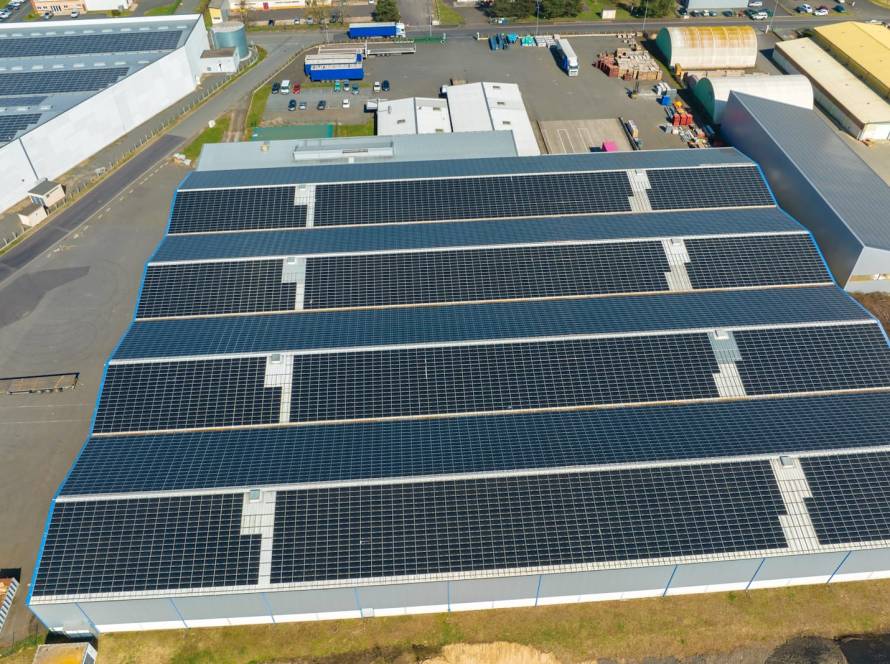
Installing solar changes where a factory gets its electricity. Proving manufacturing solar savings takes a closer look at what the system generates, how the factory uses that energy and which charges it avoids. A smaller electricity bill offers a useful starting point, but it cannot explain the full result. Production volumes, operating hours and billing changes can all affect the figures.
Accurate measurement connects generation records with electricity accounts and factory activity. This helps owners understand what they have saved, spot performance problems and make practical changes that improve the return on their installation.
Manufacturing Solar Savings Start With a Fair Baseline
Before calculating savings, establish how much grid electricity the factory would have used without solar. Gather electricity accounts and available meter records from before installation. Ideally, review a full year to understand seasonal patterns, shutdown periods and changes in production. Record operating hours, output and major electricity users alongside consumption. This creates a baseline that reflects how the factory actually runs, rather than relying on one unusually busy or quiet month.
Use this baseline to estimate electricity use under the conditions of the reporting period. For example, a factory working extra shifts after installation would probably have purchased more grid electricity without solar. Comparing its new bill directly with an older, quieter month could understate the benefit. Keep your assumptions clear and explain any adjustments. Where historic records are incomplete, agree on a reasonable estimation method with a qualified energy professional and acknowledge the uncertainty.
- Match reporting periods and billing dates.
- Record production volumes and operating hours.
- Flag shutdowns and unusual consumption.
- Document baseline adjustments.
Check that the records cover the same factory areas and electricity supply points. If production moved between buildings, explain how that affects the comparison before attributing a reduction to solar.
Retain the original records alongside your adjusted baseline. This makes the calculation easier to review and gives future reports a consistent starting point when operating conditions change again.
Collect Generation, Import and Export Records
Solar generation and electricity savings describe different things. Generation measures the electricity the installation produces, usually in kilowatt-hours. Savings depend on what happens to that electricity. Collect generation readings, grid import readings and export readings for matching dates. Also record factory consumption where available. Align these records with the electricity account’s billing period so that a calendar-month generation total does not accidentally get compared with a different set of billed days.
For a factory without batteries, generation minus exports gives a useful measure of solar electricity used on site, provided the readings cover consistent measurement boundaries. Battery systems need additional checks because storage losses, grid charging and changes in stored energy affect the balance. To measure manufacturing solar savings accurately, distinguish solar electricity delivered to factory loads from electricity moving into storage. Avoid counting the same energy when it charges a battery and again when the battery supplies machinery.
Manufacturing Solar Savings Depend on When Electricity Is Used
Electricity generated during working hours can replace electricity the factory would otherwise buy. Its financial value depends on the applicable tariff at that time. South African factories may have different supply arrangements and time-of-use periods, so a single average rate can hide meaningful differences. Match the solar electricity used on site to the variable charges it actually avoids. Keep any export credits separate and include them only where an approved arrangement and billing records support them.
A practical calculation starts with avoided grid energy charges, adds confirmed export credits and includes any verified reductions in other bill components. Fixed charges may remain payable, while demand charges depend on the relevant billing rules and measured demand. Do not assume that lower daytime imports automatically reduce the factory’s highest chargeable demand. Calculating manufacturing solar savings requires checking each account component, rather than multiplying every generated kilowatt-hour by the total bill’s average cost.
Account for Production Changes and Other Improvements
A lower bill does not always mean solar delivered the entire reduction. A factory might have reduced operating hours, repaired compressed-air leaks or replaced inefficient machinery during the same period. These changes can reduce consumption independently of the installation. Keep a simple record of equipment changes, maintenance work, shutdowns and shift patterns. Compare total factory electricity use, including solar supplied on site, with production activity to understand what changed.
Electricity use per unit of output can help explain the results, although product mix and production conditions also matter. A factory producing different components may need a more detailed comparison than one producing identical items throughout the year. Separate manufacturing solar savings from efficiency gains wherever the evidence allows. Solar can reduce grid purchases while total electricity consumption stays similar. Reporting those two outcomes separately prevents a change in electricity supply from appearing as an improvement in machinery efficiency.
- Track output and product mix.
- Note shift and machinery changes.
- Record efficiency upgrades separately.
- Explain unusual operating periods.
Ask production and maintenance teams to confirm when significant changes occurred. Their records can explain consumption patterns that electricity accounts alone cannot reveal, especially when several improvements overlap with commissioning.
Apply the same adjustment method each reporting period. If the available information cannot separate an efficiency improvement from solar’s contribution, explain that limitation instead of presenting the entire reduction as verified solar savings.
Manufacturing Solar Savings Should Include Running Costs
Gross electricity savings show the value of avoided purchases and confirmed credits. Net operating savings subtract the costs of keeping the installation working. Include relevant inspection, cleaning, servicing, insurance and repair expenses where they apply. If the factory pays for solar electricity under a supply agreement, account for those payments too. Keep the calculation consistent so that one month’s result does not exclude expenses that another month’s report includes.
For a cash-purchased system, tracking cumulative net savings against the initial investment helps show progress towards simple payback. Actual payback occurs when those accumulated savings recover the upfront cost. Financed projects also need a separate cash-flow view that includes repayments and fees without counting the same investment twice. Longer-term assessments should allow for degradation, replacement costs and the timing of future savings. Electricity generated after payback still carries operating responsibilities, so it should not automatically be described as free.
Review Actual Results Against the Installation Forecast
Compare measured performance with the original forecast using the same dates and assumptions. Check whether differences come from generation, factory consumption, export volumes or the tariff applied. A cloudy period can reduce output even when the installation works correctly. A shutdown can reduce on-site use despite strong generation. These situations need different responses, which makes a single headline savings percentage an incomplete measure of performance.
A monthly review should show generation, solar electricity used on site, grid imports, exports and net savings. Add production context and explain significant differences from expectations. Reviewing manufacturing solar savings over a full year provides a stronger picture than judging the installation by its first few weeks. If results fall short, investigate missing readings, unexpected downtime, shading or changes in consumption before deciding on corrective action. Where practical, moving flexible processes into daylight hours may increase the share of generation the factory uses directly.
- Compare generation with forecast output.
- Check on-site consumption and exports.
- Reconcile savings with electricity accounts.
- Record corrective actions and responsibilities.
Prioritise discrepancies that repeat across several reporting periods. A recurring gap deserves closer investigation than an isolated variation, particularly when generation remains healthy but the financial benefit consistently falls below expectations.
After making an operational adjustment or completing maintenance, check subsequent results against the same measures. Document the outcome so the factory can see whether the action improved performance and savings.
Case Study: Finding the Factory’s Actual Savings
A factory owner in Gauteng recently installed rooftop solar after electricity expenditure began undermining the viability of running his machinery. The factory operated mainly during daylight hours, making on-site generation a promising fit. Several months after commissioning, his accounts showed lower grid purchases, but the financial benefit remained unclear. Production had increased, some shifts had changed and his electricity account still included charges beyond energy consumption. He wanted evidence of what the installation had achieved.
To understand his manufacturing solar savings, he gathered historic accounts, post-installation meter readings, generation records and monthly production totals. He researched the difference between solar output, avoided purchases and net savings, then asked industry experts to review his approach. Together, they aligned the reporting dates and estimated what the factory would have consumed without solar at its current output. They also checked which tariff components the installation could reduce and confirmed that the factory received no export credits during the period.
The review showed that direct bill comparisons had understated the benefit because the factory now produced more goods. However, treating all generation as avoided grid purchases would have overstated it, since some electricity left the site without a credit. The owner calculated the value of solar used on site, checked the remaining bill components and deducted actual operating expenses. He then established a monthly reporting routine and arranged a performance review to identify safe opportunities for better daytime consumption. The outcome was a documented savings calculation with clear assumptions, rather than an unsupported percentage.
Which Commercial Solar Systems Are Best for Reducing Electricity Costs in Manufacturing Plants?
At Eversolar, we help manufacturing plants choose commercial solar systems that match their operations and financial requirements. Our grid-tied systems offset electricity purchases with solar generation while retaining access to grid supply when generation falls. Our commercial hybrid systems combine Solar PV with Battery Energy Storage Systems (BESS) to increase self-consumption and manage peak demand.
We also provide commercial off-grid systems for remote facilities, reducing reliance on diesel or backup generators. Our industrial solar expertise extends to manufacturing, processing and heavy-duty facilities across Southern Africa. We configure installations around operational loads, production schedules and expansion plans, helping factories select the approach best suited to their electricity requirements.
- Industrial grid-tied systems: We reduce purchased electricity through on-site generation.
- Industrial hybrid systems: We combine Solar PV and BESS to store energy for peak periods, maximise self-consumption and support critical production lines.
- Industrial off-grid and microgrid systems: We integrate solar generation, storage and microgrid technology to reduce diesel use and support operational continuity.
We bring together precision engineering, quality components and full engineering, procurement and construction (EPC) delivery to support safe integration and long-term performance. Our services cover feasibility studies, funding structuring, installation, commissioning and grid synchronisation where applicable. Our hybrid configurations can support operations during outages according to their capacity and design.
With Power Purchase Agreements (PPA) and Rent-to-Own Solar options, we help businesses adopt suitable infrastructure through arrangements that support their financial plans. We also provide remote performance monitoring, preventive maintenance, technical assistance and ongoing optimisation. This combination of engineering expertise and continued support makes us a strong partner for manufacturers seeking measurable electricity cost savings.
Turn Measured Results Into Better Decisions
Reliable manufacturing solar savings figures come from matching electricity records with production activity and the factory’s actual supply charges. A fair baseline, consistent reporting periods and a clear distinction between gross and net savings make the results easier to trust. Regular reviews also help owners identify whether a disappointing month reflects weather, changing operations or a problem that needs attention.
For support assessing your installation’s performance and understanding its contribution to electricity cost savings, get in touch with Eversolar. Start with your electricity accounts, generation records and operating information to support an informed discussion.
FAQs
How Do You Calculate Manufacturing Solar Savings After Installation?
Calculate manufacturing solar savings by estimating what the factory would have paid for electricity without solar, then comparing that figure with its actual electricity costs. Use matching reporting periods and account for production volumes, operating hours and tariff changes. Check how much solar electricity the factory used directly, rather than treating total generation as savings. Include confirmed export credits only where applicable. Deduct relevant operating expenses to establish net savings. If batteries form part of the installation, account for storage losses and grid charging. Keep assumptions documented so another person can review the calculation and understand the results more clearly.
Does All the Electricity Generated by Factory Solar Panels Count as Savings?
No. Solar generation measures electricity produced, while savings depend on how that electricity affects the factory’s purchases and costs. Electricity used directly on site can replace grid purchases at the applicable variable tariff. Exported electricity contributes financially only where an approved arrangement provides a credit. Energy stored in batteries also involves losses and should not count twice when charging and discharging. Surplus generation without compensation does not provide the same bill benefit as direct consumption. Track generation, imports, exports and battery flows over matching periods. This separates technical output from the actual financial value the installation actually delivers each month.
How Do Production Changes Affect Manufacturing Solar Savings Calculations?
Production changes can make simple monthly bill comparisons misleading. A factory that increases output after installing solar may purchase similar amounts of grid electricity despite receiving valuable solar generation. Conversely, reduced shifts can lower electricity purchases independently of solar. Record production volumes, operating hours, product mix and major machinery changes for each reporting period. Use these records to adjust the baseline where appropriate and explain the method clearly. Electricity consumption per unit of output can provide useful context, although different products may require different amounts of energy. Separate efficiency improvements from solar’s contribution wherever available evidence supports that distinction reliably.
Which Costs Should a Factory Deduct When Reporting Net Solar Savings?
Net savings should reflect relevant expenses associated with operating the installation, rather than electricity bill reductions alone. Include applicable cleaning, inspections, servicing, repairs and additional insurance costs. Where the factory purchases solar electricity through an agreement, include those payments consistently. For financed installations, assess repayments and fees in a separate cash flow view without counting the initial investment twice. Longer term assessments should allow for potential component replacements and declining generation. Distinguish actual expenses from future allowances so reports remain transparent. This approach gives owners a clearer picture of manufacturing solar savings and progress towards recovering their investment over time.