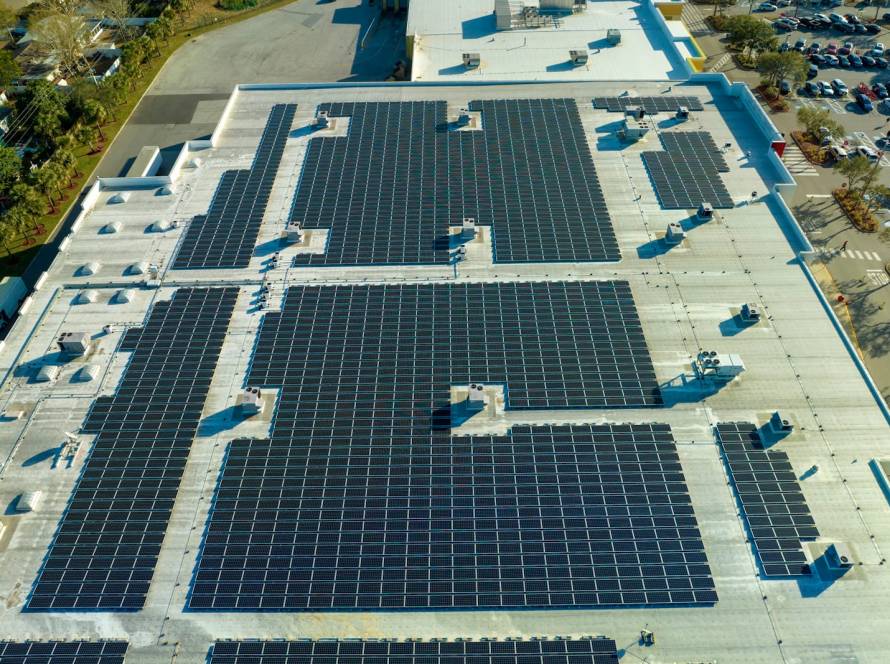
A warehouse solar installation can help reduce purchased electricity and support long-term energy planning. However, a busy warehouse cannot simply pause receiving, picking and dispatch while contractors work. The practical starting point is to identify where installation activities could affect people, goods and power supplies, then agree how to manage those points before construction begins.
Keeping the warehouse productive takes more than scheduling work on the roof. It requires clear access arrangements, coordinated deliveries and a realistic plan for electrical connections. Careful preparation can limit disruption, although some activities may still require temporary restrictions or an agreed shutdown.
Understand How The Warehouse Works
Start by mapping the warehouse’s daily activities. Record receiving periods, dispatch deadlines, forklift routes and the times when staff need particular work areas. Include seasonal peaks and any overnight operations. A warehouse solar installation programme should reflect these requirements so that contractors understand which activities can move and which deadlines must remain fixed.
Review electricity consumption alongside that operational schedule. Lighting, refrigeration, conveyors and charging equipment create different demand patterns. Matching the proposed system to actual consumption helps avoid unnecessary equipment and installation work. In South Africa, an installer should also assess local sunlight conditions and roof orientation when estimating generation, rather than assuming that roof size alone determines the right capacity.
Warehouse Solar Installation: Plan Work In Phases
Ask the installer to divide the project into clear stages. These might cover site preparation, mounting work, panel placement, cabling, electrical integration and commissioning. Each stage should identify its working area, expected duration and effect on warehouse activities. This gives the operations team a practical programme to review before contractors arrive.
Where the design and site conditions allow, contractors can complete one roof area before moving to another. Schedule equipment lifting around quieter yard periods and arrange deliveries outside major receiving windows. Keep some flexibility for unsuitable weather, particularly where wind or rain affects roof work. A phased programme only helps if everyone understands when plans change and who can authorise the next stage.
- Define working areas and access restrictions for each stage.
- Schedule lifting and deliveries around warehouse traffic.
- Identify dependencies before setting completion dates.
- Allow time for weather delays and operational changes.
Review the programme against actual warehouse commitments before approving it. A quieter day may still include an essential collection or stock count. Ask supervisors to identify these conflicts early so contractors can adjust the sequence without creating pressure on dispatch.
Complete a brief review before opening each new work area. Confirm that barriers, access routes and storage arrangements remain suitable. This keeps the next phase linked to current site conditions and prevents yesterday’s agreed plan from becoming today’s unexpected obstruction.
Protect Loading Areas And Staff Access
The roof may sit above warehouse activity, but installation still needs space at ground level. Contractors require access, equipment storage and designated lifting areas. During a warehouse solar installation, poorly positioned materials can obstruct a loading bay just as easily as a delivery vehicle. Agree on these locations before equipment reaches the site.
Separate construction activity from normal staff and vehicle movement. Mark temporary routes clearly and keep emergency exits accessible. Where overhead work creates a risk below, establish appropriate exclusion areas rather than allowing work to continue underneath. If an affected route serves dispatch, agree on an alternative that can safely handle the same traffic before closing the original route.
Assess The Roof Before Work Begins
A large roof does not automatically provide an installation-ready surface. Arrange an assessment of its condition, structural capacity and suitability for the proposed mounting arrangement. Identify fragile areas, skylights, drainage routes and existing equipment. Resolving these issues early helps prevent a warehouse solar installation from stopping midway through because the roof needs unexpected work.
Consider the remaining service life of the roof as well. Completing necessary repairs before installing panels can avoid later removal and reinstallation. The layout should preserve suitable access for maintenance and respect drainage and other building requirements. Ask the installer to explain how mounting work will protect weatherproofing, especially above stored goods that moisture could damage.
Warehouse Solar Installation: Schedule Electrical Connections
Electrical integration deserves its own discussion because it may affect operations more directly than rooftop construction. Ask the installer to identify the circuits involved, the expected shutdown duration and the checks required before restoring power. Establish whether the work affects the entire warehouse or particular areas. Avoid accepting a general promise of minimal disruption without these details.
Choose a connection window with the warehouse manager and the electrical team. This could fall between shifts or outside a critical dispatch period, depending on staffing and site requirements. Before work starts, agree on isolation procedures, restart responsibilities and the response if the connection takes longer than expected. Only appropriately qualified people should manage electrical isolation, connection and testing.
- Confirm affected circuits and equipment beforehand.
- Agree on shutdown timing and expected duration.
- Notify supervisors before isolation begins.
- Assign responsibility for authorising the operational restart.
Prepare warehouse activities around the confirmed interruption. Finish tasks that depend on affected equipment and communicate any temporary changes to receiving or picking. Staff should know when equipment becomes unavailable and who will confirm that normal work can safely resume.
Allow for a controlled restart instead of assuming every activity resumes immediately. The electrical team should confirm readiness before supervisors check affected warehouse functions. Build this verification into the agreed window so dispatch commitments reflect the complete connection process.
Make Separate Arrangements For Critical Loads
Identify equipment that cannot tolerate the planned interruption. Refrigeration, security, communications and essential inventory systems may need different arrangements from general lighting or charging equipment. The warehouse solar installation plan should record how the business will maintain these functions during electrical work. Check existing backup arrangements rather than assuming that they will cover every affected circuit.
Solar generation alone does not guarantee power during an outage or installation shutdown. Backup requires a suitable system configuration, and new batteries may not be available for use before commissioning finishes. If temporary backup is necessary, have a qualified electrical professional assess its capacity, connections and safe operation. Keep construction continuity arrangements separate from the benefits expected once the completed system operates.
Keep Warehouse Teams And Contractors Aligned
Appoint one warehouse contact and one installation contact with clear authority over daily coordination. Before each work period, confirm deliveries, access restrictions, overhead activities and any changes to the programme. This simple routine helps a warehouse solar installation remain aligned with changing operational demands, especially when an urgent shipment alters the day’s priorities.
Give supervisors enough notice to brief their teams and adjust work allocation. Contractors should also know how to report an unexpected obstruction, roof defect or electrical issue. Record changes to agreed working areas and communicate them before work resumes. Clear responsibility prevents staff from receiving conflicting instructions and helps the business respond quickly without making rushed safety decisions.
Warehouse Solar Installation: Test Before Handover
Allow time for commissioning rather than treating the final panel placement as project completion. The installation team should check electrical safety, system operation and monitoring before handing over the system. Where testing affects warehouse equipment, agree on the sequence and timing with the operations team. Confirm any outstanding connection or authorisation requirements before normal operation begins.
Ask for the relevant completion records, operating information and maintenance requirements. Establish who checks performance, who receives fault notifications and how the warehouse requests support. Plan future inspections and roof access around warehouse activity too. An orderly handover helps the business manage its new energy system without introducing avoidable interruptions after the construction team leaves.
- Confirm completion of safety and operational checks.
- Check that monitoring displays the expected information.
- Record outstanding work and responsibility for completion.
- Explain operating procedures and support arrangements to staff.
Include the warehouse representative in the handover discussion. They should understand which information needs routine attention and when to request technical assistance. Clear explanations help staff recognise an issue without attempting electrical adjustments beyond their responsibilities or training.
Agree on how contractors will complete any outstanding work before accepting the handover arrangements. Record the required access and likely operational impact. This prevents small unfinished tasks from creating unplanned visits or restrictions after normal warehouse routines have resumed.
Case Study: Keeping Dispatch On Schedule
A warehouse owner believes the business has reached the right point to invest in solar. The building offers substantial roof space, and daytime operations could use much of the electricity generated. The owner expects the investment to support savings over time, but dispatch deadlines leave little room for disruption. Receiving, picking and deliveries must continue throughout the project, making operational continuity the main concern.
The owner researches warehouse solar installation and asks prospective installers to explain their approach to an occupied site. Together with the warehouse manager, the owner maps forklift routes, busy loading periods and equipment that needs continuous power. They request roof and electrical assessments, then develop a phased programme with separate lifting areas. They also investigate a suitable connection window and arrangements for essential systems during that period.
The research shows that much of the rooftop work could proceed alongside normal activity if contractors maintain safe separation. However, electrical integration still needs a defined interruption and restart plan. Before approving the programme, the owner confirms the connection arrangements, staff responsibilities and contingency time. The warehouse then proceeds with a plan designed to protect daily throughput while acknowledging the specific tasks that require temporary adjustments.
What Are The Best Commercial Solar Solutions For Large Warehouses In South Africa?
At Eversolar, we offer some of the best commercial solar solutions for large warehouses in South Africa. We combine Solar PV, Battery Energy Storage Systems (BESS) and full engineering, procurement and construction (EPC) delivery, tailoring each solution to the warehouse’s operational and financial requirements.
We support warehouse solar installation through precision engineering, quality components and end-to-end project management. Our experience across warehouses, factories, offices and retail facilities informs how we integrate systems with existing infrastructure. We use deployment methods that minimise disruption while prioritising safety, performance and long-term system value.
- Grid-tied systems: We offset warehouse electricity consumption while retaining grid access when solar generation falls.
- Hybrid systems: We combine Solar PV and BESS to increase self-consumption, manage peak demand and support selected loads during outages.
- Off-grid systems: We provide independent power for suitable remote facilities, reducing dependence on diesel generators.
- Flexible financing: We offer Power Purchase Agreements (PPA) and Rent-to-Own Solar to suit different financial strategies.
We assess energy demand and continuity requirements before recommending a configuration. A warehouse focused on daytime consumption may suit a grid-tied approach, while extended operations may benefit from storage. We also plan scalable capacity around business growth and support predictable energy expenditure through suitable financing arrangements.
After installation, we provide remote performance monitoring, preventive maintenance, rapid technical assistance and ongoing system optimisation. Our continued support helps warehouse teams identify performance issues and maintain their infrastructure. We focus on effective use of solar generation and stored electricity as operational requirements develop.
Keep Productivity At The Centre Of The Project
A successful warehouse solar installation starts with understanding how the business works. Roof assessments, phased construction, protected access and planned electrical connections all help reduce avoidable disruption. Clear communication and arrangements for critical equipment give the warehouse team a realistic basis for maintaining daily output while installation progresses.
Get in touch with Eversolar to discuss your warehouse’s energy requirements and operating schedule. Share your dispatch deadlines, access constraints and critical loads so the installation discussion starts with the practical needs of your site.
FAQs
Can A Warehouse Stay Open During Solar Installation?
A warehouse can often remain open during solar installation, provided the project separates construction activities from normal operations. Most panel installation takes place on the roof, but lifting equipment, deliveries and electrical work still need careful coordination. Before work starts, agree on safe access routes, designated storage areas and any temporary restrictions around loading bays. Ask the installer to explain which tasks could affect receiving, picking or dispatch. A phased warehouse solar installation programme can help maintain productivity. However, electrical connections may require a planned interruption, so confirm the affected equipment and arrange a suitable electrical connection window in advance.
Will Installing Solar Require An Electrical Shutdown?
Some electrical connection activities may require a shutdown, even when rooftop installation continues alongside normal warehouse work. The extent depends on the existing electrical infrastructure and proposed system design. Ask the installer to identify affected circuits, estimate the interruption and explain the checks needed before restoring power. Schedule this work outside critical dispatch periods where possible. During warehouse solar installation, essential equipment may need separately assessed backup arrangements. Do not assume newly installed panels or batteries can supply electricity before commissioning. Agree on contingency time and restart responsibilities so warehouse teams understand when equipment can safely return to normal service.
How Can Solar Installers Avoid Blocking Loading Bays?
Installers can reduce loading bay disruption by agreeing on delivery times, lifting areas and equipment storage before arriving. The warehouse manager should share vehicle routes, collection deadlines and busy receiving periods with the installation team. Together, they can identify suitable working areas and alternative routes where necessary. During warehouse solar installation, barriers and clear signs should separate construction activity from staff and forklift movement. Keep emergency exits accessible and restrict movement beneath overhead work where required. Review arrangements daily because shipment volumes and site conditions can change. Good coordination helps protect throughput without allowing operational pressure to override safe access.
Can Solar Panels Keep Warehouse Equipment Running During Installation?
New solar panels cannot automatically keep equipment running while installers connect the system. Until the electrical team completes the necessary connections, checks and commissioning, the new installation may remain unavailable. Solar generation also depends on sunlight, while backup capability requires an appropriate configuration. Before warehouse solar installation begins, identify refrigeration, security, communications and other equipment that cannot tolerate the planned interruption. Ask a qualified electrical professional to assess existing or temporary backup arrangements, including capacity and safe connections. Treat construction backup as a separate requirement from the completed system’s future performance. This helps prevent assumptions that could interrupt essential operations.
How Should Warehouse Staff Prepare For Solar Installation?
Warehouse staff should understand the installation schedule, restricted areas and reporting arrangements before contractors begin work. Supervisors need clear information about deliveries, roof access, lifting activities and any planned electrical interruption. Appoint a warehouse contact who can coordinate changes with the installer and communicate updates across shifts. For warehouse solar installation, brief employees on temporary routes and explain which equipment may become unavailable. Staff should report blocked access or unexpected hazards promptly rather than moving barriers themselves. Before electrical work, complete affected tasks where practical. Confirm who authorises the restart so employees receive consistent instructions when normal operations can resume.
What Checks Should Take Place Before Solar Handover?
Before handover, the installation team should complete relevant electrical safety checks, operational testing and monitoring setup. Warehouse representatives should confirm how any remaining testing will affect equipment and agree on suitable timing. Request completion records, operating information and maintenance requirements, together with clear support contacts. A warehouse solar installation handover should also explain who reviews performance and how faults reach the responsible team. Record outstanding work, completion responsibilities and access requirements before contractors leave. Plan future inspections around warehouse activity. These arrangements help staff manage the system confidently and reduce avoidable interruptions from unfinished work, unclear procedures or unexpected visits.