Warehouses are among the most energy-intensive commercial facilities in South Africa. From lighting and ventilation systems to conveyor belts, charging stations, refrigeration equipment, and automated machinery, electricity plays a vital role in keeping operations running smoothly. As energy demands continue to grow, many warehouse owners are looking for practical ways to reduce electricity consumption without compromising productivity. This is where commercial solar has become an increasingly attractive solution.
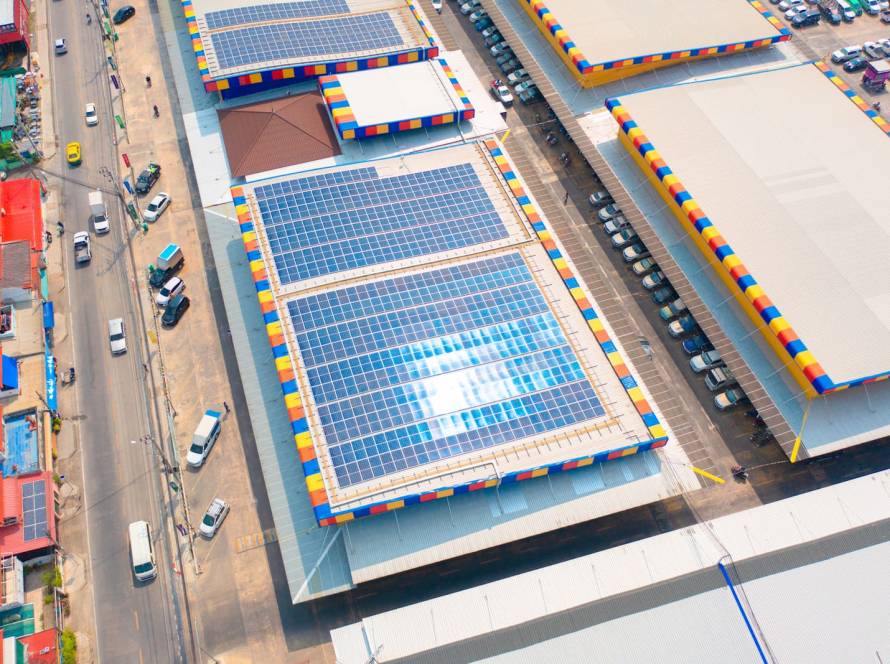
Large warehouse buildings often have one major advantage that many other businesses do not: vast amounts of unused roof space. Instead of leaving these areas idle, businesses can use them to generate clean electricity from the sun. By producing power on-site, warehouses can reduce their reliance on traditional electricity sources, improve energy efficiency, and create a more sustainable operation that supports long-term business goals.
Why Warehouses Use So Much Electricity
Warehouses depend on electricity for almost every aspect of their daily operations. Lighting systems often run for extended periods, especially in facilities that operate around the clock. Forklift charging stations, inventory management systems, security infrastructure, temperature control equipment, and automated machinery all contribute to significant energy consumption throughout the day.
As warehouses expand and introduce more advanced technologies, their electricity requirements often increase. This can place pressure on operational budgets and make energy management a critical business priority. Understanding where energy is used is the first step toward identifying opportunities to improve efficiency and reduce overall consumption.
How Commercial Solar Helps Warehouses Reduce Electricity Costs
Warehouses consume large amounts of electricity every day to support critical operations. Lighting, material handling equipment, refrigeration systems, ventilation infrastructure, charging stations, and automated machinery all require a dependable supply of power. Because these systems often operate for long periods, electricity usage can quickly become one of the largest operational expenses within a warehouse environment.
One of the most effective ways to reduce this ongoing electricity demand is by generating power on-site. Rather than relying solely on external electricity sources, warehouses can use their available roof space to produce renewable energy that directly supports daily operations. This approach allows businesses to improve energy efficiency while creating a more predictable and sustainable energy strategy.
Key Ways Commercial Solar Reduces Electricity Costs
- Generates electricity directly at the warehouse where it is needed.
- Reduces dependence on electricity supplied from external sources.
- Makes productive use of large, unused rooftop areas.
- Supports energy-intensive equipment and machinery during daylight hours.
- Helps offset a significant portion of daily electricity consumption.
- Improves overall energy efficiency across warehouse operations.
- Creates long-term energy savings through on-site power generation.
One of the biggest advantages of commercial solar is its ability to generate electricity directly where it is needed. Instead of relying entirely on external electricity supplies, warehouse operators can produce a substantial portion of their energy requirements on-site. This reduces the amount of electricity that needs to be imported from the grid during daylight hours.
Warehouses are particularly well suited to solar energy because they often operate during the same hours that solar panels generate electricity. This natural alignment allows businesses to use a large percentage of the energy they produce. As a result, the system works efficiently and delivers maximum value from the available sunlight.
Making Better Use of Warehouse Roof Space with Commercial Solar
Many warehouse roofs remain largely unused throughout the life of the building. These expansive roof areas provide an ideal location for solar panel installations because they are typically free from obstructions and receive good exposure to sunlight throughout the day.
Installing commercial solar on warehouse rooftops allows businesses to transform an underutilised asset into a productive energy-generating resource. Unlike many other building improvements, solar installations continue to deliver value every day by generating electricity and supporting ongoing operational requirements. This makes roof space one of the most valuable resources available to warehouse owners.
Long-Term Energy Stability and Business Resilience
Energy management is about more than simply reducing consumption. Large warehouses require dependable power every day to maintain productivity, support logistics operations, and ensure that equipment functions efficiently. Any disruption to energy availability can impact workflows, making long-term energy planning an essential part of operational success.
As warehouses continue to expand, energy requirements often become more complex. Businesses therefore need solutions that not only improve efficiency today but also support future growth. By generating electricity on-site, solar energy provides an additional layer of control that helps warehouse operators build a more resilient and adaptable energy strategy.
Benefits for Long-Term Stability and Resilience
- Greater control over energy planning and management.
- Reduced reliance on external electricity sources.
- Improved operational resilience during periods of grid instability.
- Enhanced ability to support future business growth.
- Increased energy independence for critical operations.
- Better alignment between energy generation and daytime operations.
- Stronger long-term sustainability and business continuity.
Energy planning is an important part of managing any warehouse operation. Unpredictable electricity expenses can make budgeting more challenging and may impact future growth plans. Solar energy helps create greater stability by allowing businesses to generate a portion of their own power rather than relying entirely on external electricity sources.
In addition to supporting day-to-day operations, solar energy can contribute to broader business resilience. Warehouses that produce their own electricity gain greater control over their energy strategy and are often better positioned to manage future operational demands. This added level of energy independence can strengthen long-term planning and improve overall operational confidence.
Environmental Benefits of Commercial Solar for Warehouses
Sustainability has become an important consideration for many businesses across South Africa. Warehouses consume significant amounts of electricity, which means they also have an opportunity to make a meaningful environmental impact through cleaner energy solutions.
By adopting commercial solar, warehouse operators can reduce their reliance on fossil fuel-generated electricity and lower their carbon footprint. This contributes to more environmentally responsible operations while also supporting broader sustainability objectives. Demonstrating a commitment to renewable energy can also strengthen relationships with customers, partners, and stakeholders who value responsible business practices.
Understanding the Commercial Solar Installation Process
Site Assessment and Energy Analysis
Every successful solar installation begins with careful planning and evaluation. Before any equipment is installed, specialists need to understand how the warehouse operates, how much electricity it consumes, and how suitable the building is for solar power generation. This stage helps ensure that the final system is designed to meet both current and future energy requirements.
A detailed assessment also helps identify opportunities to maximise performance. Factors such as roof orientation, shading, structural integrity, available installation space, and energy consumption patterns all influence how effectively a solar system will operate. Taking the time to gather this information creates a strong foundation for a successful project.
Key Elements of a Site Assessment
- Evaluation of roof size and available installation space.
- Assessment of roof orientation and sunlight exposure.
- Identification of shading from nearby structures or vegetation.
- Review of structural integrity and load-bearing capacity.
- Analysis of historical electricity consumption patterns.
- Assessment of operational requirements and future growth plans.
- Identification of opportunities to maximise energy generation.
Every successful solar project begins with a detailed assessment of the property. Specialists evaluate factors such as roof size, orientation, structural integrity, shading, and energy consumption patterns. This information helps determine the most effective system design for the facility.
A thorough assessment ensures the proposed solution aligns with the warehouse’s operational requirements. It also helps identify opportunities to maximise energy generation and optimise the overall performance of the installation.
System Design and Installation
Once the assessment is complete, engineers develop a customised solar design tailored to the facility. This includes determining the placement of panels, selecting equipment, and planning the integration of the system with existing electrical infrastructure.
The installation process generally takes place on the roof, which means warehouse operations can often continue with minimal disruption. After installation, the system undergoes testing and commissioning to ensure it operates safely and efficiently before becoming fully operational.
The Role of Battery Storage in Warehouse Energy Management
Battery storage systems can enhance the effectiveness of solar energy by storing excess electricity generated during peak sunlight hours. This stored energy can then be used when electricity demand increases or when solar production decreases later in the day.
For warehouses with variable energy requirements, battery storage provides additional flexibility and control. It allows businesses to make better use of the energy they generate and supports a more balanced approach to energy management throughout the day.
Case Study: A Warehouse Owner Searches for a Better Energy Solution
A warehouse owner in South Africa began noticing that electricity consumption was becoming one of the largest operational challenges facing the business. The facility relied heavily on lighting systems, conveyor equipment, charging stations, ventilation systems, and various automated processes. Every day, large amounts of electricity were required to keep operations running efficiently. As the warehouse expanded and equipment usage increased, energy demands continued to grow, placing additional pressure on the business.
Determined to find a more sustainable solution, the owner started speaking with industry peers and researching alternative energy options. Several contacts within the warehousing and logistics sector recommended exploring solar energy as a way to reduce dependence on traditional electricity sources. Interested in learning more, the owner spent time researching how solar systems worked, how warehouses could benefit from rooftop installations, and what factors influenced overall system performance.
After reviewing the available information, the owner realised that the warehouse’s large roof area provided an excellent opportunity for solar energy generation. The research showed that solar panels could help offset a significant portion of daytime electricity demand while supporting long-term sustainability goals. Confident in the potential benefits, the owner decided to move forward with a solar assessment to explore how a tailored solution could support the warehouse’s future energy requirements.
Why Commercial Solar Is a Smart Investment for Large Warehouses
Large warehouses possess several characteristics that make them ideal candidates for solar energy adoption. Their expansive roof space provides significant room for solar panel installations, while their high daytime electricity consumption allows them to use a large proportion of the energy generated on-site. This combination creates an environment where solar power can deliver substantial operational and environmental benefits.
Beyond the immediate energy advantages, warehouse owners are increasingly viewing solar energy as a long-term strategic investment. Rather than treating energy purely as an operational expense, businesses can transform available infrastructure into a productive asset that supports growth, efficiency, and sustainability objectives over many years.
Reasons Commercial Solar Is a Smart Investment
- Makes productive use of large, underutilised warehouse roof space.
- Supports high daytime electricity demand with on-site energy generation.
- Improves overall energy efficiency across warehouse operations.
- Reduces dependence on traditional electricity sources.
- Strengthens long-term operational resilience.
- Supports sustainability and carbon reduction initiatives.
- Provides a scalable energy solution that can grow with the business.
Warehouses have unique characteristics that make them ideal candidates for solar energy. Large roof areas, significant daytime electricity consumption, and long operational hours create the perfect environment for solar power generation. When these factors work together, businesses can unlock substantial operational and environmental benefits.
Beyond reducing electricity consumption, commercial solar helps businesses make better use of existing assets, strengthen sustainability efforts, improve energy resilience, and support long-term growth. As more warehouse operators look for practical ways to improve efficiency, solar energy continues to stand out as one of the most effective solutions available.
What Are the Best Commercial Solar Solutions for Large Warehouses in South Africa?
Large warehouses require energy solutions that can support high electricity demands, maintain operational continuity, and adapt as business requirements evolve. At Eversolar, we deliver integrated commercial solar solutions specifically designed to help warehouses improve energy independence, reduce operating expenses, and strengthen long-term operational resilience. Our expertise includes Solar PV systems, Battery Energy Storage Systems (BESS), and full EPC project delivery, ensuring every solution is tailored to the facility’s operational and financial objectives. We offer grid-tied systems for warehouses looking to offset electricity consumption while maintaining seamless access to the grid, hybrid systems that combine Solar PV and BESS to optimise energy usage and improve reliability, and off-grid systems that provide independent power for remote or energy-intensive facilities.
We understand that every warehouse has unique operational requirements, which is why we offer flexible financing solutions, including Power Purchase Agreements (PPA) and Rent-to-Own Solar options. These solutions enable businesses to adopt modern solar infrastructure while maintaining predictable energy costs. Through precision engineering, premium components, and comprehensive project management, we ensure seamless integration with existing warehouse operations while maximising safety, efficiency, and long-term performance. We also provide ongoing support through remote performance monitoring, preventive maintenance, technical assistance, and system optimisation. This allows warehouse operators to focus on their core operations while we help them build a reliable, scalable, and future-ready energy strategy that grows alongside their business.
Consider using Commercial Solar to Power Your Warehouse
For large warehouses, commercial solar offers a practical way to reduce electricity costs while making better use of available roof space. By generating clean energy on-site, businesses can improve operational efficiency, strengthen energy resilience, and support long-term sustainability goals. Combined with battery storage and a well-designed installation, solar energy can become an important part of a warehouse’s overall energy strategy.
The ability to generate electricity directly where it is needed gives warehouse operators greater control over their energy future. As businesses continue looking for ways to improve efficiency, reduce environmental impact, and strengthen long-term resilience, solar energy remains one of the most effective solutions available for large commercial facilities. If you’re looking for ways to reduce your warehouse’s electricity consumption and unlock the value of your rooftop space, Eversolar can help. Contact our team today to learn more about commercial solar solutions designed specifically for large warehouse facilities across South Africa.
FAQs
Is commercial solar a good investment for large warehouses?
Yes, commercial solar is often an excellent investment for large warehouses because these facilities typically have high electricity consumption and extensive roof space. Warehouses use power for lighting, automation systems, charging stations, ventilation equipment, refrigeration, and material handling machinery. A solar installation allows businesses to generate electricity on-site and reduce reliance on traditional power sources. Over time, this can improve operational efficiency and strengthen energy resilience. Large warehouses are particularly well suited to solar because they often consume the most electricity during daylight hours, which aligns closely with when solar panels produce the most energy.
Can commercial solar power all of a warehouse's electricity needs?
The answer depends on the warehouse's energy demand, available roof space, and system design. Some warehouses can generate a substantial portion of their electricity requirements through solar power, while others may use solar as part of a broader energy strategy. Many businesses combine solar generation with battery storage and grid connectivity to create a balanced and reliable energy solution. Because warehouses often consume large amounts of electricity, solar systems are typically designed to offset as much consumption as possible during daylight hours. A detailed assessment helps determine the most suitable solution for each facility.
What is the role of battery storage in warehouse solar systems?
Battery Energy Storage Systems play an important role in helping warehouses maximise the value of their solar installation. During periods of strong sunlight, solar panels may generate more electricity than the facility immediately requires. Battery storage allows this excess energy to be stored for later use rather than going unused. Warehouses can then access stored energy during periods of increased demand or when solar production decreases. This improves energy flexibility, enhances operational resilience, and allows businesses to make better use of the renewable energy they generate throughout the day.
What are the benefits of commercial solar for warehouse sustainability goals?
Commercial solar helps warehouses reduce their environmental impact by generating clean, renewable electricity on-site. By lowering reliance on electricity generated from fossil fuels, businesses can reduce carbon emissions and support broader sustainability objectives. This can be particularly valuable for organisations seeking to strengthen their environmental credentials and demonstrate a commitment to responsible business practices. Beyond environmental benefits, solar energy also supports long-term operational resilience and energy efficiency. For many warehouses, solar forms an important part of a wider sustainability strategy that balances business performance with environmental responsibility and future growth objectives.