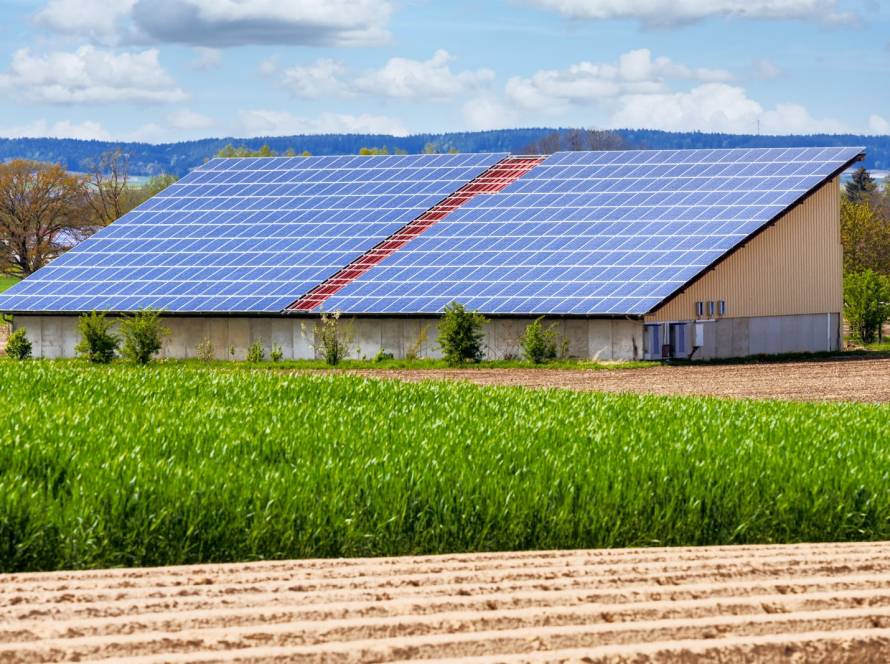
Choosing between centralised solar vs separate tenant systems starts with understanding how an industrial park operates. A warehouse, a workshop and a cold storage facility may share a property while using electricity very differently. The right arrangement must connect suitable roof space, daily electricity demand and clear management responsibilities. It must also work with the park’s electrical infrastructure and the way tenants receive their supply.
A shared installation can make good use of suitable roofs and combined daytime demand. Separate installations can give tenants greater control. Neither option suits every park, and the strongest decision starts with measured information rather than panel numbers alone.
Centralised Solar vs Separate Tenant Systems: Understand the Difference
A centralised arrangement supplies participating buildings or shared services through a coordinated solar installation and electrical network. Panels may occupy several roofs, so centralised does not necessarily mean one building or one inverter.
Separate tenant systems supply individual premises through their respective electrical installations. Each tenant may have different generation capacity, storage and operating priorities. However, separate equipment does not automatically create electrical independence where tenants share a bulk connection.
- Shared arrangement: Coordinate generation and supply across participating premises.
- Separate installations: Match equipment to individual tenant requirements.
- Common connection: Assess how installations interact with the wider network.
Inverters convert panel output into electricity that premises can use. Their location alone does not determine whether a system operates centrally. The defining feature is how the equipment supplies and serves participating buildings.
Before choosing either arrangement, establish who controls generation and which premises it serves. Clear electrical boundaries help landlords and tenants understand their responsibilities, particularly when individual equipment operates behind the park’s shared supply.
Start With the Park’s Electricity Connections
First, establish whether the park receives electricity through one bulk connection or whether individual buildings have separate utility connections. A bulk connection brings electricity into the property before internal distribution supplies the tenants. Internal meters then record consumption for individual premises. This layout can support a shared solar arrangement, provided the network, protection equipment and metering can accommodate the proposed generation.
When comparing centralised solar vs separate tenant systems, distinguish internal tenant meters from independent utility accounts. A meter inside each building does not prove that each tenant has a separate grid connection. Equally, a shared landlord does not mean electricity can move freely between separately connected buildings. Ask for an electrical assessment that identifies supply points, distribution routes and connection capacity before deciding how the park should share generation.
Match Solar Generation to Tenant Working Patterns
Solar panels generate electricity during daylight hours, with output changing alongside sunlight and weather. Industrial parks should examine when tenants use electricity because monthly consumption totals alone cannot show how demand matches available generation.
Demand patterns influence centralised solar vs separate tenant systems because a shared network may allow participating tenants to use generation that another does not need. This depends on the approved electrical arrangement and available demand.
- Working hours: Compare daytime operations with overnight activity.
- Demand peaks: Identify simultaneous machinery starts.
- Seasonal changes: Review production cycles, weekends and shutdowns.
A daytime workshop may use solar electricity directly, while an overnight operation needs a different supply strategy. Review interval consumption records against expected generation to identify periods when the park needs additional supply or storage.
Shared systems do not automatically reduce peak requirements because factories may start machinery together. Engineers should measure simultaneous demand and motor starting requirements before sizing equipment, rather than transferring assumptions about residential consumption to industrial premises.
Centralised Solar vs Separate Tenant Systems: Plan Roof Space Fairly
The largest roof is not always the most suitable solar location. Structural condition, shading, orientation and access affect usable space. Industrial buildings also need clearance around rooflights, ventilation equipment and maintenance routes before allocating panel areas.
A shared project can potentially use suitable roofs across the park, even when another building has stronger demand. Separate installations depend more directly on each tenant’s allocated space and connection, making early coordination particularly useful.
- Roof rights: Confirm landlord consent and allocation boundaries.
- Building condition: Assess structure and waterproofing.
- Safe access: Preserve inspection and repair routes.
South African site conditions also influence the design. Coastal corrosion, wind exposure and industrial dust should inform mounting arrangements, equipment selection and servicing. Assess each building’s exposure rather than applying one assumption across the park.
Record responsibility for waterproofing, repairs and temporary panel removal in writing. Allocating the best areas to early applicants without a park-wide plan can restrict later installations, so establish roof arrangements before approving individual projects.
Agree on Metering and Tenant Responsibilities
A shared installation needs a clear method for recording generation, tenant consumption and any electricity moving through the main connection. These readings answer different questions. Total solar generation does not, on its own, show how much solar electricity each tenant used. The metering design and agreed allocation method must explain how participating premises receive their share and how management checks the records.
The practical choice between centralised solar vs separate tenant systems also depends on who takes responsibility when circumstances change. Written agreements should identify equipment ownership, access rights, maintenance duties and the process for resolving disputed readings. They should also cover vacant units, incoming tenants and departing businesses. For separate systems, establish whether equipment stays, transfers or leaves, and who restores the roof and electrical installation after removal.
Treat Backup Power as a Separate Design Requirement
Solar generation does not automatically keep a factory running during a grid outage. A conventional grid-connected installation generally stops supplying power when the grid fails unless the system includes an appropriately designed backup arrangement. Batteries store energy, while suitable controls and electrical separation allow designated circuits to operate safely. The design must define which equipment receives backup and how long the available stored energy can support it.
For centralised solar vs separate tenant systems, the central question is which loads need protection. A shared arrangement might prioritise access control, pumps and selected tenant circuits. Individual installations can address specific operational needs within each premises. Either way, battery energy capacity and inverter power capacity serve different purposes. Heavy machinery may require substantial starting power, while refrigeration may need sustained energy over many hours. Neither requirement follows simply from the number of installed panels.
Centralised Solar vs Separate Tenant Systems: Coordinate Approvals and Maintenance
South African connection requirements depend on the electricity supplier and proposed installation. In the City of Cape Town’s supply area, embedded generation requires authorisation, and new solar PV and battery installations require applicable sign-off before switching on.
For a shared connection, the electrical designer should assess existing and proposed generation together. This assessment must address protection, isolation and any export restrictions, while confirming the current approval process for the actual supply area.
- Approvals: Coordinate applications and technical documentation.
- Servicing: Agree on access and inspection responsibilities.
- Faults: Define reporting and restoration procedures.
A shared installation can consolidate maintenance, but faults in shared equipment may affect several tenants. Separate systems can contain some equipment failures within individual premises, although shared upstream infrastructure remains a dependency for both arrangements.
Monitor generation, downtime and actual consumption together to assess performance. A sunny month alone does not prove equipment works correctly. Clear maintenance records help management identify recurring faults and coordinate repairs around tenant operations.
Choose an Arrangement That Can Adapt
A centralised arrangement deserves assessment where the park has a workable shared network, suitable roof rights and management able to coordinate participation. Separate installations may suit independently supplied premises or tenants with distinct operational requirements. A combined approach can sometimes work, such as shared generation for common services alongside individual tenant installations. However, existing and proposed equipment must operate safely together under a coordinated electrical design.
Before choosing centralised solar vs separate tenant systems, request a feasibility assessment covering measured demand, roof suitability, network capacity, metering and backup requirements. Ask how the proposal handles tenant departures, production changes and future buildings. Compare both options against the same operational objectives and examine how each behaves during a fault or vacancy. This produces a practical decision based on the park’s needs rather than a general preference for larger or smaller installations.
Top-Rated Commercial Solar Companies for Industrial Parks near Cape Town
Eversolar’s commercial solar capabilities make the company a strong choice for industrial parks near Cape Town seeking coordinated design, installation and ongoing support. Our Solar PV solutions can serve offices, warehouses, retail facilities and shared services within a park. Grid-tied systems offset daytime grid consumption while retaining access to the electricity network. Hybrid systems combine solar with Battery Energy Storage Systems (BESS), allowing stored energy to support selected loads during outages and help manage peak demand. Off-grid configurations can serve suitable remote premises where the design accounts for demand, storage and backup requirements. Full engineering, procurement and construction (EPC) delivery brings technical design, equipment sourcing and installation under coordinated project management. Power Purchase Agreements (PPA) and Rent-to-Own Solar provide alternative financing arrangements for adopting these solutions, subject to the agreed scope and terms.
Our industrial solar offering addresses manufacturing, processing and heavy-duty facilities with demanding production schedules. Grid-tied installations can supply daytime demand in factories, warehouses and distribution centres. Hybrid Solar PV and BESS configurations can support variable loads, store surplus generation and provide appropriately sized backup for critical production circuits. Off-grid and microgrid solutions combine generation, storage and coordinated energy management for suitable remote or unreliable-grid locations. Across these configurations, we design around operational load profiles, production schedules and expansion plans. Our industrial EPC services cover feasibility studies, funding structuring, installation, commissioning and grid synchronisation where applicable. PPA and Rent-to-Own Solar options support different project arrangements. Within an industrial park, our services can support an assessed shared installation or individual facilities, depending on electrical connections, permissions and operational requirements.
- Commercial integration: Match offices, warehouses and shared services to suitable generation and storage arrangements.
- Industrial load planning: Assess production demand, peak requirements and critical circuits before specifying capacity.
- Coordinated delivery: Connect feasibility, engineering, procurement, installation and commissioning through EPC services.
- Continued support: Combine remote performance monitoring, preventive maintenance, technical assistance and system optimisation.
This breadth of expertise matters when an industrial park contains businesses with different priorities. A warehouse may need daytime generation, while a processing tenant may require storage and carefully defined backup coverage. Our experience across commercial and industrial applications supports a coordinated assessment of these requirements. Planning installation around operating schedules can also help minimise disruption, while suitable components and robust design support safety and long-term performance.
Our team’s after-sales services extend support beyond commissioning through remote performance monitoring, preventive maintenance, rapid technical assistance and ongoing optimisation. The services we offer help park management identify underperformance and review system operation as tenant demand changes. Our long-term partnership approach also supports planning for expansion. For an industrial park near Cape Town, the value lies in connecting the initial design with practical maintenance, operational oversight and future energy requirements.
Make the Decision Around Your Industrial Park
The choice between centralised solar vs separate tenant systems depends on how electricity, property rights and tenant responsibilities fit together. Shared generation can make effective use of suitable roofs and participating daytime demand. Separate installations can offer tenants more direct control where supply arrangements support it. A thorough assessment should explain these advantages alongside the limits of the existing network, the intended backup coverage and the responsibilities each party accepts.
Get in touch with Eversolar to discuss your industrial park’s electricity needs and assess a suitable solar arrangement. Bring available consumption records, site plans and tenant requirements so the discussion can focus on a clear, practical starting point.
FAQs
Is Centralised Solar Better for an Industrial Park With Multiple Tenants?
Centralised solar can suit an industrial park where participating tenants share an electrical network and use substantial electricity during daylight hours. A coordinated installation may use suitable roof areas across several buildings and serve shared facilities. However, its suitability depends on measured demand, connection capacity, metering arrangements and clear responsibilities. Separate tenant systems may work better where premises have independent utility connections or distinct operating requirements. When comparing centralised solar vs separate tenant systems, assess the park’s infrastructure before choosing. Neither arrangement automatically delivers better results, and both need appropriate engineering, permissions and ongoing maintenance to support reliable daily operation.
Can Tenants Keep Their Existing Solar Systems When a Park Installs Shared Solar?
Existing tenant installations can sometimes operate alongside a shared solar system, provided an electrical assessment confirms compatibility. The designer must consider how generation, batteries, protection equipment and meters interact across the park. Existing equipment should never connect to a new shared arrangement without this assessment. Management also needs agreements explaining participation, maintenance access and how electricity consumption will be recorded. A tenant’s private installation may continue supplying its premises while the shared system serves other approved loads. The practical arrangement depends on connection boundaries and operating controls. Keep installation records available so engineers can assess existing equipment accurately before integration.
How Should an Industrial Park Allocate Electricity From a Shared Solar Installation?
An industrial park should agree on its allocation method before commissioning shared solar. Meters need to record the relevant electricity flows, while written arrangements explain how management assigns generation and consumption to participating premises. Total solar output alone cannot reveal how much each tenant used. The approach should also address shared services, vacant units, meter faults and changes in occupancy. Comparing centralised solar vs separate tenant systems therefore involves administration as well as engineering. Ask the designer to explain which readings support allocation and how management will verify them. Clear records help tenants understand statements and resolve questions more efficiently.
Will Solar Panels Keep Industrial Tenants Running During a Power Outage?
Solar panels alone do not guarantee electricity during a grid outage. Conventional grid-connected installations generally stop supplying power when the external network fails. Backup requires suitable equipment, electrical separation and an operating design that supports designated circuits safely. Batteries can supply stored energy, but their capacity limits how long selected loads can operate. Industrial machinery may also need substantial starting power, which affects inverter sizing. Whether a park chooses shared or separate installations, define essential equipment first. Engineers can then assess power requirements, storage needs and expected backup duration. Confirm these limits before assuming the entire park will remain operational.
What Happens to Solar Equipment When a Tenant Leaves an Industrial Park?
The outcome depends on equipment ownership, lease terms and the solar agreement. A tenant may own its installation, while a landlord or another contracting party may own shared equipment. Agreements should state whether equipment remains, transfers or requires removal when occupancy ends. They should also explain roof restoration, electrical reinstatement, maintenance access and responsibility for outstanding work. For a shared system, management should assess how a vacancy changes electricity demand and participation arrangements. Considering centralised solar vs separate tenant systems early helps clarify these responsibilities. Record the agreed process before installation so departures do not create avoidable disputes or disruption.
What Information Is Needed Before Choosing Solar for an Industrial Park?
Start with electricity consumption records, utility account details, site plans and information about tenant working hours. Engineers also need to identify supply connections, existing solar installations, roof conditions and major electrical equipment. Include planned production changes, vacant buildings and future expansion. For backup planning, list essential circuits and explain how long they need to operate during outages. These details allow a feasibility assessment to compare suitable arrangements against consistent requirements. Industrial park management should involve tenants early because operational knowledge improves the assessment. Better information supports practical decisions about system capacity, roof allocation, metering, maintenance and responsibility throughout the project.