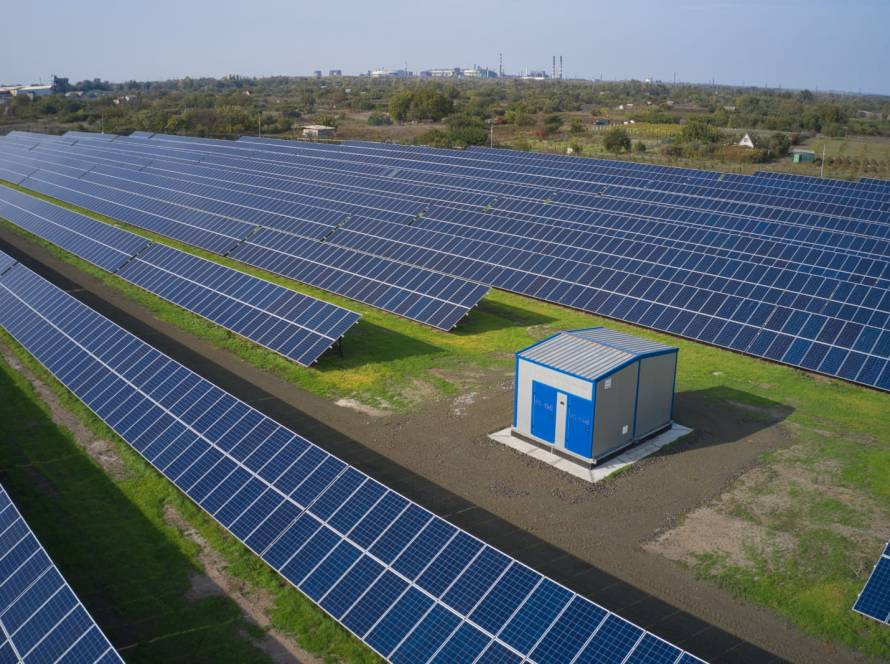
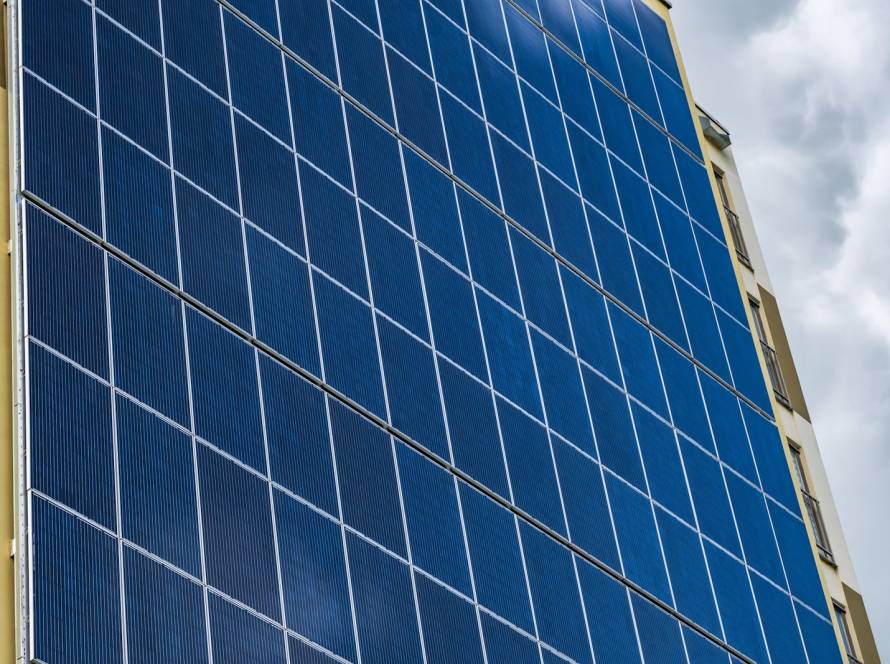
Reliable electricity has become one of the most important resources on any modern farm, supporting everything from irrigation and refrigeration to processing equipment and day-to-day operations. As energy demands continue to grow, solar for agricultural businesses has become an increasingly practical long-term investment that helps farms improve energy independence, manage operating costs and build greater resilience. Selecting the right commercial solar installer is therefore just as important as selecting the technology itself, as system design, engineering quality and ongoing support all influence long-term performance.
A well-planned commercial solar system should align with the farm’s operational requirements, existing infrastructure and future growth plans. Choosing an experienced installer who understands the agricultural sector can help businesses maximise energy production, improve operational reliability and achieve stronger long-term returns from their investment.
Why Agricultural Businesses Are Investing in Commercial Solar
Agriculture has always depended on reliable access to energy, but modern farming places far greater demands on electrical infrastructure than in previous decades. Irrigation systems, automated equipment, cold storage, processing facilities and advanced monitoring technologies all require dependable power to operate efficiently. As farms continue investing in productivity improvements, electricity becomes increasingly central to maintaining output, protecting produce and supporting profitable day-to-day operations.
Commercial solar has become an attractive long-term investment because it allows agricultural businesses to generate electricity where it is consumed. Instead of relying solely on external electricity supplies, farms can produce a significant proportion of their daytime energy requirements while improving operational resilience. This creates greater certainty when planning production schedules, managing operating costs and making future capital investments, allowing solar for agricultural businesses to become an integral part of long-term energy planning rather than a short-term solution.
Key reasons agricultural businesses are investing in commercial solar include:
- Reducing long-term electricity expenditure.
- Improving energy independence for farming operations.
- Supporting irrigation systems during daylight hours.
- Providing reliable electricity for cold storage facilities.
- Reducing reliance on diesel generators.
- Improving energy security for livestock operations.
- Supporting food processing and packing facilities.
- Making better use of available roof and land space.
- Creating greater predictability for long-term operational costs.
- Building energy infrastructure that can expand alongside the farm.
Every agricultural business has different operational priorities, which means no two commercial solar systems should be identical. A vineyard, dairy farm, grain producer and fruit packhouse all consume electricity differently throughout the year. Understanding these operational differences allows installers to recommend systems that match actual demand instead of relying on generic system sizes.
Commercial solar also supports broader business continuity. Reliable electricity helps employers keep production running according to schedule while giving employees dependable access to equipment, lighting, communications and workplace facilities. Over time, these operational improvements contribute to greater efficiency, lower disruption and improved confidence in the farm’s long-term energy strategy.
Understanding the Farm’s Energy Requirements
A professional solar project should begin with a detailed review of the farm’s electricity use. This includes examining electricity bills, seasonal demand, irrigation schedules, refrigeration cycles, workshop activity, processing equipment and any machinery that may be added in future. The installer must understand both how much electricity the farm uses and when that consumption takes place.
Seasonal patterns are particularly important because agricultural demand can change substantially during planting, irrigation, harvesting, packing or cooling periods. A suitable design should account for these fluctuations instead of relying on a simple monthly average that may not reflect peak operating conditions. Proper planning allows solar for agricultural businesses to deliver the greatest long-term operational and financial value.
Defining the Main Purpose of the Solar System
Agricultural businesses should decide what they expect the system to achieve before comparing proposals. Some farms want to reduce daytime electricity purchases, while others need backup power for irrigation controls, cold rooms, security or livestock systems. Additional goals may include lowering generator fuel use, improving energy predictability or supporting future expansion.
These objectives influence the type and size of the system. A standard grid-connected installation may reduce electricity costs but may not continue operating during an outage unless suitable backup components are included. By establishing priorities before design begins, solar for agricultural businesses can be engineered around essential and non-essential loads that match the farm’s daily operations.
Solar for Agricultural Businesses: Choosing Installers with Agricultural Experience
Agricultural environments present technical challenges that differ considerably from those found in conventional commercial or industrial properties. Large farming operations often include multiple electrical distribution points, irrigation infrastructure, boreholes, refrigeration equipment, processing facilities and remote operating areas spread across extensive properties. Selecting an installer with agricultural experience ensures these complexities are recognised during planning instead of being discovered during installation.
Experience also influences how efficiently an installer can work within an active farming environment. Construction activities frequently need to be coordinated around irrigation schedules, harvesting periods, livestock management and processing operations to minimise disruption. A provider experienced with solar for agricultural businesses understands that successful projects must complement existing farming activities while maintaining high engineering and safety standards.
Important qualities to look for in an agricultural solar installer include:
- Demonstrated experience with agricultural projects.
- Knowledge of irrigation and pumping systems.
- Experience integrating boreholes and generators.
- Understanding of cold storage and refrigeration requirements.
- Familiarity with processing and packing facilities.
- Strong electrical engineering capabilities.
- Thorough site assessment procedures.
- High-quality system design and documentation.
- Clear project management and communication processes.
- Responsive after-sales service and technical support.
A knowledgeable installer will also recognise how environmental conditions influence system performance over time. Dust, moisture, livestock activity, fertilisers, chemicals and seasonal weather patterns can all affect equipment selection, cable protection and maintenance planning. Addressing these factors during the design stage contributes to greater reliability throughout the life of the installation.
Agricultural experience should also be supported by proven project delivery. Businesses should request examples of previous work, discuss comparable installations and understand how the installer approaches engineering, commissioning and ongoing maintenance. This provides greater confidence that the system has been designed specifically for farming conditions rather than adapted from a standard commercial installation.
Checking Qualifications, Compliance and Documentation
Commercial solar installations involve substantial electrical and structural work. The installer should use appropriately qualified electricians and engineers where required, follow recognised safety practices and complete all necessary testing before the system is placed into operation. Proper documentation protects the agricultural business and creates a clear record for future inspections, maintenance and possible system expansion.
The farm should receive electrical compliance documents, system drawings, equipment schedules, commissioning information and warranty records before the project is considered complete. A professionally managed installation ensures responsibilities remain clear throughout the project, helping solar for agricultural businesses operate safely while providing confidence in the quality of the completed system.
Evaluating Solar for Agricultural Businesses Beyond Price
Price is often one of the first factors businesses compare when reviewing commercial solar quotations, but it should never be the only consideration. Two systems with similar capacities can differ significantly in design quality, engineering standards, equipment specifications and expected long-term performance. Looking beyond the initial investment helps agricultural businesses avoid decisions that may lead to higher maintenance costs, lower energy production or expensive upgrades later.
A professionally designed system should be evaluated according to how effectively it supports the farm’s operational requirements over many years rather than how inexpensive it appears on paper. The overall value of solar for agricultural businesses comes from reliable energy generation, appropriate equipment selection, quality workmanship and dependable technical support that continues long after installation has been completed.
When comparing commercial solar proposals, consider:
- Overall system design quality.
- Expected annual energy production.
- Solar panel efficiency and long-term performance.
- Inverter quality and compatibility.
- Battery integration options where required.
- Cable sizing and electrical protection.
- Structural engineering considerations.
- Monitoring and reporting capabilities.
- Product and workmanship warranties.
- Maintenance and after-sales support.
- Opportunities for future expansion.
- The installer’s engineering experience and project management approach.
Comparing proposals on technical merit rather than price alone allows agricultural businesses to understand exactly what each installer is providing. A quotation that includes stronger engineering, higher-quality components and comprehensive support may deliver considerably greater value over the lifetime of the installation than a lower-priced alternative with limited technical detail.
Businesses should also ask installers to explain how projected energy production and financial savings have been calculated. Transparent assumptions regarding electricity usage, operating conditions and future expansion provide greater confidence that the proposed system has been designed around the farm’s actual requirements rather than generic estimates.
Understanding Panel, Inverter and Equipment Quality
Solar panels vary in efficiency, durability, warranty protection and long-term performance. Agricultural businesses should select equipment from established manufacturers supported by dependable local supply channels and experienced technical teams. The installer should explain why each component has been chosen and how it suits the farm’s operating environment.
Inverters, mounting systems, cables and electrical protection are equally important to the overall performance of the installation. High-quality panels alone cannot compensate for poor engineering or unsuitable supporting equipment. Reliable solar for agricultural businesses depends on every component working together as a complete, professionally designed energy solution.
Deciding Whether Battery Storage Is Necessary
Battery storage can provide valuable protection for agricultural operations that depend on continuous electricity. Refrigeration systems, irrigation controllers, livestock equipment, communications and security infrastructure can all continue operating when supported by a properly designed battery system. Batteries can also store surplus solar energy generated during the day for use later, helping farms make better use of the electricity they produce on site.
Not every agricultural business requires the same level of battery storage, and installing more capacity than necessary can increase project costs without delivering proportional benefits. A professional installer should explain usable battery capacity, expected operating time, power output, warranty conditions and future expansion options. Designing solar for agricultural businesses around critical loads rather than every electrical circuit often provides the most practical balance between resilience and return on investment.
Solar for Agricultural Businesses: Integrating Existing Farm Infrastructure
Most farms have developed their electrical infrastructure over many years, with new buildings, irrigation systems, generators and equipment added as operations expand. A commercial solar installation should complement these existing assets rather than replacing them unnecessarily. Careful integration allows farms to preserve valuable infrastructure while improving the overall efficiency and reliability of the electrical network.
Every farm operates differently, which is why installers should thoroughly assess existing electrical systems before finalising the design. Successful solar for agricultural businesses depends on understanding how generators, transformers, boreholes, irrigation controls and distribution boards interact so the new installation works seamlessly alongside the infrastructure already in place.
Existing infrastructure that should be assessed includes:
- Backup generators.
- Borehole pumps.
- Irrigation pumps and pivot systems.
- Existing solar installations.
- Battery systems already in operation.
- Main transformers.
- Distribution boards.
- Automatic transfer switches.
- Workshop electrical systems.
- Cold storage and refrigeration equipment.
- Processing facilities.
- Farm offices and security infrastructure.
Integrating existing infrastructure correctly improves both operational efficiency and project value. Retaining suitable equipment where possible can reduce unnecessary capital expenditure while ensuring the new solar installation strengthens rather than complicates the farm’s electrical network. Proper planning also makes future expansion significantly easier as additional buildings, equipment or solar capacity are introduced.
A coordinated electrical design provides greater operational flexibility by allowing solar generation, batteries, generators and grid electricity to work together intelligently. This integrated approach supports long-term reliability while helping employers maintain essential services and giving employees dependable access to the equipment required to perform their daily responsibilities.
Completing a Detailed Site and Engineering Assessment
Every successful commercial solar project begins with a comprehensive engineering assessment rather than a simple sales visit. Roof-mounted installations should be evaluated for structural integrity, orientation, shading, corrosion, roof condition and safe maintenance access. Ground-mounted systems require careful consideration of soil conditions, drainage, security, vegetation management and the distance between the array and the electrical connection point.
The assessment should also examine the farm’s electrical infrastructure, including transformers, distribution boards, cable routes, protection equipment and the location of significant electrical loads. Identifying potential constraints before construction begins allows solar for agricultural businesses to be designed around real operating conditions, reducing costly design changes and helping ensure reliable long-term performance.
Planning Installation Timelines and Farm Operations
Commercial solar projects should be scheduled around the operational demands of the farm. Harvest periods, irrigation schedules, livestock routines, processing activities and seasonal workloads all influence when construction can take place with minimal disruption. An experienced installer should understand these operational priorities and incorporate them into the overall project programme.
A well-managed project includes planning, procurement, approvals, installation, testing, commissioning and staff training, with clear communication throughout every stage. Careful scheduling ensures solar for agricultural businesses can be installed efficiently while allowing employees to continue their responsibilities safely and keeping essential farming operations running smoothly.
Comparing Commercial Solar Proposals Fairly
Agricultural businesses should compare quotations using consistent criteria. Proposals may differ in solar capacity, inverter size, battery output, equipment warranties, maintenance support, monitoring services and structural work. One quotation may include registration and electrical upgrades while another may list them as additional expenses.
Each installer should clearly state what is included, what is excluded and what assumptions support the financial projections. Comparing solar for agricultural businesses fairly requires attention to expected performance, equipment quality, project responsibilities and lifetime support instead of concentrating only on the upfront figure.
Solar for Agricultural Businesses: Financing the Solar Installation
Agricultural businesses can fund commercial solar through direct purchase, asset finance, rental arrangements or power purchase agreements. Direct ownership may provide greater long-term savings, while financed or rental structures can reduce the initial capital requirement. The most suitable option depends on cash flow, operational priorities and the farm’s long-term plans.
The financial agreement should explain ownership, monthly payments, maintenance obligations, contract duration and end-of-contract arrangements. Financing solar for agricultural businesses should support operational stability rather than introducing contract terms that are difficult to manage or understand.
Calculating Long-Term Value and Return on Investment
A realistic financial assessment should include current electricity use, expected solar production, maintenance costs, finance charges, equipment degradation and possible replacement requirements. The farm should also consider generator savings and how effectively the system will match daytime electricity demand.
The value of solar for agricultural businesses may also include improved productivity and reduced operational risk. Avoiding irrigation delays, protecting refrigerated produce and keeping essential livestock systems operational can provide meaningful benefits that are not always visible in a simple electricity-saving calculation.
A Practical Case Study: Adding Solar to a Working Farm
A farm manager becomes concerned about how much the operation spends on electricity each month. Irrigation pumps, cold storage facilities, workshop equipment and office buildings all rely on a dependable electricity supply, while the farm benefits from consistent sunshine and extensive roof and ground space suitable for solar installation. Recognising the potential advantages of solar for agricultural businesses, he decides to investigate whether the investment would make sense for his operation.
Before making a decision, he wants to understand how agricultural solar works and how an installer would incorporate it into the farm’s existing infrastructure. He collects electricity bills, reviews irrigation schedules, identifies equipment that cannot tolerate interruptions and arranges a professional site assessment. During the visit, the installer evaluates roof structures, available land, transformers, distribution boards, cable routes and the existing backup generator while discussing how each part of the farm consumes electricity throughout the year.
The assessment demonstrates that a carefully designed solar installation could offset a significant portion of daytime electricity consumption while a targeted battery system could provide reliable backup for refrigeration controls, security systems and other essential equipment. After comparing warranties, engineering design, maintenance support and long-term financial projections, the manager confidently approves the project and schedules installation during a quieter farming period to minimise disruption to normal operations.
Monitoring, Maintenance and Long-Term Support
Commercial solar should be managed as a long-term operational asset rather than a once-off installation. Remote monitoring allows performance to be tracked continuously, making it easier to identify faults, unexpected production losses or equipment issues before they begin affecting the farm’s daily operations. Regular inspections also help identify wear, loose electrical connections and environmental factors that could reduce system efficiency over time.
Preventative maintenance may include panel cleaning, vegetation management, inverter servicing, electrical testing and battery health assessments where applicable. Selecting an installer that offers dependable after-sales support ensures solar for agricultural businesses continues delivering reliable performance while reducing downtime and protecting the farm’s long-term investment.
Questions to Ask Before Appointing an Installer
Agricultural businesses should ask detailed questions before selecting a commercial solar installer. Previous agricultural experience, system-sizing methodology, equipment warranties, project timelines, maintenance agreements and expected energy production should all be discussed in detail before any contract is signed. Clear answers demonstrate technical knowledge while helping the farm compare different proposals on equal terms.
It is equally important to understand who will manage approvals, supervise installation, provide technical support and assist with future expansion if the farm’s energy requirements grow. Asking thorough questions at the beginning helps ensure solar for agricultural businesses is supported by an installer capable of delivering a complete solution rather than simply supplying equipment.
Best Commercial Solar Installers for Agricultural Businesses in South Africa
Selecting the right commercial solar installer requires careful consideration of technical capability, agricultural experience and long-term support. Modern farming operations depend on energy systems that are reliable, scalable and engineered around real operational requirements rather than standard commercial templates. At Eversolar, we provide some of the best commercial solar for agricultural businesses by delivering complete renewable energy solutions tailored to the unique demands of farms and agribusinesses across Southern Africa. Every project begins with a detailed assessment of site-specific energy loads, operational workflows and long-term sustainability objectives before progressing through feasibility, engineering, procurement, construction, grid integration and operational handover.
Our renewable energy solutions for agriculture include:
- Custom-engineered Solar PV systems in on-grid, off-grid and hybrid configurations.
- Battery Energy Storage Systems (BESS) for backup power, peak demand management and improved energy independence.
- Turnkey EPC services covering design, engineering, procurement, construction, commissioning and long-term support.
- Renewable energy wheeling solutions for agricultural businesses operating across multiple sites.
- Flexible financing options including Power Purchase Agreements (PPA) and Rent-to-Own Solar.
- Remote monitoring, preventative maintenance and rapid technical support.
- Scalable renewable energy systems designed around each farm’s operational requirements.
- Integration with existing agricultural infrastructure including irrigation, refrigeration and processing equipment.
Our approach extends well beyond installation. We continue supporting our clients through remote system monitoring, preventative maintenance, technical assistance and ongoing optimisation to help maximise long-term performance. By combining advanced engineering with flexible financing, structured project delivery and dedicated after-sales support, we help agricultural businesses improve energy resilience, manage operating costs and build renewable energy infrastructure that can grow alongside their operations.
Every agricultural business has unique operational demands, which is why we engineer each solution around the site’s specific electricity requirements rather than applying a standard design. Whether a project involves irrigation, cold storage, food processing, multi-site operations or future expansion, our goal is to deliver dependable renewable energy systems that strengthen long-term productivity, sustainability and operational efficiency.
Choosing a Long-Term Solar Partner
Investing in solar for agricultural businesses is a strategic decision that extends well beyond reducing electricity costs. The right commercial solar system should support daily farming operations, integrate seamlessly with existing infrastructure and provide dependable long-term performance through quality engineering, appropriate equipment selection and ongoing technical support. Choosing an experienced installer gives agricultural businesses greater confidence that their renewable energy investment will continue delivering value for many years.
At Eversolar, we work closely with agricultural businesses to design renewable energy solutions that reflect each farm’s unique operational requirements and long-term objectives. Contact us today to discover how our tailored commercial solar solutions can help strengthen your energy strategy, improve operational efficiency and support the future growth of your farming business.
FAQs
What are the main benefits of solar for agricultural businesses?
Solar for agricultural businesses helps farms reduce long-term electricity costs while improving energy reliability for critical operations. A professionally designed system can power irrigation pumps, refrigeration, cold storage, workshops, livestock facilities and processing equipment using clean, renewable energy generated on-site. Solar also reduces dependence on grid electricity and can lower generator usage, helping farms better manage operating expenses over time. Because agricultural operations often consume significant amounts of electricity during daylight hours, solar can be particularly effective at offsetting daytime demand. The result is greater operational resilience, improved financial predictability and an energy solution that can grow alongside the business.
How do I choose the best installer for solar for agricultural businesses?
Choosing the right installer requires more than comparing prices. Agricultural businesses should look for companies with experience designing systems specifically for farms and agribusinesses rather than general commercial properties. Ask about previous agricultural projects, engineering capabilities, equipment quality, warranties, maintenance support and project management processes. A professional installer should complete a detailed site assessment, analyse electricity usage, evaluate existing infrastructure and recommend a solution tailored to the farm's operational needs. Strong after-sales support, clear communication and long-term technical assistance are equally important when selecting a commercial solar partner for your agricultural business.
Is battery storage necessary for solar for agricultural businesses?
Battery storage depends on the operational requirements of each farm rather than being essential for every installation. Farms that need continuous electricity for refrigeration, livestock systems, irrigation controls, security or communications may benefit significantly from battery backup. Other operations focused primarily on reducing daytime electricity consumption may achieve excellent results using a grid-connected solar system without batteries. A professional installer should assess the farm's critical electrical loads, operating hours and long-term objectives before recommending battery capacity. The goal is to provide sufficient backup power where needed without investing unnecessarily in storage that offers limited operational value.
Can solar for agricultural businesses work with existing farm infrastructure?
Yes. Most commercial solar systems are designed to integrate with existing agricultural infrastructure rather than replace it completely. Professional installers assess generators, boreholes, irrigation pumps, transformers, distribution boards, refrigeration systems and other electrical equipment before developing the final design. This allows suitable infrastructure to remain in service while ensuring the new solar installation operates safely and efficiently alongside existing assets. Proper integration also supports future expansion by allowing additional solar capacity, batteries or electrical equipment to be incorporated as the farm grows. Careful engineering ensures every component works together as one coordinated energy system.