The comparison between solar for mining vs solar for agriculture begins with the way each sector uses electricity. Mining operations often require continuous power for processing plants, pumping systems, conveyors, workshops and ventilation equipment, while agricultural businesses generally experience more variable demand linked to irrigation, refrigeration, livestock facilities, harvesting and packing. These operational differences influence system capacity, battery storage, backup requirements and the way solar electricity is integrated into daily production.
A well-designed system must therefore reflect the site’s actual load profile, environmental conditions and tolerance for interruptions. Mines typically prioritise high-capacity supply and operational resilience, while farms may focus more heavily on daytime self-consumption, seasonal flexibility and the efficient scheduling of pumps, cooling systems and processing equipment.
Understanding Energy Demand in Mining and Agriculture
Mining operations commonly maintain a high and relatively stable electricity baseload. Crushers, mills, pumps, processing equipment and ventilation systems may operate across several shifts, leaving little opportunity to reduce consumption overnight. Large electric motors can also create substantial start-up demand, which must be considered when selecting inverters, batteries, transformers and backup generation.
Agricultural demand tends to change more significantly throughout the day and across seasons. Irrigation pumps may operate during hot or dry periods, packhouses may become busiest during harvesting, and refrigeration systems can run continuously to protect produce. When comparing solar for mining vs solar for agriculture, these different load patterns influence how much solar capacity can be used directly and how much stored or backup electricity may be required.
- Continuous mining loads: Mines may need to power crushers, pumps, conveyors, ventilation systems, processing plants and control infrastructure across several shifts. These loads create a steady demand that often continues long after solar production has ended for the day.
- Large equipment start-up requirements: Industrial motors can briefly require much more power when starting than they use during normal operation. Solar inverters, batteries, generators and electrical protection equipment must therefore be designed to manage these short but substantial surges.
- Seasonal agricultural loads: Farm electricity demand often changes according to rainfall, temperature, crop cycles and harvesting schedules. Irrigation may dominate during dry periods, while cooling, packing and processing can become more important when produce is harvested.
- Critical agricultural equipment: Refrigeration, poultry ventilation, dairy cooling and water systems may need to remain operational even when other activities stop. These loads must be identified separately because the consequences of losing power can include spoiled produce, livestock stress or interrupted water access.
- Daytime energy opportunities: Many farming activities can be scheduled during periods of strong sunlight. Irrigation, pumping, milling and packing may therefore consume solar electricity directly, reducing the need to store large amounts of energy for later use.
A detailed energy assessment should examine more than the total number of electricity units used each month. It should record when equipment operates, how long each load runs, whether several machines start simultaneously and which systems must continue during an outage. This information allows the solar system to be sized around real operating conditions rather than broad estimates.
Employers also need to consider how energy demand affects the workforce. Reliable power supports ventilation, lighting, water supply, communications, security and temperature control. Employees benefit from safer and more consistent working environments, while the business gains greater control over production schedules and operational continuity.
How Solar Supports Mining Operations
Solar power can supply a meaningful portion of a mine’s daytime electricity demand, particularly where processing, workshop and accommodation loads remain active while solar production is strongest. It can also reduce the operating hours of diesel generators at remote sites, lowering fuel consumption, servicing requirements and exposure to supply interruptions caused by delayed fuel deliveries.
Reliability remains central to mining system design because unexpected power loss can stop production, affect pumping or ventilation and disrupt critical control equipment. The mining side of solar for mining vs solar for agriculture therefore often requires industrial-grade components, remote monitoring, redundant protection systems and careful integration with generators, grid connections or other dependable sources of power.
How Solar Benefits Agricultural Businesses
Commercial farms can use solar electricity for irrigation pumps, boreholes, dairies, poultry houses, greenhouses, cold rooms, grain handling and packhouse equipment. Many of these activities occur during daylight hours, allowing the business to consume solar energy as it is generated and reduce the amount of electricity purchased from the grid.
The agricultural case within solar for mining vs solar for agriculture is particularly strong when farms can schedule flexible activities around sunshine. Water may be pumped into reservoirs during the day, cold rooms may be pre-cooled during periods of high generation, and processing activities may be timed to reduce evening demand. These strategies can improve the value of solar without relying entirely on large battery systems.
Comparing Consumption Patterns in Solar for Mining vs Solar for Agriculture
Mining demand is often continuous, predictable and dominated by heavy industrial equipment. Even when production slows, essential systems such as pumping, security, ventilation, communications and monitoring may continue operating. This creates a strong daytime opportunity for solar, but it also means that the mine may still require substantial grid, battery or generator support after sunset.
Agricultural demand is generally more seasonal and may contain short periods of very high consumption. Several pumps could start together during irrigation, while refrigeration compressors and packhouse machinery may create additional peaks during harvesting. The load-profile differences associated with solar for mining vs solar for agriculture determine whether the system should prioritise continuous supply, peak reduction, daytime savings or seasonal flexibility.
- Mining baseload: Mining operations frequently maintain a substantial minimum level of electricity consumption throughout the day and night. Pumps, ventilation, monitoring equipment and process-control systems may remain active even when production equipment is operating at reduced capacity.
- Agricultural variability: A farm’s demand can rise or fall according to weather, crop type, irrigation schedules and harvesting activity. The same site may have moderate electricity requirements during one part of the year and significantly higher demand during another.
- Overnight requirements: Mines often carry substantial overnight loads because production and safety systems continue across shifts. Farms may have lower overnight demand, although refrigeration, livestock facilities, water systems and security equipment can still require reliable electricity.
- Short demand spikes: Both sectors may experience sudden peaks, but the causes differ. Mines may start large motors or processing equipment, while farms may activate several irrigation pumps, compressors or packhouse systems at the same time.
- Load flexibility: Agricultural businesses can often move selected activities into daylight hours more easily than mines. Pumping, pre-cooling and certain processing tasks may be rescheduled, while many mining processes must follow fixed production requirements.
These consumption differences influence the balance between solar generation, battery capacity, grid supply and generator backup. A mine with high overnight demand may need substantial storage or another firm power source, while a farm may achieve strong savings by matching daytime activities directly with solar production.
Accurate interval data remains essential for both sectors. It reveals daily demand peaks, overnight baseloads and periods when excess solar generation may occur. Without this information, a system could be oversized during quiet periods, undersized during peak production or unable to deliver the intended financial return.
Solar System Design Differences
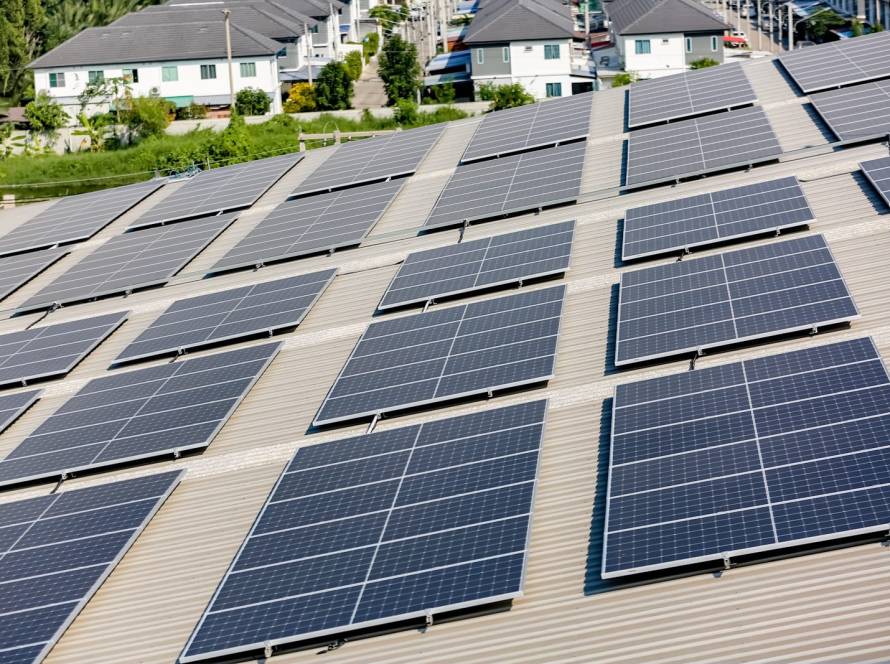
Mining solar systems may require large ground-mounted arrays, high-voltage electrical infrastructure, dedicated substations and centralised energy-management controls. Equipment must be selected for environments where dust, vibration, extreme temperatures and heavy vehicle movement can affect performance. Cable routes, enclosures, mounting structures and protection equipment must also withstand demanding operating conditions.
Agricultural installations are often more distributed, with panels placed on packhouse roofs, sheds, carports or land close to pumps and processing facilities. The design comparison in solar for mining vs solar for agriculture must also account for moisture, livestock, rodents, irrigation spray, crop debris and machinery movement. Both sectors need robust equipment, but the environmental risks and physical layout of each site are different.
Battery Storage for Solar for Mining vs Solar for Agriculture
Battery storage can support mining operations by maintaining critical loads during interruptions, stabilising hybrid power systems, reducing generator runtime and shifting solar production into evening operations. Remote mines may require substantial storage because their electricity demand remains high after sunset and because a complete loss of power can have serious operational consequences.
Agricultural businesses often use batteries for more focused purposes, such as protecting refrigeration, supporting livestock facilities, completing irrigation cycles or avoiding generator use during short outages. The storage requirements in solar for mining vs solar for agriculture should therefore be based on the equipment that must run, the duration of support required and the business impact of an interruption, rather than simply matching battery size to panel capacity.
Operating in Remote Locations
Remote mines and farms may operate where grid infrastructure is unavailable, unreliable or too expensive to extend. Hybrid systems can combine solar panels, battery storage and generators to provide a more dependable supply. During sunny periods, solar supports the operating load and charges the batteries, while generators remain available when demand exceeds the combined solar and stored capacity.
The required hybrid configuration differs when evaluating solar for mining vs solar for agriculture. A mine may need generators capable of supporting a large continuous baseload, while a farm may use smaller backup equipment for refrigeration, water systems or livestock facilities. Effective controls are essential in both cases because the system must automatically decide when to use solar, discharge batteries or start backup generation.
- Solar PV generation: Panels provide the lowest-cost electricity when sunlight is available and can supply operating loads directly while also charging batteries. The array must be sized according to usable demand, available space and expected seasonal solar production.
- Battery energy storage: Batteries store surplus electricity and release it when solar output falls or demand rises. At remote sites, storage can also maintain essential systems while a generator starts or while non-critical equipment is shut down.
- Generator integration: Generators provide dependable backup when prolonged poor weather, high demand or battery depletion limits solar supply. A well-designed hybrid system can reduce generator runtime without removing the security that dispatchable generation provides.
- Microgrid controls: Automated controls coordinate solar generation, batteries, generators and site loads. They help maintain stable voltage and frequency while ensuring that critical equipment receives priority during periods of limited energy availability.
- Load prioritisation: Remote operations should classify equipment according to operational importance. Ventilation, refrigeration, water supply and communications may receive priority, while flexible or non-essential loads can be reduced temporarily.
Remote energy systems must also account for maintenance access, spare-parts availability and the technical skills present on site. Equipment that performs well in an urban commercial building may not be appropriate for a location where repairs require long travel distances or where dust, heat and severe weather create additional strain.
A strong remote-power design should therefore balance efficiency with simplicity and resilience. Clear operating procedures, remote monitoring and dependable technical support can help employers respond to faults quickly. Employees benefit when essential workplace systems remain available despite grid interruptions or delays in fuel delivery.
Managing Peak Electricity Demand
Peak demand occurs when several high-consumption machines operate simultaneously, creating a short but substantial increase in electricity drawn from the grid. Mines may experience peaks when crushers, pumps, conveyors and processing equipment start together, while farms may experience them when multiple irrigation pumps, compressors, heaters and packing systems operate at the same time.
Solar and batteries can help control these peaks by supplying part of the load before maximum grid demand is reached. In solar for mining vs solar for agriculture, mines may use batteries to smooth heavy industrial loads, while farms may combine storage with practical measures such as staggered pump start-up, timed refrigeration cycles and the scheduling of processing activities during periods of strong solar production.
Financial and Operational Benefits
The financial value of solar depends on the cost of electricity or diesel, the amount of solar energy used directly, the size of the system and the way the project is financed. Mining businesses may benefit from reduced fuel use, lower grid purchases, improved cost predictability and less exposure to interruptions that could affect production. Agricultural businesses may lower irrigation, refrigeration and processing costs while protecting produce and maintaining reliable water access.
A proper financial assessment of solar for mining vs solar for agriculture should consider the total cost of the system throughout its working life. This includes installation, finance charges, maintenance, component replacement, battery degradation and expected future electricity demand. A lower initial quotation does not necessarily provide the strongest long-term return if the equipment is unsuitable or the system cannot support the operation’s actual load.
Environmental and Workplace Advantages
Solar can reduce diesel consumption, generator noise and the emissions associated with purchased electricity. Mines can use renewable generation to support cleaner processing and more responsible resource management, while farms can reduce the energy impact of irrigation, refrigeration, livestock production and food processing.
The workplace benefits of solar for mining vs solar for agriculture are equally important. Reliable power supports lighting, communications, ventilation, water systems, security and temperature control. Employers gain greater operational stability, while employees benefit from safer and more consistent working conditions, particularly at remote sites where alternative energy sources may be limited.
Maintenance in Challenging Environments
Mining installations may be exposed to fine dust, blasting vibration, high temperatures, corrosive material and restricted maintenance access. Regular inspections should assess panel condition, electrical connections, protection equipment, batteries, inverters and monitoring systems. Cleaning should be based on actual soiling and performance loss rather than a generic schedule.
Agricultural installations face different maintenance risks, including mud, crop debris, moisture, livestock, rodents, birds and vegetation growth. Maintenance planning for solar for mining vs solar for agriculture must reflect the conditions of each site. Protective barriers, appropriate cable routing, drainage, vegetation control and routine performance monitoring can prevent minor environmental issues from causing prolonged system downtime.
- Panel inspection and cleaning: Dust, mud, bird droppings and crop residue can reduce panel output. Cleaning frequency should respond to measured performance and local conditions instead of following a standard timetable that may be unnecessary or insufficient.
- Electrical connection checks: Loose, damaged or corroded connections can reduce system efficiency and create safety risks. Routine inspections should include cables, connectors, distribution boards, isolators and earthing systems.
- Battery health monitoring: Battery temperature, charge cycles, capacity and fault alarms should be reviewed regularly. Early identification of declining performance allows the business to plan maintenance or replacement before critical loads are affected.
- Inverter and control-system servicing: Inverters and energy-management controls coordinate the operation of solar, batteries and backup equipment. Software, ventilation, filters and alarms should be checked to maintain dependable system performance.
- Vegetation and pest control: Ground-mounted systems require vegetation management to prevent shading and reduce fire risk. Agricultural sites may also need barriers or protected cable routes to prevent damage from livestock, rodents and farm machinery.
- Remote performance monitoring: Continuous monitoring allows technical teams to compare expected and actual generation, detect faults and respond before a small issue leads to extensive downtime. This is especially valuable at large or geographically isolated sites.
Maintenance should be planned as part of the original project rather than treated as an optional service after commissioning. Access routes, cleaning points, equipment spacing and spare-parts requirements should all be considered during the design stage to make ongoing upkeep safe and efficient.
Clear maintenance responsibilities also support employers and employees. Employers gain greater visibility over asset condition and long-term operating costs, while technical employees receive defined inspection procedures and safer access to equipment. Consistent maintenance protects both the energy system and the people responsible for operating it.
What Solar Solutions Does Eversolar Offer for Mining and Agriculture?
For mining operations, we deliver comprehensive renewable energy solutions tailored to demanding industrial environments across Southern Africa. We design and install high-performance Solar PV systems that reduce reliance on diesel generators while providing dependable power for energy-intensive operations. Our solutions are engineered around site-specific load profiles, operational constraints and long-term performance requirements.
We also provide Battery Energy Storage Systems, turnkey EPC services and remote-energy infrastructure for demanding mining sites. Through our structured delivery process, we manage projects from feasibility and engineering through procurement, construction, commissioning and operational handover, ensuring that each system supports safety, durability and reliable production.
- Solar PV systems for mining: We design high-performance systems that reduce diesel dependence and provide reliable power for remote or energy-intensive mine operations. Equipment is selected to perform in harsh environments and maintain dependable output over the long term.
- Battery Energy Storage Systems for mining: Our BESS solutions manage stored energy to reduce peak demand charges, provide backup power and support uninterrupted operations. They can be scaled as production loads and site requirements increase.
- Turnkey EPC services for mining: We manage feasibility assessments, engineering, procurement, construction and commissioning. This end-to-end approach helps maintain quality, safety and consistency throughout the delivery process.
- Off-grid and microgrid mining solutions: We combine Solar PV, BESS and customised microgrid technology to support remote mines where stable grid access is limited or unavailable. These systems provide a dependable alternative to continuous diesel generation.
- Mining finance models: We offer Power Purchase Agreements and Rent-to-Own Solar structures to help mining organisations implement renewable energy while managing capital expenditure and operational risk.
- Solar PV systems for agriculture: We provide custom-engineered systems in on-grid, off-grid and hybrid configurations. These solutions integrate with existing farm infrastructure and support reliable power for irrigation, refrigeration and processing.
- Battery Energy Storage Systems for agriculture: Our BESS solutions optimise when electricity is stored and used, helping farms manage peak demand, maintain backup power and protect critical loads during grid interruptions.
- Turnkey EPC services for agriculture: We manage each stage of the renewable energy project, including feasibility, system design, procurement, construction and commissioning. The result is a coordinated solution designed around the farm’s operational requirements.
- Renewable energy wheeling: We provide wheeling solutions for agricultural enterprises operating across multiple sites. This allows businesses to access solar-generated electricity without requiring an on-site installation at every location.
- Agricultural finance and support: We offer PPA, Rent-to-Own Solar and CapEx options, supported by remote monitoring, preventive maintenance, technical assistance and ongoing system optimisation.
For agricultural businesses, we provide end-to-end renewable energy systems designed around the technical and operational realities of farms and agribusinesses. Our systems support dependable energy use across irrigation, cold storage, processing and other critical activities while helping clients improve cost control and resilience against grid instability.
Within solar for mining vs solar for agriculture, our services are tailored to the specific requirements of each sector rather than based on a standard package. We combine engineering, flexible financing, structured EPC delivery and long-term technical support so that mining and agricultural clients can implement energy systems that remain reliable, scalable and aligned with their operational goals.
Choosing the Right Solar Solution
The most effective approach to solar for mining vs solar for agriculture is to design the energy system around the operation rather than expecting the operation to fit a standard solar package. A professional assessment should consider detailed consumption data, equipment schedules, critical and non-critical loads, available grid capacity, generator use and future expansion. These factors help determine the appropriate balance between Solar PV, battery storage, backup generation and grid integration.
At Eversolar, we assess commercial and industrial energy requirements and develop scalable solar, battery and hybrid solutions suited to South African operating conditions. Contact us to discuss a tailored energy solution that supports the reliability, cost-control and long-term performance needs of your mining or agricultural business.