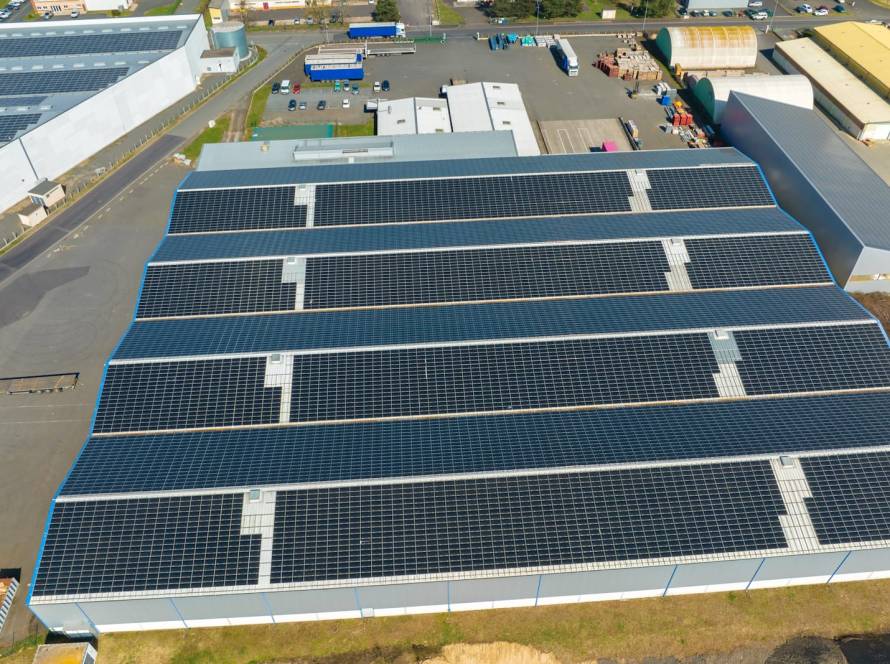
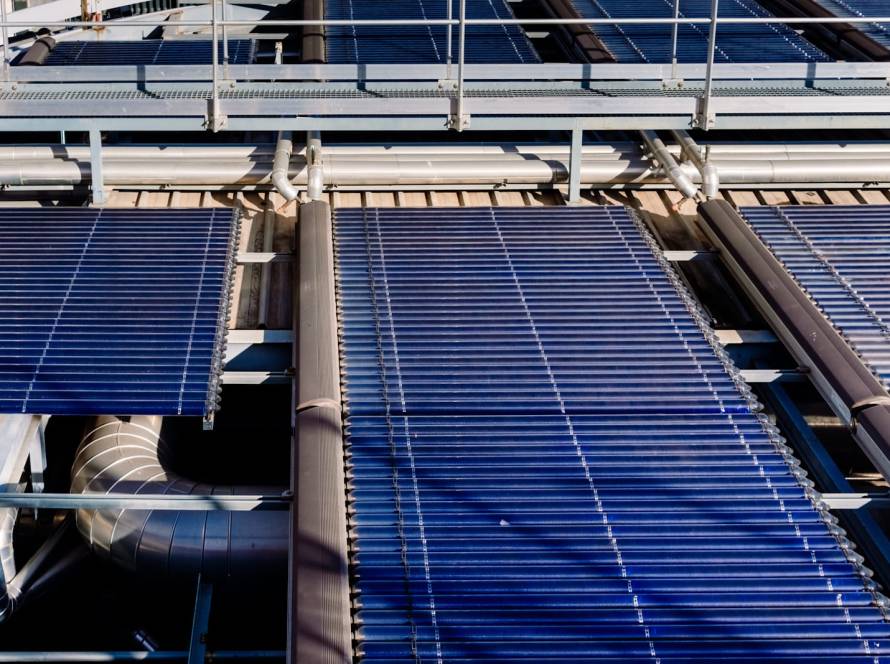
Commercial solar panel systems are becoming a practical choice for office buildings that need lower energy costs, better power reliability, and a stronger sustainability story. In South Africa, where electricity tariffs remain under pressure, office buildings can no longer treat energy as a simple monthly expense. It is now a strategic part of running a stable, cost-efficient business.
For office owners, tenants, property developers, and portfolio managers, solar offers more than clean power. It can reduce exposure to outages, improve cost predictability, support ESG reporting, and make a building more attractive to modern businesses. The key is understanding how commercial solar works, what type of system suits an office environment, and why long-term support matters just as much as the installation itself.
Why Office Buildings Are Well Suited to Commercial Solar Panel Systems
Office buildings are strong candidates for solar because their electricity demand often lines up with the hours when solar panels produce the most energy. Lighting, air conditioning, lifts, access control, computers, meeting rooms, security systems, and shared services all draw power during the working day. This makes daytime self-generation useful, because the building can consume much of the solar energy as it is produced.
Office energy use can also be high because heating, ventilation, and air conditioning systems are major electricity users. Research on building energy performance has found that HVAC systems can account for about 40% of total building energy use in some commercial building contexts, which shows why energy efficiency and on-site generation matter so much for office environments.
Many office buildings also have practical installation opportunities. Flat roofs, gently sloped roofs, parking areas, service yards, and office park infrastructure can all be assessed for Solar PV. A well-designed system can turn unused or underused space into a productive asset that lowers operating costs, supports tenants, and improves energy resilience without interrupting the main use of the building.
The Business Case for Commercial Solar Panel Systems in Offices
The most obvious business reason to consider solar is cost control. Electricity prices are a major concern for office buildings because energy affects common areas, tenant services, lifts, security systems, IT infrastructure, air conditioning, and daily operations. Eskom’s approved average tariff increase for direct customers from 1 April 2025 was 12.74%, which shows why many businesses are looking for ways to reduce grid exposure.
Solar also supports long-term planning. A quality commercial solar system can operate for decades when it is designed, installed, and maintained properly. The United States Department of Energy notes that the average operational lifespan of solar panels has increased to around 25 to 35 years in 2025, which supports the case for solar as a long-term infrastructure investment rather than a short-term expense.
Key business benefits include:
- Lower daytime electricity consumption from the grid
- Better protection against future tariff increases
- Improved cost predictability for owners and tenants
- Reduced reliance on fuel-based backup power
- Stronger long-term asset value
- Better alignment with tenant expectations around sustainability
- More stable operating conditions during grid instability
For office buildings, the value of solar is not only in the monthly saving. It is also in the control it gives the business or property owner. When a building can generate a portion of its own electricity, it becomes less exposed to changing energy prices, less vulnerable to supply interruptions, and more attractive to tenants who want stable, future-ready workspaces.
Grid-Tied and Hybrid Commercial Solar Panel Systems
Understanding the different types of commercial solar panel systems is essential for office buildings aiming to optimise energy performance, cost savings, and operational resilience. Each system type offers distinct advantages depending on how the building consumes electricity, its exposure to grid instability, and its long-term energy strategy. By evaluating grid-tied and hybrid solutions individually, businesses can make informed decisions that align with both immediate operational needs and future growth plans.
Grid-Tied Solar Systems
Grid-tied solar systems are directly connected to the municipal or utility electricity grid, making them one of the most common and accessible options for office buildings. These systems allow businesses to generate their own electricity during daylight hours while remaining connected to the grid for additional supply when needed. During peak solar production, the building prioritises solar energy usage, reducing reliance on grid electricity and lowering daytime energy costs without requiring major infrastructure changes.
This type of system is particularly well suited to office environments with consistent daytime energy demand, such as lighting, HVAC systems, and office equipment. Grid-tied systems are generally more cost-effective to install compared to other configurations because they do not require battery storage. However, they do not provide backup power during outages, which means operations may still be affected during load shedding or grid failures. For businesses primarily focused on cost reduction rather than energy independence, grid-tied systems offer a practical and efficient solution.
Hybrid Solar Systems
Hybrid solar systems combine Solar PV generation with battery energy storage, offering a more flexible and resilient energy solution for office buildings. These systems allow businesses to store excess solar energy generated during the day and use it later when solar production decreases or when electricity demand peaks. This capability helps reduce reliance on the grid during high-tariff periods and provides a buffer against power interruptions.
For office buildings that require consistent uptime, such as those with IT infrastructure, security systems, or tenant services, hybrid systems offer a significant advantage. They can supply backup power during outages, helping maintain critical operations and reducing the need for diesel generators. While hybrid systems involve a higher upfront investment due to battery integration, they deliver greater control over energy usage, improved resilience, and enhanced long-term value.
The Role of Battery Storage in Office Solar Systems
Battery energy storage systems, often called BESS, help businesses store solar energy and use it when it creates the most value. For office buildings, this can mean using stored power during peak demand periods, supporting critical loads during outages, and reducing waste when solar production is higher than immediate building demand.
Battery storage is becoming more important because office buildings often need more than cheaper daytime power. They need continuity. In 2024, South Africa saw a major reduction in load shedding compared with the previous crisis period, but national power system reliability remains a business planning concern, with official power generation statistics continuing to track load shedding and energy availability closely.
Battery storage can support office buildings by helping to:
- Keep critical systems running during interruptions
- Reduce peak demand costs where tariff structures make this relevant
- Store excess solar energy for later use
- Improve self-consumption of solar power
- Reduce reliance on generators
- Protect tenant services, access control, security, and IT infrastructure
- Improve resilience during grid instability
For offices with call centres, servers, access systems, security infrastructure, tenant-facing services, or high-value equipment, battery storage can make the difference between disruption and continuity. The goal is not always to power everything indefinitely. In many cases, the smarter approach is to identify essential loads and design the solar and battery system around the services that must keep running.
Solar Carports for Office Buildings and Commercial Properties
Solar carports are a practical option for office buildings where roof space is limited, unsuitable, or already used for other equipment. A solar carport is a canopy installed over parking areas, fitted with solar panels that generate electricity while also providing shade and weather protection for vehicles.
For office parks, mixed-use developments, commercial facilities, and REIT portfolios, solar carports offer a smart way to unlock value from parking infrastructure. They preserve rooftop and land space, improve the look and function of the site, support tenant experience, and make a company’s sustainability commitment highly visible to employees, visitors, and clients.
Solar carports also help solve a common property challenge: how to add renewable energy capacity without taking away usable building space. In sunny regions, well-positioned PV systems can generate strong annual energy output, while solar carports add practical everyday benefits such as shaded parking and improved site usability. This makes them a useful option for office buildings where roof structure, shading, tenant equipment, or future development plans limit rooftop solar potential.
Cost Control, Tariff Protection, and Long-Term Value
Electricity costs are difficult to predict, especially for businesses operating in a strained energy environment. When tariffs rise, office building owners and tenants feel the effect through shared services, monthly operating costs, service charges, and long-term lease planning. Solar helps reduce this exposure by allowing the building to generate part of its own electricity on-site.
The long-term value is also linked to system lifespan. Solar PV panels are commonly planned around multi-decade service lives, and current industry data points to average operational lifespans of roughly 25 to 35 years when systems are properly designed and maintained. This makes the quality of engineering, installation, and maintenance central to the financial case.
For property owners, solar can improve more than the energy bill. A building with renewable energy infrastructure can become more appealing to tenants who want reliable power, stable costs, and stronger sustainability credentials. For developers and REITs, this can support asset value, tenant satisfaction, portfolio ESG goals, and long-term marketability in a property market where operating performance matters more each year.
ESG Benefits and Brand Value for Office Buildings
Solar energy supports environmental goals by reducing reliance on fossil-fuel-based grid electricity. For businesses with ESG targets, commercial solar panel systems provide measurable clean energy data that can support internal reporting, stakeholder communication, sustainability planning, and carbon reduction strategies.
This is increasingly important because energy use is one of the clearest areas where businesses can take measurable action. Every kilowatt-hour of solar energy used on-site can reduce grid electricity consumption and support lower emissions. For office buildings with multiple tenants, this can also support wider tenant ESG reporting and help the property owner show practical progress across the asset.
Solar can strengthen brand value by helping offices show visible action in several ways:
- Lowering carbon emissions linked to electricity use
- Supporting sustainability and ESG targets
- Improving the appeal of the building to responsible tenants
- Demonstrating environmental leadership to clients and stakeholders
- Helping tenants communicate their own sustainability commitments
- Supporting green building and future-ready property positioning
- Creating a clear, visible investment in cleaner energy
A solar-powered office sends a clear message. It shows that the business or property owner is not only responding to energy pressure, but also planning for a cleaner and more resilient future. This can build trust with employees, clients, investors, and tenants who increasingly expect businesses to take practical environmental action.
What to Consider Before Installing Commercial Solar Panel Systems
Before investing in solar, businesses should begin with a proper feasibility assessment and load analysis. This helps determine how much energy the building uses, when it uses the most power, what space is available for panels, and whether a grid-tied, hybrid, off-grid, rooftop, ground-mounted, or carport solution is most suitable.
Technical factors also matter because a commercial solar project is a long-term infrastructure investment. Roof condition, structural capacity, shading, inverter selection, battery sizing, electrical integration, grid compliance, safety standards, and maintenance access all influence performance. With PV systems often expected to operate for 25 years or more, small design mistakes can affect returns for decades.
Before installation, office building owners should review:
- Current and future electricity consumption
- Daytime load profile and peak demand patterns
- Roof space, parking space, and available land
- Structural capacity and roof condition
- Shading from nearby buildings, trees, or equipment
- Grid connection and compliance requirements
- Battery storage needs for critical loads
- Financing preference and ownership model
- Maintenance access and long-term support requirements
The best solar projects are shaped by the way the building actually operates. A small office, a multi-tenant office park, a retail-linked commercial centre, and a corporate head office may all need different system designs. A careful assessment helps prevent over-sizing, under-sizing, poor battery planning, weak integration, and future performance issues.
Financing Options for Commercial Solar Panel Systems
Not every office building or business wants to pay for solar infrastructure upfront. Flexible financing can make commercial solar more accessible while keeping capital available for core operations. Common options include outright purchase, Power Purchase Agreements, and Rent-To-Own Solar models.
An outright purchase gives the business full ownership from day one and can deliver strong lifetime savings. A Power Purchase Agreement allows the provider to fund, install, and operate the system while the client buys electricity at a pre-agreed rate. Rent-To-Own Solar gives businesses predictable payments over an agreed term, with ownership transferring later.
Financing matters because it changes how the project affects cash flow, tax planning, ownership, risk, and long-term return. For many office buildings, the right model depends on whether the owner wants maximum lifetime savings, zero upfront capital, fixed monthly payments, or a phased route to ownership. It should be reviewed alongside the technical design so the energy solution and financial strategy work together.
Maintenance and Support After Installation
The performance of a solar system depends on more than the quality of the installation. Regular maintenance helps protect the system’s safety, efficiency, and lifespan. This includes site inspections, panel checks, inverter checks, firmware updates, battery care, mounting structure reviews, and fault response.
Maintenance is especially important because solar systems are long-life assets. A system may be expected to operate for decades, but panels, inverters, batteries, cabling, mounting structures, and monitoring systems still need technical oversight. Research and industry experience continue to show that quality installation, component checks, and regular maintenance are important for keeping solar systems safe and productive over time.
Office buildings should plan for both remote monitoring and hands-on maintenance. Remote monitoring helps track performance trends, but physical inspections are still needed to identify loose connections, damaged components, soiling, drainage issues, mounting concerns, or battery faults. Preventative maintenance reduces risk, while corrective maintenance helps restore full system performance quickly when something goes wrong.
Top Commercial Solar Panel Systems for Office Buildings Near Me
Businesses searching for top commercial solar panel systems for office buildings near me should look for a provider that offers more than installation. At Eversolar, we deliver full-service renewable energy solutions across commercial, industrial, agricultural, mining, property development, and REIT environments. Our approach is built around Solar PV, BESS, solar EPC services, solar carports, flexible project financing, operations, and maintenance support.
We design every project around the real needs of the site. That includes load profiles, operational constraints, existing infrastructure, compliance needs, funding preferences, and long-term sustainability goals. For office buildings, retail centres, office parks, mixed-use properties, and commercial portfolios, we provide grid-tied, hybrid, and off-grid systems that help reduce electricity costs, improve resilience, and support predictable long-term energy outcomes.
Our services and expertise include:
- Full turnkey EPC delivery from feasibility to commissioning
- Grid-tied, hybrid, and off-grid Solar PV systems
- Battery energy storage systems for resilience and peak demand control
- Solar carports for office parks and commercial properties
- Power Purchase Agreements, Rent-To-Own Solar, and outright purchase options
- Remote performance monitoring and preventative maintenance
- Rapid technical support and corrective maintenance
- System optimisation, upgrades, and expansions
- Sector-specific design for commercial, industrial, agricultural, mining, property, and REIT clients
We believe the right commercial solar solution should keep delivering value long after installation. That is why we focus on structured delivery, quality components, careful engineering, ongoing support, and long-term partnership. For office buildings, this means a practical route to lower costs, better energy control, improved tenant appeal, and stronger sustainability performance.
Why Eversolar Is Built for Long-Term Commercial Energy Value
At Eversolar, our work is guided by structured EPC delivery. We manage feasibility, assessment, funding, engineering, design, procurement, installation, grid connection, commissioning, handover, and ongoing support. This gives clients one accountable partner from early planning through to long-term system performance.
Our operational process includes scope and data validation, integrated project review, implementation readiness, four-point quality control, and handover into operations and maintenance. This level of control is important because commercial solar is not a simple equipment purchase. It is a long-term infrastructure project that needs technical accuracy, commercial discipline, and clear accountability.
We also offer flexible funding options, including Power Purchase Agreements, Rent-To-Own Solar, and outright purchase. Our after-sales support includes remote performance monitoring, preventive maintenance, rapid technical support, system optimisation, upgrades, expansions, and specialised BESS care. This means we help businesses not only install renewable energy infrastructure, but also keep it performing reliably over its full lifecycle.
Powering the Future of Office Buildings
Commercial solar panel systems give office buildings a practical way to reduce energy costs, improve resilience, support ESG goals, and create stronger long-term property value. For businesses operating in South Africa, the case for solar is no longer only about sustainability. It is also about protecting operations, managing rising tariffs, improving tenant appeal, and building a more stable energy future.
If your office building, retail centre, commercial facility, or property portfolio needs a reliable solar partner, we can help. Get in touch with Eversolar to explore a Solar PV, BESS, solar carport, EPC, maintenance, or financing solution designed around your site, your budget, and your long-term energy goals.
FAQs About Commercial Solar Panel Systems
How Do Commercial Solar Panel Systems Benefit Office Buildings?
Commercial solar panel systems help office buildings reduce reliance on grid electricity by generating clean power on-site during daylight hours. Offices often use most of their electricity during the day for lighting, air conditioning, computers, lifts, security systems, and shared services, which matches solar production well. This can lower monthly electricity costs and improve cost predictability. When paired with battery storage, solar can also support essential loads during outages. For landlords, solar can improve tenant appeal, support ESG goals, and strengthen long-term property value by turning unused roof or parking space into productive energy infrastructure for future-ready commercial operations overall.
What Type of Solar System Is Best for Office Buildings?
The best commercial solar panel systems for office buildings depend on the building’s load profile, available space, backup needs, and budget. Grid-tied systems are useful when the main goal is reducing daytime electricity bills while staying connected to the grid. Hybrid systems are better when the office needs battery backup, peak demand control, and stronger resilience during outages. Solar carports can work well where roof space is limited or unsuitable. A proper feasibility study should assess energy use, roof condition, shading, structural capacity, grid requirements, and future growth before deciding which system design makes the most sense for tenants there.
Can Commercial Solar Panel Systems Power an Office During Outages?
Yes, commercial solar panel systems can support office buildings during power outages when they are designed with battery energy storage and the correct backup configuration. A standard grid-tied system alone usually shuts down during an outage for safety reasons, so it will not automatically keep the office running. A hybrid system with BESS can store solar energy and supply selected essential loads, such as Wi-Fi, servers, access control, security systems, lights, and tenant services. The system must be designed around operational priorities, because powering an entire office building may require more storage capacity and careful load management during longer interruptions.
What Should Businesses Consider Before Installing Commercial Solar?
Before installing commercial solar panel systems, office building owners should start with a detailed energy assessment. This should review current electricity use, peak demand, operating hours, available roof or parking space, shading, structural strength, electrical infrastructure, and grid compliance requirements. They should also decide whether the priority is cost saving, backup power, ESG performance, tenant appeal, or long-term ownership. Financing matters too, as options may include outright purchase, Power Purchase Agreements, or Rent-To-Own Solar. Long-term maintenance should be planned from the start, including monitoring, inspections, battery care, fault response, and future system expansion for reliable performance over time and safety.