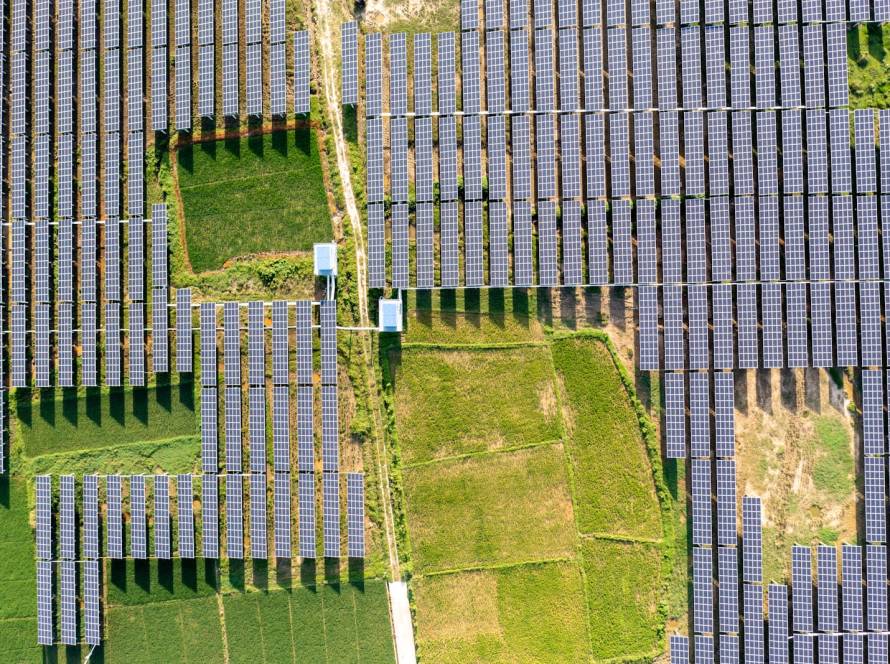
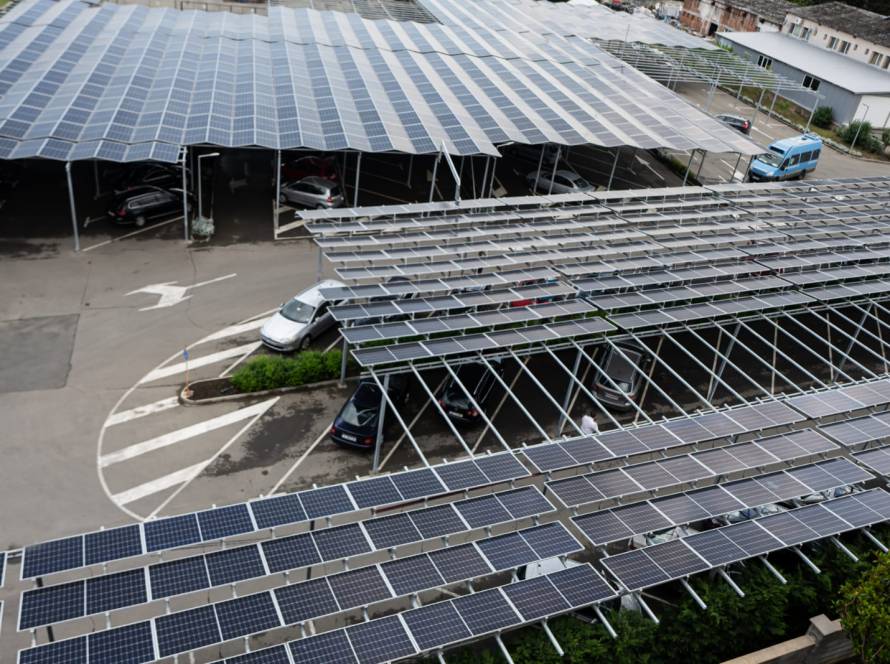
As manufacturers continue strengthening their energy strategies, commercial solar solutions vs diesel generators has become an increasingly important consideration for factories across South Africa. Reliable electricity is fundamental to maintaining production schedules, protecting valuable machinery and controlling operating costs in an increasingly competitive manufacturing environment. Rather than focusing solely on backup power during outages, businesses are taking a broader view of energy infrastructure by considering long-term operating expenses, maintenance requirements, energy security and the ability to support future expansion. This shift reflects a growing recognition that energy decisions have a direct impact on productivity, profitability and overall business resilience.
Diesel generators remain a dependable source of emergency backup power and continue to play an important role in many industrial facilities. At the same time, commercial solar has emerged as a practical long-term investment that can reduce reliance on purchased electricity, improve cost predictability and support sustainability objectives without compromising operational performance. As factories evaluate their future energy requirements, many are adopting a more strategic approach that balances reliability, financial return and operational continuity to build stronger, more resilient manufacturing operations.
Why South African Factories Are Rethinking Energy Strategies
Manufacturing facilities often operate with tight production schedules, energy-intensive machinery and strict delivery commitments. Even short power interruptions can affect productivity, damage output quality or create costly delays. This has made energy planning a boardroom-level decision rather than only a facilities management issue. Industry experience consistently shows that businesses which proactively invest in resilient energy infrastructure are better positioned to maintain production consistency, control operating costs and respond to changing market demands.
When factories assess commercial solar solutions vs diesel generators, they are usually looking beyond the upfront price. They are considering total ownership costs, long-term system performance, fuel exposure, maintenance demands and the wider business impact of downtime. This more strategic approach helps companies choose energy systems that support growth rather than simply solving short-term power interruptions, allowing energy infrastructure to become an asset that contributes directly to long-term business performance.
1. Rising Fuel Costs Make Diesel Increasingly Expensive
Diesel generators remain a familiar source of backup power for many factories because they can begin supplying electricity almost immediately during an outage. However, the financial commitment associated with operating a generator extends well beyond purchasing the equipment. Manufacturers that rely heavily on diesel often find that fuel expenditure becomes a recurring operational cost that is difficult to predict accurately over the long term, particularly as production requirements increase and generators operate for longer periods.
For factory managers, rising fuel costs influence far more than the monthly electricity budget. They affect production planning, operational profitability and the ability to forecast expenses with confidence. Businesses that depend on continuous manufacturing processes must also consider the logistics of securing fuel supplies, maintaining adequate storage capacity and ensuring generators can continue operating whenever power disruptions occur. These ongoing requirements encourage many organisations to evaluate commercial solar solutions vs diesel generators as part of a broader strategy to improve long-term financial resilience.
Factors That Increase the Cost of Diesel Generation
- Continuous fuel purchases throughout the life of the generator.
- Fluctuating diesel prices that make budgeting more difficult.
- Transportation costs associated with fuel deliveries.
- Secure on-site fuel storage and management requirements.
- Increased fuel consumption during extended power outages.
- Administrative costs involved in monitoring fuel usage.
- Potential losses caused by fuel theft or contamination.
- Higher lifetime operating costs compared to systems that generate renewable electricity.
Although diesel generators continue to play an important role in emergency backup power, these ongoing expenses can significantly increase the total cost of ownership over time. Every hour a generator operates requires additional fuel, meaning operational expenditure continues long after the initial equipment purchase. For factories with high electricity demand, these recurring costs can become one of the largest contributors to long-term energy expenditure.
Commercial solar systems operate very differently because they generate electricity using sunlight rather than continuously consuming fuel. After installation, manufacturers are no longer exposed to the same level of fuel-related operating costs, allowing them to improve budgeting certainty and reduce financial risk. This shift from variable fuel expenses to more predictable operating costs is one of the primary reasons factories continue investing in renewable energy infrastructure.
2. Commercial Solar Solutions Provide Predictable Energy Costs
Predictable energy costs help factories manage cash flow, plan production and forecast future expenditure more accurately. Diesel-based backup power can be difficult to budget for because fuel prices change, usage patterns vary and extended outages can increase operating costs unexpectedly. This uncertainty makes financial planning more challenging for manufacturers that depend on stable operating expenses to remain competitive and confidently invest in future expansion.
Factories comparing commercial solar solutions vs diesel generators often value solar because it shifts energy planning from variable fuel expenditure to a more stable long-term cost structure. Once installed, a professionally designed solar system can reduce dependence on purchased electricity while providing far greater certainty around future operating costs. This enables businesses to make informed decisions regarding production growth, equipment upgrades and capital investment without constantly adjusting budgets to accommodate changing fuel or electricity prices.
3. Lower Maintenance Requirements Compared to Diesel Generators
Diesel generators are dependable machines when maintained correctly, but they require ongoing servicing to continue performing reliably in demanding industrial environments. Engines, lubrication systems, filters, cooling systems and other mechanical components experience wear over time, particularly when generators operate frequently during power interruptions. Manufacturers must therefore invest in preventative maintenance to reduce the likelihood of unexpected failures that could interrupt production when backup power is needed most.
Maintenance also represents a significant operational consideration because servicing requires both time and financial resources. Scheduled maintenance can often be planned around production activities, but unexpected breakdowns may result in costly downtime, emergency repairs and disruption to manufacturing schedules. These ongoing maintenance commitments are one of the reasons many businesses carefully evaluate commercial solar solutions vs diesel generators when planning long-term energy infrastructure.
Maintenance Differences Between Solar and Diesel
- Diesel generators require regular oil changes and lubrication.
- Air, fuel and oil filters must be replaced at scheduled intervals.
- Cooling systems require routine inspection and maintenance.
- Engines and mechanical components experience wear during operation.
- Spare parts and specialist servicing may be required over time.
- Commercial solar panels have no moving parts during electricity generation.
- Solar systems generally require periodic cleaning and professional inspections.
- Modern inverter monitoring helps identify performance issues early.
- Lower routine maintenance contributes to reduced operating costs.
- Fewer mechanical components reduce the likelihood of unexpected failures.
For manufacturers, reducing maintenance requirements can improve operational efficiency while lowering the total cost of ownership throughout the lifespan of an energy system. Commercial solar installations typically require considerably less routine servicing than diesel generators because the technology relies on photovoltaic panels rather than complex mechanical equipment. With fewer components subject to wear, maintenance schedules are generally simpler and less disruptive to normal business operations.
Lower maintenance requirements also contribute to improved reliability over the long term. Rather than allocating significant resources to ongoing engine servicing and replacement components, factories can focus on maintaining optimal system performance through periodic inspections and preventative monitoring. This allows businesses to maximise system availability while supporting uninterrupted production and improving the overall value of their energy investment.
4. Improved Environmental Performance and ESG Compliance
Many manufacturers are placing greater emphasis on sustainability as part of their long-term business strategy. Customers, investors and supply chain partners increasingly expect businesses to demonstrate responsible environmental practices alongside strong operational performance. Energy choices play a significant role in achieving these objectives because electricity generation directly influences a company’s environmental footprint and long-term sustainability performance.
For this reason, commercial solar solutions vs diesel generators has become an increasingly important comparison for factories working towards environmental and corporate governance goals. Diesel generators produce emissions whenever they operate, whereas commercial solar generates renewable electricity without direct emissions during normal operation. Reducing reliance on diesel can strengthen a manufacturer’s sustainability credentials while supporting responsible business practices, improving corporate reputation and helping businesses align their operations with evolving customer and stakeholder expectations.
5. Better Long-Term Return on Investment
The true value of any industrial energy system becomes clearer when costs are evaluated across its entire operational lifespan rather than simply comparing initial purchase prices. Although diesel generators often require a lower upfront investment, ongoing expenditure on fuel, servicing, repairs and replacement components continues throughout the life of the equipment. These recurring costs can significantly increase the total cost of ownership over time, particularly for factories with substantial electricity requirements.
Evaluating commercial solar solutions vs diesel generators from a long-term investment perspective often highlights the financial advantages of solar. While commercial solar systems require greater initial capital, they produce electricity for many years with comparatively low operating and maintenance costs. This enables manufacturers to recover their investment through ongoing energy savings while creating a valuable infrastructure asset that continues delivering financial benefits long after installation.
6. Greater Energy Independence During Load Shedding
Reliable electricity remains one of the most important requirements for any manufacturing facility. Production lines, automated equipment, refrigeration systems and critical machinery all depend on consistent power to operate efficiently. Even where grid reliability has improved, many factories continue investing in independent energy infrastructure because unexpected outages, local network faults or future supply challenges can still disrupt production and increase operating costs.
Energy independence has therefore become a strategic objective rather than simply an emergency planning measure. Manufacturers increasingly want greater control over how electricity is generated, stored and consumed so they can reduce operational risk and maintain business continuity. This growing focus on resilience is one of the key reasons organisations continue comparing commercial solar solutions vs diesel generators when planning future energy investments.
Benefits of Greater Energy Independence
- Reduce dependence on the national electricity grid.
- Lower reliance on continuous diesel deliveries.
- Improve production continuity during scheduled outages.
- Minimise downtime caused by unexpected power interruptions.
- Support continuous operation of critical manufacturing equipment.
- Increase resilience through battery energy storage.
- Improve energy security for future business growth.
- Reduce exposure to rising electricity and fuel costs.
- Create a more reliable long-term energy strategy.
- Strengthen operational planning through greater energy control.
Greater energy independence allows manufacturers to focus on production rather than responding to electricity disruptions. Commercial solar systems paired with battery storage can generate and store electricity throughout the day, helping factories maintain essential operations even when grid supply becomes unavailable. This provides greater flexibility while reducing the need to operate diesel generators for extended periods.
Many factories also adopt hybrid energy strategies that combine solar, battery storage and existing generators. Rather than replacing generators completely, businesses can reserve them for exceptional situations while allowing renewable energy to meet a larger share of daily electricity demand. This balanced approach improves resilience, lowers operating costs and creates a more dependable long-term energy solution.
Can Commercial Solar and Diesel Generators Work Together?
Many factories discover that the most effective solution is not replacing diesel generators completely but integrating them into a carefully designed hybrid energy strategy. Commercial solar can generate electricity throughout daylight hours, battery storage can provide power when solar production decreases and diesel generators can remain available for extended outages or periods of unusually high electricity demand. This layered approach allows each technology to perform the role for which it is best suited.
Instead of viewing commercial solar solutions vs diesel generators as competing technologies, manufacturers are increasingly recognising the value of combining both within a single energy system. Solar reduces daily electricity costs, batteries improve resilience and self-consumption, while generators provide dependable backup during exceptional operating conditions. This integrated approach helps factories improve reliability without sacrificing operational flexibility.
Factors Factories Should Compare Before Choosing a Solution
Selecting the right energy solution requires a detailed understanding of how a factory operates rather than relying on general assumptions or equipment specifications alone. Electricity consumption patterns, production schedules, operating hours, available installation space and future expansion plans all influence which system configuration will deliver the greatest long-term value. Every manufacturing facility has unique operational requirements that should guide investment decisions.
Before deciding between commercial solar solutions vs diesel generators, businesses should also evaluate existing generator usage, fuel consumption history, battery storage requirements, financing options, expected return on investment and long-term maintenance obligations. Taking a comprehensive approach helps manufacturers choose an energy strategy that supports both current production requirements and future business growth while maximising financial and operational performance.
How Commercial Solar Solutions Support Manufacturing Productivity
Reliable electricity underpins every stage of a factory’s production process, from operating heavy machinery and automated production lines to powering quality control equipment and warehouse systems. Even relatively short interruptions can create a chain reaction of delays that affects production targets, increases labour costs and impacts customer delivery schedules. For manufacturers operating in competitive industries, maintaining consistent power is therefore closely linked to maintaining profitability, customer confidence and operational efficiency.
Energy reliability also helps protect valuable industrial assets. Sudden power interruptions can place unnecessary strain on sensitive machinery, disrupt automated processes and increase the likelihood of production errors or wasted materials. These wider operational considerations encourage many manufacturers to compare commercial solar solutions vs diesel generators as part of a broader strategy to improve productivity, reduce operational risk and create a more resilient manufacturing environment.
Ways Reliable Energy Improves Manufacturing Productivity
- Reduces costly production downtime.
- Supports continuous operation of production lines.
- Protects sensitive manufacturing equipment from power interruptions.
- Improves production planning and scheduling.
- Helps businesses meet customer delivery deadlines.
- Reduces wasted materials caused by unexpected shutdowns.
- Minimises overtime associated with recovering lost production.
- Improves overall operational efficiency.
- Supports higher equipment availability throughout the year.
- Strengthens customer confidence through reliable production performance.
Reliable energy creates benefits that extend well beyond lower electricity costs. Manufacturers that experience fewer interruptions are better positioned to optimise labour resources, maximise equipment utilisation and maintain consistent production quality. Stable operations also allow management teams to focus on business growth and continuous improvement instead of responding to recurring power-related disruptions.
These productivity gains often generate significant long-term value. Reduced downtime, improved production consistency and greater operational confidence can strengthen customer relationships while supporting future expansion opportunities. When energy infrastructure contributes directly to business performance, it becomes a strategic investment that supports sustainable manufacturing success rather than simply an operational expense.
Commercial Solar Solutions vs Diesel Generators for Factories in South Africa
Choosing between commercial solar solutions vs diesel generators becomes much easier when working with an experienced commercial energy partner that understands the operational demands of South African factories. At Eversolar, we design and deliver integrated renewable energy solutions that help manufacturers improve energy independence, reduce operating expenses and strengthen long-term sustainability performance. Our expertise includes Solar PV, Battery Energy Storage Systems (BESS) and complete Engineering, Procurement and Construction (EPC) project delivery, allowing us to manage every stage of a project from design through to commissioning. We also offer flexible financing through Power Purchase Agreements (PPA) and Rent-to-Own Solar, enabling factories to modernise their energy infrastructure while maintaining predictable energy costs and preserving capital for core business operations.
We tailor every solution to the unique requirements of each manufacturing facility. Our grid-tied systems help factories reduce electricity costs by offsetting grid consumption while maintaining seamless access to utility power when required. Hybrid systems combine Solar PV with BESS to optimise energy storage, reduce peak demand charges, lower grid reliance and provide reliable power during outages, making them ideal for production environments where continuity is essential. For remote or energy-intensive facilities, our off-grid systems deliver independent power that reduces dependence on costly diesel generation while supporting uninterrupted operations. Through precision engineering, premium components, comprehensive EPC capabilities and ongoing after-sales support that includes remote performance monitoring, preventative maintenance, technical assistance and system optimisation, we help factories build scalable energy strategies that continue delivering measurable financial and operational value as their businesses grow.
A Smarter Path Towards Reliable Factory Energy
Factories across South Africa are comparing commercial solar solutions vs diesel generators because energy decisions now influence far more than emergency backup power. Predictable operating costs, maintenance requirements, sustainability objectives, production continuity and long-term financial performance all contribute to selecting the right energy strategy. While diesel generators continue to serve an important role during exceptional circumstances, commercial solar increasingly provides manufacturers with a more stable, efficient and future-focused approach to meeting their daily energy requirements.
At Eversolar, we help businesses develop commercial solar systems that are engineered around their operational requirements, financial objectives and future growth plans. Whether you are considering a grid-tied, hybrid or off-grid solution, our team can design an energy strategy that improves resilience, reduces operating costs and supports long-term productivity. Contact us today to discuss your factory’s energy requirements and discover how we can help you build a stronger, more sustainable energy future.