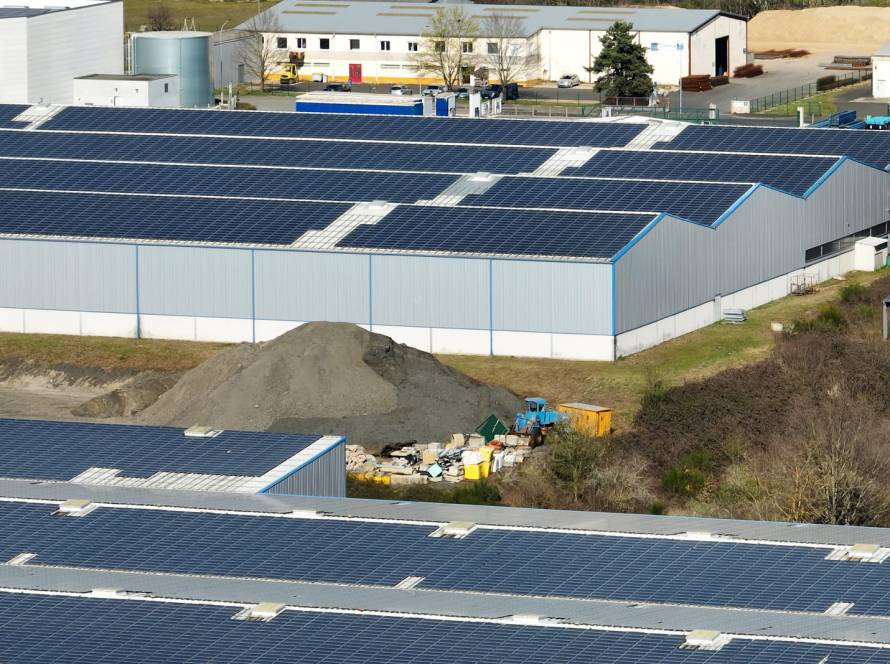
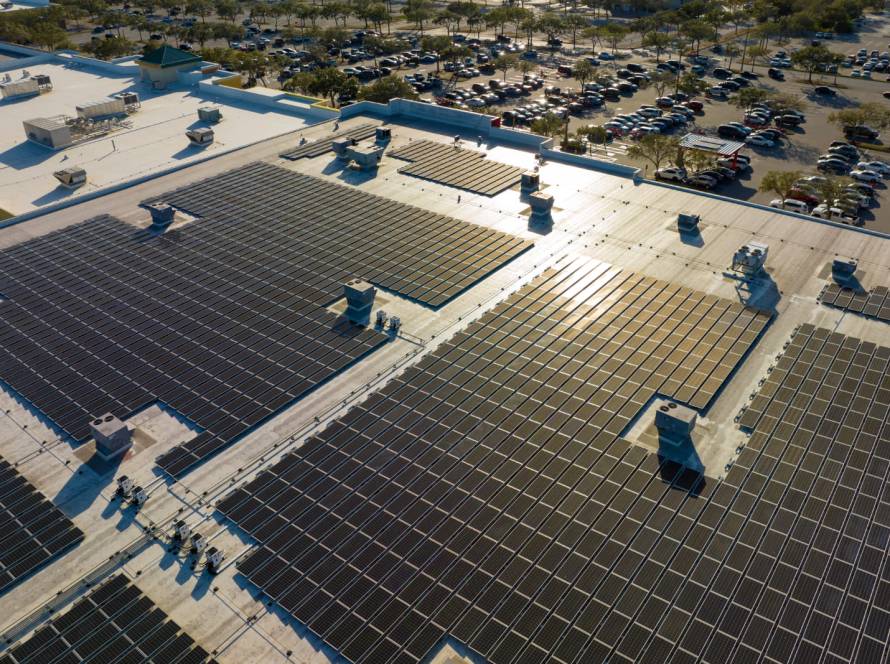
IPP projects are becoming one of the most practical ways to add clean, reliable power to South Africa’s energy mix. As electricity costs rise, grid pressure continues and businesses look for more control over their energy future, independent power producers are helping unlock private capital, renewable infrastructure and long-term energy security.
For developers, large energy users and property owners, the challenge is turning a strong renewable energy opportunity into a project that actually reaches commissioning and performs over time. That takes commercial structure, site-specific engineering, grid planning, finance, quality delivery and ongoing maintenance. This blueprint explains what matters most when taking IPP projects from early concept to long-term operation.
Understanding The Role Of IPP Projects
IPP projects are developed by private entities that generate electricity and sell it to utilities, municipalities, governments or private off-takers. In most cases, this happens through a Power Purchase Agreement, which gives the project a long-term commercial framework and allows the buyer to access energy without owning and managing the full generation asset directly.
In South Africa, IPPs have become an important part of the move towards more reliable, decentralised and lower-carbon electricity. Renewable procurement has already shown what the model can achieve. South Africa’s renewable IPP programme procured about 6.4 GW from 112 IPPs, with 4,201 MW connected to the grid from 67 projects by March 2020.
The impact goes beyond power generation. The same programme attracted R209.7 billion in investment, created 50,984 job years for South African citizens and achieved 47.7 million tonnes of CO₂ emission reductions. For Eversolar’s market, this shows why well-planned Solar PV, BESS and wheeling projects are not only energy solutions. They are also business resilience, cost control, sustainability and infrastructure investments.
Why IPP Projects Need A Strong Commercial Foundation
Every strong IPP project starts with a bankable commercial model. The Power Purchase Agreement is usually the centre of this model because it defines who buys the power, what tariff applies, how long the agreement lasts, how performance is measured and how risk is shared. Without this foundation, developers, funders and off-takers can struggle to reach alignment.
For Eversolar’s clients, the commercial structure must also support practical business needs. A farm, mine, factory, retail centre or property portfolio may want lower energy costs, improved continuity, reduced grid reliance or better ESG performance. The finance model should match that goal, whether the project is delivered through CAPEX, a PPA or a Rent-to-Own structure.
- Define the off-taker and energy-use case clearly before final design.
- Build the project around realistic tariffs, savings and contract terms.
- Use a finance model that fits the client’s capital strategy.
- Clarify who carries performance, grid, construction and payment risk.
- Match the ownership model to the long-term energy plan.
- Include clear rules for downtime, maintenance, handover and technical support.
A weak commercial structure can hold back even a strong technical project. A site may have excellent solar potential, but if the funding route is unclear or the savings case does not match the client’s operating reality, the project can slow down. This is why commercial planning should happen alongside engineering, not after it.
The best approach is to connect finance, technical design and delivery planning early. Eversolar’s value sits in this joined-up process: feasibility, funding, design, procurement, installation, commissioning and ongoing support are treated as one project journey. That gives clients a clearer path from opportunity to operating asset.
Planning IPP Projects Around The Grid
Grid access can make or break IPP projects. A project may have the right technology and strong demand from an off-taker, but if the grid cannot accept, transmit or balance the energy, the project can face delays, curtailment or additional connection costs. This is why developers need to assess grid conditions before major commitments are made.
Municipal energy systems add another layer of planning. In Cape Town, for example, the city has an estimated population of 4.68 million and covers about 2,445 square kilometres. The City also recorded annual peak demand of 1,786 MW in City-supplied areas for the financial year ending June 2023. Those figures show the scale of the energy environment that renewable projects must fit into.
For Eversolar-style projects, grid planning is also about operational fit. A grid-tied, off-grid or hybrid Solar PV and BESS system must be designed around the site’s load profile, connection conditions and business continuity needs. The goal is not simply to connect a system. It is to create stable, compliant and useful energy infrastructure that works with the client’s daily operations.
Getting The Technical Design Right From Day One
The best IPP projects are engineered around real operating conditions, not generic assumptions. Developers need to understand load profiles, peak demand, operating hours, seasonal changes, backup requirements, available roof or land space, grid constraints and future expansion plans. If the system does not match the way the site actually uses energy, it can underperform.
This is especially important for Eversolar’s core sectors. Agriculture may need reliable power for irrigation, cold storage and processing. Mining may need robust systems for remote or grid-constrained operations. Industrial facilities may need stable, high-capacity power for continuous production. Commercial sites and REIT portfolios may need predictable savings, reduced overheads and tenant-friendly implementation.
- Validate site data before finalising the system design.
- Model daily, monthly and seasonal demand patterns.
- Design around peak loads, not only average consumption.
- Select durable components with long-term performance in mind.
- Use BESS where backup, peak shaving or energy shifting is required.
- Plan for future expansion, upgrades and changing energy needs.
Technical design also has to consider the full lifecycle of the asset. Solar PV systems should be planned for consistent generation, low degradation and smooth integration with existing infrastructure. Battery systems should be sized and configured around how energy will actually be stored, discharged and managed.
Eversolar’s strength lies in designing Solar PV, BESS, hybrid and microgrid systems that are tailored to the site. This means engineering decisions are linked to business outcomes such as cost predictability, energy independence, operational continuity and long-term return on investment.
Financing IPP Projects Without Slowing Delivery
IPP projects are capital-intensive, so finance must be addressed early. Large renewable projects often rely on a mix of equity and debt, while commercial and industrial projects may need funding structures that avoid pressure on capital budgets. If the funding model is unclear, a technically sound project can still stall before delivery.
South Africa’s renewable IPP experience shows how powerful structured private investment can be. The national programme attracted R209.7 billion in investment, including R41.8 billion from foreign sources. This proves that renewable energy infrastructure can draw serious capital when the project structure, procurement process and commercial case are credible.
For Eversolar clients, flexible financing is often what turns interest into action. PPAs and Rent-to-Own models can allow businesses to access Solar PV and BESS without carrying the full upfront cost. This makes renewable energy more accessible while still giving clients the benefits of predictable energy outcomes, improved resilience and long-term savings.
Managing Procurement, Construction And Quality Control
Once an IPP project reaches delivery stage, execution discipline becomes critical. Procurement decisions affect performance for the full life of the asset. Poor component selection, weak logistics or rushed installation can lead to downtime, safety risks, warranty issues and lower returns.
Eversolar’s EPC approach is built around accountable delivery. This includes feasibility, engineering, procurement, installation, grid connection, commissioning and handover. Each stage must be managed carefully so the system is delivered safely, efficiently and in line with the approved design.
- Source premium components suited to the operating environment.
- Confirm procurement timelines before committing to installation dates.
- Use project gates before each major phase progresses.
- Track budget, scope and risks throughout delivery.
- Verify installation work against the technical design.
- Keep complete project records for handover and future maintenance.
Quality control should not be left until commissioning. It should be built into the project lifecycle, with technical verification, commercial compliance, project record approval and management sign-off at key milestones. This creates accountability and reduces the risk of late-stage surprises.
For live business environments, this matters even more. Mines, farms, factories, retail centres and commercial properties cannot afford unnecessary disruption. A structured EPC process helps minimise downtime, manage risk and ensure the system is handed over as a reliable operating asset.
Using Wheeling To Unlock More Value From IPP Projects
Energy wheeling allows electricity generated in one location to be supplied to a customer in another location using the grid. This is useful when the best solar generation site is not the same as the consumption site. It gives businesses a way to access renewable energy even when on-site space, roof conditions or operational constraints make direct installation difficult.
For large energy users, wheeling can support price certainty, reduced reliance on conventional supply and progress towards sustainability targets. It can also make sense for businesses with multiple sites, property portfolios or large energy loads spread across different locations. In these cases, the energy strategy may need to go beyond a single rooftop installation.
Eversolar’s wheeling offering fits into this wider renewable energy strategy. Alongside on-site Solar PV, BESS and hybrid systems, wheeling can help clients access solar-generated electricity at remote facilities without installing panels at every site. The key is to plan the commercial, technical and grid requirements properly from the start.
Building Resilience With Battery Energy Storage
Solar PV is clean, proven and cost-effective, but it is naturally variable. Battery energy storage helps make renewable energy more useful by storing electricity when generation is strong and making it available when demand is high, tariffs are expensive or grid supply is unstable.
For businesses, BESS can support peak shaving, backup power, energy arbitrage and improved continuity. This is valuable in sectors where downtime carries a real cost, such as mining, agriculture, manufacturing, logistics, retail and cold storage. Storage also helps businesses use more of their generated solar energy on-site.
For Eversolar, BESS is not an add-on. It is part of building resilient energy infrastructure. When combined with Solar PV, hybrid design and proper controls, battery storage can improve grid independence, reduce energy charges and help businesses keep operating through a more uncertain energy environment.
Navigating Policy, Permits And Environmental Requirements
IPP projects must fit within the legal, regulatory and environmental framework of the market where they operate. In South Africa, developers may need to consider energy legislation, electricity regulations, grid codes, municipal by-laws, planning rules, environmental requirements and embedded generation standards. These should be mapped early to avoid delays.
Environmental and social planning is also important. Renewable energy projects reduce emissions, but they still need responsible site selection, land-use review and practical environmental checks. Developers should consider biodiversity, watercourses, ecological sensitivity, access routes, community impact and any approvals that may apply.
The wider South African IPP record shows the value of responsible renewable development. The national programme reported 47.7 million tonnes of CO₂ emission reductions and more than R1.2 billion in socio-economic development contributions. For Eversolar-aligned projects, the principle is the same at a commercial and industrial scale: build infrastructure that lowers energy risk, supports sustainability and delivers measurable long-term value.
Operating And Maintaining IPP Projects For Long-Term Performance
Commissioning is not the finish line. The real value of IPP projects is created over years of safe, reliable and efficient operation. Without monitoring, maintenance and rapid fault response, even a well-built system can lose performance over time.
Eversolar’s long-term support model is designed to protect asset performance after handover. This includes remote monitoring, preventative maintenance, corrective maintenance, hardware inspections, battery care, firmware updates, performance optimisation and rapid technical response when issues arise.
- Monitor system performance continuously.
- Schedule preventative inspections and maintenance.
- Respond quickly to faults and underperformance.
- Inspect inverters, batteries, mounting structures and electrical hardware.
- Manage warranties, repairs and component replacement.
- Plan upgrades or expansions when energy needs change.
Long-term O&M also supports safety, compliance and business continuity. This is especially important for high-demand sites where energy interruptions can affect production, tenants, cold storage, irrigation, processing or critical operations.
For developers and energy users, maintenance is not just a technical service. It protects savings, uptime and return on investment. Eversolar’s ongoing support ensures the system is not only installed correctly, but cared for across its full lifecycle.
Where Can I Get A Full Solar PV System Installation Package?
If you are looking for a full Solar PV system installation package, we provide end-to-end renewable energy solutions for commercial, industrial, agricultural, mining, property development and REIT clients. At Eversolar, we design each project around site-specific load profiles, operational constraints, sustainability goals and long-term performance requirements.
Our full-service approach covers feasibility, funding, engineering, procurement, installation, grid connection, commissioning, handover and ongoing support. We deliver Solar PV systems, battery energy storage, turnkey EPC services, renewable energy wheeling and lifecycle maintenance.
- Feasibility studies and site assessments.
- Flexible funding options, including PPAs and Rent-to-Own structures.
- Engineering and design for Solar PV, BESS, hybrid and microgrid systems.
- Procurement of durable, high-quality components.
- Professional installation, grid connection and commissioning.
- Remote monitoring, preventative maintenance and rapid technical support.
We work across several industries because energy needs are not the same everywhere. Farms need reliable power for irrigation and cold storage. Mines need robust systems for remote and high-demand environments. Commercial and industrial sites need cost stability and continuity. Property developers and REITs need energy infrastructure that improves asset value and ESG performance.
At Eversolar, we stay involved after commissioning. Our team supports performance monitoring, maintenance, technical response, system optimisation and future upgrades. That means we do not only install the system. We help design, build, fund, protect and improve the energy asset over time.
Turning IPP Projects Into Bankable Energy Assets
IPP projects can play a major role in South Africa’s energy future, but only when they are developed with the right discipline. For businesses, the goal is not just to add renewable capacity. It is to create an energy asset that improves reliability, controls costs, supports sustainability and performs over its full lifecycle.
If your business is ready to explore Solar PV, BESS, wheeling or a funded energy solution, we can help you take the next step. Get in touch with Eversolar and let’s build an energy solution that supports your operations today while preparing your business for the future.
FAQs About IPP Projects
What is IPP project management?
IPP project management is the process of planning, coordinating and delivering an Independent Power Producer project from early feasibility through to long-term operation. It covers commercial structuring, technical design, finance, procurement, construction, grid connection, commissioning and ongoing maintenance. Good IPP project management keeps all parties aligned, including developers, funders, off-takers, engineers, contractors and operations teams. It also helps manage risk at each stage, from securing a Power Purchase Agreement to ensuring the system performs after handover. For Solar PV and BESS projects, strong project management is essential for reliability, compliance and long-term value.
What are the main stages of an IPP project?
The main stages of an IPP project usually include feasibility, commercial structuring, finance, engineering, procurement, construction, commissioning and operations. During feasibility, the project team assesses the site, energy demand, grid access and financial case. The commercial stage typically involves an off-take agreement, such as a PPA. Engineering then turns the opportunity into a practical system design. Procurement and construction bring the project to life, while commissioning confirms that the system works safely and correctly. After handover, operations and maintenance protect performance, uptime and asset value across the project’s full lifecycle.
Why is a Power Purchase Agreement important for IPP projects?
A Power Purchase Agreement, or PPA, is important because it gives an IPP project its commercial foundation. It sets out who will buy the electricity, what tariff will apply, how long the agreement will run and how performance, payment and risk will be managed. Without a strong PPA, it can be difficult to secure finance because lenders and investors need confidence in the project’s future revenue. For energy users, a PPA can also provide predictable energy costs without the need for major upfront capital. This makes renewable energy more accessible and easier to plan around.
What risks should be managed in IPP project delivery?
IPP project delivery risks include grid access delays, weak off-taker agreements, unclear finance structures, poor technical design, procurement issues, construction delays, regulatory problems and underperformance after commissioning. These risks can affect timelines, costs, energy output and long-term returns. The best way to manage them is through early planning, accurate site data, strong contracts, clear responsibility, structured quality control and experienced delivery teams. For Solar PV and BESS projects, technical risks must also be managed through proper system sizing, component selection, safety checks, monitoring and maintenance. Risk management should continue throughout the full project lifecycle.
How long does it take to complete an IPP project?
The timeline for an IPP project depends on the project size, technology, site conditions, grid requirements, permitting process, finance structure and procurement complexity. Smaller commercial Solar PV projects can move faster, while larger IPP projects involving wheeling, BESS, land use approvals or complex grid connections may take much longer. Delays often happen when feasibility, finance, technical design and approvals are not aligned early. A structured EPC process helps reduce delays by moving the project through clear stages, from assessment and design to procurement, installation, commissioning and handover. Good planning is the biggest timeline advantage.
How does maintenance affect IPP project performance?
Maintenance has a direct impact on how well an IPP project performs over time. Even a well-designed Solar PV or BESS system can lose output, reliability and value if it is not monitored and maintained properly. Effective maintenance includes remote performance monitoring, preventative inspections, corrective repairs, battery care, inverter checks, firmware updates, hardware inspections and rapid fault response. This protects uptime, safety, compliance and long-term return on investment. For businesses that depend on stable power, maintenance is not optional. It is what keeps the system delivering savings, resilience and operational continuity after commissioning.