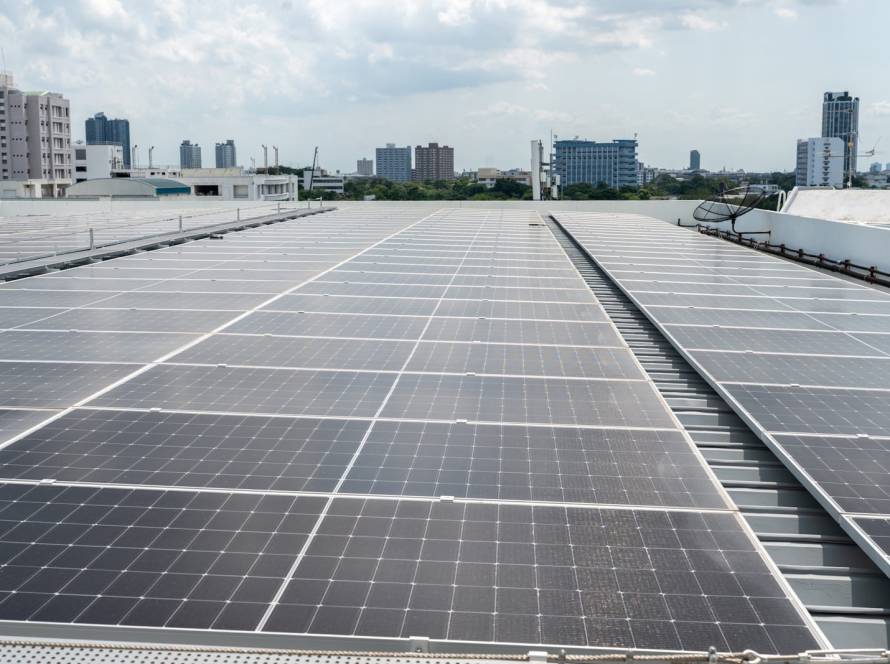
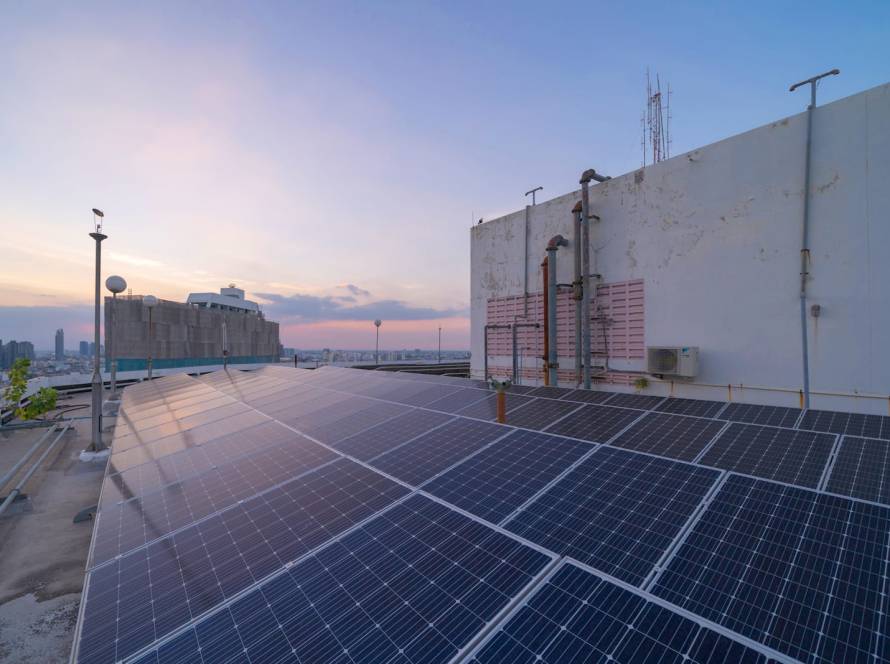
The case for solar for mining has become much stronger as mines face rising electricity costs, unstable grid supply, diesel pressure and tougher sustainability demands. For many mining companies, energy is no longer just a background cost. It is a major operating risk that affects production, safety, margins and long-term planning.
Solar is winning because it gives mines more control. With the right mix of Solar PV, battery energy storage, wheeling, off-grid systems and structured maintenance, mining operations can reduce diesel dependence, stabilise energy costs and build a cleaner, more reliable energy future.
Why Solar For Mining Is Gaining Serious Momentum
Mining is one of the most energy-intensive sectors, with equipment such as crushers, pumps, conveyors, ventilation systems and processing plants needing large and steady power loads. When electricity supply becomes unreliable, the impact is immediate. Production can stop, equipment can be placed under stress, safety risks can rise and operating costs can become harder to manage.
The momentum behind solar for mining is also being driven by a strong financial case. Industry material reviewed for this article suggests that energy can account for around 30% to 40% of mining operating costs in some contexts, while solar adoption can support meaningful energy cost reductions depending on system design, site conditions and financing structure.
- Lower exposure to rising grid tariffs and fuel costs.
- Reduced dependence on diesel generators and fuel deliveries.
- Better energy security for remote and grid-constrained sites.
- Stronger production continuity during outages and peak demand periods.
- Improved ESG performance through lower carbon emissions.
- More predictable long-term energy planning.
- Scalable infrastructure that can grow with production needs.
This shift is not only about sustainability. It is about staying productive and competitive in a tough operating environment. Mines that take control of their energy supply can reduce risk, improve cost certainty and protect themselves from the disruption caused by unstable power and volatile fuel prices.
The Cost Advantage Is Too Big To Ignore
The financial case for solar starts with the scale of mining energy demand. When electricity makes up a large share of operating costs, even a moderate reduction can have a serious impact on profitability. Industry examples reviewed earlier showed that some mining solar projects are modelled to deliver major long-term savings, including one 54 MW Solar PV example linked to projected multi-billion-rand electricity savings over 20 years.
Solar also helps mines manage price uncertainty. Diesel prices, transport costs, grid tariffs and carbon-related costs can all shift over time. A well-designed solar system can provide a more predictable cost base over a long operating life, which helps finance teams plan with more confidence.
Funding models make the opportunity even more practical. PPAs, Rent-To-Own structures and other financed options can help mines adopt solar without placing heavy pressure on capital budgets. Instead of delaying energy improvements because of upfront cost, mines can structure projects around long-term savings, operational resilience and clear commercial outcomes.
Reliability Is Where Solar Proves Its Value
For a mine, cheaper power is helpful, but reliable power is essential. Solar PV can reduce daytime energy costs, but the strongest results often come when it is paired with Battery Energy Storage Systems. BESS allows energy to be stored and used during outages, peak demand periods or times when solar production drops.
This matters because mines run critical processes that cannot simply pause whenever the grid fails. Battery storage can support backup power, reduce peak demand charges and improve energy independence. In hybrid systems, solar, batteries and backup generation can work together to support more stable operations.
This is why solar should not be viewed as a simple panel installation. For mining, it works best as engineered energy infrastructure. The system must be sized around the site’s real load profile, production schedule, grid conditions, diesel use and future expansion plans.
Ground-Mounted Systems Suit Mining Environments
Ground-mounted solar is especially well suited to mining because it is built for scale. Many mines have large energy needs and may also have access to land that is not being used for core production. This creates an opportunity to turn underused land into productive energy infrastructure.
Unlike rooftop systems, ground-mounted arrays can be positioned at the right angle and orientation to improve energy yield. They are also easier to access for cleaning, inspections and maintenance, which is important in dusty mining environments where long-term performance depends on proper upkeep.
- Systems can scale from smaller arrays to utility-scale installations.
- Panels can be positioned for better sunlight capture.
- Rehabilitated land, buffer zones or unused areas can be used productively.
- Maintenance teams can access panels, inverters and structures more easily.
- Ground-mounted systems integrate well with BESS, backup generation and microgrids.
- Strong engineering can improve durability in harsh operating conditions.
For mining companies, the key is not just installing as many panels as possible. The real value comes from proper site analysis, smart layout, dust management, safe access, strong racking and lifecycle planning. A ground-mounted system should be designed to support production for years, not only to meet a short-term energy target.
Wheeling Gives Large Energy Users Another Route
Not every mine can install enough solar capacity onsite. Some sites may have land constraints, grid limitations, operational restrictions or unsuitable terrain. In these cases, renewable energy wheeling can give large energy users another way to access solar-generated electricity.
With wheeling, solar power is generated at a separate site and fed into the grid. The mining operation then receives a credit or offset for the equivalent electricity used at its own facility. This can help mines access renewable energy at scale without needing to place every panel directly on the mining site.
For large energy users, wheeling can form part of a wider strategy that includes onsite Solar PV, BESS and backup power. It gives mines more flexibility in how they procure and manage renewable energy, while still supporting cost reduction, energy security and decarbonisation goals.
How Eversolar Supports Solar For Mining
Eversolar delivers renewable energy infrastructure for commercial and industrial facilities across Southern Africa, with solutions designed for demanding sectors such as mining. Its services include Solar PV systems, BESS, turnkey EPC delivery, renewable energy wheeling, operations, maintenance and flexible funding options such as PPAs and Rent-To-Own Solar.
For solar for mining, Eversolar focuses on practical outcomes that matter on site: reduced diesel dependence, improved energy security, lower operating risk, long-term asset performance and stronger production continuity. Its mining solutions are designed around site-specific load profiles, operational constraints and future growth.
- Solar PV systems in grid-tied, hybrid and off-grid configurations.
- BESS to support backup power, peak demand management and energy resilience.
- Turnkey EPC services from feasibility and engineering through to commissioning.
- Off-grid and microgrid systems for remote or grid-constrained mines.
- Renewable energy wheeling for large users needing offsite solar supply.
- Flexible funding through PPA and Rent-To-Own Solar structures.
- Operations and maintenance support to protect long-term system performance.
Eversolar also brings structure to delivery. Its process includes scope and data validation, integrated project review, implementation readiness, quality control, handover and O&M transition. That matters because mining energy projects must be safe, technically sound, commercially clear and reliable over the full lifecycle.
The Future of Mining Power Is Already Taking Shape
The rise of solar for mining is not a passing trend. It is a practical response to high energy costs, unreliable power, diesel dependence and growing pressure to reduce emissions. Mines are betting big on solar because it helps them protect production, improve cost control and move towards cleaner operations.
The strongest results will come from mining companies that treat solar as engineered energy infrastructure. That means proper feasibility work, funding alignment, EPC delivery, quality control, storage integration, maintenance planning and long-term operational support.
Eversolar helps mining companies plan, finance, build and maintain renewable energy systems designed for demanding environments. From Solar PV and BESS to wheeling, off-grid systems, microgrids, EPC delivery and lifecycle support, we help turn energy challenges into long-term operational advantages.
If your mining operation is ready to reduce diesel dependence, improve energy security and move closer to energy independence, get in touch with Eversolar. We can help you explore the right solar solution for your site and build a cleaner, stronger and more resilient energy strategy.