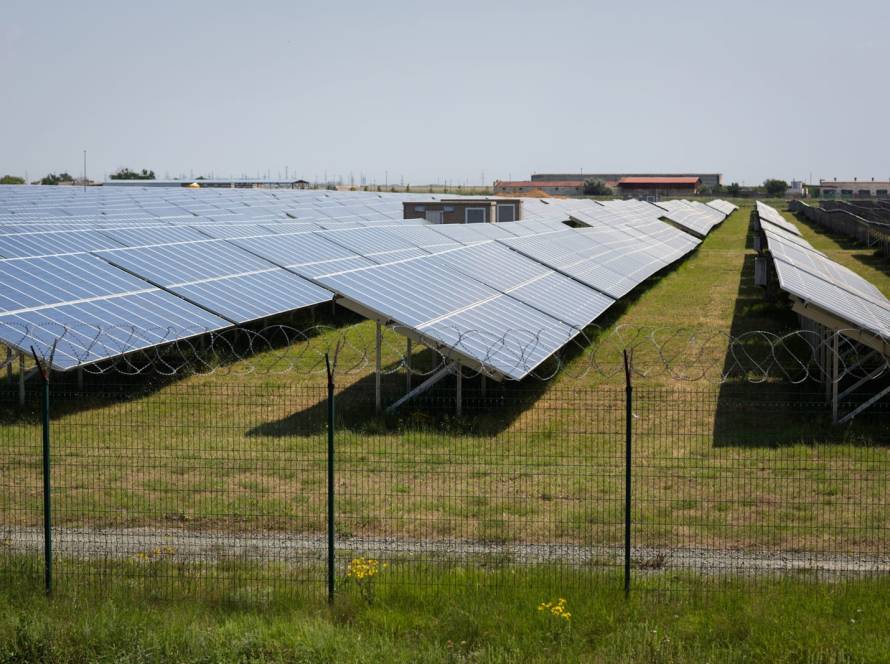
A commercial solar panel installation can reduce long-term energy costs, improve energy security, and add value to a commercial property. Many businesses across South Africa now see solar as a practical investment rather than a luxury. However, signing the wrong contract can create financial pressure, operational problems, and unexpected obligations that last for years. Before committing to any agreement, property owners and business operators need to understand exactly what they are signing and how the terms will affect them over the long term.
Solar contracts often contain technical language, long-term commitments, and financial clauses that many business owners overlook in the excitement of going solar. Your commercial solar panel installation should support your business goals, not create unnecessary risk. Taking the time to ask the right questions before signing any agreement can help you avoid costly mistakes and ensure the system delivers real long-term value.
1. Does the Commercial Solar Panel Installation Suit Your Business Needs?
Before signing a contract, you need to understand whether the proposed system actually matches your electricity usage and operational requirements. Some systems may appear attractive on paper but fail to deliver the expected performance because they were not designed around the building’s actual consumption patterns. Every commercial property has different energy demands, which means a commercial solar panel installation should reflect your operating hours, roof space, future growth plans, and daily consumption levels.
It is also important to assess the property itself. Roof condition, structural strength, waterproofing, shading, and security all affect the success of the installation. South African businesses should pay close attention to weather exposure and theft prevention measures, especially where high-value equipment will remain accessible. Independent inspections from qualified professionals can help identify issues before installation begins and prevent problems that could affect the long-term performance of the commercial solar panel installation.
- Review your current and projected electricity usage patterns
- Assess whether the roof structure can support the solar system safely
- Evaluate shading, sunlight exposure, and available installation space
- Consider whether the system can scale with future business growth
- Determine whether grid-tied, hybrid, or off-grid solutions suit your operations
- Identify backup power requirements during outages or peak demand periods
- Confirm whether battery storage is necessary for operational continuity
- Ensure the proposed system aligns with your long-term financial goals
Choosing the right system configuration is one of the most important steps in the process. A system that is too small may fail to offset enough electricity usage, while an oversized system may not deliver the expected return on investment. Businesses should take the time to understand how the system has been designed and whether the projected savings realistically match the operational needs of the property.
A properly planned commercial solar panel installation should support long-term operational efficiency without disrupting day-to-day business activities. Businesses that assess their requirements carefully before signing a contract are far more likely to achieve reliable energy performance, improved resilience, and predictable long-term savings.
2. What Are the Full Financial Obligations in the Contract?
Many businesses focus only on the monthly payment or upfront installation cost without considering the full financial impact of the agreement. A commercial solar panel installation may involve additional obligations such as annual escalations, maintenance charges, insurance responsibilities, monitoring costs, cancellation penalties, or equipment removal fees. These hidden costs can significantly change the long-term affordability of the project.
It is equally important to understand whether the agreement involves ownership, leasing, or a power purchase arrangement. In some contracts, the provider keeps ownership of the system throughout the agreement, which means the customer may never fully benefit from the asset itself. Businesses should carefully evaluate how the payment structure aligns with the expected energy savings over the lifespan of the system and whether the commercial solar panel installation still makes financial sense several years into the agreement.
3. Who Is Responsible for Performance, Maintenance, and Repairs?
A commercial solar panel installation is a long-term asset that requires ongoing maintenance and technical support. Before signing a contract, businesses should understand who will monitor the system, carry out repairs, replace damaged components, and manage performance issues. Some agreements place most responsibilities on the customer, while others include full maintenance support from the installer.
Performance guarantees also deserve careful attention. Solar systems naturally experience some decline in efficiency over time, but the contract should still clearly outline acceptable performance standards and available remedies if the system underperforms. Businesses should also ask about battery lifespan, inverter warranties, and response times for technical faults, especially in areas where power interruptions regularly affect operations. A reliable support structure plays a major role in protecting the long-term value of a commercial solar panel installation.
- Confirm who is responsible for ongoing system maintenance
- Ask whether monitoring and performance tracking are included
- Review inverter, battery, and panel warranty terms carefully
- Understand the process for reporting faults or performance issues
- Clarify response times for maintenance callouts and repairs
- Determine whether replacement components are included under warranty
- Ask who is responsible for insurance and theft protection
- Review any exclusions related to system performance guarantees
Long-term maintenance responsibilities can significantly affect the reliability and lifespan of the system. Businesses should avoid assuming that all servicing and repairs are automatically included in the agreement. Some contracts may require the customer to carry additional maintenance obligations or cover costs related to specific components and operational issues.
Clear communication regarding maintenance and support can prevent disputes later in the contract term. A commercial solar panel installation should include practical processes for fault reporting, servicing, and technical support to ensure the system continues operating efficiently under changing operational conditions and energy demands.
4. Are the Contract Terms Fair and Flexible?
Many solar agreements run for long periods, which makes the contract terms extremely important. Businesses should carefully review clauses related to contract duration, annual escalations, renewal terms, cancellation rights, and buyout options. Flexibility is essential because a commercial solar panel installation should still support the business if operations expand, relocate, or change over time.
Short preliminary agreements can also create problems if signed too quickly. Letters of intent or early-stage agreements sometimes give providers control over the site before the main terms have been fully negotiated. Businesses should avoid entering any binding agreement without first reviewing the key commercial terms and understanding their rights if disputes arise later in the process. A fair commercial solar panel installation contract should create clarity and balance for both parties involved.
5. Is the Commercial Solar Panel Installation Company Properly Qualified and Experienced?
The quality of the installer often determines the long-term success of a commercial solar panel installation. Businesses should ask whether the installation team uses qualified electricians, engineers, and accredited professionals. Experienced installers are more likely to understand structural requirements, safety standards, compliance obligations, and site-specific challenges.
It is also worth asking whether the company uses subcontractors or manages projects internally. While subcontracting is common, businesses should still know who remains responsible for workmanship and after-sales support. Reviewing previous projects, requesting references, and checking industry credentials can help confirm whether the provider has a reliable track record. Strong technical expertise often makes a major difference in the reliability and efficiency of a commercial solar panel installation over time.
- Verify whether installers hold relevant electrical and engineering qualifications
- Confirm whether the company uses internal teams or subcontractors
- Ask for examples of completed commercial solar projects
- Review the company’s safety procedures and compliance standards
- Check whether the provider offers ongoing technical support
- Assess the company’s experience with systems similar to your facility
- Confirm who remains responsible for workmanship after installation
- Request references from previous commercial clients where possible
An experienced installation company can identify site-specific risks before they become major problems. Commercial solar projects often involve complex electrical infrastructure, operational constraints, and structural considerations that require specialised expertise and careful planning from the beginning of the project.
The long-term performance of a commercial solar panel installation depends heavily on the quality of workmanship and system design. Businesses should choose providers with proven commercial experience, strong project management capabilities, and a clear understanding of industry compliance requirements to reduce operational risks and improve long-term system reliability.
6. What Happens if the System Underperforms or the Contract Ends Early?
Unexpected situations can arise during any long-term agreement. Businesses should understand what happens if the commercial solar panel installation does not perform as promised, if ownership changes, or if the contract needs to end early. Some agreements contain severe penalties or require businesses to pay the remaining contract value even if the system fails to meet expectations.
It is equally important to clarify what happens at the end of the agreement term. In some cases, the customer may need to pay additional fees to take ownership of the equipment. Other agreements may require the provider to remove the system entirely. Understanding these conditions upfront helps businesses avoid unpleasant surprises years down the line and ensures the commercial solar panel installation remains a valuable long-term investment.
Eversolar’s Services and Expertise in Commercial Solar
At Eversolar, we provide integrated renewable energy solutions designed specifically for the commercial sector. Our expertise includes Solar PV systems, Battery Energy Storage Systems (BESS), and full EPC project delivery, allowing us to manage every stage of a commercial solar panel installation from planning and design through to installation and commissioning. We tailor each solution to suit the operational and financial requirements of the business, ensuring seamless integration with existing infrastructure while prioritising long-term performance, safety, and reliability. Our team also offers flexible financing options, including Power Purchase Agreements and Rent-to-Own Solar solutions, helping businesses adopt modern energy infrastructure while maintaining predictable energy costs.
We deliver commercial solar solutions for offices, factories, warehouses, and retail facilities through grid-tied, hybrid, and off-grid system configurations. Our grid-tied systems help businesses offset electricity consumption while remaining connected to the grid, while hybrid systems combine solar generation with battery storage to improve energy management and provide backup power during outages. For remote or energy-intensive operations, our off-grid solutions support operational continuity while reducing reliance on traditional backup power sources.
- Full EPC project delivery from planning to commissioning
- Solar PV system design tailored to commercial operations
- Battery Energy Storage System (BESS) integration
- Grid-tied, hybrid, and off-grid commercial solar solutions
- Flexible financing options including PPA and Rent-to-Own structures
- Commercial solutions for offices, warehouses, factories, and retail facilities
- Seamless integration with existing electrical infrastructure
- Scalable energy systems designed for business growth
- Ongoing focus on operational resilience and energy efficiency
- Expert installation using premium components and robust system design
Our approach focuses on delivering practical energy solutions that support long-term operational stability and measurable business value. By combining engineering expertise with tailored system design, we help businesses reduce dependence on the grid while improving energy management and operational continuity across a wide range of commercial environments.
We understand that every commercial solar panel installation requires careful planning, reliable technology, and efficient execution. That is why we manage projects with a strong focus on safety, performance, and long-term system reliability, ensuring businesses receive renewable energy solutions that continue supporting their operations well into the future.
Partner with Experts in Solar Installation
A commercial solar panel installation can provide lasting value for South African businesses when supported by a fair, transparent, and well-structured agreement. Asking the right questions before signing any contract helps businesses protect themselves financially, understand their obligations, and ensure the system performs as expected over the long term. Careful attention to system design, contract terms, maintenance responsibilities, and financial commitments can make the difference between a successful investment and a costly mistake.
Businesses should never rush into a commercial solar panel installation without fully understanding the agreement in front of them. Taking the time to review the details, seek professional advice, and compare options can help ensure the system delivers reliable performance and long-term savings. If you would like expert guidance on choosing the right solar solution for your property, get in touch with Eversolar today.
FAQs
What should I ask before signing a commercial solar contract?
Before signing a commercial solar contract, businesses should ask about system ownership, contract length, maintenance responsibilities, performance guarantees, annual escalations, warranty coverage, and cancellation terms. It is also important to confirm whether the proposed commercial solar panel installation matches the property’s electricity usage and future operational needs.
What is included in a commercial solar installation contract?
A commercial solar installation contract usually includes project scope, system specifications, payment terms, maintenance responsibilities, warranties, performance expectations, and termination clauses. Businesses should carefully review all obligations before signing to ensure the agreement remains fair and financially practical over the long term.
Who is responsible for maintaining a commercial solar system?
Maintenance responsibilities depend on the contract structure. Some agreements include full maintenance and monitoring from the installer, while others place certain obligations on the customer. Businesses should confirm who handles servicing, repairs, monitoring, and warranty claims before proceeding with a commercial solar panel installation.
What are the most important contract terms to review?
Businesses should pay close attention to contract duration, annual escalations, ownership terms, performance guarantees, maintenance obligations, insurance requirements, and cancellation penalties. Reviewing these details carefully helps ensure the commercial solar panel installation remains financially beneficial throughout the agreement term.
Why is installer experience important for commercial solar?
Commercial projects often involve more complex electrical systems, operational requirements, and compliance standards than residential installations. Choosing an experienced provider helps ensure the commercial solar panel installation meets safety requirements, performs efficiently, and integrates smoothly with existing business operations.