Manufacturing facilities rely on a stable electricity supply to power machinery, production lines, ventilation, refrigeration, lighting and other essential infrastructure. When electricity costs rise, the impact reaches far beyond the monthly utility bill. Higher energy expenses can increase production costs, reduce margins and make it more difficult for manufacturers to price their products competitively. For facilities that consume substantial amounts of power during daylight hours, commercial solar systems can provide a practical way to reduce dependence on externally supplied electricity.
Solar power also gives manufacturers greater control over an operating expense that can otherwise be difficult to predict. Electricity generated on-site can be used immediately across production areas, warehouses and administrative buildings, reducing the amount of power purchased from the grid. A correctly designed installation can therefore become a long-term operational asset that supports more predictable budgeting, improved energy efficiency and stronger financial resilience.
Why Manufacturing Plants Consume So Much Electricity
Manufacturing environments often operate several energy-intensive systems simultaneously. Motors, pumps, compressors, conveyor belts, heating equipment and production machinery may run throughout an entire shift, while ventilation and temperature control systems maintain suitable working and processing conditions. Even when individual machines appear efficient, their combined demand can create a considerable electricity expense over the course of a month. Industry specialists consistently highlight that understanding where electricity is consumed is the foundation of effective energy management because it enables businesses to identify opportunities for greater efficiency without affecting production capacity.
The suitability of commercial solar systems is often strengthened by the fact that factories use much of their power during daylight hours. Electricity produced by the solar installation can flow directly into active equipment instead of being stored or exported. This close alignment between solar generation and operational demand allows manufacturers to reduce grid consumption without slowing production or changing the quality of their output, while supporting a more resilient and financially sustainable manufacturing operation.
1. Commercial Solar Systems Lower Day-to-Day Electricity Costs
The most direct financial benefit comes from replacing a portion of purchased electricity with power generated on-site. During daylight hours, energy produced by the installation can supply machinery, lighting, ventilation and other operational loads. The business then draws less electricity from the grid, which can reduce monthly energy charges without requiring production teams to decrease output. Energy professionals widely recognise that facilities with consistent daytime demand typically achieve the strongest financial outcomes because much of the electricity generated is used immediately where it is needed most.
Savings become more valuable when viewed across the full operating life of commercial solar systems. Solar equipment is designed to generate electricity over an extended period, allowing the initial investment to support years of reduced grid consumption. As long as the installation is appropriately sized and maintained, the cumulative savings can free up capital for equipment upgrades, expansion, staff development and other priorities, transforming energy infrastructure into a long-term contributor to business growth rather than simply another operating expense.
Understanding the Value of Self-Consumption
Self-consumption refers to the electricity a facility generates and uses immediately. For a manufacturing plant, this may include powering assembly lines, compressors, cooling systems or office infrastructure while the sun is shining. Using generated electricity directly is usually more valuable than producing large amounts of surplus energy that the facility cannot consume at the time. Energy consultants generally agree that improving self-consumption is one of the most effective ways to maximise the financial return from a solar investment.
A detailed analysis of operating hours and electricity usage helps determine the appropriate size of commercial solar systems. An oversized installation may regularly produce more power than the facility can use, while an undersized system may leave significant savings unrealised. Matching solar production closely to the plant’s energy profile helps improve financial performance, reduces unnecessary dependence on the grid and ensures that the installation delivers consistent value throughout its lifespan.
2. Protecting the Business Against Rising Electricity Prices
Electricity costs can change over time, making it difficult for manufacturers to forecast future production expenses accurately. Businesses that rely entirely on grid electricity remain exposed to tariff adjustments that can affect cash flow, product pricing and long-term planning. Generating a portion of the required electricity on-site reduces the share of consumption affected by these changes and provides greater confidence when preparing financial forecasts. Energy specialists consistently recommend diversifying energy sources to reduce long-term financial risk and improve cost certainty.
Producing electricity on-site also gives manufacturers greater control over one of their largest operating expenses. Instead of relying exclusively on external electricity suppliers, businesses can offset a significant portion of their daytime consumption with solar generation. This creates a more stable cost structure that supports long-term planning, particularly for manufacturers that operate continuously throughout the working day and require reliable access to affordable electricity.
Key Advantages of Protecting Against Rising Electricity Prices
- Reduce exposure to future electricity tariff increases.
- Improve long-term budgeting and financial forecasting.
- Produce a portion of electricity on-site instead of purchasing it from the grid.
- Increase cost certainty for manufacturing operations.
- Strengthen business resilience against external energy market changes.
- Support more accurate product pricing and production planning.
- Improve confidence when planning future expansion and capital investment.
Once commercial solar systems are installed, the cost of producing solar electricity becomes considerably more predictable. Sunlight does not carry a fuel charge, while servicing and maintenance costs can be planned well in advance. This allows manufacturers to reduce uncertainty surrounding future electricity expenditure and focus on improving operational efficiency rather than continually responding to changing energy prices.
Greater cost predictability also contributes to stronger business decision-making. Manufacturers that understand a larger proportion of their future energy costs can make investment decisions with greater confidence, negotiate longer-term supply agreements more effectively and allocate resources towards growth initiatives rather than absorbing unpredictable increases in operating expenses.
3. Commercial Solar Systems Can Reduce Peak Demand Charges
A manufacturing plant’s electricity bill may include charges based not only on total energy consumption but also on the highest level of power drawn during a particular period. These demand peaks often occur when several large machines start or operate at the same time. Even a relatively short spike can influence the charges applied for the broader billing period, making peak demand management an important part of reducing operational costs. Energy specialists regularly advise manufacturers to evaluate both total consumption and demand patterns when developing an effective energy strategy.
By supplying part of the facility’s daytime load, commercial solar systems can reduce the amount of electricity drawn from the grid during busy production hours. Battery storage may provide further support by releasing stored energy when demand rises sharply. This approach, often described as peak shaving, helps smooth the plant’s electricity demand, improves overall energy management and can significantly reduce costs associated with high-demand billing structures.
Understanding Time-of-Use Electricity Charges
Some electricity tariff structures apply different rates depending on when energy is consumed. Electricity used during high-demand periods may cost more than power used during quieter times. Manufacturing plants with fixed production schedules cannot always shift their operations, which makes it important to reduce grid consumption during more expensive periods wherever possible. Understanding these tariff structures allows businesses to make better-informed decisions about how energy is generated, stored and consumed throughout the working day.
Because commercial solar systems generate electricity during the day, they can help offset consumption when many facilities are operating at full capacity. Manufacturers can improve the value of their installation by identifying which production processes use the most electricity and, where practical, scheduling flexible activities to coincide with stronger solar generation. This approach helps maximise long-term savings while improving the efficiency of the overall energy strategy.
4. Increasing Operational Efficiency Through Greater Energy Independence
Maintaining consistent production is essential for manufacturing businesses that work to strict schedules, contractual delivery dates and quality standards. Unexpected power interruptions can bring entire production lines to a halt, delaying output, disrupting supply chains and increasing operating costs. In addition to lost production time, facilities may also incur expenses associated with restarting machinery, recalibrating equipment and replacing materials that were damaged during an unplanned shutdown. Energy specialists frequently emphasise that operational resilience is a critical component of long-term manufacturing efficiency.
Greater control over energy supply allows manufacturers to plan with more confidence and respond more effectively to changing operational demands. By producing electricity on-site and incorporating energy storage where appropriate, businesses can reduce their dependence on external electricity supply while maintaining essential operations during periods of instability. This approach supports business continuity, improves production reliability and creates a stronger foundation for long-term operational planning.
Key Benefits of Greater Energy Independence
- Reduce reliance on external electricity supply.
- Improve resilience during power outages and grid instability.
- Maintain production across critical manufacturing processes.
- Protect sensitive machinery from unexpected interruptions.
- Support continuous operation through battery storage integration.
- Improve business continuity and operational planning.
- Increase confidence in meeting customer delivery deadlines.
When integrated with suitable battery storage and backup infrastructure, commercial solar systems can support selected loads during outages. The level of continuity depends on the system’s size, available storage capacity and the amount of equipment that must remain operational. A carefully planned solution can prioritise essential processes, protect sensitive machinery, reduce production downtime and help manufacturers maintain productivity during periods of grid instability.
The benefits extend well beyond simply keeping the lights on. Greater operational stability allows manufacturers to improve workforce productivity, maintain customer confidence and reduce the financial risks associated with production interruptions. Over time, improved energy resilience becomes an important competitive advantage, particularly for facilities that operate continuously or manufacture time-sensitive products.
Why Energy Reliability Has Financial Value
Downtime can affect labour productivity, delivery schedules, equipment performance and customer relationships. Employees may remain on-site while production is paused, and machinery may need to be recalibrated before operations resume. Facilities that process temperature-sensitive or time-sensitive materials may face additional losses when an interruption occurs at a critical stage. Manufacturing specialists regularly note that maintaining consistent production is often just as valuable financially as reducing electricity costs themselves.
The value of commercial solar systems therefore extends beyond the electricity reflected on a utility bill. Greater control over energy supply can reduce avoidable stoppages, improve production consistency and help manufacturers meet contractual commitments. Reliable operations also make it easier to plan shifts, manage stock levels, maintain customer confidence and protect profitability over the long term.
5. Lowering Maintenance Requirements Compared with Fuel-Based Backup Power
Solar panels contain no internal moving parts, which helps keep their routine maintenance needs manageable. Most installations require scheduled cleaning, electrical inspections, monitoring and occasional servicing of components such as inverters. These activities can usually be planned in advance, allowing manufacturers to minimise disruption and budget for maintenance more accurately. Industry experts generally recommend preventative maintenance because identifying small issues early helps maintain energy production and extend equipment life.
By comparison, fuel-based generators require regular servicing, fuel management and mechanical upkeep. They may also experience wear when used frequently during extended interruptions. Although commercial solar systems still require professional care, their ongoing maintenance demands are generally predictable and can be supported through remote performance monitoring, preventative inspections and scheduled servicing that minimise unexpected operating costs.
Common Solar Maintenance Requirements
Routine maintenance plays a vital role in protecting both energy generation and the long-term performance of a solar installation. Environmental factors such as dust, industrial residue, leaves and bird droppings can gradually reduce panel efficiency if left unattended, while normal equipment wear makes regular inspections equally important. Preventative maintenance allows technicians to identify developing issues before they affect electricity production, helping manufacturers maintain reliable system performance and avoid unnecessary repair costs.
An organised maintenance programme also supports greater operational certainty by ensuring every component continues performing as intended throughout its service life. Scheduled inspections provide opportunities to verify electrical safety, monitor equipment condition and confirm that energy production aligns with expected performance. By maintaining a proactive approach, manufacturers can maximise system efficiency while protecting the long-term value of their investment.
Common Commercial Solar Maintenance Activities
- Clean solar panels to remove dust, debris and industrial residue.
- Inspect electrical connections and cabling for wear or damage.
- Check mounting structures for stability and structural integrity.
- Monitor inverter performance and operating efficiency.
- Review system performance data through remote monitoring platforms.
- Perform preventative electrical inspections at scheduled intervals.
- Address minor faults early before they develop into larger repairs.
Remote monitoring allows operators and maintenance teams to observe the output of commercial solar systems and recognise unusual changes quickly. A sudden reduction in generation may indicate shading, dirt accumulation or a component fault. Responding early helps protect long-term output, reduces the likelihood of more expensive repairs and supports reliable system performance throughout its operational life.
Consistent maintenance also contributes to more predictable operating costs because potential issues are identified before they interrupt production or require major component replacement. When supported by professional servicing and continuous performance monitoring, manufacturers can have greater confidence that their solar investment will continue delivering dependable electricity generation for many years.
6. Commercial Solar Systems Improve Long-Term Return on Investment
The financial return from solar is created by several benefits working together. Lower electricity purchases, reduced exposure to tariff increases, manageable maintenance costs and improved operational resilience all contribute to the value of the installation. The strength of the return depends on the facility’s consumption profile, the quality of the design and how effectively the generated electricity is used. Financial specialists commonly encourage businesses to evaluate lifetime operating costs rather than focusing only on the initial installation investment.
Manufacturers should evaluate commercial solar systems as productive infrastructure rather than as a simple utility expense. Once the initial investment has been recovered through savings, the installation can continue generating electricity and reducing operating costs. This long-term contribution can improve business stability, support future expansion, strengthen financial planning and increase the overall value of the manufacturing facility.
Additional Financial Benefits Beyond Electricity Savings
Reducing dependence on generators can lower fuel consumption, mechanical servicing requirements and the administrative work associated with maintaining backup power. Solar generation can also reduce the frequency with which generators need to operate, helping extend their working life. These indirect savings may be substantial for facilities that have traditionally relied heavily on fuel-based backup infrastructure. Lower operating expenses can also improve competitiveness by allowing manufacturers to invest more confidently in production improvements and future growth.
More predictable energy expenses also improve financial planning. By using commercial solar systems, manufacturers can estimate a larger portion of their future operating costs with greater confidence. This clarity can support product pricing, investment decisions and production planning while helping management identify where energy savings can be redirected to strengthen the business over the long term.
How to Determine Whether a Manufacturing Plant Is Suitable for Solar
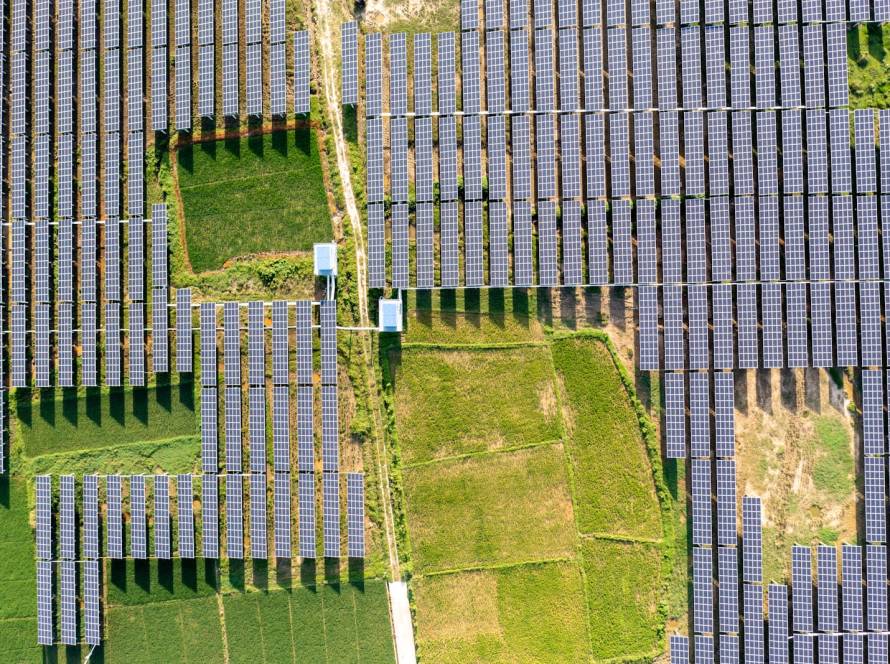
A suitable site requires more than an open roof. Engineers must consider the building’s structural condition, roof orientation, shading, electrical infrastructure and available installation space. Ground-mounted options may be appropriate where roof capacity is limited, while future construction or production expansion should also be included in the planning process. Every manufacturing facility has unique operational characteristics, making a professional site assessment an essential part of designing an effective renewable energy solution.
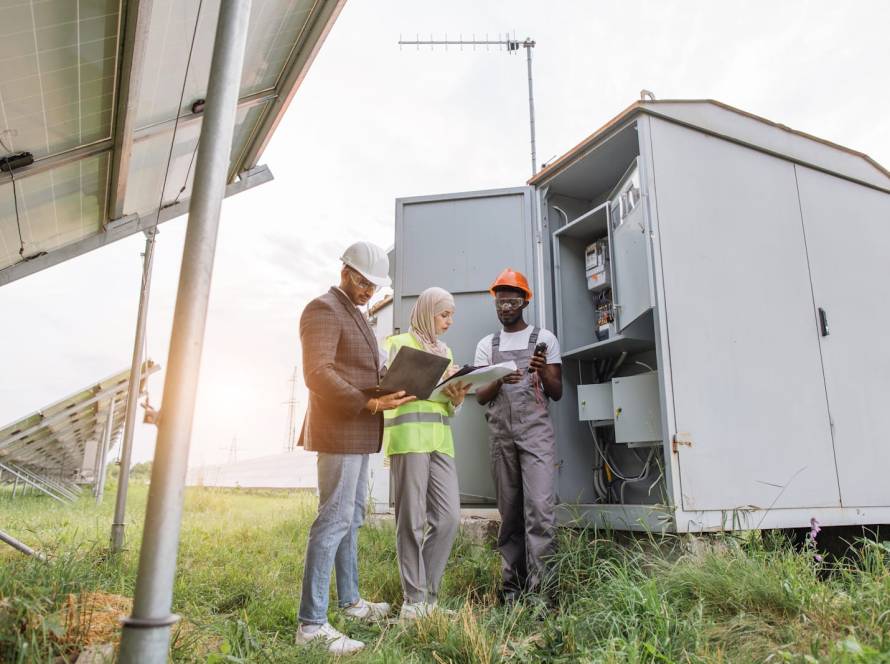
An energy assessment examines the facility’s consumption patterns, operating hours and periods of highest demand before commercial solar systems are designed. This prevents the installation from being based on assumptions or general estimates. A tailored design is more likely to achieve high self-consumption, reliable performance, improved operational efficiency and a financial return that aligns closely with the manufacturer’s objectives.
Which Commercial Solar Systems Are Best for Reducing Electricity Costs in Manufacturing Plants?
Selecting the right solar solution depends on how a manufacturing facility operates, the amount of electricity it consumes and its long-term business objectives. Every manufacturing environment has different production schedules, operational loads and resilience requirements, making it important to choose a system that aligns with both current energy demand and future expansion plans. We work closely with manufacturers to assess these requirements before recommending a solution that delivers measurable operational and financial value.
Our commercial renewable energy offering combines Solar PV, Battery Energy Storage Systems (BESS) and complete EPC project delivery to provide an integrated solution from initial design through to commissioning. We also offer flexible financing through Power Purchase Agreements (PPA) and Rent-to-Own Solar, helping businesses adopt renewable energy while maintaining predictable expenditure. Depending on operational requirements, our commercial solar systems can be configured as grid-tied installations that reduce electricity costs while maintaining seamless grid access, hybrid solutions that combine Solar PV and BESS to lower peak demand charges and provide reliable backup power, or off-grid systems that deliver independent electricity for remote or energy-intensive manufacturing facilities. Our solutions are engineered to integrate with existing infrastructure, maximise self-consumption, minimise maintenance through premium components and support future business growth with scalable energy capacity.
Eversolar Solutions for Manufacturing Facilities
- Grid-tied commercial systems: Offset electricity consumption while maintaining uninterrupted access to the grid during periods of lower solar generation.
- Hybrid commercial systems: Combine Solar PV and BESS to maximise self-consumption, reduce peak demand charges and provide reliable backup power during outages.
- Off-grid commercial systems: Deliver independent electricity for remote or energy-intensive manufacturing operations while reducing reliance on diesel generation.
- Solar PV solutions: Generate renewable electricity that directly supports manufacturing equipment and daily operations.
- Battery Energy Storage Systems (BESS): Store excess solar energy for use during outages, peak demand periods or when solar generation decreases.
- Full EPC project delivery: Provide complete project management from design and engineering through installation, commissioning and system integration.
- Flexible financing: Support implementation through Power Purchase Agreements (PPA) and Rent-to-Own Solar options.
- After-sales support: Deliver remote monitoring, preventative maintenance, technical assistance and ongoing system optimisation.
Our industrial renewable energy solutions are specifically engineered for manufacturing, processing and heavy-duty facilities that require dependable power for continuous production. Every installation is configured around operational load profiles, production schedules and future expansion plans to maximise efficiency and long-term performance. Manufacturers can benefit from grid-tied industrial systems that offset significant electricity costs, hybrid installations that combine Solar PV and BESS to support variable production demands, or off-grid and microgrid solutions that provide energy independence for remote or grid-constrained facilities while reducing reliance on diesel-powered backup generation.
As a full EPC partner, we support industrial projects through feasibility studies, funding structuring, installation, commissioning and grid synchronisation while providing long-term after-sales services that include remote performance monitoring, preventative maintenance, technical assistance and ongoing system optimisation. This partnership approach helps manufacturers maintain reliable energy performance, improve operational resilience and continue optimising their energy strategy as business requirements evolve.
Building a More Energy-Efficient Manufacturing Operation
Manufacturers that invest in commercial solar systems are not simply reducing electricity costs. They are strengthening operational resilience, improving budgeting accuracy and creating a more predictable foundation for long-term business growth. Generating electricity on-site allows businesses to reduce reliance on external power sources while supporting greater control over one of their largest operating expenses, making solar a strategic investment that continues delivering value for many years.
Whether the objective is lowering daily electricity costs, reducing peak demand charges or improving energy security, the right solution should always be tailored to the unique requirements of the facility. Our team at Eversolar is ready to assess your manufacturing plant’s energy profile, recommend a solution aligned with your operational requirements and guide you through every stage of the project. Contact us today to discover how we can help your business reduce energy costs, improve operational resilience and build a more efficient, sustainable future.
FAQs
How do commercial solar systems reduce electricity costs in manufacturing plants?
Commercial solar systems reduce electricity costs by generating renewable electricity on-site, allowing manufacturing plants to purchase less power from the grid. Factories often consume the most electricity during daylight hours when solar panels produce the highest output, making solar an effective way to offset daily energy consumption. Lower reliance on grid electricity can result in significant long-term savings while improving budget predictability. Additional savings may also be achieved by reducing peak demand charges and limiting the use of diesel-powered backup generators. A professionally designed system ensures energy production closely matches the facility's operational requirements for maximum financial benefit.
Are commercial solar systems suitable for all manufacturing facilities?
Many manufacturing facilities are suitable for commercial solar systems, but each site should be assessed individually. Factors such as roof space, structural integrity, available land, electricity consumption patterns, operating hours and future expansion plans all influence whether solar is a practical solution. Facilities with high daytime electricity demand generally achieve the greatest financial returns because they can use more of the electricity generated on-site. A professional energy assessment helps determine the most appropriate system size, configuration and potential savings while ensuring the installation integrates effectively with existing infrastructure and production requirements.
How do I choose the right commercial solar system for my manufacturing plant?
Choosing the right commercial solar systems begins with understanding your manufacturing facility's electricity usage, operating hours and long-term business objectives. A professional assessment evaluates factors such as load profiles, available installation space, roof condition, shading, future expansion plans and the potential benefits of battery storage. Based on this information, specialists can recommend a grid-tied, hybrid or off-grid solution that aligns with operational requirements and financial goals. Selecting an experienced provider also ensures the system is properly designed, professionally installed and supported with ongoing maintenance to maximise long-term performance and return on investment.