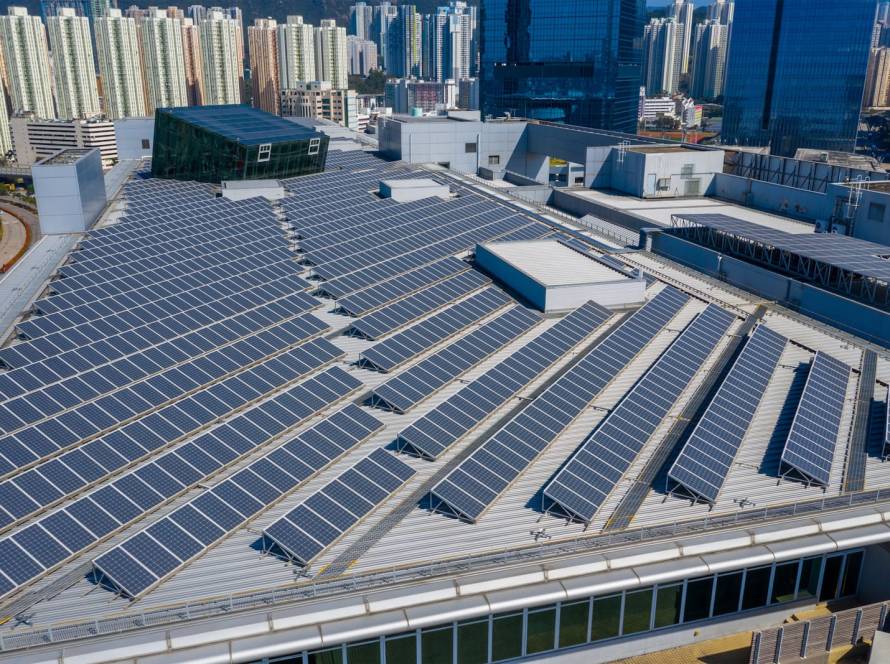
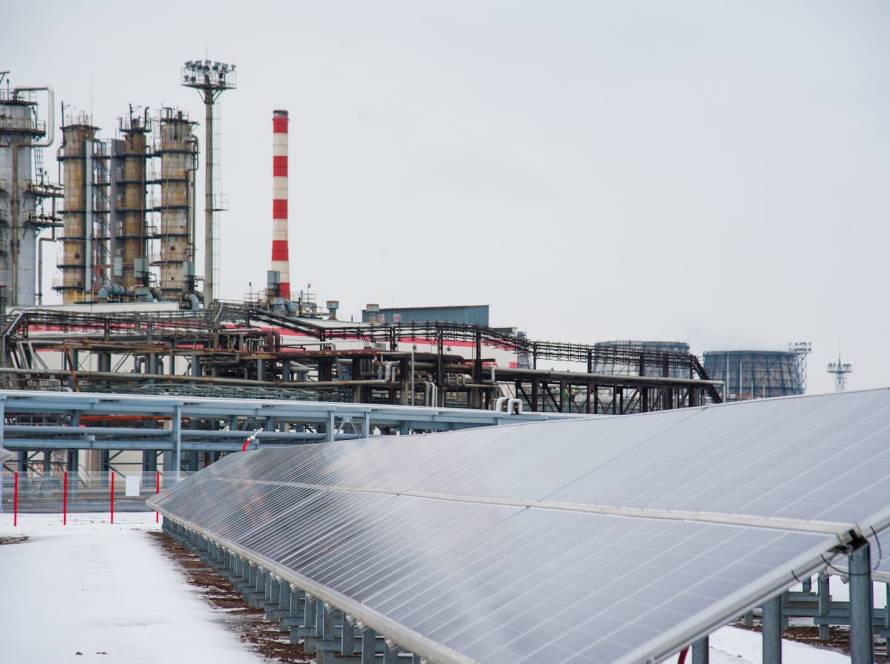
Energy has become a strategic business consideration that extends far beyond paying monthly electricity bills. Rising operating costs, increasing pressure to improve resilience, and growing sustainability expectations are encouraging organisations to evaluate commercial solar solutions as part of their long-term business strategy. Rather than being viewed solely as an operational expense, energy is increasingly recognised as an asset that influences profitability, productivity, financial planning, and future growth. For commercial organisations, investing in renewable energy infrastructure is becoming an important way to strengthen competitiveness whilst creating greater certainty in an evolving energy landscape.
As executive teams and boards place greater emphasis on managing long-term risk and improving business performance, energy decisions are becoming increasingly integrated into wider corporate planning. Businesses that approach renewable energy strategically are often better positioned to improve operational resilience, support sustainable growth, and create lasting value through more efficient energy management.
Why Commercial Solar Solutions Have Reached the Boardroom
Electricity decisions were once managed almost exclusively by facilities and maintenance teams, whose responsibility was to keep buildings operational and manage day-to-day energy consumption. Whilst that approach suited a time when electricity was simply another overhead, the business environment has changed considerably. Rising energy costs, increased operational demands, and the need for stronger resilience have transformed energy into a strategic issue that directly affects profitability, productivity, customer commitments, and long-term organisational performance. As a result, businesses are increasingly treating energy infrastructure as a core component of corporate strategy rather than a routine operational necessity.
Organisations are also recognising that energy decisions influence many other areas of the business beyond monthly utility expenses. Future expansion, capital investment planning, sustainability commitments, operational continuity, and financial forecasting are all linked to the reliability and cost of electricity. By incorporating energy strategy into wider business planning, executive teams can make informed decisions that reduce long-term risk whilst creating opportunities for sustainable growth, stronger financial performance, and improved competitiveness.
Key reasons commercial solar has become a boardroom priority include:
- Rising electricity costs affecting operating margins and profitability.
- Greater focus on protecting businesses from energy supply disruptions.
- Long-term financial planning that includes predictable energy expenditure.
- Increasing pressure to improve business resilience and continuity.
- Growing sustainability commitments across commercial sectors.
- The need to align energy infrastructure with future business expansion.
- Improved access to flexible renewable energy financing models.
- Recognition that energy investments contribute to long-term enterprise value.
Boards are becoming more directly involved because decisions surrounding energy infrastructure have implications that extend well beyond facilities management. Directors must evaluate whether existing systems can support future operational growth, whether increasing electricity costs may affect profitability, and how renewable energy investments contribute to broader business objectives. Executive oversight also brings together expertise from finance, operations, governance, sustainability, procurement, and property management, ensuring that every investment is evaluated from multiple perspectives rather than through a purely technical lens.
Looking beyond immediate energy requirements is equally important. Most businesses expect their operations to evolve through expanded facilities, additional production capacity, new technologies, or increased electricity demand. Planning for these developments during the initial investment allows organisations to avoid costly future redesigns whilst creating an energy strategy that grows alongside the business. This longer-term perspective is one of the primary reasons commercial solar has become a genuine boardroom decision rather than simply another maintenance project.
The Financial Case for Solar Investment
The financial value of solar begins with a simple principle: electricity generated on-site can reduce the amount a business must purchase from the grid. Over time, this may lower operating expenses, protect margins, and make energy costs easier to forecast. The value is particularly relevant for facilities that consume large amounts of electricity during daylight hours.
When assessing commercial solar solutions, financial teams should look beyond the initial installation cost. The project should be evaluated across its full operating life, including expected generation, electricity savings, equipment performance, maintenance requirements, financing costs, and the effect of future tariff increases. This creates a more realistic picture of long-term value.
Boards commonly use familiar investment measures such as return on investment, payback period, internal rate of return, net present value, and lifecycle savings. These measures allow a solar project to be compared with other capital investments competing for the same budget. The strongest business cases usually combine measurable cost reductions with broader operational and strategic benefits.
Predictability is another important financial advantage. Grid electricity costs can change, making future operating expenses difficult to control. A well-designed solar system creates a more stable portion of the organisation’s energy supply, helping financial teams prepare budgets with greater confidence and reducing exposure to unpredictable cost increases.
Long-Term Financial Benefits
Unlike many operational expenses that continue indefinitely, a commercial solar installation is designed to generate value over decades. Modern systems are engineered for long service lives, allowing businesses to benefit from ongoing electricity savings whilst improving the return generated from their original investment.
For many organisations, the financial benefits extend beyond reduced electricity costs. Greater cost certainty supports budgeting, stronger cash flow management, and improved long-term planning. These advantages help businesses allocate resources more effectively whilst reducing exposure to one of their largest controllable operating expenses.
Managing Business Risk Through Commercial Solar Solutions
Energy interruptions can affect almost every aspect of a business. Manufacturing equipment may stop unexpectedly, warehouse operations can slow, refrigeration systems may become unstable, digital infrastructure may be interrupted, and customer deliveries can be delayed. Even relatively short disruptions may create operational inefficiencies that affect productivity, revenue, customer satisfaction, and long-term business performance. For many organisations, managing energy risk has therefore become just as important as managing financial, operational, or supply chain risks.
Investing in commercial solar solutions enables businesses to reduce their dependence on external electricity whilst improving operational resilience. Although solar generation alone is not designed to eliminate every energy-related challenge, it forms an important part of a broader strategy that may include battery storage, backup systems, intelligent energy management, and careful prioritisation of essential electrical loads. This integrated approach gives organisations greater control over how energy is generated, stored, and consumed, helping them maintain more consistent operations during periods of uncertainty.
Commercial solar supports business resilience by helping organisations to:
- Reduce dependence on grid electricity.
- Improve operational continuity during supply interruptions.
- Protect essential equipment and business-critical processes.
- Support business continuity planning.
- Strengthen resilience during periods of grid instability.
- Improve energy security through greater self-generation.
- Reduce financial losses associated with operational downtime.
- Create greater flexibility in long-term energy planning.
Energy independence should therefore be viewed as a gradual improvement rather than an absolute objective. Many businesses continue to operate with a grid connection whilst using solar generation to reduce overall electricity demand and support essential operations during disruptions. This balanced approach delivers meaningful resilience without requiring organisations to become entirely self-sufficient, making it suitable for a wide range of commercial environments.
A stronger energy strategy also creates broader operational benefits. Businesses that can maintain more consistent production, office functions, and customer service during electricity disruptions are often better positioned to protect their reputation, fulfil contractual commitments, and support future growth. Over time, this increased operational certainty becomes another important reason why renewable energy infrastructure is increasingly regarded as a strategic business investment.
Supporting ESG Goals and Building Competitive Advantage
Environmental responsibility has become an important consideration for organisations seeking long-term growth and resilience. Customers, investors, lenders, and business partners increasingly expect companies to demonstrate responsible resource management and measurable progress towards sustainability objectives. Renewable energy allows businesses to support these expectations whilst improving operational efficiency through practical infrastructure investment rather than relying solely on policy commitments.
Integrating commercial solar solutions into a business strategy enables organisations to reduce reliance on conventionally supplied electricity whilst strengthening their environmental performance. Renewable energy generation provides measurable operational data that supports sustainability reporting and demonstrates ongoing progress towards environmental objectives. As businesses continue strengthening their governance and corporate responsibility initiatives, solar offers a practical way to align environmental commitments with commercial outcomes.
Renewable energy can strengthen both sustainability performance and competitiveness by helping businesses to:
- Reduce greenhouse gas emissions associated with purchased electricity.
- Strengthen internal sustainability initiatives.
- Support environmental reporting requirements.
- Demonstrate responsible resource management.
- Improve relationships with customers and stakeholders.
- Enhance long-term corporate reputation.
- Increase operational efficiency.
- Build stronger long-term business resilience.
Beyond sustainability, renewable energy also creates measurable commercial advantages. Lower operating costs can improve profitability, strengthen cash flow, and provide greater flexibility when responding to changing market conditions. Organisations that experience fewer disruptions caused by electricity supply challenges are also better positioned to maintain production schedules, deliver reliable customer service, and support long-term business continuity. These combined financial and operational benefits contribute directly to stronger competitiveness.
Businesses that invest proactively in renewable energy often create advantages that extend well beyond electricity savings. Improved operational certainty allows management teams to focus on innovation, expansion, customer service, and strategic growth rather than continually responding to energy-related challenges. As expectations surrounding environmental performance continue to evolve, organisations that strengthen both sustainability and operational resilience are likely to remain well positioned for future opportunities.
Why Technology Has Strengthened Commercial Solar Solutions
Solar technology has advanced significantly over recent years, making commercial installations more efficient, reliable, and financially attractive than ever before. Improvements in solar panel efficiency, inverter technology, battery storage, and intelligent energy management allow businesses to generate more electricity from available space whilst improving system reliability and long-term performance. These technological developments have transformed commercial solar from a supplementary energy source into a highly capable component of modern business infrastructure.
The continued evolution of commercial solar solutions has also given businesses far greater control over how electricity is generated, stored, monitored, and consumed. Modern systems provide detailed performance information that enables organisations to understand consumption patterns, optimise electricity usage, identify maintenance requirements early, and maximise long-term financial returns. Combined with advances in engineering and manufacturing, today’s systems offer greater durability, longer operational lifespans, and improved reliability compared with earlier generations of solar technology.
Modern commercial solar technology offers businesses several important advantages:
- Higher-efficiency solar panels that maximise available installation space.
- Improved inverter technology for more reliable energy conversion.
- Battery energy storage systems that increase energy flexibility.
- Intelligent monitoring systems for real-time performance tracking.
- Remote diagnostics that simplify maintenance planning.
- Smarter energy management that improves electricity usage.
- Longer equipment lifespans supported by robust warranties.
- Greater overall system reliability and operational performance.
Technology now allows businesses to move beyond simply generating renewable electricity. Intelligent monitoring and energy management systems help organisations optimise when electricity is consumed, stored, or supplied to different operational areas, creating greater efficiency across the entire facility. This level of visibility also supports better maintenance planning by allowing potential issues to be identified before they affect operational performance.
These ongoing technological improvements mean organisations are investing in far more than solar panels alone. They are implementing intelligent energy infrastructure that supports long-term operational resilience, financial performance, and future business growth. As technology continues to develop, commercial solar systems are expected to become even more flexible, efficient, and valuable as part of broader corporate energy strategies.
The Importance of Scalable Energy Infrastructure
Successful businesses rarely remain static. Facilities expand, production increases, new technologies are introduced, and operational requirements continue to evolve. Energy infrastructure should therefore be designed with future growth in mind rather than simply meeting current electricity demand. Planning only for today’s requirements can result in systems that become restrictive as the business develops.
Scalable commercial solar solutions allow organisations to increase generation capacity as their operations grow. Whether expansion involves additional warehouse space, manufacturing equipment, office developments, battery storage, or electric vehicle charging infrastructure, a well-designed system can accommodate changing requirements without requiring major redesigns. This protects the original investment whilst giving businesses greater flexibility to respond to future opportunities.
Planning for scalability also supports stronger financial management. Instead of making repeated large capital investments, organisations can expand their renewable energy infrastructure in stages as operational requirements increase. A modular approach enables businesses to align future investment with growth whilst ensuring energy capacity develops alongside production and operational demands.
Preparing for Future Business Growth
Forward planning extends beyond electricity consumption alone. Businesses should consider future facility expansions, automation projects, electrified transport, changing operating hours, and additional production capacity when evaluating long-term energy requirements. Each of these developments may significantly influence electricity demand over time.
By designing systems that can evolve alongside the organisation, businesses create energy infrastructure that continues delivering value for decades. This longer-term perspective reduces the likelihood of expensive upgrades whilst ensuring that future operational growth is supported by reliable, scalable renewable energy.
How Boards Evaluate Commercial Solar Solutions and Select a Partner
Major infrastructure investments require careful evaluation because they influence financial performance, operational resilience, and long-term business strategy. Commercial solar is no exception. Before approving a project, executive teams and boards examine how the proposed system supports organisational objectives, delivers measurable financial returns, manages operational risk, and contributes to future growth. This disciplined approach ensures renewable energy is evaluated as a strategic investment rather than simply another facilities upgrade.
Selecting the right implementation partner is equally important because system performance depends on far more than the quality of the equipment installed. An experienced provider should understand the organisation’s operational priorities, analyse electricity consumption patterns, assess site conditions, and recommend a solution that aligns with both current requirements and future expansion plans. This level of planning helps ensure the investment delivers consistent long-term value rather than short-term savings alone.
When evaluating commercial solar investments, boards typically consider:
- Expected return on investment and payback period.
- Long-term electricity cost savings.
- Engineering quality and system design.
- Equipment reliability and warranty protection.
- Maintenance requirements and lifecycle costs.
- Regulatory compliance and safety standards.
- Supplier experience and commercial project capability.
- Alignment with future business growth and sustainability objectives.
A thorough evaluation also considers the long-term relationship with the chosen provider. Commercial solar systems are designed to operate for many years, making ongoing monitoring, preventative maintenance, technical support, and performance optimisation essential components of the overall investment. Organisations should therefore assess after-sales capabilities alongside engineering expertise when comparing potential partners.
Choosing an experienced provider helps reduce project risk whilst maximising long-term performance. Businesses should look for a partner that takes the time to understand their operational and financial objectives before designing a solution tailored to their specific requirements. By combining technical expertise, precision engineering, comprehensive project management, and ongoing support, the right provider can help organisations develop renewable energy infrastructure that continues delivering measurable operational and financial value well into the future.
What Does Eversolar Provide as Part of Its Commercial Solar Solutions?
Every commercial business has different operational requirements, energy consumption patterns, and long-term growth objectives. For this reason, our approach begins with understanding how each organisation operates before recommending an appropriate renewable energy solution. Rather than offering standardised systems, we develop tailored energy strategies that combine engineering expertise, high-quality equipment, and careful planning to support long-term operational and financial performance.
Our commercial solar solutions include Solar PV systems, Battery Energy Storage Systems (BESS), and complete Engineering, Procurement, and Construction (EPC) project delivery. We manage every stage of the project from system design and engineering through to installation and commissioning, ensuring each solution integrates seamlessly with existing infrastructure. To provide greater flexibility, we offer grid-tied, hybrid, and off-grid systems, together with flexible financing options through Power Purchase Agreements (PPA) and Rent-to-Own Solar, allowing organisations to modernise their energy infrastructure whilst maintaining predictable energy costs.
As part of our commercial offering, we provide:
- Solar PV systems designed for commercial energy generation.
- Battery Energy Storage Systems (BESS) to improve energy flexibility.
- Complete EPC project delivery from design to commissioning.
- Grid-tied solar systems for reducing electricity costs.
- Hybrid systems combining Solar PV with battery storage.
- Off-grid systems for remote and energy-intensive operations.
- Flexible financing through Power Purchase Agreements (PPA) and Rent-to-Own Solar.
- Remote performance monitoring and preventative maintenance.
- Ongoing technical support and system optimisation.
- Scalable solutions that grow alongside business operations.
Our solutions are designed to help businesses reduce reliance on the electricity grid, improve operational resilience, lower energy costs through greater self-generation, and strengthen sustainability performance. Where appropriate, we integrate BESS technology to maximise self-consumption, optimise electricity usage, reduce peak demand charges, and provide dependable backup power during outages. Every project is delivered using precision engineering, premium-quality components, and comprehensive project management to ensure safety, reliability, and long-term system performance.
Our commitment extends well beyond installation. We continue supporting our clients through remote monitoring, preventative maintenance, rapid technical assistance, and ongoing system optimisation to maximise long-term value. Whether working with offices, factories, warehouses, retail facilities, or expanding commercial operations, we focus on building lasting partnerships that help organisations strengthen their energy resilience whilst supporting sustainable business growth.
Building Long-Term Value Through Better Energy Decisions
Investing in commercial solar solutions is no longer simply about reducing electricity costs. It is about creating a stronger, more resilient business that is better prepared for future growth, changing energy demands, and evolving sustainability expectations. By combining lower operating costs with improved energy independence, operational continuity, and scalable infrastructure, commercial solar has become a strategic investment that supports both financial performance and long-term organisational success.
At Eversolar, we work alongside businesses to develop tailored renewable energy strategies that deliver measurable operational and financial value for years to come. Whether your objective is improving resilience, reducing energy costs, or preparing for future expansion, our team is ready to help you build an energy solution that supports your long-term business goals. Contact us today to discuss how we can help your organisation make the most of commercial solar.