Electricity has become one of the most significant operational costs for many South African businesses, particularly those undertaking commercial solar for large-scale projects where reliable, cost-effective energy is essential for maintaining productivity and profitability. An unreliable or increasingly expensive electricity supply can affect production capacity, service delivery, pricing and long-term business growth. As organisations continue investing in larger facilities and energy-intensive operations, strengthening energy resilience has become an important part of strategic planning.
Commercial solar gives businesses greater control over this essential resource. A professionally designed system can reduce grid consumption during operating hours, improve cost predictability and support critical operations during power interruptions when appropriate backup solutions are incorporated. Matching a solar installation to an organisation’s energy profile helps maximise long-term financial returns while creating a more resilient and sustainable operation.
What Is Commercial Solar for Large-Scale Projects?
A large-scale commercial solar installation is a renewable energy system specifically designed to meet the electricity demands of businesses with substantial energy requirements. These projects are commonly implemented across manufacturing facilities, warehouses, office parks, retail centres, agricultural operations and commercial developments where electricity consumption is significantly higher than that of residential properties. Rather than installing a standard system, every commercial project is engineered around the organisation’s operational needs, existing infrastructure and long-term growth objectives.
Unlike residential solar systems, commercial installations must account for far greater electrical loads, complex demand profiles, future expansion, structural engineering requirements and regulatory compliance. The goal is not simply to generate electricity, but to develop an integrated energy solution that improves operational efficiency, reduces dependence on the electricity grid and delivers long-term financial value. This is why professional planning and engineering are fundamental to every successful commercial installation.
Large-scale commercial solar projects are typically characterised by:
- Significantly higher electricity generation capacity than residential systems.
- Solar PV systems engineered around actual business electricity consumption.
- Installation on large rooftops, industrial facilities or dedicated ground-mounted sites.
- Integration with existing commercial electrical infrastructure.
- Detailed engineering, structural assessments and energy modelling.
- System designs that allow for future business expansion.
- Compliance with applicable electrical and grid connection requirements.
- Long-term operational planning focused on reliability, efficiency and return on investment.
Solar photovoltaic panels generate direct current electricity using sunlight, which is converted into usable alternating current electricity through inverters before being distributed throughout the business. Depending on the site’s requirements, the electricity generated may power machinery, production equipment, lighting, offices, refrigeration systems or other operational assets during normal business hours.
As renewable energy technology has matured, commercial solar has become an increasingly practical investment for businesses seeking greater energy independence and predictable operating costs. Well-designed systems are intended to deliver reliable performance over decades, making them valuable long-term infrastructure assets rather than short-term energy solutions.
Why South African Businesses Are Investing in Solar
Businesses are increasingly viewing solar as a strategic operational investment rather than simply an environmental initiative. Rising electricity costs can place ongoing pressure on operating budgets, while power interruptions often lead to reduced productivity, delayed projects, equipment downtime and additional operating expenses. Generating electricity on-site helps organisations reduce these risks while creating greater certainty around future energy expenditure.
For organisations with consistent daytime demand, commercial solar for large-scale projects can offset a substantial portion of electricity purchased from the grid during normal operating hours. It also supports long-term sustainability objectives, improves business resilience and helps organisations plan future growth with greater confidence. These combined advantages make commercial solar relevant to finance teams, operations managers and executive decision-makers who are focused on improving both profitability and long-term business continuity.
How Commercial Solar for Large-Scale Projects Works
Commercial solar systems consist of several carefully engineered components that work together to convert sunlight into usable electricity. Every component plays an important role in ensuring the system operates safely, efficiently and reliably throughout its lifespan. Rather than functioning independently, these technologies are integrated into a complete energy solution that continuously supplies electricity to support business operations.
Although the technology behind solar energy is highly sophisticated, the overall process is straightforward. Electricity is generated whenever sunlight reaches the solar panels, converted into usable power and supplied directly to the business wherever possible. If additional electricity is required, power is drawn from the grid, while systems incorporating battery storage can also retain surplus energy for later use.
A commercial solar installation typically includes:
- Solar PV panels that capture sunlight and generate direct current electricity.
- Inverters that convert direct current into alternating current for commercial use.
- Mounting structures designed to securely support rooftop or ground-mounted installations.
- Electrical protection equipment that safeguards the installation and connected infrastructure.
- Distribution equipment that safely delivers electricity throughout the facility.
- Monitoring systems that provide real-time visibility into electricity generation, consumption and system performance.
- Battery storage systems, where applicable, to store excess solar energy for later use.
Once electricity has been generated, the system automatically prioritises supplying power to the business before drawing any additional electricity from the grid. This enables businesses to maximise self-consumption of renewable energy during daylight hours while reducing purchased electricity wherever practical. The transition between solar generation and grid electricity occurs automatically without disrupting normal business operations.
Continuous monitoring also enables facility managers to identify changes in system performance quickly, allowing maintenance teams to resolve potential issues before they affect productivity. This combination of intelligent automation and real-time monitoring helps ensure commercial solar systems continue delivering reliable energy production and consistent financial value throughout their operating life.
Understanding Energy Consumption Before Going Solar
Every successful commercial solar project begins with a thorough understanding of how a business consumes electricity. Engineers analyse historical electricity usage, peak demand periods, operating hours, seasonal changes and the performance of major electrical equipment to develop a detailed energy profile. This assessment provides valuable insight into where electricity is being used most heavily and identifies opportunities to maximise the value of solar generation.
This information becomes particularly important when planning commercial solar for large-scale projects, as even small sizing inaccuracies can influence long-term financial returns. A well-developed load profile enables engineers to recommend the most suitable system capacity, determine whether battery storage is justified and ensure the installation supports both current operational requirements and future business growth.
Choosing the Right Commercial Solar System Size
Selecting the correct system size involves balancing energy demand, available installation space, future expansion plans and financial objectives. Engineers evaluate annual electricity consumption alongside roof or ground availability, structural considerations, electrical infrastructure and connection capacity to develop a solution that delivers the greatest long-term value. Every commercial property presents different challenges, making customised design essential.
When designing commercial solar for large-scale projects, future business development should also be considered. Additional production lines, warehouse expansions, new equipment or longer operating hours may increase future electricity demand. Installing a system that is too small can limit savings, while an oversized installation may increase capital costs without delivering proportional financial benefits. The objective is always to achieve the strongest balance between operational performance and return on investment.
Rooftop Versus Ground-Mounted Installations
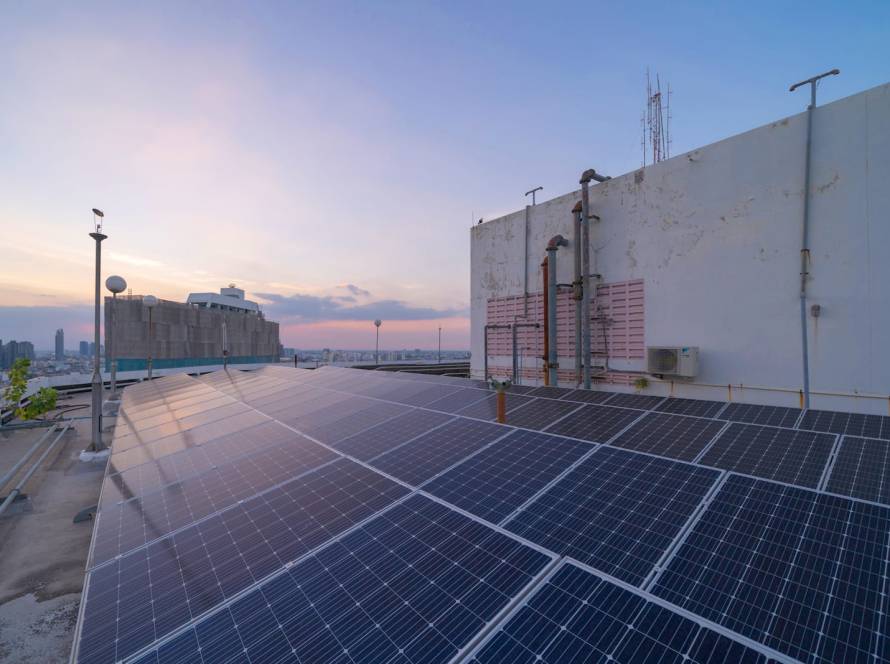
Rooftop solar installations make efficient use of existing building space and are often well suited to warehouses, factories, office buildings and retail facilities with sufficient structural capacity. Because the panels are positioned close to where electricity is consumed, rooftop systems often minimise additional land requirements while integrating neatly into existing commercial properties. Before installation, factors such as roof condition, shading, accessibility and structural loading must be carefully assessed.
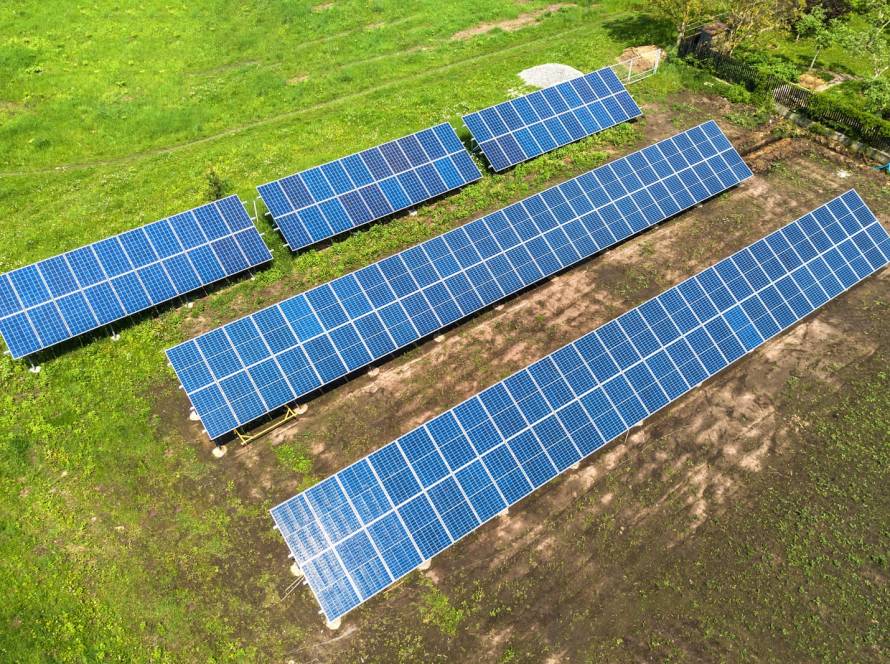
Ground-mounted commercial solar for large-scale projects offer greater flexibility in panel orientation, spacing and future expansion. They are particularly suitable for industrial facilities, agricultural businesses and commercial developments with available land. Although these systems may require additional civil works, security measures and site preparation, they can simplify maintenance access and provide excellent long-term scalability where sufficient space exists.
Battery Storage, Grid-Tied, Hybrid and Off-Grid Options
Every business has different operational priorities, which is why there is no single commercial solar configuration that suits every organisation. Some businesses operate primarily during daylight hours and are focused on reducing electricity costs, while others require uninterrupted power for critical equipment or operate in remote locations where access to the electricity grid is limited. Understanding the differences between available system configurations allows businesses to invest in a solution that supports both their operational requirements and long-term financial objectives.
Battery storage should also be evaluated as part of the overall energy strategy rather than as a standard addition to every installation. While batteries can significantly improve resilience during power interruptions and increase self-consumption of solar energy, they also represent an additional investment. Careful analysis of energy usage, operating hours and business continuity requirements helps determine whether battery storage will provide sufficient value for the organisation.
Commercial solar systems are generally available in the following configurations:
- Grid-Tied Systems
Designed to reduce electricity costs by supplying solar-generated power while maintaining continuous access to the electricity grid whenever additional energy is required. - Hybrid Systems
Combine Solar PV with battery storage to optimise energy usage, store excess electricity for later use and provide backup power during grid interruptions. - Off-Grid Systems
Operate independently of the public electricity network and are typically suited to remote facilities or sites where grid access is unavailable or impractical. - Battery Energy Storage Systems (BESS)
Store excess solar energy for later use, helping businesses improve energy resilience, increase self-consumption and support critical operations during outages.
Selecting the right configuration depends on several technical and operational considerations, including electricity consumption patterns, peak demand periods, operating schedules, critical business processes and available budget. Businesses with consistent daytime electricity demand may achieve excellent returns using grid-tied systems, while organisations requiring continuous operations often benefit from incorporating battery storage into their overall energy strategy.
When assessing commercial solar for large-scale projects, the objective is to select a configuration that delivers the strongest balance between financial performance, operational reliability and future flexibility. A professionally designed solution ensures the technology aligns with the business’s long-term energy strategy while providing dependable performance for many years.
The Commercial Solar Installation Process
Every commercial installation follows a structured project delivery process that begins with a detailed site assessment and energy audit. Engineers inspect the property, electrical infrastructure and installation area before developing a customised system design that aligns with the business’s energy requirements and operational objectives. Once approved, the project moves into procurement, where equipment is selected according to the final engineering specifications.
Installation is completed by qualified professionals who integrate the solar system with the existing electrical infrastructure while maintaining strict quality and safety standards. Before the system becomes fully operational, comprehensive testing and commissioning confirm that every component performs as intended. Successfully delivering commercial solar for large-scale projects also includes client handover, operational guidance and ongoing technical support to maximise long-term system performance.
Commercial Solar for Large-Scale Projects: Compliance, Project Costs, ROI and Financing
Commercial solar installations must comply with applicable electrical regulations, grid connection requirements and embedded generation processes before they are placed into operation. The specific approval pathway depends on factors such as system capacity, location and electricity supplier, making early planning an important part of any project. Businesses should work with experienced professionals who understand the technical and compliance requirements, ensuring the installation is designed, installed and commissioned in accordance with the relevant standards while all necessary documentation is completed correctly.
The overall cost of a commercial solar installation varies because every project is unique. Factors such as system size, equipment quality, roof or ground conditions, engineering complexity, battery storage, electrical upgrades and installation requirements all influence the final investment. Businesses typically evaluate return on investment by comparing these costs against long-term electricity savings, reduced operating expenses and improved energy resilience. Financing options may include outright purchase, asset finance, leasing arrangements or Power Purchase Agreements, allowing organisations to select a solution that aligns with their financial strategy and cash flow objectives. Businesses investing in commercial solar for large-scale projects should also obtain professional tax advice to determine whether any current tax incentives or allowances apply to their specific circumstances.
Maintenance and Performance Monitoring
Modern commercial solar systems require relatively little maintenance, but regular servicing plays an important role in protecting long-term performance. Routine inspections help verify that panels, inverters, mounting structures, cabling and electrical protection equipment continue operating safely and efficiently. Cleaning may also be required where dust, debris or environmental conditions reduce energy production, while preventative maintenance allows potential issues to be identified before they affect business operations.
Performance monitoring provides businesses with continuous visibility into how their solar installation is operating. Online monitoring platforms display electricity generation, energy consumption and overall system health in real time, allowing facility managers to quickly identify unexpected changes in performance. Regular monitoring not only helps maximise financial returns but also ensures commercial solar for large-scale projects continue delivering reliable energy production throughout their operational lifespan.
Case Study: Planning Energy Supply for Major Projects
A company is preparing to undertake several large developments that will require substantial electricity during both construction and ongoing operations. Management expects these projects to create significant new business opportunities, but it also recognises that rising electricity costs and supply interruptions could reduce profitability over time. Rather than accepting these risks, the company begins investigating renewable energy solutions that can provide greater cost certainty while supporting reliable day-to-day operations.
The leadership team decides that partnering with an experienced commercial solar provider is the most practical approach. Before making a decision, they review their electricity usage, operating schedules, future expansion plans and critical energy requirements. They also research how large-scale solar projects are designed, the importance of detailed energy assessments, the differences between rooftop and ground-mounted systems, available financing options, battery storage requirements and the approvals needed before installation. Their objective is to fully understand whether commercial solar for large-scale projects is the right long-term investment for the business.
After completing their research, the company concludes that a successful project depends on far more than simply installing solar panels. Accurate system sizing, professional engineering, regulatory compliance and long-term support all play an essential role in achieving strong financial returns. With this understanding, the business selects a customised solution designed around its current operations while allowing for future growth, giving management greater confidence in both energy security and long-term operating costs.
Where to Find Commercial Solar Installers Experienced with Large-Scale Projects in South Africa
Selecting an installer with proven commercial expertise is one of the most important decisions a business can make when investing in large-scale renewable energy infrastructure. Commercial projects require much more than quality equipment. They demand detailed engineering, careful planning, reliable project delivery and long-term technical support to ensure the installation continues performing efficiently throughout its lifespan. Working with a provider that understands the operational demands of commercial environments helps minimise risk while ensuring the solution aligns with business objectives.
At Eversolar, we provide integrated commercial solar solutions tailored to each organisation’s operational and financial requirements. We specialise in Solar PV, Battery Energy Storage Systems (BESS) and full Engineering, Procurement and Construction (EPC) project delivery, allowing us to manage every stage of the project from initial planning through to commissioning. Our approach focuses on combining precision engineering, premium components and end-to-end project management to deliver dependable long-term system performance.
Our commercial solutions include:
- Solar PV systems designed to reduce electricity costs and improve long-term energy independence.
- Battery Energy Storage Systems (BESS) that optimise energy storage, improve resilience and maximise self-consumption.
- Full EPC project delivery, providing complete engineering, procurement and construction management from concept to commissioning.
- Grid-tied commercial systems that reduce electricity costs while maintaining seamless access to the electricity grid.
- Hybrid commercial systems combining Solar PV and BESS to reduce grid reliance and provide dependable backup power.
- Off-grid commercial systems delivering independent power for remote or energy-intensive facilities.
- Power Purchase Agreements (PPA) that provide flexible financing while maintaining predictable energy costs.
- Rent-to-Own Solar solutions that enable businesses to adopt commercial solar with flexible ownership pathways.
- Remote performance monitoring for continuous visibility into system performance.
- Preventative maintenance to support long-term operational reliability.
- Rapid technical assistance when support is required.
- Ongoing system optimisation to maximise long-term energy performance.
Whether a business operates offices, factories, warehouses or retail facilities, our commercial solutions are designed to integrate with existing infrastructure while supporting business growth. We help organisations improve energy independence, reduce operating expenses, strengthen sustainability performance and maintain operational continuity through professionally engineered renewable energy systems.
For businesses considering commercial solar for large-scale projects, we provide scalable solutions that can be tailored to different operational requirements and financial strategies. From initial design and financing through to installation, monitoring and long-term support, we work closely with our clients to deliver renewable energy infrastructure that provides measurable operational and financial value.
Building a Stronger Business Energy Strategy
Investing in commercial solar for large-scale projects is about more than reducing electricity costs. It is a long-term business decision that can strengthen operational resilience, improve energy independence, support sustainability objectives and provide greater certainty over future operating expenses. When a system is professionally designed around an organisation’s energy requirements, it becomes an asset that continues delivering value for decades while supporting future business growth.
Whether you are planning a new commercial development, expanding an existing facility or looking to improve your organisation’s energy strategy, we are here to help. At Eversolar, we design and deliver tailored commercial solar solutions that align with your operational and financial objectives. Contact us today to discuss your project and discover how we can help you build a reliable, efficient and future-ready energy solution