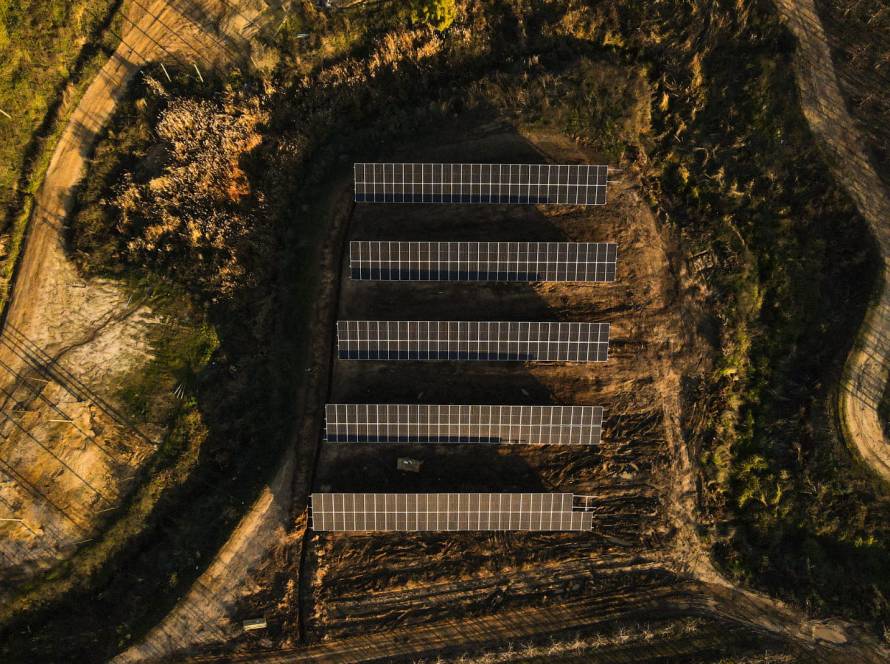
South African organisations need dependable power to keep essential operations moving. Understanding how BESS supports energy resilience helps decision-makers turn electricity from a daily uncertainty into something they can manage more deliberately. A battery energy storage system stores available electricity and releases it at the right time, helping sites respond to changing demand, grid interruptions and variable solar generation.
For commercial, industrial, agricultural, property and remote operations, storage can improve continuity while supporting a more efficient energy strategy. The strongest results come from matching the system to the site’s load profile, operational priorities and solar output.
How BESS Supports Energy Resilience Through Stored Energy
A battery energy storage system combines rechargeable batteries, power-conversion equipment and controls. It captures electricity from the grid or an on-site solar PV system, then supplies that energy when the site needs it most. This fast response gives organisations a practical way to keep priority loads running when supply conditions change.
How BESS supports energy resilience becomes clear during an outage or planned interruption. Rather than allowing an abrupt loss of power to disrupt critical processes, a well-designed system can take over selected loads smoothly. It can support lighting, controls, refrigeration, communications, security systems, pumps, production equipment or other business-critical functions, subject to the site design and available stored energy.
A Flexible Layer Within the Energy System
BESS does not replace sound energy planning. It adds flexibility between energy supply and energy use. That flexibility allows a business to decide when to draw from the grid, when to use solar energy and when to discharge stored power, instead of relying on one source at every moment.
For sites with high or uneven demand, this control can reduce avoidable strain on electrical infrastructure. It also gives operations teams a clearer path for managing priority loads, maintaining uptime and preparing for changes in the site’s energy needs.
How BESS Supports Energy Resilience and Lower Energy Use
Energy resilience and energy efficiency work best together. How BESS supports energy resilience also involves using electricity more intelligently. A system can charge during lower-demand periods or when solar generation exceeds immediate site consumption, then discharge during periods of higher demand. This approach is commonly known as energy arbitrage and load shifting.
Peak shaving offers another useful benefit. When a site approaches a high-demand period, the battery can supplement supply so the grid connection does not carry the full load. This helps organisations manage demand more consistently and gives them more control over how they use energy across the day.
- Energy arbitrage: Store available electricity for use when site demand makes stored energy more valuable.
- Peak shaving: Use battery power to reduce pressure on the grid connection during high-demand periods.
- Solar self-consumption: Retain surplus on-site solar generation for later operational use.
These capabilities give energy managers more than a response to interruptions. They create an active operating strategy that aligns electricity use with real site conditions. When a battery charges and discharges according to a clear plan, organisations can reduce avoidable grid use while preserving stored energy for the moments that matter most.
The operational benefit depends on sensible controls and well-defined priorities. Teams should decide how much capacity to reserve for essential loads, when the system should support demand, and when it should retain energy. This approach helps BESS support both day-to-day efficiency and continuity during an interruption.
Turning Operational Data into Action
An effective storage strategy starts with a close look at interval data, daily operating hours and the equipment that drives demand peaks. Teams should identify which loads must remain live, which processes can move to another time and when solar generation is most available. These details shape the battery capacity, power rating and control strategy.
This analysis also prevents an organisation from treating BESS as a one-size-fits-all solution. A system should reflect real site behaviour. When controls respond to the load profile, businesses can improve solar self-consumption, reduce unnecessary grid use and protect continuity without wasting stored energy.
How BESS Supports Energy Resilience with Solar PV
Solar PV produces its strongest output when sunlight is available, but business demand does not always follow the same pattern. How BESS supports energy resilience with solar PV lies in its ability to capture surplus generation for later use. Instead of leaving valuable solar energy underused, the site can store it for a period when demand rises or solar output falls.
This creates a more stable and useful energy supply for operations that need consistent power. Storage can help a site use more of the electricity it generates on-site, reduce dependence on the grid at key times and maintain a stronger supply position when weather conditions change.
Better Control of Solar Generation
Intelligent controls monitor generation, demand and battery state to determine when charging or discharging delivers the best operational outcome. They can prioritise solar energy, retain a reserve for critical loads and manage discharge to avoid an unexpected depletion of the battery.
Solar and storage should therefore be planned as one operating system, not as separate additions. Appropriate protection, monitoring and maintenance help the site maintain power quality, support reliable performance and extend the useful service life of the equipment.
- Prioritised solar charging: Direct available solar generation to the battery when it exceeds immediate operational demand.
- Managed discharge: Release stored energy when solar output falls or site demand increases.
- Protected battery reserve: Keep sufficient stored energy available for priority loads and planned continuity needs.
This level of control helps a business capture more practical value from its solar PV system. Instead of treating generation and consumption as separate events, the site can use storage to connect them. That makes the energy supply more consistent for equipment and processes that need stable, dependable power.
Ongoing monitoring is equally important. By reviewing solar production, battery status and consumption patterns, teams can refine system settings as conditions change. This supports stronger solar utilisation, reduces unnecessary reliance on the grid and helps the energy system continue to serve the site’s operational priorities.
Building Resilience for Different Operational Environments
The practical value of BESS changes from site to site. Agricultural operations can support irrigation, cooling and processing equipment through supply disruptions. Industrial and commercial facilities can protect sensitive equipment, maintain production workflows and keep essential building services available. Mining and other remote sites can use storage within a broader energy system to improve supply stability and reduce dependence on conventional backup arrangements.
For property portfolios and multi-tenant facilities, storage can help manage common-area loads and improve continuity for occupants. In every setting, how BESS supports energy resilience depends on a clear view of the site’s priority loads and its acceptable level of downtime. The aim is not simply to add a battery, but to make operational energy use more predictable.
- Agricultural sites: Support irrigation, cooling and processing loads when supply conditions change.
- Industrial and commercial facilities: Protect important equipment and maintain essential workflows.
- Remote operations and properties: Improve supply stability for critical services, common areas and operational infrastructure.
Each operating environment needs a design that reflects what the business cannot afford to lose. For some sites, that may mean keeping selected systems running through an interruption. For others, it may mean reducing demand peaks or improving the use of on-site solar energy. Clear priorities keep the system focused on useful outcomes.
Site-specific planning also makes energy saving more achievable. When the storage strategy reflects operating hours, load patterns and critical circuits, the battery can support the most relevant functions without carrying avoidable demand. This creates a more resilient energy position while helping teams use available electricity with greater purpose.
Key Considerations Before Implementation
Start with a technical assessment of current consumption, solar production, load criticality and connection capacity. Then define the desired outcomes, such as backup duration, peak-demand management, higher solar self-consumption, power-quality support or a combination of these. Clear objectives give the project team a sound basis for system sizing and operating rules.
Scalability matters too. Energy needs can change as production expands, tenants increase or equipment changes. A modular approach, paired with remote monitoring and proactive maintenance, helps a business retain visibility of performance and plan capacity changes with confidence.
- Load and solar assessment: Review consumption, priority circuits, solar production and connection capacity.
- Defined operational objectives: Set clear goals for backup, peak management, solar self-consumption and power quality.
- Scalable system planning: Allow for future changes in demand, equipment and site activity.
Careful preparation helps a business choose a solution that matches its actual requirements. The assessment should account for both normal operations and periods of supply disruption, so the battery capacity and controls can support the right loads. This avoids treating resilience as a general aim without a workable operational plan.
Implementation should also include a plan for performance review. Remote visibility and proactive maintenance enable teams to identify changes in demand or system behaviour early. With this information, they can keep the BESS aligned with business needs and protect the long-term value of the energy system.
Case Study: A Solar Provider Builds BESS Knowledge
A solar provider wants to strengthen its understanding of battery energy storage systems because clients increasingly need both energy savings and reliable power. The provider already sees that solar PV alone cannot always align generation with operational demand. It wants to understand how BESS supports energy resilience so it can have more informed conversations about storage as part of a complete energy solution for business sites.
The team begins a focused online review of BESS applications, looking at solar self-consumption, peak shaving, energy arbitrage, backup planning, power quality and remote monitoring. It compares these benefits against common client needs, such as protecting critical operations, making better use of excess solar generation and reducing exposure to supply interruptions. The team also maps which site data it would need to collect before recommending a storage strategy.
Its research shows that BESS can connect energy saving and resilience when the design reflects the site’s actual loads and operating priorities. The provider decides to build battery assessment into its early project discussions, review customer load profiles and define critical circuits before proposing a system. These final steps help it position solar PV and storage as a coordinated approach that supports better energy control, not simply backup power.
A Practical Route to Stronger Energy Resilience
Organisations should begin by identifying their most important loads and the operational consequences of lost supply. From there, they can review energy-use patterns, solar output and peak-demand periods to decide where storage will add the most value. This is where how BESS supports energy resilience moves from a broad idea to a practical site plan.
The most useful implementation plans include ongoing performance review. Monitoring helps teams see whether the battery meets its intended goals, while scheduled maintenance supports reliable operation. Regular reviews also allow energy managers to adapt settings as demand patterns, operating hours or solar output change.
How Can Eversolar’s BESS Services Help Improve Energy Resilience?
At Eversolar, we combine system design, implementation and ongoing support to tailor BESS solutions to each site’s operational needs. We design scalable systems for commercial, industrial, agricultural and mining applications, from smaller commercial requirements to larger industrial installations. By integrating solar PV and BESS, we help businesses store excess generation, manage peak demand and use energy at the most appropriate time. Our intelligent energy management approach also supports energy arbitrage, solar self-consumption, backup planning, voltage and frequency stability, and the protection of sensitive equipment, all of which strengthen energy resilience while reducing unnecessary grid use.
We provide end-to-end EPC delivery, using quality components and expert installation to support high-performing energy systems. We also offer remote monitoring and maintenance, which enables proactive care, ongoing optimisation and better visibility of system performance. For businesses considering investment routes, we provide options that include no-upfront-cost arrangements with operations and maintenance, fixed monthly payments with ownership transferred at the end of the term, and full asset ownership. Together, these services help companies manage grid instability, rising energy costs, power-quality issues and underused solar energy, while maintaining continuity and supporting long-term energy savings.
- Tailored, scalable BESS design: We align capacity and configuration with the site’s energy needs and future growth.
- Solar PV integration and intelligent management: We help businesses store surplus solar energy, manage demand and support stable power quality.
- EPC delivery, monitoring and maintenance: We provide implementation, performance visibility and proactive support throughout operation.
- Flexible investment options: We offer routes that include no-upfront-cost arrangements, fixed monthly payments and full asset ownership.
Together, these services allow us to address energy saving and resilience as connected objectives. We can help businesses build a system that responds to their load profile, makes better use of solar generation and provides support when grid conditions affect operations. This gives each site a clearer route to dependable, better-managed energy use.
Our ongoing support also helps businesses maintain the value of their BESS over time. Through remote monitoring, maintenance and system optimisation, we can help identify opportunities to improve performance as operational needs change. This supports continuity, reduces unnecessary energy use and keeps the system focused on the outcomes that matter to the business.
Strengthen Your Energy Strategy with BESS
Understanding how BESS supports energy resilience gives South African organisations a practical route to more dependable, flexible and efficient energy use. By storing electricity for the right moment, BESS can strengthen continuity, improve the value of solar PV, manage demand peaks and support stable operations during supply interruptions.
The best results come from a carefully assessed, site-specific solution that reflects your energy use, critical loads and operational goals. To explore a BESS strategy that improves reliability, makes better use of solar PV and supports long-term energy savings, get in touch with Eversolar.
FAQs
How does BESS improve energy resilience?
Battery Energy Storage Systems (BESS) improve energy resilience by storing electricity when supply is plentiful and releasing it when demand rises or the grid experiences disruption. During outages, extreme weather, equipment failures, or fluctuating renewable generation, a BESS can provide immediate backup power to critical loads. This reduces dependence on diesel generators and helps homes, businesses, and communities maintain essential operations. BESS can also stabilise voltage and frequency, making local electricity networks more reliable. When paired with solar or wind power, batteries enable stored renewable energy to be used after sunset, during calm weather, or whenever grid supply becomes unavailable.
Can BESS provide power during a grid outage?
Yes, BESS can provide power during a grid outage when it is designed with backup or islanding capability. The system disconnects safely from the wider grid and supplies stored electricity to selected critical equipment, such as lighting, refrigeration, communications systems, medical devices, security infrastructure, or production processes. The duration of backup power depends on battery capacity, the energy demand of connected loads, and whether renewable generation is available to recharge it. Businesses can prioritise essential operations to extend available power. Unlike traditional backup generators, batteries respond almost instantly, operate quietly, and produce no direct on-site emissions during discharge.
How does BESS support renewable energy resilience?
BESS supports renewable energy resilience by capturing excess solar or wind electricity for use when generation is lower. Renewable sources are naturally variable, because sunlight changes throughout the day and wind conditions fluctuate. Batteries smooth these variations, helping organisations use more of their own clean energy without relying as heavily on the grid. During an outage, solar panels alone may stop producing usable power for safety reasons, but a correctly configured BESS can form a local microgrid and continue supplying electricity. This makes renewable energy more dependable, improves self-sufficiency, and strengthens resilience against changing weather, price spikes, and grid interruptions.
Is BESS a replacement for backup generators?
BESS can replace or complement backup generators, depending on the site’s resilience requirements. Batteries provide immediate power without start-up delays, noise, fuel storage, or direct emissions, making them ideal for short outages and critical power quality support. For longer disruptions, a BESS may work alongside solar generation, a generator, or both. This hybrid approach can reduce generator runtime, fuel consumption, maintenance needs, and emissions while maintaining extended backup capability. Whether batteries fully replace a generator depends on load size, required duration, available charging sources, and budget. An energy resilience strategy should assess realistic outage scenarios before selecting the most appropriate combination of technologies.