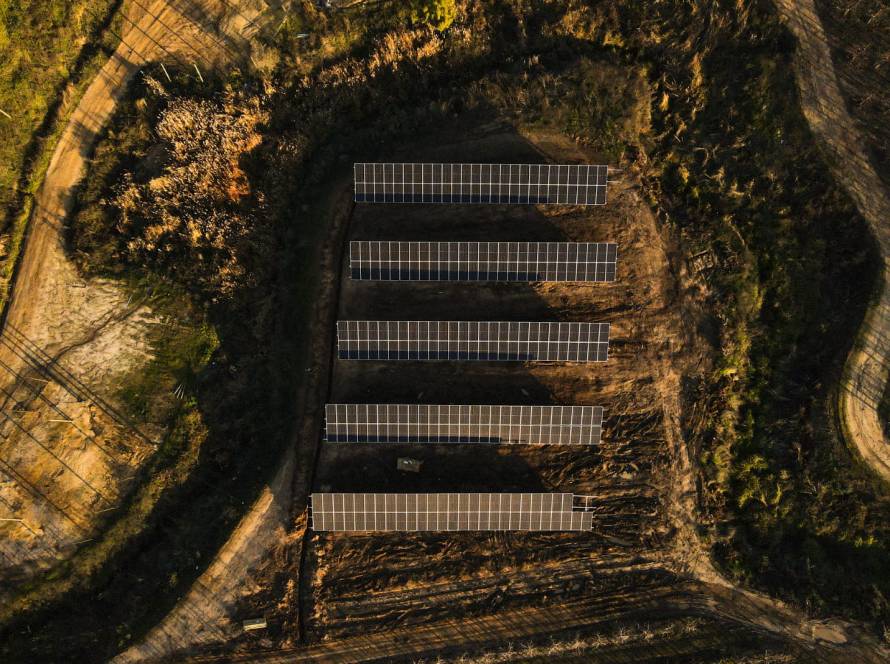
A commercial solar installation starts with understanding how a business uses electricity, what interruptions cost and which parts of the property can accommodate the system. Two businesses with similar monthly bills may need different solutions because their operating hours, equipment and backup priorities differ. Clear information at the outset helps connect the proposed investment to actual business requirements.
Preparation also makes financial and technical discussions more productive. Electricity records, property details and operational plans give an assessment substance, while missing information can leave important assumptions unresolved. Businesses do not need every technical document before making an enquiry, but a well-prepared brief creates a stronger foundation for realistic recommendations, pricing and timelines.
1. Define Your Commercial Solar Installation Goals
Establish whether the priority is reducing electricity expenditure, supporting essential equipment during outages, accommodating growth or combining these objectives. These goals influence different aspects of the proposed system. Daytime savings depend heavily on the relationship between generation and consumption, while backup capability depends on the equipment being supported, its power requirements and the required operating duration.
Be specific about what success would mean for the business. Lower electricity purchases, fewer interruptions to essential operations and greater control over future energy expenditure are useful starting points. A conventional grid-tied system generally stops operating during a grid outage, so businesses expecting continuity must make that requirement explicit. Defining the desired outcome helps prevent a proposal from meeting a savings objective while leaving an important operational need unresolved.
2. Gather Electricity Data For Your Commercial Solar Installation
Prepare up to 12 months of electricity bills, the applicable tariff information and any available interval consumption records. A full year helps reveal seasonal changes that a single bill cannot capture, including higher cooling demand, production peaks and holiday shutdowns. Interval records add detail by showing when electricity is consumed, making it easier to distinguish substantial daytime demand from consumption concentrated outside solar-generating hours.
Include the complete bill rather than only the total amount payable. Commercial accounts can contain energy charges, fixed charges and demand-related charges, each with different implications for potential savings. Reducing purchased electricity does not necessarily reduce every component proportionately. Where the business has recently expanded or changed its operating pattern, explain the change so historical records can be considered alongside current requirements.
- Electricity bills: Up to 12 months showing consumption, expenditure and seasonal variation.
- Tariff information: Energy rates, time-of-use periods and applicable fixed or demand charges.
- Interval records: Available readings showing consumption throughout the day.
- Operational changes: Details of expansion, shutdowns or equipment changes affecting the records.
Check whether the records cover every electricity account serving the proposed site. Separate meters or tenant supplies can otherwise create an incomplete picture, particularly where the business occupies several buildings or shares infrastructure with other occupants.
If some records are unavailable, identify the missing periods and provide the information already held. Making gaps clear allows the assessment to distinguish measured consumption from assumptions and establish whether additional data is needed before recommendations are finalised.
3. Describe Operating Hours And Critical Equipment
Document normal working hours, shift patterns, weekend activity and seasonal variations. A facility operating mainly during daylight hours presents a different consumption profile from one with overnight refrigeration or continuous production. These details give context to the electricity records and help establish whether generation is likely to coincide with demand or whether storage deserves closer consideration.
Identify equipment that must remain operational and explain the consequences of an interruption. Relevant details include running power, starting requirements and the required backup duration, where known. Battery energy capacity alone does not establish whether equipment can be supported, because the system must also deliver sufficient power. Distinguishing essential operations from less urgent loads supports a clearer assessment of the backup requirement and its likely cost.
4. Prepare Property And Installation-Area Information
Provide the site address, available building plans, photographs and details of potential installation areas. Roof condition, age, material, shading and previous repairs all contribute to the initial picture. A commercial solar installation may also involve suitable parking or ground areas, although their availability must be considered alongside access, existing uses and site-specific constraints.
Usable space depends on more than surface area. Structural capacity, wind loading, drainage, maintenance access and surrounding obstructions can influence the proposed layout. Photographs assist an initial review but cannot establish structural suitability. Mention planned roof repairs or replacement early, because installing equipment shortly before major building work could introduce additional removal and reinstatement costs that affect the overall investment.
- Property records: Site address, available plans and proposed installation areas.
- Roof information: Age, material, repairs, leaks and available structural assessments.
- Photographs: Roof surfaces, surrounding obstructions and possible equipment locations.
- Planned works: Roofing projects, extensions or changes to parking and ground areas.
Include information about how the property is used beyond its current floor plan. Areas reserved for deliveries, emergency access or future development may appear available on drawings while being unsuitable for permanent energy infrastructure.
Property information supports an initial assessment rather than confirming the final layout. A site inspection and any necessary technical reviews help establish which areas are suitable, allowing the proposed design to reflect verified conditions and practical maintenance requirements.
5. Clarify Property Ownership And Permissions
Confirm who owns the property, who holds the electricity account and who has authority to approve alterations. These responsibilities may belong to different parties, particularly where premises are leased or shared. Landlord consent, roof access and responsibility for maintaining affected building areas can all influence whether a technically suitable proposal is commercially practical.
The expected occupation period also matters when considering a commercial solar installation. A long-term energy commitment should be assessed alongside lease duration, renewal options and arrangements if the business relocates. Preparing these details allows contractual questions to be identified early. It also helps ensure that the people responsible for the property, electricity account and financial commitment are involved before key decisions are made.
6. Collect Electrical Records For Your Commercial Solar Installation
Gather available electrical drawings, certificates of compliance and information about the incoming supply, distribution boards and existing energy equipment. Details of generators, batteries or previous solar installations are particularly relevant because new equipment must be assessed as part of the wider electrical arrangement. Records of significant alterations can also help explain differences between older drawings and the current site.
Incomplete records need not prevent an initial enquiry, but their limitations should be clear. Existing infrastructure, supply capacity and the arrangement of essential circuits can affect integration requirements and potential upgrade costs. Share known electrical faults or recurring problems rather than assuming they fall outside the project. This gives the assessment a more reliable starting point and helps identify what requires inspection before the final scope is agreed.
7. Identify Electricity Supply And Connection Details
Prepare the electricity account number, meter information, tariff details and available records of the site’s authorised supply capacity. Identify the electricity distributor and disclose any existing generation connected to the property. These details help establish the connection context, including which application process and technical requirements may apply to the proposed system.
Explain whether exporting surplus electricity is an objective, because generation, export permission and compensation are separate considerations. Requirements vary according to the distributor, system size and configuration. Published municipal processes distinguish permission to install from approval to commission and switch on, demonstrating why connection arrangements deserve attention before an installation date is assumed. Any anticipated export income should be assessed against the applicable conditions rather than treated as automatic.
- Account details: Electricity account holder, account number and distributor.
- Meter information: Meter identification and available supply-capacity records.
- Existing generation: Details of connected solar, batteries or generators.
- Export objectives: Whether supplying surplus electricity to the grid is being considered.
Where several meters or connection points serve the premises, explain which supplies support the proposed installation area. This helps avoid assumptions about how electricity can move between buildings, tenants or separately supplied parts of the property.
Connection requirements should be confirmed for the actual site and proposed configuration. Establishing the relevant responsibilities early helps the business understand which documents, assessments and approvals may affect the programme before operational dates or export benefits are assumed.
8. Establish Your Budget And Funding Preferences
Prepare an indicative budget and explain whether the business prioritises immediate ownership, retaining working capital or spreading expenditure. Outright purchase, power purchase agreements and rent-to-own arrangements create different payment structures and responsibilities. Understanding these preferences helps frame the discussion around the business’s financial position rather than judging affordability solely by the initial equipment price.
For a commercial solar installation, financial comparisons should account for the proposed scope, maintenance responsibilities, insurance, financing terms and potential replacement costs. Expected savings also depend on consumption patterns and tariff assumptions. A quoted payback period becomes more useful when those assumptions are visible. Clarifying the business’s investment criteria supports a more meaningful assessment of value across the expected operating period.
9. Explain Site Access And Operational Constraints
Describe delivery restrictions, security procedures, vehicle routes, roof access and areas where work could interfere with normal activity. Busy loading yards, restricted storage space and continuous production can influence how work is scheduled. These conditions may affect delivery arrangements, working hours and the resources required to complete the project safely and efficiently.
Identify acceptable shutdown periods and any dates when disruption would be particularly costly. The physical work involved in a commercial solar installation is only one part of the programme, which can also include design, procurement, connection processes and commissioning. Clear operational information supports a more credible schedule and helps the business assess the practical implications of the proposed work before committing to a completion date.
- Delivery arrangements: Vehicle restrictions, unloading areas and permitted delivery hours.
- Access procedures: Security requirements, site inductions and authorised entry points.
- Operational restrictions: Sensitive areas, busy periods and activities that must continue.
- Shutdown opportunities: Suitable maintenance windows and required notice periods.
Identify the person responsible for coordinating access and operational arrangements. A clear site contact helps resolve practical questions about deliveries, work areas and scheduling, particularly where facilities, security and production teams have different responsibilities.
Discuss disruption in terms of specific activities rather than a general expectation that operations will continue normally. Understanding which services cannot be interrupted helps establish workable arrangements and supports clearer communication with affected staff before work begins.
10. Set A Commercial Solar Installation Timeline That Allows For Growth
Share the preferred completion date and explain its significance. A planned maintenance shutdown, new production line, property handover or lease milestone can create a meaningful scheduling requirement. However, the target must be considered alongside equipment availability, design readiness, property approvals and the relevant connection process. Separating preferred timing from confirmed dependencies makes the programme easier to assess.
Include anticipated changes in electricity demand, such as longer shifts, additional refrigeration or expanded premises. Historical bills describe past consumption, while future plans may change the system’s intended role. Discussing both allows expansion requirements to be considered before the design is finalised. Future capacity should be assessed against credible business plans, since additional equipment also brings additional cost and does not automatically improve financial performance.
- Target dates: Preferred completion, occupancy or production milestones.
- Project dependencies: Building works, internal approvals and connection requirements.
- Demand changes: New equipment, additional shifts or expanded operating areas.
- Expansion plans: Confirmed developments and their anticipated timing.
Distinguish committed changes from possibilities still under consideration. A confirmed equipment purchase provides a different basis for planning from an expansion that has no approved budget or date, and the assessment should reflect that difference.
Ask for the programme to identify major milestones and the conditions attached to them. This gives the business a clearer basis for coordinating internal activity while recognising that installation completion and approval to operate may occur at different stages.
11. Prepare Questions About Scope, Performance And Support
Prepare questions about projected generation, expected onsite consumption, backup capability, exclusions, warranties and maintenance. These distinguish the proposed equipment from the outcomes it is expected to deliver. Clarify whether quoted battery capacity is nominal or usable and which operating assumptions support any backup-duration estimate. Defined responsibilities for approvals, commissioning and ongoing support also make the proposal more complete.
Expected performance should be supported by clear assumptions about electricity consumption, available installation space, seasonal generation and applicable tariffs. Ask whether projected savings account for maintenance costs, system losses and changes in equipment performance over time. Understanding these assumptions makes it easier to assess whether the proposal reflects your business’s requirements and provides a useful basis for reviewing results after commissioning.
12. Assemble A Clear Initial Enquiry
Bring the available information into a concise brief covering the business contact, site address, electricity records, operating hours and primary objectives. Add available plans, photographs, ownership details, existing electrical information and preferred timing. For a commercial solar installation, this combination provides a more useful starting point than a request based only on roof size or monthly expenditure.
Identify missing documents and distinguish confirmed information from estimates. An initial assessment may reveal the need for a site survey, structural review, additional consumption records or further electrical investigation. Making these gaps visible helps establish what can be discussed immediately and what requires verification. The purpose of the enquiry is to support an informed assessment, with the final design and price developed from sufficiently reliable information.
Recommendations For Commercial Solar Solutions With Quick Installation Times In South Africa
Different commercial solar providers offer different installation times, so businesses should research available options and phone providers to establish who can accommodate their preferred timeframe. Clarify whether estimates cover physical installation alone or include design, approvals and commissioning. Choosing a reputable provider such as Eversolar is more crucial than selecting solely on speed. At Eversolar, we combine rapid deployment methodologies with precision engineering, quality components and end-to-end project management to minimise operational disruption. Our full engineering, procurement and construction (EPC) capabilities support projects across offices, factories, warehouses and retail facilities, with solutions tailored to operational needs, financial priorities and business growth.
Our offering includes Solar PV, Battery Energy Storage Systems (BESS), and grid-tied, hybrid and off-grid configurations. Our grid-tied systems offset electricity purchases while retaining grid access when solar generation is low. Our hybrid systems combine Solar PV and BESS to increase self-consumption, manage peak demand and provide appropriately designed outage support. Our off-grid systems provide independent power for remote or energy-intensive facilities, reducing reliance on diesel generation. We also offer Power Purchase Agreements (PPA) and Rent-to-Own Solar to accommodate different funding priorities. Beyond installation, our services include remote performance monitoring, preventive maintenance, rapid technical assistance and ongoing system optimisation, supporting safety, reliability and long-term value as energy requirements evolve.
- Solar PV And BESS: Our generation and storage solutions support energy cost management and operational resilience.
- System Configurations: We offer grid-tied, hybrid and off-grid arrangements for different operating requirements.
- Full EPC Delivery: Our capabilities cover engineering, procurement, construction and project coordination.
- Flexible Financing: Our PPA and Rent-to-Own Solar options accommodate different financial priorities.
- Ongoing Support: We provide remote monitoring, preventive maintenance, technical assistance and system optimisation.
When discussing timing with us, provide your site information, preferred deadline and operational restrictions so we can assess the requirements behind the request. Our rapid deployment methodologies support efficient delivery, while the programme must reflect the scope and conditions of the individual project.
Our long-term partnership approach extends beyond completing the installation. We support ongoing energy management and performance improvement, helping businesses assess changing requirements as operations expand. This makes technical capability, after-sales support and a credible programme important considerations alongside installation speed.
Prepare For A More Informed Solar Assessment
The strongest starting point for a commercial solar installation is a brief that connects electricity use, operational priorities, property conditions and financial expectations. These inputs make it easier to assess suitability, understand proposal assumptions and recognise which issues need further investigation. Thorough preparation supports clearer decisions without requiring the business to complete the technical design itself.
Contact Eversolar to discuss your site, electricity requirements and project priorities. We can review your available information and help establish the next steps towards a solution suited to your business.