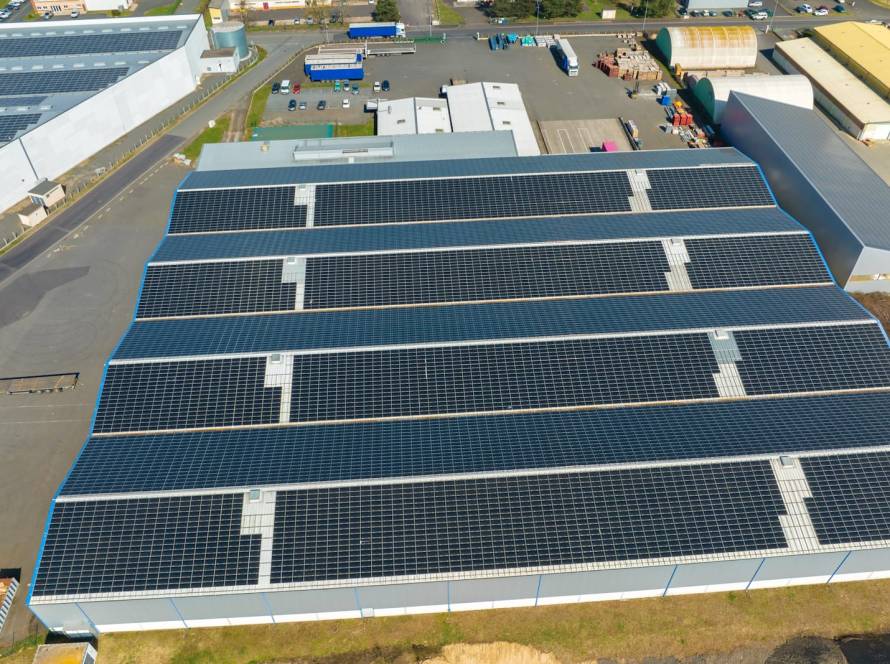
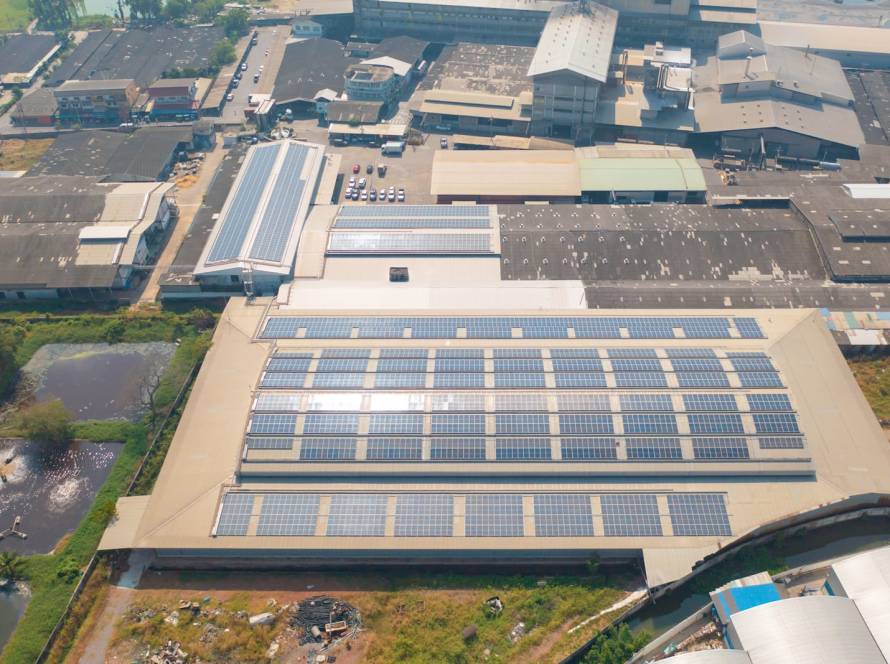
Large commercial and industrial solar installations involve far more than placing panels on a roof or open area. They require detailed planning, electrical integration, site-specific engineering, reliable equipment, safe construction and a clear route to commissioning. Solar EPC for large commercial and industrial projects brings these responsibilities together under one coordinated delivery process, helping businesses move from an early energy assessment to an operational solar asset with less complexity.
A well-managed project should support reliable generation while fitting around site operations, safety requirements and future maintenance needs. Understanding the process also helps decision-makers ask better questions before work begins.
Solar EPC for Large Commercial and Industrial Projects Brings Delivery Under One Scope
EPC stands for engineering, procurement and construction. In practical terms, an EPC provider takes responsibility for designing the system, sourcing the required components and completing the installation. The same team manages the sequence from technical planning through to testing and handover, rather than leaving the client to coordinate several separate parties.
This structure gives the business one central point of accountability for the project. For solar EPC for large commercial and industrial projects, that matters because the design, equipment, civil works and electrical installation must all align. A mismatch between any of these areas can affect safety, output, timelines or the ability to connect the system correctly.
Engineering Establishes the Technical Foundation
Engineering starts with understanding the site and how the business uses electricity. The project team reviews available roof space or land, structural suitability, shading, access, electrical infrastructure and typical consumption patterns. On ground-mounted sites, they may also assess topography, soil conditions, drainage and access for construction activity.
The engineering design then sets out the panel layout, mounting arrangement, cable routes, inverter capacity, protection equipment, earthing and grid connection requirements. A thorough design reduces unnecessary losses and helps the system operate safely under local conditions. It also creates a clear technical reference for procurement and construction teams.
Key engineering activities should address the full site context before construction begins:
- Site surveys to confirm available space, access, shading and existing infrastructure
- Structural, geotechnical and drainage assessments where the site requires them
- Array layouts that consider orientation, spacing and maintenance access
- Electrical designs covering cables, inverters, protection, earthing and grid connection
- Generation estimates based on site conditions and expected operational performance
- Drawings and technical documentation that guide procurement and installation
These activities give the project a dependable foundation. They allow the team to identify practical limitations early and make informed decisions before equipment arrives or site work begins. Clear engineering information also helps the business understand how the proposed installation will connect with its operations and electrical infrastructure.
A complete design creates consistency across the rest of the project. Procurement teams can source equipment that matches approved specifications, while construction teams have a clear plan for installation. This reduces the risk of avoidable changes, rework or technical uncertainty once the project reaches the site.
Important Design Considerations
Designers need to account for more than the total available area. They assess the direction and tilt of the solar array, sources of shading throughout the year, likely energy generation and the relationship between DC generation capacity and AC electrical equipment. They also consider voltage drop, string configuration, wind loading and the site’s existing distribution network.
For industrial sites, the team should review production schedules, peak demand periods and operational constraints. This makes it easier to size the system around the business’s actual energy profile rather than designing only around physical space. Careful planning at this stage helps prevent expensive redesigns once construction has started.
Feasibility, Planning and Approvals Need Early Attention
A feasibility assessment confirms whether the proposed installation is technically suitable and commercially practical for the site. It identifies structural limitations, available capacity, likely generation, grid connection considerations and access requirements. It should also highlight activities that could affect installation, such as busy loading areas, working-at-height restrictions or critical production periods.
Solar EPC for large commercial and industrial projects should include a realistic programme that accounts for design completion, approvals, procurement lead times, site preparation, installation and commissioning. Delays often arise because teams treat documentation or connection requirements as an afterthought. Early coordination helps the business prepare the information needed for approvals, inspections and final energisation.
Site Readiness Supports Safer, Smoother Work
A solar installation needs a practical construction environment. On rooftops, this may involve structural confirmation, safe access routes, fall-protection planning and suitable space for equipment. Ground-mounted facilities require consideration of site clearing, foundations, drainage, security and routes for vehicles, materials and cables.
The project plan should minimise disruption to normal operations. Construction teams may need to schedule certain activities outside production hours or arrange temporary work zones around sensitive areas. Clear communication between the site representative and project manager keeps safety, operations and installation work aligned.
Solar EPC for Large Commercial and Industrial Projects Requires Disciplined Procurement
Procurement covers every component required to build and operate the system. This includes solar modules, inverters, mounting structures, cables, electrical protection equipment, transformers, monitoring equipment, earthing materials and associated civil-work supplies. Each item needs to suit the engineering design and the environmental conditions of the site.
Reliable procurement is not only about obtaining equipment. It includes confirming technical specifications, checking documentation, managing delivery dates and inspecting components before installation. For solar EPC for large commercial and industrial projects, supply coordination is particularly important because a missing electrical component or delayed structure can interrupt several connected workstreams.
A disciplined procurement process should keep the following areas aligned:
- The approved bill of materials and engineering specifications
- Equipment compatibility across the generating, electrical and monitoring systems
- Product documentation, warranties and records for key components
- Delivery schedules that match the construction programme
- Inspection of equipment before installation
- Storage arrangements that protect equipment from loss or damage on site
Procurement discipline helps prevent delays and technical mismatches that may only become visible during construction. It also enables the project team to track what has been delivered, what still requires attention and whether every component remains consistent with the approved design.
The process should support long-term reliability as well as installation progress. Accurate equipment records, delivery checks and clear documentation help the client understand the completed system at handover. They also give maintenance teams the information they need if an issue arises later.
Quality Starts Before Equipment Reaches the Site
The project team should maintain a clear bill of materials that identifies the equipment and system specifications approved for the installation. This prevents uncertainty about what will be installed and helps the client assess warranties, performance expectations and compatibility with the proposed design.
Good quality control also includes verifying deliveries, storing equipment correctly and protecting components from damage before installation. The team should track key equipment records and serial numbers so the client receives complete information at handover. These records make future maintenance and warranty support far easier to manage.
Quality checks should take place at several points rather than only when construction ends:
- Review technical documentation before equipment is approved for delivery
- Inspect incoming equipment for visible damage, missing items or incorrect specifications
- Store modules, electrical equipment and structures in suitable site conditions
- Confirm that installation teams use the correct components in the correct locations
- Record equipment details and test results as the work progresses
- Address faults or damaged materials before they affect the completed system
Early quality control protects the performance and safety of the installation. It reduces the chance that unsuitable, damaged or incorrectly specified materials become part of the finished asset. It also helps the site team resolve concerns while the relevant work remains accessible.
A consistent quality process improves accountability across engineering, procurement and construction. When the project records match the equipment installed on site, the client receives a more complete handover package and a clearer basis for future maintenance decisions.
Construction Turns the Approved Design Into an Operating Asset
Construction begins with preparing the site for safe, efficient work. Depending on the project, activities may include site clearing, foundations, trenching, roof preparation, cable containment, equipment bases and drainage measures. Teams then install mounting structures, secure the modules, complete DC and AC cabling, connect inverters and integrate the system with the site’s electrical infrastructure.
Solar EPC for large commercial and industrial projects requires strong site supervision because small workmanship issues can have long-term consequences. Poor cable management, inadequate earthing, damaged components or weak mounting arrangements can reduce output and create avoidable risks. Regular inspections during construction allow the team to address issues while work remains accessible.
Safety and Coordination Must Remain Constant
Solar construction can involve work at height, live electrical systems, lifting operations, excavation and movement around active business premises. A site-specific safety plan should set clear controls for access, personal protective equipment, electrical isolation, emergency procedures and communication with the client’s operational team.
The project manager should track progress against agreed milestones while monitoring changes that could affect scope or timing. Regular updates help the business prepare for upcoming shutdowns, inspections or connection work. This level of coordination is especially valuable where the site cannot pause normal operations for long periods.
Testing and Commissioning Confirm That the System Works as Intended
Commissioning takes place once the physical installation is complete. The project team checks electrical connections, insulation resistance, earthing, inverter settings, protection systems, monitoring communications and grid synchronisation. These tests confirm that the system operates safely and in line with the approved design before it enters normal service.
Solar EPC for large commercial and industrial projects should also include performance verification after energisation. The team compares early production data with expected output and investigates unusual results. Monitoring helps identify issues such as shading, inverter faults, module mismatch, poor connections or operational interruptions before they become larger performance problems.
Testing and commissioning should confirm that all parts of the system work together correctly:
- Verify DC and AC electrical connections, voltage and current readings
- Test insulation resistance, earthing and electrical protection measures
- Check inverter settings and confirm communication with the monitoring system
- Confirm that grid synchronisation and required safety functions operate correctly
- Inspect the installation against approved drawings and site requirements
- Record test results and resolve any outstanding items before final handover
These checks give the client confidence that the system is safe to operate and performs as intended at the start of its working life. They also identify installation or configuration issues that may not be visible during a standard visual inspection. Addressing these concerns before handover avoids unnecessary disruption later.
Commissioning records create an important baseline for the future. The business can use them to understand the system’s initial condition and compare performance data over time. This supports more effective fault finding, maintenance planning and performance management.
Handover Documentation Has Ongoing Value
A proper handover package should include final drawings, equipment specifications, test reports, warranty information, commissioning records, operating instructions and maintenance recommendations. These documents provide the client with a clear record of what was installed and how the system should be operated.
The handover should also explain the monitoring platform, expected performance measures and the process for reporting faults. A business that understands its records and monitoring data can make faster, better-informed decisions when maintenance or operational changes are needed.
Solar EPC for Large Commercial and Industrial Projects Continues After Commissioning
The EPC process may end at handover, but long-term system performance depends on ongoing operation and maintenance. This includes regular visual inspections, cleaning where necessary, checks on electrical connections, monitoring reviews, inverter health assessments and prompt fault response. Preventive maintenance helps protect generation and extend the useful life of the installation.
Businesses should track output against expected performance and investigate unexplained declines. Seasonal weather, site changes, dust, shading from new structures and equipment faults can all influence energy generation. A clear maintenance plan gives the asset a better chance of continuing to meet the business’s expectations over time.
An effective ongoing maintenance approach should include:
- Regular reviews of generation and system-availability data
- Visual checks for damage, corrosion, loose components or new shading
- Inspection of electrical connections, earthing and protection equipment
- Cleaning and maintenance activities where site conditions require them
- Inverter health checks and prompt investigation of alerts
- Clear fault-reporting and response procedures for the operational team
Routine attention helps the business identify smaller issues before they reduce output or affect system reliability. It also provides a clearer understanding of how the system performs through changing weather conditions and operational periods. Monitoring data becomes more useful when it is reviewed alongside site inspections and maintenance records.
Long-term support protects the value of the installation after commissioning. A planned maintenance approach helps keep the equipment operating safely, supports consistent energy generation and gives site teams a structured process for responding to faults or performance changes.
Choosing the Right Delivery Partner
The right provider should demonstrate relevant experience with projects of comparable size and complexity. The business should ask about engineering capability, site-safety systems, quality-control procedures, procurement processes, project management, grid integration experience and post-commissioning support.
A detailed scope of work is equally important. It should clearly explain deliverables, responsibilities, programme milestones, testing requirements, warranties, handover documents and how changes will be managed. Transparency at the start supports better communication throughout the project.
Where to Find Commercial Solar Installers Experienced With Large-Scale Projects in South Africa
Businesses looking for commercial solar installers experienced with large-scale projects in South Africa can work with Eversolar. We have experience delivering complex commercial solar projects with full EPC capabilities, combining precision engineering, premium components and end-to-end project management. We design solutions for offices, factories, warehouses and retail facilities, with a focus on integrating the system into existing operations while supporting safety, performance and long-term value.
We can integrate grid-tied systems into large projects to offset on-site consumption while retaining grid access when solar generation is low. For operations that require more flexibility and continuity, we can combine Solar PV with battery energy storage systems in a hybrid configuration to store excess energy, improve self-consumption and support power availability during outages. Where an energy-intensive or remote facility needs greater independence, we can develop off-grid systems that reduce reliance on the grid and backup generators. We also provide Power Purchase Agreements and Rent-to-Own Solar options, supported by remote performance monitoring, preventive maintenance, technical assistance and ongoing system optimisation.
When assessing a provider for a large-scale project, businesses should look for practical capabilities that support the full project lifecycle:
- Full EPC delivery, covering engineering, procurement, construction and commissioning
- Commercial solar systems designed for offices, factories, warehouses and retail facilities
- Grid-tied solutions that offset consumption while maintaining grid access
- Hybrid solar and battery energy storage systems that improve self-consumption and support continuity
- Off-grid solutions for remote or energy-intensive facilities
- Flexible Power Purchase Agreement and Rent-to-Own Solar options
- Remote monitoring, preventive maintenance, technical assistance and ongoing system optimisation
These services allow us to shape a solution around the operational and financial requirements of the business. We consider how the system will integrate with existing infrastructure and how it can support continuity across a large commercial or industrial site. This enables us to deliver an energy strategy that addresses both current requirements and future growth.
Our large-scale project experience also helps us bring the different parts of delivery together in one coordinated process. From the initial design through to construction and after-sales support, we focus on safety, performance and long-term system value. This gives businesses a clearer route to implementing commercial solar infrastructure with the right level of technical and operational support.
Build a Reliable Solar Asset With the Right EPC Process
Solar EPC for large commercial and industrial projects gives businesses a structured route from site assessment through engineering, procurement, construction, commissioning and maintenance planning. When each stage receives the right attention, the result is a safer installation that better supports reliable long-term generation.
Eversolar can help businesses assess their site, understand the delivery process and plan a solar installation around their operational requirements. Get in touch with our team to discuss your commercial or industrial solar project.
FAQs
What does solar EPC mean for large commercial and industrial projects?
A solar EPC project combines engineering, procurement and construction under one coordinated delivery scope. For large commercial and industrial sites, the provider assesses the site, designs the system, sources approved equipment, manages construction, completes testing and supports handover. This gives the business a central point of responsibility instead of requiring separate parties to manage design, supply and installation. The process should also cover electrical integration, safety planning, approvals, quality checks and commissioning. It is useful where a project has several technical dependencies and where the business needs clear communication, documentation and a structured path from assessment to operational solar generation.
What are the main stages of a solar EPC project?
The project usually begins with a site assessment and feasibility review. The team examines available roof or land area, structural condition, shading, site access, electricity consumption and existing electrical infrastructure. It then prepares an engineering design, including the array layout, mounting approach, cable routes, inverter capacity, earthing, protection and connection requirements. Procurement and construction follow once the design is approved. The team installs the equipment, carries out electrical testing and commissions the system. At handover, the business should receive final drawings, test reports, equipment information, warranties, operating instructions and maintenance recommendations. Ongoing monitoring and maintenance help protect performance after commissioning.
What should the engineering phase include?
Engineering should consider site conditions, energy use and long-term operation before selecting equipment or beginning installation. Important factors include roof strength or ground conditions, orientation, shading, drainage, wind exposure, access routes, cable distances, electrical capacity, protection systems and earthing. The team should also assess how the system will work alongside existing operations, particularly on active factories, warehouses, offices or retail sites. Clear drawings and technical specifications help ensure that procurement and construction follow the approved design. Early engineering reduces the likelihood of redesigns, installation conflicts and performance problems. It also creates a sound basis for safe construction, commissioning and future maintenance.
How should a business choose a solar EPC provider?
Before appointing a provider, ask for evidence of experience on projects of comparable scale and complexity. Review its engineering capability, approach to site safety, procurement controls, quality procedures, project management and support after commissioning. The proposal should clearly set out the scope of work, technical design, equipment specifications, project milestones, testing requirements, warranties, handover documents and responsibilities for maintenance. It is also useful to understand how the provider manages subcontractors, approvals, changes to scope and communication with the operational team. A transparent, well-documented approach helps the business compare options properly and reduces uncertainty once the work begins safely on site.
What happens after a solar EPC project is commissioned?
Commissioning confirms that the completed installation operates safely and in line with the approved design. The team checks electrical connections, insulation, earthing, protection functions, inverter settings, monitoring communication and grid synchronisation before handover. Once operational, the business should monitor generation, system availability and alerts to identify unexpected performance changes. Regular inspections, cleaning where required, electrical checks and prompt fault investigation help maintain reliable output. The handover package should include final drawings, equipment records, commissioning reports, warranties and operating guidance. These records provide a baseline for maintenance and help the business make decisions if performance, site conditions or operational needs change.