A solar EPC company takes responsibility for designing, sourcing and building a complete solar energy system. EPC stands for engineering, procurement and construction. Together, these three stages cover the technical journey from the first site assessment to final testing and handover.
For South African property owners, this approach provides one accountable contractor throughout the project. It simplifies communication, improves coordination and helps ensure that every stage supports the same technical and operational goals.
Understanding the EPC Approach to Solar Projects
An EPC contractor delivers a complete, ready-to-operate solar installation. The contractor does more than mount panels and connect electrical equipment. Its team studies the property, calculates its energy requirements, develops a suitable design and coordinates every part of the installation. This integrated approach helps prevent gaps between design decisions, equipment selection and construction.
The EPC model also gives the client a single point of contact. Without one responsible contractor, a property owner may need to coordinate engineers, suppliers, electricians and installers separately. That arrangement can lead to delays, unclear responsibilities and incompatible components. An EPC contractor brings these activities together under one project plan.
- Assessing the property and its existing electrical infrastructure
- Analysing electricity consumption and operational requirements
- Designing a system that suits the site and energy demand
- Selecting and sourcing compatible equipment
- Coordinating construction teams, suppliers and subcontractors
- Managing safety, quality and regulatory requirements
- Testing, commissioning and handing over the completed system
These responsibilities allow the contractor to consider the complete project when making technical decisions. The engineering team can communicate directly with procurement and construction teams, helping everyone work from the same specifications. If site conditions require a change, the contractor can assess how that change may affect the equipment, installation programme and expected system performance.
An integrated approach also creates clearer accountability throughout the project. The client knows who must answer questions, report progress and resolve technical problems. This structure makes it easier to track milestones and confirm whether the completed installation meets the agreed design, quality and performance requirements.
The Three Main Stages of Solar EPC Work
Engineering, procurement and construction form the foundation of an EPC project. Although each stage has a distinct purpose, decisions made during one stage affect the others. A good design must use components that suppliers can provide, while the construction team must follow the approved plans correctly.
Proper coordination also protects the system’s long-term performance. A technically sound design will not deliver the expected results if contractors use unsuitable equipment or install it poorly. EPC teams therefore manage the project as one connected process rather than three unrelated tasks.
Engineering and System Design
Engineering usually starts with a site survey and an assessment of the client’s electricity use. The team examines roof space or available land, orientation, shading, structural conditions and the existing electrical infrastructure. For ground-mounted projects, engineers may also study the terrain, drainage and soil conditions.
The findings help engineers determine the appropriate system size, panel layout, inverter capacity, cable routes and electrical protection. They also estimate how much electricity the installation should generate. Careful engineering reduces redesigns, improves safety and helps the finished system meet the property’s actual energy needs.
Equipment Procurement
Procurement involves selecting and sourcing all the equipment required for the project. This may include panels, inverters, batteries where applicable, mounting structures, cables, switchgear, monitoring equipment and electrical protection. The components must work together and suit local operating conditions.
Procurement teams also check technical specifications, certifications, warranties and delivery schedules. They coordinate orders so that equipment reaches the site when construction teams need it. Reliable procurement reduces the risk of delays, unsuitable substitutions and compatibility problems during installation.
- Solar panels that suit the system design and available installation area
- Inverters with the correct capacity and technical characteristics
- Batteries where energy storage forms part of the project
- Mounting structures designed for the roof or ground conditions
- Cables, connectors, switchgear and electrical protection equipment
- Monitoring equipment for tracking generation and system performance
- Supporting materials required for installation and grid integration
Effective procurement requires more than placing orders. The team must compare technical requirements with supplier documentation and confirm that each component matches the approved design. It must also account for lead times, delivery arrangements, secure storage and the order in which construction teams will need the materials.
Strong procurement controls help preserve quality from the design stage through to installation. Teams can inspect equipment when it arrives, record relevant component information and identify damage or specification differences before installation begins. This process reduces rework and helps ensure that warranties, technical records and handover documents remain accurate.
Construction and Installation
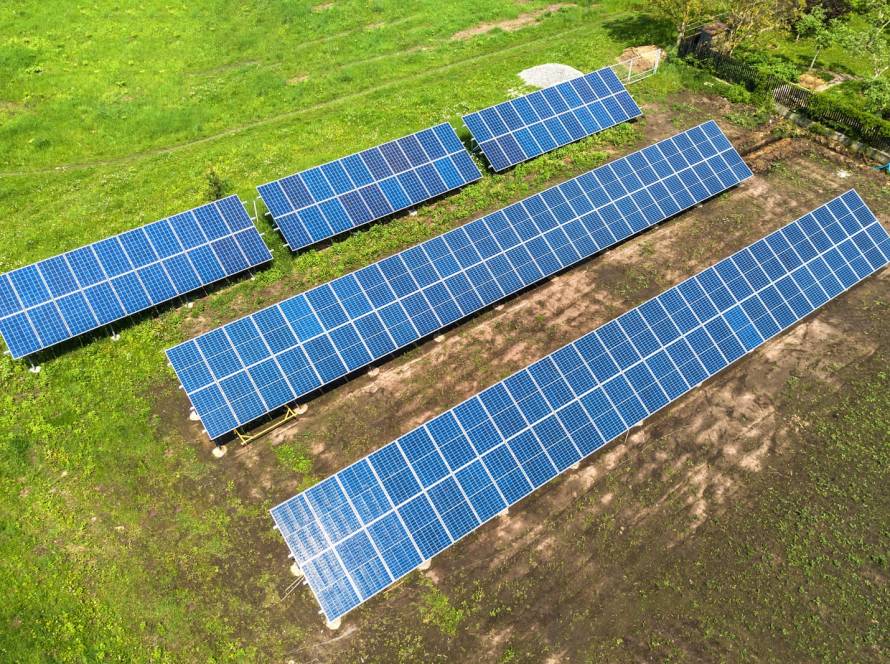
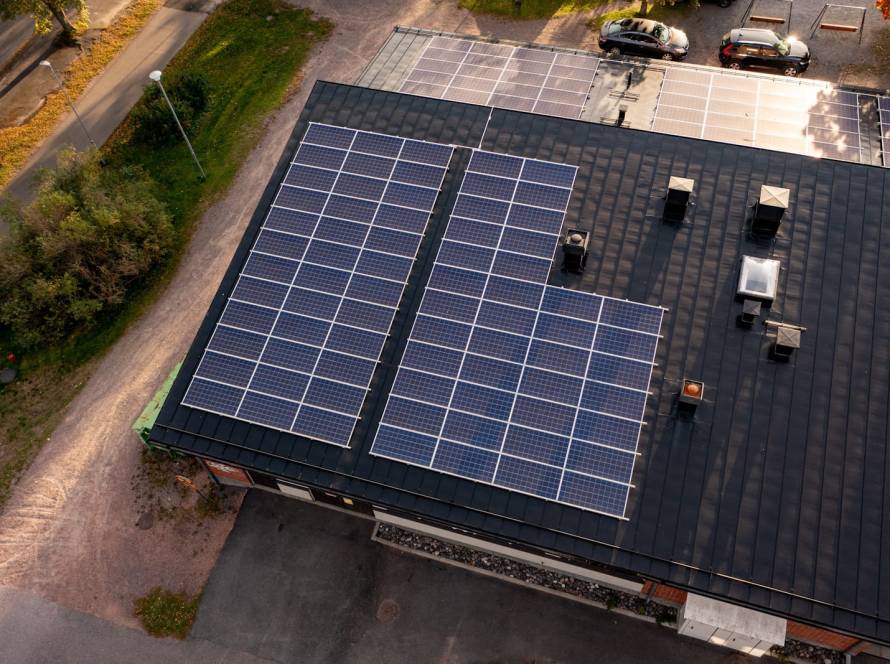
Construction turns the approved design into a working solar system. Depending on the project, this stage may include site preparation, structural reinforcement, foundation work, mounting-system assembly, panel installation, cabling and integration with the building’s electrical network. Larger systems may also require transformers and more complex grid connections.
The construction team must follow electrical, structural and workplace safety requirements. Supervisors inspect workmanship throughout the project and confirm that installers follow the approved drawings. Careful site management protects workers, limits disruption and supports reliable system performance.
Solar EPC Company Responsibilities from Planning to Commissioning
A solar EPC company usually manages project schedules, technical drawings, equipment deliveries, subcontractors, safety procedures and quality checks. It may also coordinate municipal or utility applications, inspections and grid-connection requirements. In South Africa, these requirements can differ by municipality and electricity distributor, so local knowledge matters.
The contractor must keep each activity aligned with the project scope. For example, equipment cannot arrive before suitable storage becomes available, and electrical work cannot proceed until the supporting structures are ready. Strong project management helps teams complete tasks in the correct order and resolve problems before they affect the wider installation.
The Typical Project Journey
A project normally begins with a consultation, energy assessment and site survey. The contractor then prepares a preliminary design and proposal. Once the client approves the scope, detailed engineering begins. Procurement follows, while the project team prepares the site and confirms the installation schedule.
Construction includes mechanical and electrical work, followed by inspections and commissioning. Timelines vary according to the system’s size, site conditions, equipment availability and approval requirements. Clear milestones allow the client and contractor to track progress throughout the project.
- Initial consultation and assessment of the client’s objectives
- Electricity consumption analysis and load profiling
- Site survey and technical feasibility assessment
- Preliminary layout, system sizing and energy-yield estimation
- Detailed structural and electrical engineering
- Equipment selection, procurement and delivery coordination
- Site preparation and system installation
- Electrical integration and grid-connection coordination
- Safety inspections, performance testing and commissioning
- Final documentation, training and project handover
Each stage produces information or completed work that supports the next one. The site assessment guides the design, while the approved design determines which components the procurement team must source. Construction teams then use the technical drawings and equipment specifications to complete the physical installation correctly.
The process should also include regular reviews and clear communication with the client. Progress reports can identify completed milestones, upcoming work and issues requiring attention. This visibility helps the client prepare for site access, planned interruptions or operational changes while allowing the contractor to keep the project aligned with its approved scope.
Testing, Commissioning and Handover
Testing confirms that the installation operates safely and according to its design. Technicians may inspect cable insulation, earthing, protection devices, panel output and inverter operation. They also check monitoring functions and verify that the system responds correctly under normal operating conditions.
Once the system passes its acceptance checks, the contractor commissions it for operation. The client should receive system drawings, test reports, operating instructions and warranty documents. The handover should also explain monitoring, shutdown procedures, basic maintenance and the process for reporting a fault.
Solar EPC Company Contract Models and Accountability
A solar EPC company working under a turnkey contract accepts broad responsibility for delivering the completed installation. The agreement should clearly define the technical scope, equipment specifications, milestones, testing requirements and handover documents. It should also explain how the parties will manage delays, design changes and defects.
Other arrangements divide responsibility between the property owner and several contractors. These models can give experienced owners more control, but they also require greater technical oversight. A turnkey EPC agreement generally suits clients who want one contractor to coordinate the full project and remain accountable for the result.
Common Risks in Solar EPC Projects
Even well-planned projects can face challenges. Roof limitations, difficult terrain, inaccurate site information and unexpected electrical conditions may require design changes. Equipment delivery delays, severe weather and approval processes can also affect the programme. A thorough assessment helps the project team identify many of these risks before construction starts.
Clear contracts and regular communication provide further protection. The agreement should connect payments to measurable milestones and define how the contractor will test and accept the system. It should also set out warranty responsibilities and the period during which the contractor must correct installation defects.
Solar EPC Company Selection: What to Look For
Before appointing a solar EPC company, review its experience with projects that resemble yours in size, site type and technical complexity. Ask for a detailed scope of work, equipment schedule and proposed timeline. The submission should explain who will complete each activity and whether the contractor intends to use subcontractors.
You should also examine engineering capability, safety practices, quality-control procedures and knowledge of local approval requirements. Look for clear warranties, measurable acceptance criteria and realistic performance estimates. A capable contractor should answer technical questions clearly without making vague or exaggerated promises.
- Experience with projects of a similar size, site type and complexity
- In-house engineering knowledge and technical design capability
- A detailed scope of work and transparent equipment schedule
- Realistic project milestones and a clear resource plan
- Established safety procedures and a strong quality-control process
- Knowledge of South African grid and municipal requirements
- Clear information about subcontracted work and accountability
- Defined testing, commissioning and acceptance procedures
- Suitable warranty terms and post-installation support
- Relevant maintenance, monitoring and expansion capabilities
A thorough evaluation should consider more than the proposed equipment and completion date. The contractor must show that it understands the client’s operational requirements and the practical conditions at the site. Its proposal should connect the system design to electricity consumption, available space, existing infrastructure and plans for future expansion.
Clients should also ask how the contractor will communicate during delivery and respond after commissioning. Clear reporting arrangements, named responsibilities and documented support processes can prevent confusion later. Selecting a contractor with suitable technical and operational capabilities helps protect system performance throughout the installation’s working life.
Quality Checks and Performance Measures
Quality control should cover both equipment and workmanship. Contractors should inspect delivered components, record identifying information and check installations at key stages. Testing should confirm electrical safety and verify that the completed system performs according to the agreed acceptance method.
After commissioning, monitoring helps the owner understand whether the installation continues to operate properly. Useful measures include energy generation, system availability, performance against forecasts and fault-response times. These indicators can reveal underperformance before it becomes a long-term problem.
Solar EPC Company Support After Installation
The responsibilities of a solar EPC company do not necessarily end when the system switches on. Initial support may include performance monitoring, maintenance guidance, warranty registration and training for the owner’s staff. The exact responsibilities should appear clearly in the contract because long-term operation and maintenance do not always form part of the standard EPC scope.
Regular inspections, cleaning where required and prompt fault repairs help protect energy production. Owners should know who monitors the installation, who holds spare components and who responds when equipment fails. A clear maintenance plan supports safety, reliability and the useful life of the system.
What Does Eversolar Offer for Solar EPC?
At Eversolar, we provide turnkey solar EPC services for industrial, agricultural, mining and commercial operations, as well as property developers and property owners across South Africa. We manage projects from concept through commissioning, beginning with feasibility studies, energy-yield modelling, site assessments and grid-compliance evaluations. Our engineering services also include load profiling, consumption analysis, structural and electrical design, and planning for battery energy storage integration. We custom-engineer each commercial solar array around the site’s conditions and operational requirements. During construction, we manage the professional installation of rooftop and ground-mounted solar systems, integration with existing electrical infrastructure, grid connection, utility coordination, system testing, quality assurance, commissioning and handover documentation.
We also provide long-term support to help clients maintain reliable system performance after commissioning. Our services include remote monitoring, preventative and corrective maintenance, performance optimisation, system upgrades, expansions and battery energy storage integration. We can upgrade or acquire underperforming solar systems and redesign them to meet current performance and reliability requirements. Whether a system supports irrigation and cold storage, remote mining operations, an industrial facility, a commercial property or a new development, we focus on dependable performance, scalability, energy security and minimal operational disruption.
Building a More Reliable Energy Future
A solar EPC company brings engineering, procurement and construction together under one coordinated service. It designs the system, sources compatible equipment, manages installation, oversees compliance and confirms performance through testing. This approach gives South African property owners clearer accountability and reduces the difficulty of managing several contractors.
If you are considering a professionally planned solar installation, get in touch with Eversolar to discuss your site, electricity needs and project requirements. Our team can help you explore a solution designed around your operations, long-term performance expectations and energy goals.
FAQS
What does a commercial solar EPC company do?
A commercial solar EPC company manages the entire solar project lifecycle, including engineering, procurement, and construction. Its team assesses the site, designs a suitable system, sources equipment, obtains permits, coordinates installation, and commissions the completed plant. Many providers also assist with grid applications, safety compliance, performance monitoring, and ongoing maintenance. Using one accountable contractor simplifies communication and reduces the risk of delays, design conflicts, or purchasing errors. The company aligns the solar solution with the client’s energy consumption, property conditions, budget, and sustainability objectives, delivering a functional commercial system through a coordinated, turnkey process from initial consultation to final handover.
How do I choose the right commercial solar EPC company?
Choosing the right commercial solar EPC company requires reviewing its experience, technical expertise, financial stability, safety record, and completed projects. Ask whether the provider has delivered systems similar to yours in size, industry, and operating environment. Confirm which equipment brands it uses, what warranties apply, and whether qualified professionals handle engineering and installation. A reliable contractor should provide a detailed proposal covering system design, projected generation, costs, timelines, exclusions, and maintenance requirements. Check client references and after-sales support before signing. Transparent communication, realistic performance estimates, regulatory knowledge, and one point of accountability are strong indicators of a dependable EPC partner.
How long does a commercial solar EPC project take?
A commercial solar EPC project takes several weeks to several months, depending on its scale and complexity. Stages include energy analysis, site surveys, engineering, financial approval, permitting, and utility applications. Procurement timelines vary according to equipment availability, while construction may be affected by roof preparation, access restrictions, weather, or operational requirements. Smaller rooftop installations are generally completed faster than large ground-mounted systems or projects with battery storage. A competent EPC contractor provides a programme, identifies dependencies, and coordinates stakeholders throughout delivery. Businesses should allow sufficient time for testing, grid approval, commissioning, documentation, and staff training before the system becomes operational.
Why is engineering important in commercial solar EPC projects?
Engineering is essential in commercial solar EPC because it determines whether the system will be safe, compliant, efficient, and suitable for the property. Engineers evaluate energy usage, solar resources, shading, roof strength, electrical capacity, equipment placement, cable routes, and grid requirements. They then develop drawings, calculations, protection settings, and specifications that guide procurement and construction. Engineering helps prevent undersized components, generation losses, structural problems, and costly installation changes. It also supports accurate performance forecasts and regulatory approvals. By designing around the client’s operating profile and future needs, the EPC company can maximise energy production, reliability, expandability, and long-term financial value.