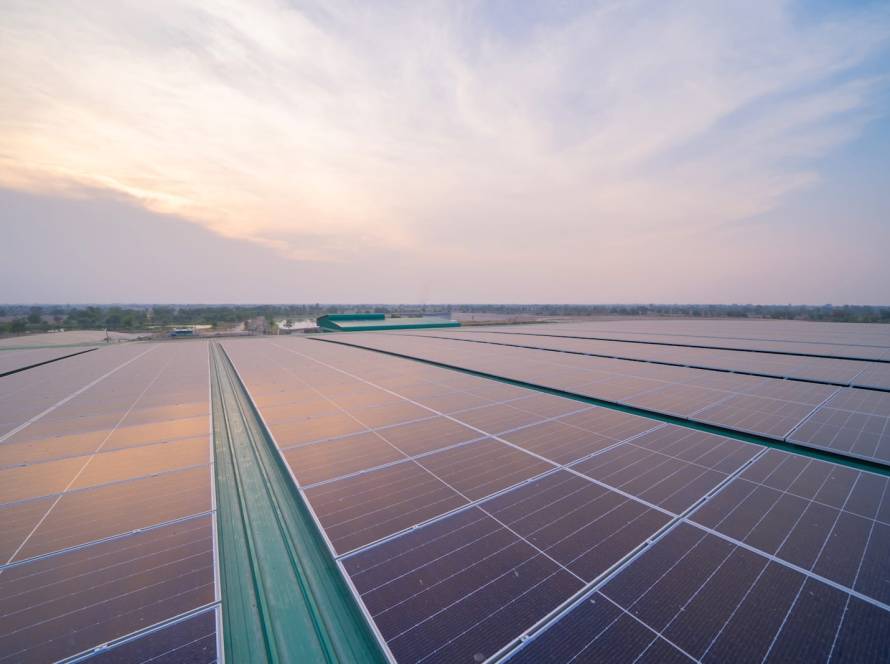
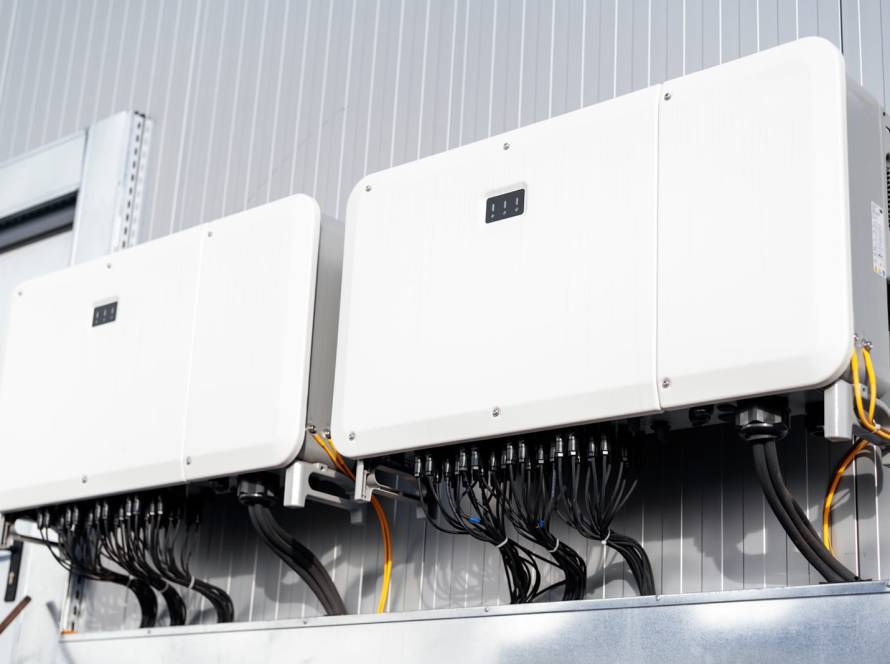
Choosing experienced commercial solar installers matters because large-scale solar is not simply residential solar with more panels. Commercial projects involve higher electrical loads, more complex consumption patterns, structural considerations, grid requirements, safety standards and major financial decisions. The system also has to be installed around a working business, where disruption can have a direct operational cost.
A strong project therefore begins long before equipment reaches the site. It requires proper energy analysis, engineering, commercial planning and an understanding of how the organisation is likely to change over the life of the system. Experience helps bring these elements together so that solar becomes dependable business infrastructure rather than a collection of components on a roof.
Why Large-Scale Solar Requires Specialist Experience
The scale of solar deployment is growing rapidly. The International Energy Agency recorded 666 GW of renewable capacity additions globally in 2024 and expects annual additions to approach 935 GW by 2030. Solar PV and wind are forecast to account for 95% of renewable capacity growth through the end of the decade. That growth is making professional engineering and project-delivery experience increasingly important.
South Africa is experiencing the same shift towards a more diverse electricity system. Eskom reported that independent power producers supplying the national transmission company had 7,495 MW of installed capacity in its 2025 financial year, mainly from solar PV and wind. Renewable sources supplied almost 20% of electricity during their highest combined hourly contribution in January 2025.
For an individual business, however, installed capacity is only one measure of success. Factories, warehouses, farms, mines and commercial properties all consume energy differently. Experienced providers analyse load profiles, operating hours, peak demand and future expansion before determining the size and configuration of a system. That planning reduces the risk of both expensive oversizing and a system that quickly becomes too small.
Experienced Commercial Solar Installers Understand the Whole Site
Experienced commercial solar installers start by looking beyond electricity bills. The physical site can determine what is practical, safe and financially sensible. Rooftop projects may involve structural loading, shading, skylights, HVAC equipment, access routes and existing electrical infrastructure. These issues should be understood before procurement begins.
Ground-mounted projects require a different assessment. Land availability, soil conditions, grading, drainage, civil works, security and maintenance access can all affect the design. A site that appears to have plenty of room may still contain constraints that make one layout considerably better than another.
Key site factors include:
- Roof condition and structural capacity
- Available land and ground conditions
- Shading throughout the year
- Existing electrical infrastructure
- Access for construction and maintenance
- Current and future energy demand
- Safety and operational restrictions
- Space for possible future expansion
This is where experience becomes practical. A provider that has worked with different site types is more likely to recognise problems before they become expensive. Roof reinforcement, cable routes, unsuitable equipment locations and access limitations are far easier to address during design than halfway through construction.
A detailed site assessment also improves long-term value. Solar equipment will remain in place for many years, so the layout must support maintenance, repairs and future expansion as well as initial installation. The best design is not simply the one that fits the most panels. It is the one that works properly with the site throughout the asset’s life.
Good Engineering Protects Performance and Return on Investment
Solar has become increasingly competitive as an energy technology. The International Renewable Energy Agency reported that 91% of newly commissioned utility-scale renewable capacity in 2024 generated electricity at a lower cost than the cheapest new fossil-fuel alternative. Commercial projects can benefit from these economics, but only when the system is engineered properly.
Equipment costs have also fallen considerably. The global average installed cost of solar PV reached about USD 691 per kW in 2024. Lower equipment costs create opportunities for larger projects, but purchasing more panels does not automatically improve returns. Inverter sizing, cable design, orientation, electrical capacity and component compatibility still determine how effectively the equipment performs together.
Good engineering therefore connects technical performance with financial performance. Engineers should assess when electricity is consumed, how much solar generation can be used on site and whether the existing electrical system can accommodate the proposed installation. Small design compromises can become significant when repeated across thousands of panels or decades of operation.
Commercial Solar Installers Should Match the System to the Business Need
Experienced commercial solar installers do not begin with a preferred technology. They begin with the problem the organisation wants to solve. A business seeking lower daytime electricity costs may need a very different system from a remote mine seeking energy independence or an industrial facility looking for greater resilience.
The site’s grid connection, operating hours, critical equipment, outage exposure and electricity tariff should guide the decision. Battery storage can be valuable, for example, but adding batteries without a clear operational or financial reason can increase project costs unnecessarily.
Typical configurations include:
- Grid-tied solar: Suited to businesses that want to offset grid electricity while remaining connected to the utility.
- Hybrid solar: Combines solar and battery storage for greater flexibility, self-consumption and resilience.
- Off-grid solar: Designed for remote or grid-constrained sites requiring greater energy independence.
- Solar with BESS: Allows stored energy to support peak-demand management, backup requirements and energy optimisation.
The correct option depends on how the site actually operates. An office building with high daytime consumption may gain strong value from grid-tied solar, while a processing facility with critical equipment may place greater value on storage and backup capability.
Experienced providers should therefore explain why a particular configuration has been recommended. Businesses should be able to see the connection between their consumption data, operational priorities and the proposed system rather than being presented with a standard package.
Battery Storage Needs a Clear Purpose
Battery economics have changed dramatically. IRENA reported that the installed cost of utility-scale battery storage fell by 93% between 2010 and 2024, from USD 2,571 per kWh to USD 192 per kWh. This has made storage increasingly practical for larger commercial and industrial energy projects.
That does not mean every project should include a large battery. Storage creates the most value when it addresses a defined requirement such as backup power, peak-demand management, higher solar self-consumption or operation in a grid-constrained environment. Its capacity should be based on load data and the length and type of support required.
Experienced designers consider batteries as part of the wider energy system rather than an optional extra. They assess which loads are critical, when demand peaks and how the battery is expected to cycle. This produces a clearer business case and helps prevent organisations from paying for storage capacity they are unlikely to use effectively.
Project Management Experience Reduces Risk
A large solar project involves multiple stages and teams. Energy analysis, structural work, electrical engineering, procurement, approvals, construction, grid connection, testing and commissioning all need to happen in the correct sequence. On active commercial and industrial sites, this work also needs to be planned around normal operations.
Experienced project management creates accountability across those activities. Clear responsibilities, timelines and quality controls make it easier to identify problems early while helping the business understand what happens next.
A structured project typically includes:
- Feasibility and energy assessment
- Site investigation
- Engineering and system design
- Commercial and financial review
- Approvals and procurement
- Construction and installation
- Testing and commissioning
- Formal documentation and handover
Procurement also needs careful coordination. Equipment arriving too early creates storage and security problems, while late deliveries can hold up multiple teams. Experienced providers build procurement, construction and commissioning into one realistic programme rather than treating them as separate jobs.
Good project management is particularly valuable where downtime is expensive. A factory cannot simply stop production whenever installation work requires access to electrical equipment. Planning connections, shutdown periods and testing around the organisation’s operating schedule helps reduce disruption while maintaining safety.
Compliance, Safety and Documentation Matter
South Africa’s electricity network is becoming increasingly complex. Eskom reported that 155 GWh of renewable generation had to be curtailed during its 2025 financial year when supply and demand conditions required output to be reduced. That illustrates why grid integration is an engineering and regulatory issue, not simply a matter of connecting generation equipment.
Large-scale projects must account for electrical standards, grid requirements, testing procedures and site safety. The work may involve high-voltage infrastructure, working at height and integration with equipment that is already powering a working facility. Experienced teams build these requirements into design and construction instead of dealing with compliance at the end.
Detailed documentation is equally valuable. Drawings, equipment records, commissioning results and maintenance information give future teams a reliable technical history of the asset. If the system needs to be repaired, expanded or modified years later, proper documentation reduces uncertainty and makes safer technical decisions possible.
Industry Experience Helps Commercial Solar Installers Design Better Solutions
Industry experience matters because energy demand is closely connected to what a business actually does. Mining operations may depend on processing equipment and remote infrastructure. Farms may rely on irrigation, refrigeration and cold storage. Manufacturing facilities often need reliable electricity for high-load machinery and continuous production.
Commercial property has different priorities again. Retail centres, offices, warehouses and property portfolios may focus more strongly on daytime consumption, tenant continuity, operating costs and long-term asset performance. The technical system should reflect those differences.
Common sector priorities include:
- Mining: Remote power, heavy loads, diesel reduction and resilience
- Agriculture: Irrigation, refrigeration, processing and seasonal demand
- Industrial: Production uptime, high loads and peak-demand management
- Commercial: Operating costs and predictable daytime generation
- Property development: Early integration with construction and future tenant demand
- Property portfolios: Energy performance, scalability and long-term asset value
A provider with relevant sector experience is more likely to ask the right questions early. For example, irrigation schedules can influence agricultural system sizing, while planned production expansion could materially change the energy profile of an industrial facility.
That understanding also improves financial planning. Solar should support the organisation’s core operation rather than simply produce the largest possible amount of electricity. Experienced commercial solar installers connect engineering decisions with sector-specific risks, energy costs and future growth.
Ongoing Support Protects the Solar Investment
Large-scale solar should be treated as a long-term energy asset rather than a once-off construction project. Global renewable investment reflects that shift. IRENA estimates that renewable power commissioned in 2024 helped avoid around USD 467 billion in fossil-fuel costs worldwide. Protecting energy production over time is therefore central to maintaining the value of the investment.
Monitoring can identify unusual performance, but it does not replace physical maintenance. Modules, mounting structures, cables, inverters and batteries need scheduled inspection and technical attention. Dirt, component faults, loose connections or equipment degradation can gradually reduce production without creating an obvious failure.
Businesses should therefore establish a clear post-commissioning plan before signing a project contract. It should define preventative maintenance, performance monitoring, fault response, warranty responsibilities and access to technical expertise. The provider should also be capable of expanding or optimising the system if the organisation’s energy requirements change.
Where to Find Commercial Solar Installers Experienced With Large-Scale Projects in South Africa
For organisations looking for experienced commercial solar installers in South Africa, Eversolar provides full-service renewable energy infrastructure for commercial, industrial, agricultural, mining, property development and property investment environments. We engineer systems around site conditions, load profiles and operational requirements rather than applying a standard design.
Our capabilities extend across the full project lifecycle. We support feasibility studies, engineering, procurement, construction, commissioning and long-term system performance, with Solar PV and battery solutions available across grid-tied, hybrid and off-grid applications.
Our services include:
- Feasibility assessments and load analysis
- Solar PV and Battery Energy Storage Systems
- Grid-tied, hybrid and off-grid solutions
- Full EPC project delivery
- Commercial and industrial energy solutions
- Mining and agricultural solar
- Property development and portfolio solutions
- Remote performance monitoring
- Preventative and corrective maintenance
- Technical assistance and system optimisation
- System upgrades and expansion planning
- Flexible financing structures
We also recognise that the best technical solution has to fit the organisation’s financial strategy. Our funding pathways include Power Purchase Agreements, Rent-to-Own arrangements and outright purchase, allowing businesses to choose between lower upfront capital requirements, phased ownership or direct asset ownership.
Our involvement continues after commissioning. We provide ongoing monitoring, preventative maintenance, specialised technical support, fault response and system optimisation to help protect long-term performance. This full-service approach means we can support the system from the first feasibility discussion through years of operation.
Choosing the Right Commercial Solar Installers
Price matters, but it should not be the only comparison. Eskom’s revenue increased by 15% in its 2025 financial year, with a 12.74% tariff increase contributing to that growth. With energy costs affecting long-term operating budgets, businesses need to evaluate expected savings and system performance carefully rather than automatically selecting the lowest installation quote.
Ask providers for evidence of projects with similar scale, site conditions and operational complexity. Review their engineering capability, safety procedures, project-management structure, financing options and post-installation support. A credible provider should also be able to explain the assumptions used when calculating system size and expected energy production.
Finally, consider what happens five or ten years after commissioning. Can the provider maintain the system, manage technical faults and help expand it when the business grows? The strongest commercial solar installers demonstrate both installation experience and the ability to support an energy asset throughout its operational life.
Partner with the Right Solar Experts
Experience is one of the most important considerations when choosing commercial solar installers for a large-scale project. The right provider must connect engineering, site conditions, safety, compliance, project management, financing and maintenance into one practical solution. When those disciplines work together, solar is better positioned to reduce energy costs while supporting reliable business operations.
At Eversolar, we design, deliver and support full-service solar solutions around the real energy requirements of commercial and industrial organisations. Whether the priority is cost reduction, resilience, future expansion or a more flexible approach to funding, get in touch with Eversolar and we can help assess the right path for your large-scale solar project.
FAQs About Commercial Solar Installers
What Should I Look for When Choosing Commercial Solar Installers?
Large-scale commercial solar projects need installers with proven experience in complex electrical systems, engineering, compliance, procurement and project management. A strong provider should be able to show completed projects similar to your facility in size, sector and operating requirements. Ask who handles design, approvals, installation, commissioning and ongoing maintenance, and whether those responsibilities are managed in-house or through subcontractors. It is also important to review safety procedures, warranties, financing options and after-sales support. The best commercial solar installers should clearly explain how the proposed system matches your load profile, future growth plans, site constraints and long-term financial goals overall performance.
How Much Does a Large-Scale Commercial Solar Installation Cost?
The cost of a large-scale commercial solar installation varies widely because every site has different energy demands, structural conditions, equipment requirements and grid constraints. System capacity, battery storage, roof reinforcement, electrical upgrades, civil work and financing structure can all affect the final investment. Recent South African market guides place smaller commercial projects from around R400,000, while larger industrial installations can reach several million rand. Businesses should avoid comparing quotes on total price alone. A detailed proposal should explain system size, expected generation, equipment, installation scope, exclusions, projected savings, maintenance requirements and financing assumptions so decision-makers can compare long-term value.
How Long Does a Large-Scale Commercial Solar Installation Take?
Commercial solar installation timelines depend on project size, engineering complexity, approvals, equipment availability and the condition of the site. Smaller projects may be completed within weeks, while large industrial or multi-site projects can take significantly longer because they require detailed design, procurement, construction planning, grid coordination and commissioning. The physical panel installation is only one part of the process. Before construction begins, experienced teams normally complete feasibility studies, energy analysis, structural checks and technical design. Businesses should request a realistic programme showing key milestones, responsibilities and dependencies. Clear planning reduces delays and helps installation work fit around normal business operations.
Is Commercial Solar Worth It for Large Businesses?
Large-scale commercial solar can reduce electricity purchased from the grid, improve energy cost predictability and protect businesses from future tariff pressure. The financial return depends on how much generated electricity is used on site, the system cost, financing method, electricity tariffs and ongoing operating performance. Solar is most valuable when the system is sized around a business’s actual load profile rather than simply filling all available roof space. Decision-makers should ask for a clear financial model showing expected annual generation, self-consumption, savings, maintenance costs and payback assumptions. Experienced commercial solar installers should also explain the risks that could affect projects.
Do Large-Scale Commercial Solar Projects Need Battery Storage?
Battery storage is not essential for every commercial solar installation. A business with strong daytime electricity demand and reliable grid access may achieve an attractive return from a grid-tied solar system without batteries. Storage becomes more valuable when a site needs backup power, peak-demand management, higher solar self-consumption or greater independence from an unreliable grid. Battery costs have fallen substantially over the past decade, improving the business case for many projects, but capacity should still be based on a specific operational need. Commercial solar installers should analyse critical loads, operating hours and demand patterns before recommending battery size and configuration.
What Maintenance Does a Commercial Solar System Need?
Commercial solar systems require ongoing monitoring and maintenance to protect performance, safety and long-term asset value. Typical maintenance includes inspecting panels, mounting structures, cables, inverters and batteries, checking for faults, cleaning where necessary and reviewing system performance against expected generation. Monitoring can highlight unusual output or equipment problems, but it does not replace physical inspection. Businesses should confirm maintenance responsibilities before signing a contract, including response times, warranties, scheduled inspections and fault support. Experienced commercial solar installers should also be able to repair, optimise or expand the installation as energy needs change, helping the system remain productive throughout its operation.