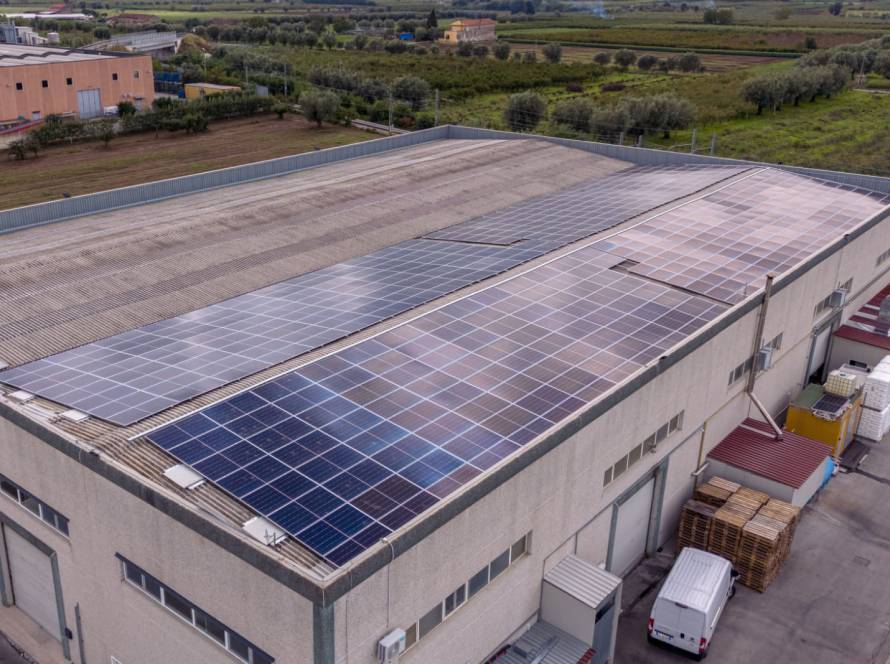
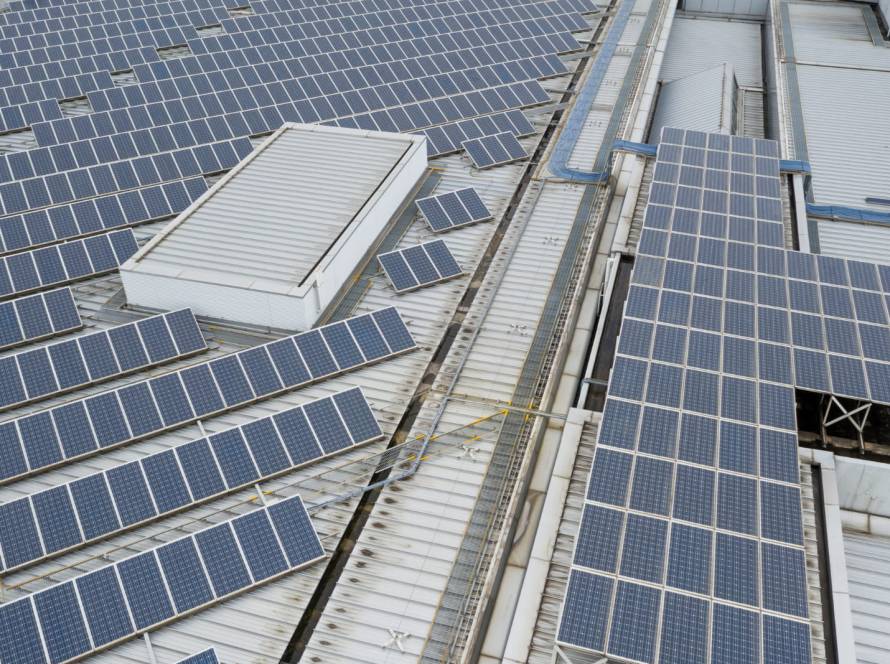
Commercial solar is rapidly becoming one of the most important investments South African manufacturers can make as electricity prices continue to rise and grid reliability remains uncertain. Factories depend on continuous power to keep production lines moving, protect sensitive equipment, and meet customer deadlines. Choosing between commercial solar and diesel generators is no longer simply a backup power decision. It is a strategic business decision that influences operating costs, productivity, sustainability, and long-term competitiveness.
Many manufacturers have traditionally relied on diesel generators to keep operations running during power outages. While generators remain an essential part of many energy strategies, advances in Solar PV and Battery Energy Storage Systems have created new opportunities to generate reliable electricity on-site. Businesses are increasingly comparing lifetime operating costs, maintenance requirements, and return on investment rather than focusing only on initial purchase prices. This shift is changing how factories approach energy resilience and long-term planning.
Why Factories Are Comparing Commercial Solar With Diesel Generators
Manufacturing facilities consume significant amounts of electricity every day to operate machinery, conveyor systems, refrigeration equipment, robotics, compressed air systems, and warehouse infrastructure. Even brief interruptions can stop production, delay deliveries, increase labour costs, and result in wasted materials. According to the International Energy Agency (IEA), electricity demand from industry continues to grow globally as manufacturing becomes increasingly automated and electrified. For South African businesses operating in an environment of rising electricity tariffs and grid instability, securing dependable power has become essential rather than optional.
At the same time, the economics of energy are changing. Diesel generators provide reliable backup power, but they also introduce ongoing costs through fuel purchases, servicing, repairs, and maintenance. Commercial solar systems require a higher initial investment but generate electricity without continuous fuel costs. Modern Battery Energy Storage Systems further improve reliability by storing excess solar energy for later use, allowing factories to reduce dependence on both the grid and diesel generation during many operating periods.
Many industrial businesses are now adopting hybrid energy strategies rather than viewing diesel generators and commercial solar as competing technologies. Solar provides low-cost daytime electricity, batteries improve resilience during outages and peak demand periods, while generators remain available for extended emergencies. This balanced approach improves operational continuity while reducing long-term energy expenditure and supporting sustainability objectives.
Understanding How Diesel Generators Work
Diesel generators have supported factories for decades because they provide immediate electricity whenever grid power becomes unavailable. Once started, they convert diesel fuel into electrical energy using an internal combustion engine connected to an alternator. As long as sufficient fuel is available, generators can continue supplying power to critical production equipment, making them especially valuable during prolonged outages or emergency situations.
Their relatively low purchase cost compared with large renewable energy systems has historically made generators the preferred backup solution for many industrial businesses. Installation is generally straightforward, and modern systems can start automatically whenever a power interruption occurs. This immediate response helps manufacturers avoid costly production stoppages while maintaining essential operations.
Key Characteristics of Diesel Generators
- Immediate backup power during outages
- Lower upfront purchase cost than many renewable energy systems
- Suitable for extended outages while fuel is available
- Automatic or manual starting options
- Well suited for emergency power applications
- Can support high industrial loads
- Widely used across manufacturing, mining, agriculture, and logistics
Despite these advantages, diesel generators create ongoing operational commitments that extend far beyond their purchase price. Every operating hour consumes fuel, while engines require scheduled oil changes, filter replacements, cooling system maintenance, and periodic repairs. Fuel storage, transportation, and security also increase operating complexity. As diesel prices fluctuate, budgeting becomes increasingly difficult, particularly for factories that experience frequent load shedding or extended periods of generator operation.
Maintenance also plays a significant role in long-term ownership costs. Mechanical components naturally wear over time, and inadequate servicing can lead to reduced reliability or unexpected failures when backup power is needed most. For this reason, many manufacturers now evaluate diesel generators based on total lifecycle costs rather than purchase price alone, recognising that fuel and maintenance often exceed the original capital investment over the equipment’s lifespan.
How Commercial Solar Systems Operate
Commercial solar systems generate electricity by converting sunlight into usable electrical energy through photovoltaic panels. The electricity can either be consumed immediately by factory operations, stored in Battery Energy Storage Systems for later use, or supplied alongside electricity from the utility grid. Unlike diesel generators, solar systems generate electricity without burning fuel, allowing businesses to reduce operating costs while improving long-term energy independence.
Modern commercial solar systems can be configured in several ways depending on operational requirements. Grid-tied systems work alongside the national electricity network to reduce purchased electricity, while hybrid systems combine Solar PV with battery storage to improve resilience during outages and reduce expensive peak demand charges. Off-grid systems operate independently of the utility network and are commonly used at remote industrial facilities where grid access is limited or unavailable.
Main Features of Commercial Solar Systems
- Generate renewable electricity from sunlight
- Available as grid-tied, hybrid, or off-grid systems
- Can integrate with Battery Energy Storage Systems
- Produce electricity without fuel consumption
- Lower long-term operating costs
- Require relatively little routine maintenance
- Can be expanded as energy demand increases
One of the greatest advantages of commercial solar is its predictability. Once installed, electricity generation is no longer directly affected by fuel price fluctuations, allowing businesses to forecast future energy costs with far greater confidence. Solar systems also have relatively few moving parts, reducing maintenance requirements compared with conventional engine-driven generation equipment.
Battery Energy Storage Systems significantly enhance the value of commercial solar by allowing factories to store surplus electricity generated during the day and use it later when production continues after sunset or during periods of grid instability. This increases solar self-consumption, improves operational resilience, and helps businesses maximise the return on their renewable energy investment.
Commercial Solar Versus Diesel Generators: Comparing Long-Term Costs
Although diesel generators generally require a smaller upfront investment, the purchase price represents only a fraction of the total ownership cost. Every hour of operation requires fuel, while ongoing expenses include servicing, oil changes, filter replacements, replacement parts, and periodic repairs. Fuel storage, transportation, and theft prevention also contribute to operating costs. As diesel prices continue to fluctuate, factories often find it increasingly difficult to predict long-term energy expenditure and maintain accurate operating budgets.
Commercial solar follows a different financial model. While the initial investment is higher, the ongoing costs are considerably lower because electricity is generated directly from sunlight rather than purchased fuel. Routine maintenance mainly involves periodic inspections, cleaning, firmware updates, and system monitoring. Once installed, commercial solar provides manufacturers with more predictable energy costs while reducing exposure to future electricity tariff increases and volatile fuel prices.
Several industry studies have shown that the total cost of ownership becomes increasingly important when evaluating energy infrastructure. The International Renewable Energy Agency (IRENA) consistently reports that the cost of electricity generated from solar photovoltaics has fallen significantly over the past decade, making solar one of the most cost-effective new sources of electricity worldwide. For manufacturers planning to operate facilities for decades, evaluating lifetime operating costs rather than purchase price provides a far more accurate picture of overall value.
How Commercial Solar Improves Manufacturing Productivity
Reliable electricity is fundamental to efficient manufacturing. Production lines, robotics, refrigeration systems, quality control equipment, conveyors, and warehouse automation all depend on stable power to operate efficiently. Commercial solar helps factories reduce interruptions caused by grid instability while providing greater control over their own energy supply. When combined with Battery Energy Storage Systems, factories can continue operating through many scheduled outages without immediately relying on diesel generation.
Improved energy reliability also supports better production planning. Rather than adjusting manufacturing schedules around uncertain electricity availability, businesses can operate with greater confidence, reducing delays, minimising overtime, and maintaining delivery commitments. Stable power also protects sensitive machinery from voltage fluctuations that may shorten equipment lifespan or lead to expensive repairs.
Ways Commercial Solar Supports Manufacturing
- Reduces production interruptions caused by power outages
- Improves equipment reliability through more stable electricity
- Supports continuous operation during load shedding when combined with battery storage
- Reduces dependence on diesel generators
- Improves production scheduling certainty
- Protects sensitive industrial equipment
- Lowers operating costs over time
The World Bank estimates that unreliable electricity remains one of the largest operational constraints facing businesses in many developing economies. Production interruptions not only reduce output but also increase labour costs, delay customer deliveries, and create unnecessary waste. By strengthening energy resilience, commercial solar helps manufacturers maintain higher productivity while reducing many of these avoidable operational risks.
Hybrid Energy Systems Often Deliver the Best Results
Rather than replacing diesel generators completely, many South African factories now combine commercial solar, Battery Energy Storage Systems, and existing generators into integrated hybrid energy systems. Each technology performs the role where it delivers the greatest value. Solar produces low-cost electricity during daylight hours, batteries store surplus energy for later use, and diesel generators remain available for prolonged outages or periods when electricity demand temporarily exceeds stored capacity.
This layered approach significantly reduces diesel runtime while maintaining the reliability manufacturers require. Batteries can automatically supply electricity during shorter outages or expensive peak demand periods, allowing generators to operate only when absolutely necessary. This reduces fuel consumption, lowers maintenance requirements, and extends generator lifespan because engines accumulate fewer operating hours over their service life.
Hybrid systems also provide greater flexibility as business requirements evolve. Additional solar panels or battery capacity can often be added without replacing the entire installation, allowing factories to expand renewable generation alongside future production growth. This scalability helps manufacturers build an energy strategy that supports both current operations and long-term expansion while maintaining resilience against future electricity price increases and grid uncertainty.
Factors Factories Should Consider Before Choosing Commercial Solar
Selecting the right commercial solar system begins with understanding how a factory actually uses electricity. Every manufacturing facility has different operating hours, production schedules, machinery, seasonal demand patterns, and expansion plans. A detailed energy assessment helps determine the most appropriate Solar PV capacity, battery storage requirements, and level of grid integration needed to achieve the greatest operational and financial benefits.
Factories should also consider the role backup power will continue to play within their overall energy strategy. While many operations can significantly reduce diesel consumption through commercial solar and battery storage, some facilities with critical continuous processes may still require generators as a secondary backup during unusually long outages. Careful system design ensures that each technology complements the others rather than operating independently.
Factors to Evaluate Before Investing in Commercial Solar
- Current electricity consumption and load profile
- Production schedules and operating hours
- Peak electricity demand
- Available roof or ground space
- Existing generator infrastructure
- Battery storage requirements
- Future business expansion plans
- Financing options and return on investment
- Long-term maintenance requirements
- Sustainability and ESG objectives
Looking beyond today’s electricity bills is equally important. Manufacturers should evaluate how rising utility tariffs, fuel price volatility, future production growth, and changing sustainability requirements may affect operations over the next twenty to thirty years. Commercial solar is a long-term infrastructure investment, making careful planning essential for achieving maximum financial and operational value.
Environmental and Operational Benefits of Commercial Solar
Manufacturers are facing increasing pressure from customers, investors, and regulators to reduce their environmental impact while maintaining profitability. Commercial solar helps factories achieve both objectives by generating renewable electricity on-site, reducing reliance on fossil fuels, and lowering greenhouse gas emissions. By producing electricity from sunlight rather than burning diesel, businesses can improve their environmental performance while supporting corporate sustainability and Environmental, Social, and Governance (ESG) commitments.
Beyond reducing emissions, commercial solar also improves day-to-day operational performance. Solar energy systems operate quietly, require relatively little maintenance, and eliminate many of the logistical challenges associated with storing, transporting, and managing diesel fuel. When combined with Battery Energy Storage Systems, businesses gain greater control over how and when electricity is used, allowing them to improve energy efficiency while strengthening resilience against grid instability.
Environmental and Operational Advantages of Commercial Solar
- Reduces greenhouse gas emissions
- Decreases dependence on fossil fuels
- Produces electricity without ongoing fuel consumption
- Operates quietly with minimal disruption
- Requires relatively little routine maintenance
- Improves energy security through on-site generation
- Supports ESG and corporate sustainability objectives
- Reduces exposure to electricity tariff increases
Commercial solar can also improve power quality by helping regulate voltage and frequency variations, particularly when integrated with battery storage. Stable electrical supply helps protect sensitive manufacturing equipment from damage caused by sudden fluctuations, reducing maintenance costs and improving equipment lifespan. Together, these benefits create a more reliable production environment while supporting long-term operational efficiency.
Why Work With Eversolar for Commercial Solar Solutions?
At Eversolar, we develop complete renewable energy solutions that are engineered around the unique operational requirements of every client. We provide integrated Solar PV systems, Battery Energy Storage Systems, turnkey EPC delivery, renewable energy wheeling, solar carports, and ongoing operations and maintenance services. Every project begins with detailed feasibility studies, load profiling, engineering, and system design to ensure the solution delivers dependable performance, measurable energy savings, and long-term operational value.
We work across the commercial, industrial, agricultural, mining, property development, and REIT sectors, delivering scalable renewable energy infrastructure that supports operational continuity while reducing electricity costs. Our flexible financing models, including Power Purchase Agreements, Rent-to-Own Solar, and CAPEX solutions, allow businesses to adopt commercial solar in a way that aligns with their financial objectives without compromising long-term growth. We also provide remote monitoring, preventative maintenance, corrective maintenance, system optimisation, upgrades, and technical support throughout the operational life of every installation.
Our commitment extends well beyond commissioning. We believe long-term partnerships create the greatest value, which is why our multidisciplinary team continues supporting every client through structured maintenance programmes, rapid technical assistance, performance optimisation, and ongoing lifecycle management. By combining engineering expertise with practical industry experience, we help organisations build resilient energy infrastructure that continues delivering reliable performance for decades.
Invest in a Sustainable Future
Commercial solar has become one of the most effective ways for South African factories to improve energy resilience, reduce operating costs, and gain greater control over long-term electricity expenditure. While diesel generators remain valuable for emergency backup and extended outages, relying solely on fuel-powered generation exposes businesses to rising operating costs, maintenance demands, and unpredictable fuel prices. For many manufacturers, combining commercial solar, battery storage, and existing generators provides the strongest balance between reliability, efficiency, and long-term financial performance.
If your factory is evaluating commercial solar as part of its future energy strategy, we can help. At Eversolar, we design and deliver renewable energy solutions that are tailored to your operational requirements, production schedules, and long-term business goals. Contact us today to discuss how we can help your business reduce electricity costs, strengthen energy security, and build a more resilient and sustainable future.
FAQs About Commercial Solar
Is Commercial Solar Better Than Diesel Generators for Factories?
Commercial solar and diesel generators serve different purposes, so one is not always better than the other. Commercial solar generates electricity every day, helping factories reduce grid dependence, lower operating costs, and improve long-term energy security. Diesel generators are designed primarily as emergency backup systems, providing power during outages while fuel is available. Many South African manufacturers now combine both technologies in hybrid energy systems. Solar PV supplies daily electricity, battery storage provides short-term backup, and generators operate only during extended outages. This approach reduces fuel consumption, lowers maintenance costs, and delivers greater operational resilience than relying on diesel generation alone.
Can Commercial Solar Completely Replace Diesel Generators?
Whether commercial solar can replace diesel generators depends on the factory's electricity demand, operating hours, and backup requirements. Many businesses significantly reduce generator usage by installing Solar PV together with Battery Energy Storage Systems. Batteries store surplus electricity generated during the day and supply power during outages or peak demand periods. However, factories with continuous production or operations requiring uninterrupted electricity during prolonged outages may still retain generators as secondary backup. Rather than replacing generators entirely, many businesses adopt hybrid systems that combine solar, batteries, and generators to maximise reliability while reducing fuel costs and improving long-term energy efficiency.
Is Commercial Solar More Cost-Effective Than Diesel Generators?
Commercial solar generally delivers lower lifetime operating costs than diesel generators, despite requiring a higher upfront investment. Diesel generators continually consume fuel and require routine servicing, oil changes, filter replacements, repairs, and ongoing maintenance throughout their lifespan. Commercial solar systems generate electricity from sunlight without fuel costs and require comparatively little routine maintenance after installation. Over many years, these lower operating expenses can produce substantial savings while providing greater certainty over future energy costs. Businesses should compare total ownership costs rather than purchase prices alone when deciding which energy solution offers the strongest long-term financial return.
What Should Manufacturers Consider Before Investing in Commercial Solar?
Before investing in commercial solar, manufacturers should carefully assess their electricity consumption, operating schedules, production processes, peak demand, and future expansion plans. Available roof or ground space, battery storage requirements, existing generator infrastructure, and long-term business objectives should also be evaluated during system design. A detailed energy assessment helps determine the most appropriate Solar PV capacity and identifies opportunities to improve energy efficiency. Businesses should also compare financing options, projected return on investment, maintenance requirements, and expected electricity cost savings to ensure the selected solution supports operational continuity while delivering measurable long-term financial benefits.
How Does Commercial Solar Improve Factory Productivity?
Commercial solar improves factory productivity by providing more reliable electricity, reducing production interruptions, and helping businesses maintain consistent operating schedules. Stable power protects sensitive machinery from voltage fluctuations while reducing the likelihood of unexpected shutdowns that delay manufacturing and increase operating costs. When combined with Battery Energy Storage Systems, commercial solar allows many factories to continue operating during load shedding or short grid outages without immediately relying on diesel generators. Greater energy reliability enables manufacturers to improve production planning, meet delivery deadlines more consistently, reduce equipment downtime, and maintain higher levels of operational efficiency throughout the year.
Why Should Businesses Work With Eversolar for Commercial Solar Projects?
Eversolar provides complete commercial solar solutions designed specifically for commercial, industrial, agricultural, mining, property development, and REIT sectors across Southern Africa. Every project includes feasibility assessments, engineering, procurement, construction, commissioning, and ongoing technical support to ensure reliable long-term performance. In addition to Solar PV and Battery Energy Storage Systems, Eversolar offers flexible financing options including Power Purchase Agreements, Rent-to-Own Solar, and CAPEX solutions to suit different business requirements. Remote monitoring, preventative maintenance, corrective maintenance, and system optimisation help maximise energy production, improve operational resilience, and protect the long-term value of every renewable energy investment.