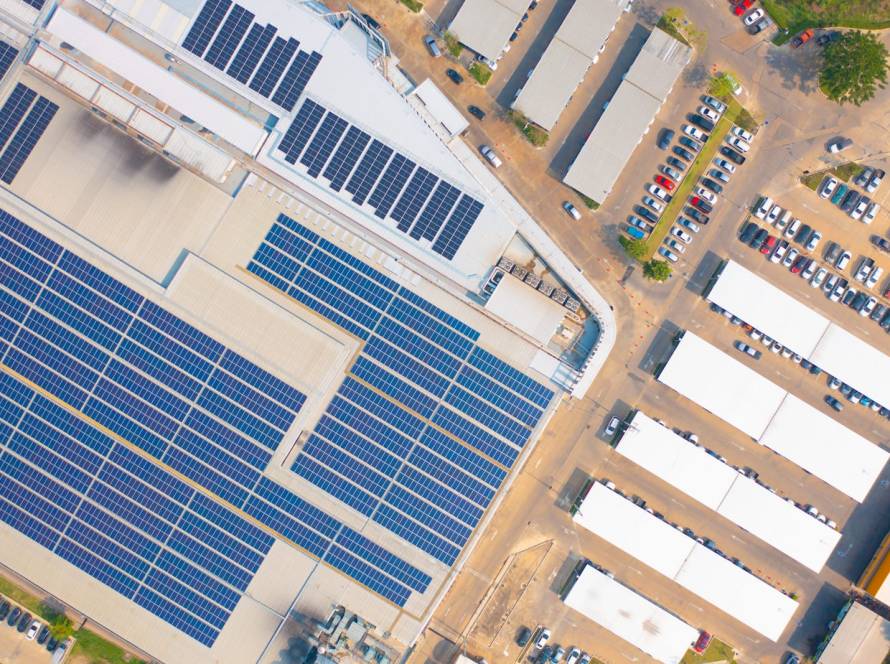
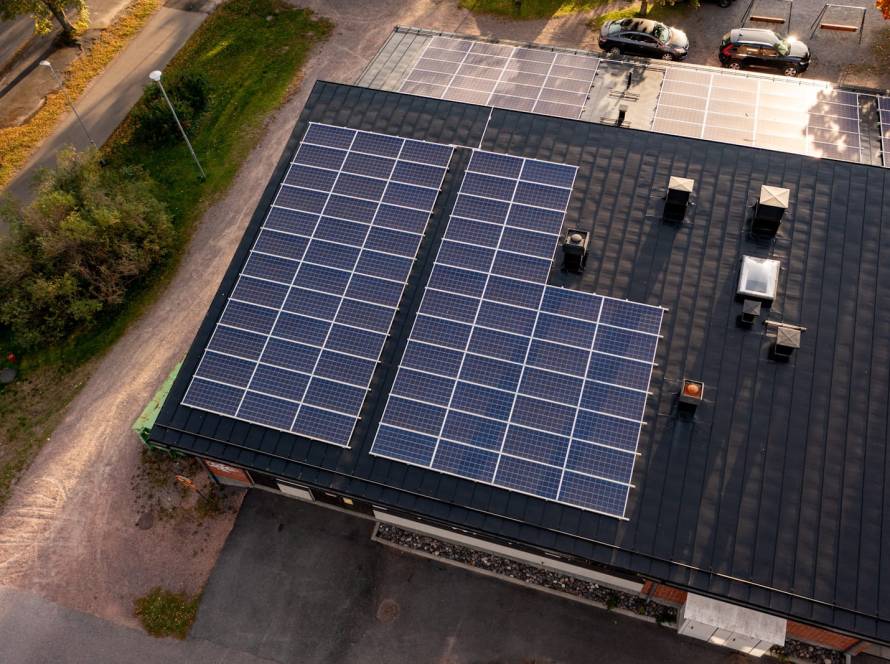
Commercial solar for logistics warehouses has become an increasingly important investment for businesses looking to improve energy efficiency, strengthen operational resilience and better manage long-term electricity costs. Warehouses rely on continuous power to support refrigeration, automated handling systems, security infrastructure, lighting, ventilation and dispatch operations, making energy reliability a critical part of daily performance. Choosing the right commercial solar installer is therefore about far more than purchasing equipment; it requires selecting a partner capable of delivering a safe, well-engineered and scalable energy solution.
A warehouse solar installation should be viewed as a long-term operational asset rather than a once-off construction project. The quality of the initial assessment, engineering design, installation, commissioning and ongoing support will influence system performance for many years. Businesses that understand what to look for when evaluating commercial solar installers are better positioned to maximise the long-term value of their investment.
Why Commercial Solar Matters for Logistics Warehouses
Warehouses are particularly well suited to solar power because many facilities have large roof areas and substantial daytime electricity demand. Electricity generated during daylight hours can be used immediately by lighting, refrigeration, ventilation, conveyor systems and other operating equipment. This relationship between generation and consumption can reduce dependence on electricity purchased from the grid.
When correctly designed, commercial solar for logistics warehouses can also improve energy planning and operational resilience. Solar can help a business manage long-term electricity expenditure and reduce its exposure to unexpected supply disruptions. However, solar panels alone do not normally provide backup during an outage. Continued operation requires suitable controls, compatible inverters and, where necessary, battery storage or another supporting power source.
Understand the Warehouse’s Energy Requirements
A successful commercial solar project begins with a clear understanding of how a warehouse consumes electricity throughout the day, week and year. Warehouses often have complex energy profiles because different systems operate at different times, with refrigeration, lighting, conveyors, charging stations and ventilation equipment each contributing to overall demand. Without analysing these patterns, an installer cannot accurately determine the appropriate system size or predict how much solar energy will be used directly on site.
Understanding present electricity usage is equally important for future planning. Many logistics businesses expand storage capacity, extend operating hours or introduce additional automation as demand grows. A solar installation should therefore be designed with future operational changes in mind, allowing the system to continue supporting the business without requiring unnecessary redesign or costly upgrades soon after commissioning.
Key Areas to Assess
- Monthly and annual electricity consumption
- Daily operating hours
- Peak electricity demand periods
- Seasonal changes in energy usage
- Refrigeration and cold storage requirements
- Conveyor and automation systems
- Forklift and electric vehicle charging
- Ventilation and HVAC systems
- Security and surveillance equipment
- Planned warehouse expansion
- Future automation projects
- Additional electrical loads expected over time
Reviewing these factors provides installers with the information needed to develop a system that reflects actual operating conditions rather than relying on broad assumptions. Accurate energy data also improves production modelling and helps businesses understand how solar generation will interact with their existing electricity consumption.
This detailed assessment reduces the likelihood of undersized or oversized installations while helping warehouse owners prioritise future energy investments. By developing a thorough understanding of operational demand before design work begins, businesses place themselves in a stronger position to maximise the long-term value of commercial solar for logistics warehouses.
Define the Purpose of Commercial Solar for Logistics Warehouses
The business should decide what it expects the system to achieve before selecting an installer. One warehouse may mainly want to reduce daytime electricity purchases, while another may need to protect refrigeration or security equipment during supply interruptions. Other priorities may include lowering peak demand, improving energy predictability or preparing the facility for future expansion.
These objectives have a direct effect on system design. A grid-connected installation intended to reduce consumption differs considerably from a hybrid solution designed to support critical loads. Establishing the purpose of commercial solar for logistics warehouses helps installers recommend the correct combination of panels, inverters, controls and batteries without adding unnecessary equipment.
Look for Large Commercial Project Experience
Commercial warehouse installations involve greater technical and operational complexity than small residential projects. They may require structural engineering, extensive cable routes, specialised electrical protection, lifting equipment and carefully controlled access to operational areas. Businesses should therefore look for installers that can demonstrate experience with projects of a similar size and complexity.
Useful case studies should explain the type of building, the system capacity, the challenges encountered and how the installation was completed without unnecessary disruption. Experience with warehouses, distribution centres, industrial facilities or cold-storage environments is especially valuable because these settings involve vehicle movement, restricted areas and equipment that cannot simply be switched off.
Verify Licensing, Registration and Compliance
A solar installation becomes part of the property’s electrical infrastructure, so the work must be completed and certified by appropriately qualified people. The installer should clearly explain who will design the system, who will complete the electrical work and who will issue the required compliance documentation after testing and commissioning.
Compliance is particularly important when implementing commercial solar for logistics warehouses, as these systems may interact with complex distribution boards, transformers and high electrical loads. Businesses should verify electrical contractor credentials, professional engineering involvement, insurance cover, health and safety procedures, working-at-height controls and the process used to obtain permission from the relevant electricity distributor.
Evaluate Engineering and System Design Capabilities
Every warehouse presents its own structural, electrical and operational challenges, making engineering one of the most important stages of any commercial solar project. Effective system design considers far more than available roof space. Engineers must evaluate structural loading, roof condition, waterproofing, cable routes, electrical infrastructure, equipment placement and long-term maintenance access before determining the most appropriate system layout.
The design process should also ensure that energy production aligns with how the warehouse actually operates. A well-engineered solution balances solar generation, electrical demand and future expansion while maintaining compliance with relevant engineering and electrical standards. Investing sufficient time in professional design work significantly improves long-term system reliability, operational safety and financial performance.
Engineering and Design Considerations
- Structural assessment of the building
- Roof condition and available installation area
- Roof drainage and waterproofing considerations
- Shading analysis
- Solar panel orientation and positioning
- Inverter selection and placement
- Electrical distribution board assessment
- Transformer capacity evaluation
- Cable routing and protection
- Earthing and electrical protection systems
- Monitoring system integration
- Future expansion capability
Considering these engineering factors early in the project reduces the likelihood of unexpected design changes during installation. It also ensures that the completed system performs as intended while remaining safe, accessible and practical to maintain throughout its operational life.
A comprehensive engineering assessment also provides warehouse owners with greater confidence in projected system performance and long-term reliability. Careful design allows commercial solar for logistics warehouses to integrate effectively with existing infrastructure while creating a foundation that can accommodate future operational growth without compromising safety or efficiency.
Customising Commercial Solar for Logistics Warehouses
The total size of a warehouse roof does not represent the amount of space available for panels. Skylights, vents, smoke-control equipment, air-conditioning units, parapets and shaded sections may reduce the usable area. Space must also remain available for maintenance, emergency access and roof inspections.
A customised approach to commercial solar for logistics warehouses should balance maximum energy production with safety, roof protection and practical access. Panel layouts must suit the actual building rather than forcing a standard package onto the property. The design should also allow reasonable scope for future panels, batteries or electrical upgrades where expansion is expected.
Assess Equipment Quality and Local Support
A solar system includes panels, inverters, mounting structures, protection equipment, isolators, cables and monitoring devices. Each component affects safety, reliability and long-term performance. Quotations should therefore provide exact product models and technical specifications instead of vague descriptions such as premium panels or high-quality inverters.
Warranty length should not be the only consideration. The business should establish what each warranty covers, how claims are processed and whether replacement products are readily available locally. An excellent written warranty offers limited practical value when replacement stock, technical expertise or installation support cannot be accessed promptly.
Consider Battery Storage Carefully
Battery storage can support critical equipment, increase the amount of solar energy used onsite or reduce short periods of high electricity demand. However, battery capacity should be selected according to a clearly defined objective. A battery designed to support office systems and security equipment may not be able to start large refrigeration compressors or operate an automated warehouse.
When batteries form part of commercial solar for logistics warehouses, the installer should identify which circuits will receive backup and how long they are expected to operate. The proposal should also address battery placement, ventilation, thermal management, emergency isolation, usable capacity, expected operating life and the conditions attached to the battery warranty.
Plan Installation Around Warehouse Operations
Commercial solar installations must be planned around the daily activities of the warehouse to minimise disruption to productivity, safety and customer service. Loading bays, vehicle movements, dispatch schedules, warehouse staff and automated equipment all continue operating while installation work takes place, making careful coordination essential. A well-developed installation programme helps ensure that construction activities support rather than interrupt normal business operations.
Planning should begin well before equipment arrives on site. The installer should work closely with warehouse management to identify critical operating periods, restricted access areas, health and safety requirements and any activities that could be affected by electrical shutdowns or lifting operations. Early collaboration allows installation work to be phased efficiently while maintaining operational continuity wherever possible.
Installation Planning Priorities
- Review warehouse operating hours
- Identify peak dispatch periods
- Schedule electrical shutdowns carefully
- Coordinate loading bay access
- Manage contractor and vehicle movements
- Protect warehouse staff and visitors
- Secure work areas during installation
- Plan crane and lifting operations
- Protect critical refrigeration systems
- Coordinate access to electrical rooms
- Minimise disruption to warehouse productivity
- Maintain clear communication throughout the project
Careful planning reduces the risk of delays, safety incidents and unnecessary interruptions during construction. It also allows installers and warehouse management to respond proactively if operational priorities change while the project is underway, helping the installation remain on schedule without compromising business activities.
By integrating installation planning with day-to-day warehouse operations, businesses create a safer and more efficient working environment throughout the project. This coordinated approach allows commercial solar for logistics warehouses to be installed with minimal disruption while protecting operational performance and maintaining productivity from project commencement through to commissioning.
Review Monitoring and After-Sales Support
A commercial solar system needs to be monitored after commissioning to ensure that it continues operating as expected. Remote monitoring should allow faults, inverter problems and unusual production patterns to be identified before they cause prolonged energy losses. The service agreement must state who reviews alerts and who is responsible for initiating repairs.
Long-term support is central to successful commercial solar for logistics warehouses because equipment may require inspection, cleaning, testing or replacement over time. The warehouse should understand the preventative maintenance schedule, technical response process, warranty procedure and availability of critical spare parts before signing the installation contract.
Examine Commissioning and Handover Documentation
Installation work should conclude with a structured commissioning process that confirms every part of the system is operating safely and as designed. The installer should test inverters, protection equipment, monitoring systems, emergency shutdown functions and any battery controls before the system enters normal operation. Thorough commissioning also helps identify any issues before they affect day-to-day warehouse activities.
For commercial solar for logistics warehouses, a complete handover is just as important as the installation itself. The warehouse should receive approved designs, as-built drawings, equipment schedules, serial numbers, test records, compliance certificates, warranty documents, operating instructions and maintenance schedules. Staff should also receive practical training on system monitoring, routine inspections and emergency shutdown procedures.
Understand Financing and Return on Investment
Commercial solar projects may be funded through an outright purchase, asset finance, a Power Purchase Agreement (PPA) or a Rent-to-Own Solar arrangement. Each option offers different advantages depending on a business’s financial strategy, ownership preferences and long-term operational goals. Rather than focusing only on upfront costs, businesses should evaluate how each funding model affects cash flow, maintenance responsibilities and future flexibility.
When evaluating commercial solar for logistics warehouses, financial modelling should consider electricity consumption, tariff structures, expected self-consumption, financing costs, maintenance requirements, equipment degradation and future component replacement. Decision-makers should also assess how the financial outcome changes under different operating conditions to gain a realistic understanding of long-term value instead of relying on a single projected payback period.
Compare Commercial Solar Proposals Fairly
Selecting the right commercial solar installer requires more than comparing total project costs. Quotations often vary significantly in what they include, with some covering engineering, monitoring, maintenance, approvals and electrical upgrades while others exclude these important elements. Reviewing proposals in detail helps businesses understand exactly what they are paying for and reduces the likelihood of unexpected costs after work has begun.
A structured comparison also enables decision-makers to assess the long-term value offered by each installer rather than focusing solely on the lowest price. Differences in equipment quality, engineering expertise, warranty coverage, maintenance services and projected energy performance can have a substantial impact on the overall success of the project throughout its operational life.
Compare Every Proposal Against the Same Criteria
- Installed solar capacity
- Expected annual energy generation
- Estimated onsite energy consumption
- Solar panel specifications
- Inverter specifications
- Battery specifications, where applicable
- Structural engineering scope
- Electrical engineering scope
- Grid application responsibilities
- Installation programme and timelines
- Warranties
- Monitoring systems
- Preventative maintenance
- After-sales support
- Future expansion capability
- Items specifically excluded from the quotation
Comparing proposals against the same set of criteria allows businesses to identify meaningful differences that may not be immediately obvious. It also encourages more informed discussions with potential installers and helps clarify assumptions before contracts are signed, reducing the risk of misunderstandings during project delivery.
Taking this structured approach allows businesses to compare commercial solar for logistics warehouses on overall quality, technical capability and long-term support instead of headline pricing alone. This improves decision-making and increases the likelihood of selecting a partner capable of delivering reliable performance and lasting operational value.
Questions to Ask Before Choosing an Installer
Selecting a provider of commercial solar for logistics warehouses should involve detailed discussions about technical capability, project management, engineering expertise and long-term support. The installer’s answers should be clear, specific and supported by evidence so that expectations are fully understood before any contract is signed.
Important questions include whether the installer has completed similar warehouse projects, how the proposed system was sized, who will complete the structural and electrical designs, what approvals are required before connection, which equipment models will be supplied, how projected energy generation has been calculated, what warranties are included, how warehouse operations will be managed during installation, what maintenance services are provided, how faults will be handled, whether future expansion is possible and which documents will be supplied during project handover.
Prioritise Long-Term Value Over the Lowest Quote
Choosing the lowest quotation can sometimes lead to higher costs over the life of the system. A proposal may appear more affordable because it excludes engineering assessments, monitoring, maintenance, structural work or after-sales support. In some cases, lower-quality equipment or rushed installation practices can result in reduced energy production, unexpected repairs or operational disruption that outweigh any initial saving.
The long-term success of commercial solar for logistics warehouses depends on selecting an installer that delivers quality workmanship, reliable equipment, comprehensive support and the technical expertise needed throughout the system’s lifecycle. Businesses should evaluate overall value rather than purchase price alone, recognising that a dependable long-term partner is better positioned to support future system expansion, ongoing optimisation and reliable performance.
Best Commercial Solar Installers for Logistics Warehouses in South Africa
Choosing the right commercial solar installer is about far more than finding a company that can supply and install solar panels. Logistics warehouses require integrated energy solutions that support demanding operations, minimise disruption during installation and continue delivering reliable performance long after commissioning. The ideal provider should be capable of managing every stage of the project, from engineering and system design through construction, commissioning, monitoring and long-term optimisation. Selecting a partner with this level of capability helps ensure that the solar investment continues supporting operational efficiency as warehouse requirements evolve.
Businesses should also consider whether an installer offers solutions that extend beyond the initial installation. Flexible financing, battery integration, preventative maintenance and ongoing technical support can significantly influence the long-term success of a project. Warehouses that choose an experienced provider with comprehensive commercial capabilities are generally better positioned to maximise energy savings, improve resilience and maintain consistent operational performance for many years.
What to Look for in a Commercial Solar Partner
- Experience delivering large-scale warehouse and industrial solar projects
- Solar PV systems designed around operational energy requirements
- Battery Energy Storage Systems (BESS) for improved resilience and energy management
- Full Engineering, Procurement and Construction (EPC) project delivery
- Grid-tied, hybrid and off-grid commercial solar solutions
- Flexible financing through Power Purchase Agreements (PPA)
- Rent-to-Own Solar options
- Comprehensive project management and commissioning
- Remote system monitoring
- Preventative maintenance programmes
- Ongoing technical support
- Long-term system optimisation
- Scalable solutions that accommodate future business growth
At Eversolar, we provide each of these capabilities as part of our commercial solar offering. We design and install Solar PV systems, Battery Energy Storage Systems (BESS) and complete EPC solutions that are tailored to the operational requirements of logistics warehouses and other commercial facilities. Our grid-tied, hybrid and off-grid systems are supported by flexible financing options, including Power Purchase Agreements (PPA) and Rent-to-Own Solar, enabling businesses to adopt renewable energy in a way that aligns with their financial objectives. We also provide remote monitoring, preventative maintenance and ongoing technical support to help maintain reliable long-term system performance.
Our approach extends beyond installation by focusing on long-term partnerships with every client. We work closely with businesses to optimise system performance, support future expansion and ensure each solution continues delivering measurable operational and financial value throughout its lifecycle. By combining engineering expertise, quality equipment and comprehensive after-sales support, we help organisations implement commercial solar for logistics warehouses with confidence while building resilient energy infrastructure that supports continued business growth.
Choose a Solar Partner That Understands Warehousing
Commercial solar for logistics warehouses delivers the greatest value when every stage of the project is planned around the operational requirements of the facility. From understanding electricity demand and designing the system to managing installation, commissioning and ongoing maintenance, each decision contributes to long-term energy performance, operational reliability and future business growth. Selecting an experienced commercial installer helps ensure that the system continues supporting warehouse operations safely and efficiently throughout its lifecycle.
At Eversolar, we work closely with businesses to understand their operational goals before recommending the most appropriate commercial solar solution. Our integrated approach combines engineering expertise, flexible commercial solutions, professional project delivery and long-term technical support to help warehouses build resilient, efficient energy infrastructure. Contact us to learn how we can tailor a commercial solar solution to meet the specific needs of your logistics warehouse.
FAQs
Why is commercial solar for logistics warehouses becoming so popular?
Commercial solar for logistics warehouses is becoming increasingly popular because warehouses typically consume large amounts of electricity throughout the day while also offering extensive roof space suitable for solar panel installations. By generating electricity onsite, businesses can reduce their reliance on grid power, improve energy cost predictability and strengthen operational resilience. Solar systems can also support sustainability objectives and prepare warehouses for future energy demands as automation and electric vehicle charging become more common. When professionally designed and maintained, commercial solar installations provide a long-term energy solution that helps businesses improve efficiency while supporting reliable day-to-day warehouse operations.
How do I choose the best installer for commercial solar for logistics warehouses?
Choosing the right installer involves much more than comparing prices. Businesses should evaluate an installer's experience with large commercial and industrial projects, engineering capabilities, electrical expertise, project management processes and long-term support services. It is also important to review previous warehouse installations, warranty coverage, maintenance programmes and monitoring capabilities. A professional installer should complete detailed site assessments before recommending a solution and explain how the system has been designed around the warehouse's operational requirements. Selecting an experienced commercial partner generally leads to better system performance, improved reliability and greater long-term value from the investment.
Can commercial solar for logistics warehouses include battery storage?
Yes. Battery Energy Storage Systems (BESS) are frequently incorporated into commercial solar for logistics warehouses where businesses require additional energy resilience or backup power. Batteries can store excess solar energy generated during the day for later use, helping reduce reliance on grid electricity during peak demand periods or power interruptions. The size and configuration of the battery system should be determined according to the warehouse's operational priorities, critical electrical loads and expected backup duration. A properly designed battery solution can improve operational continuity while helping businesses maximise the value of the electricity generated by their solar installation.
What financing options are available for commercial solar for logistics warehouses?
Businesses can fund commercial solar for logistics warehouses through several different financing models depending on their financial objectives. Common options include outright purchase, asset finance, Power Purchase Agreements (PPA) and Rent-to-Own Solar arrangements. Each model offers different benefits relating to ownership, cash flow, maintenance responsibilities and long-term financial planning. Before choosing a financing solution, businesses should carefully evaluate contract terms, ownership arrangements, maintenance obligations and projected long-term costs. Working with an installer that offers flexible commercial financing can make renewable energy more accessible while supporting sustainable operational and financial planning.