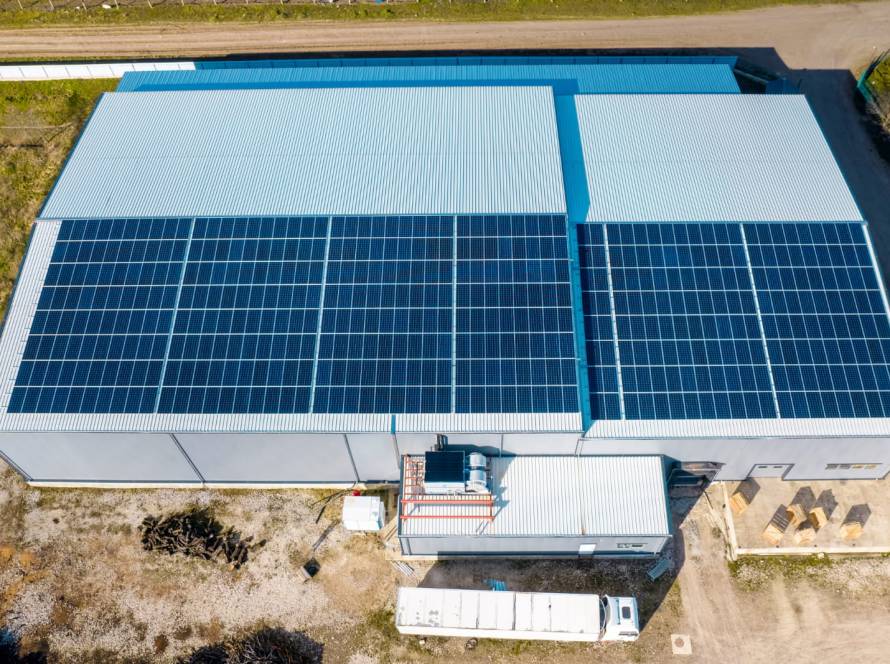
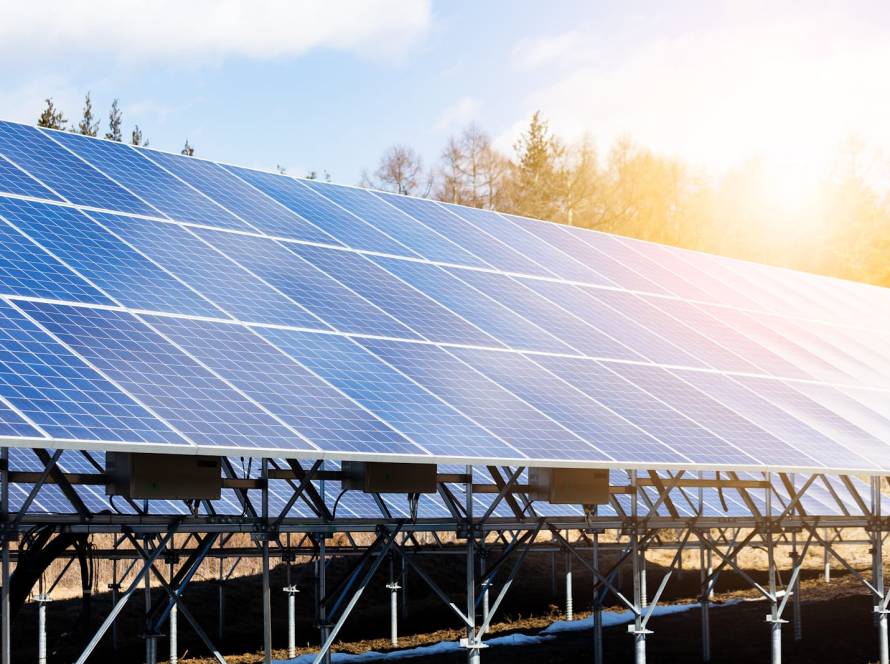
A solar carport is more than a covered place to park a vehicle. It is a smart structure that uses the open space above parking bays to generate clean electricity while providing protection from sun, rain, hail and other weather conditions. For homes, businesses, farms, schools, shopping centres and industrial sites across South Africa, this approach transforms ordinary parking areas into productive energy assets that support both operational efficiency and long-term sustainability goals.
Many properties already have large parking areas that receive consistent sunlight throughout the day. Rather than leaving this valuable space underutilised, a well-designed solar carport can generate renewable energy while preserving valuable land and roof space. As businesses continue to look for practical ways to improve energy resilience and maximise existing infrastructure, solar carports offer a solution that delivers multiple benefits from a single installation.
What Is a Solar Carport?
A solar carport is an elevated canopy structure fitted with solar panels on top. It works much like a normal carport by shading and protecting vehicles, but it also generates electricity from sunlight. The panels capture solar energy, while an inverter converts that energy into usable power for buildings, lighting, equipment, battery storage or electric vehicle charging points.
Unlike rooftop solar, these structures do not rely on the condition, size or angle of a building’s roof. This makes them useful for properties with older roofs, shaded roofs, limited roof space or roof layouts that do not suit solar panels. Parking areas often provide open, sunny space that can support strong solar performance.
Why a Solar Carport Makes Parking Areas More Valuable
A solar carport helps property owners get more value from land they already use. Parking spaces usually serve only one purpose, but adding solar panels above them creates a second function without needing extra land. This is especially useful for commercial and public properties where open ground space can be limited.
In South Africa, where sunlight is one of the country’s strongest natural resources, using parking areas for solar generation makes practical sense. Businesses can produce power close to where they use it, reduce dependence on the grid and improve the way their sites function every day.
- Turns existing parking bays into energy-generating infrastructure.
- Reduces the need to use extra land for solar installations.
- Helps preserve valuable roof space for other building requirements.
- Adds practical value by combining parking, shade and electricity generation.
- Supports commercial, industrial, agricultural and public property layouts.
- Makes better use of sunny outdoor areas that may otherwise sit underused.
This added value comes from using the same physical footprint for more than one purpose. A normal parking area takes up space but does not actively support the building’s energy needs. When solar panels sit above that same area, the property starts producing power from space that already exists.
For businesses, this can improve the long-term usefulness of the site. Parking areas become part of the energy strategy rather than just a convenience for vehicles. This makes the property more functional, more efficient and better prepared for future energy needs.
How a Solar Carport Generates Electricity
A solar carport uses photovoltaic panels to convert sunlight into direct current electricity. An inverter then changes this into alternating current electricity, which most buildings and electrical systems use. From there, the power can support daily energy needs such as lighting, office equipment, security systems, machinery or charging stations.
If the system produces more electricity than the property needs at a certain time, the extra energy can move into battery storage where suitable. This stored energy can help during peak demand periods, evening use or power interruptions. The exact setup depends on the site, energy goals and electrical design.
Solar Carport Benefits for Vehicle Protection
A solar carport protects vehicles from harsh sun, rain, hail and general weather exposure. In hot areas, shaded parking can keep vehicles cooler during the day, which improves comfort for drivers and passengers. It can also reduce heat build-up inside parked vehicles.
This protection adds everyday value for staff, customers, residents and visitors. For commercial properties, shaded parking can improve the overall user experience. For residential properties, it adds convenience while supporting energy savings at the same time.
- Provides shade during hot South African days.
- Helps protect vehicles from sun exposure and heat build-up.
- Offers shelter from rain, hail and general weather conditions.
- Makes parking areas more comfortable for staff, customers and visitors.
- Improves the everyday experience of arriving at and leaving a property.
- Adds useful infrastructure without removing existing parking functionality.
Vehicle protection may seem like a simple benefit, but it can have a noticeable impact on how people experience a site. Shaded parking makes cars more comfortable to return to, especially during warm afternoons. It also gives customers, employees and visitors a more practical and pleasant parking environment.
For businesses, this matters because parking often forms part of the first impression of a property. A well-designed solar carport can make outdoor areas feel more organised, useful and professional. It offers practical comfort while also supporting the property’s broader energy goals.
Solar Carport Energy Savings and Cost Control
A solar carport can help reduce electricity use from the grid by producing power on-site. When a property uses the electricity it generates, it can lower monthly energy demand and make energy use more predictable. This can help businesses plan better and manage long-term operating needs.
The savings depend on the size of the system, energy usage patterns, sunlight exposure and how the generated power gets used. Sites that consume electricity during the day often benefit strongly because they can use solar power while the system produces it.
- Generates electricity close to where it is used.
- Helps reduce dependence on grid-supplied electricity.
- Supports more predictable energy planning.
- Can power lighting, offices, equipment, security systems or charging points.
- Works well with battery storage where suitable.
- Helps businesses make better use of daytime solar production.
Energy savings come from matching solar generation with the property’s demand. Many businesses use a large portion of their electricity during daylight hours, which is when solar panels produce power. This makes parking-based solar generation a practical fit for office parks, commercial properties, industrial sites and other busy daytime operations.
A solar carport can also form part of a broader energy strategy. When combined with storage and careful energy planning, it can support peak demand management and improve energy resilience. The result is a system that does more than generate power, because it helps the property use energy in a smarter and more controlled way.
Making Better Use of Underused Space
Many parking areas take up a large part of a property but do not contribute much beyond vehicle storage. Solar carports change that by turning overhead space into a working energy zone. This means a business can improve energy performance without sacrificing parking bays or expanding onto new land.
This approach suits shopping centres, office parks, schools, hospitals, warehouses, farms and industrial sites. Any property with open parking space and good sun exposure may have an opportunity to produce clean energy directly where it is needed.
Supporting Electric Vehicle Charging
A solar carport can work well with electric vehicle charging infrastructure. The same structure that shades vehicles can help supply power to charging points, creating a cleaner and more practical parking environment. This is useful for sites preparing for future transport needs.
For businesses, EV-ready parking can add convenience for staff, clients and visitors. It also helps the property stay adaptable as more people consider electric mobility. Even if EV charging is not installed immediately, planning for it during the carport design stage can make future upgrades easier.
Environmental Benefits of Solar Carports
Solar carports generate renewable electricity, which helps reduce reliance on fossil fuel-based power. This lowers the carbon footprint of a property and supports more responsible energy use. For organisations with sustainability goals, visible solar infrastructure can also show a practical commitment to cleaner operations.
These structures can also reduce heat in parking areas by shading hard surfaces that would otherwise absorb direct sunlight. Cooler parking areas can make outdoor spaces more comfortable and help improve the immediate environment around the property.
- Generate clean electricity from sunlight.
- Reduce reliance on traditional grid power.
- Lower the carbon footprint of a property.
- Support cleaner day-to-day operations.
- Provide visible renewable energy infrastructure.
- Help reduce heat build-up across exposed parking areas.
The environmental value of solar carports comes from their ability to produce renewable energy on-site while improving the use of existing infrastructure. Instead of relying only on electricity supplied from outside the property, businesses can generate some of their own power from available sunlight. This supports a more responsible approach to energy use.
The visible nature of these structures also matters. Because they sit in parking areas, they show employees, customers and visitors that the property owner has invested in practical renewable energy infrastructure. This creates a strong link between everyday site use and cleaner energy generation.
Design, Durability and Long-Term Performance
A solar carport needs strong structural design because it must support solar panels while standing up to wind, rain and daily outdoor exposure. Good planning considers the site layout, vehicle movement, drainage, panel angle, electrical routing and maintenance access.
The design can also support the look and feel of the property. Solar carports can be modern, neat and professional when planned properly. This matters for commercial sites where appearance, safety and functionality all play a role in the customer or visitor experience.
Solar Carports Compared to Rooftop Solar
Rooftop solar remains a useful option, but it does not suit every property. Some roofs lack space, strength, access or the right sun exposure. A solar carport gives property owners another way to install panels without placing extra weight on the roof.
Carports can also be easier to access for maintenance than many rooftop systems. They offer more flexibility in positioning, which can help improve sun exposure. For some properties, the best approach may involve both rooftop solar and solar carports working together.
Key Things to Consider Before Installation
Before installing a solar carport, property owners should assess available parking space, sun exposure, shading, vehicle movement and electrical demand. It is also important to understand how much energy the site uses during daylight hours, as this affects the value of the solar power produced.
The structure should also allow safe access for vehicles and pedestrians. Planning should include drainage, lighting, security, maintenance routes and future expansion. A proper site assessment helps create a system that works practically, not just technically.
What Does Eversolar Offer in Regards to Solar Carports?
At Eversolar, we provide complete solar carport solutions for commercial, industrial, agricultural and mining operations across South Africa. Our solar carports transform existing parking infrastructure into productive energy-generating assets while maintaining full parking functionality and vehicle protection. We design and deliver fully customisable systems that are tailored to each site’s energy requirements, load profile and operational objectives. Whether a client requires a standalone solar carport installation or a solution integrated into a broader solar and battery storage strategy, we develop systems that maximise long-term performance, energy yield and infrastructure value. Our structures are engineered to accommodate photovoltaic modules, electrical infrastructure and site-specific requirements while maintaining high standards of safety, durability and reliability.
We deliver every project through a comprehensive EPC approach, managing feasibility assessments, system design, engineering, procurement, installation, grid connection and ongoing maintenance. Throughout the design process, we consider factors such as foundation requirements, wind exposure, drainage, solar panel orientation, electrical integration and regulatory compliance to ensure optimal system performance. Where suitable, we can also incorporate flexible financing structures to support project implementation. Our team oversees the entire project lifecycle with a focus on minimising disruption to site operations, maintaining clear project timelines and delivering long-term reliability. By combining robust engineering, turnkey project delivery and renewable energy expertise, we help businesses unlock greater value from their parking infrastructure while supporting cost reduction, energy resilience and sustainability objectives.
Unlocking the Full Potential of Solar Carports
A solar carport gives parking areas a much bigger role on a property. Instead of simply providing shelter for vehicles, it can generate clean electricity, support energy savings, improve user comfort and make better use of existing infrastructure. For South African homes and businesses, solar carports represent a practical way to turn underutilised parking spaces into long-term energy assets that contribute to greater efficiency, resilience and sustainability.
By combining renewable energy generation with vehicle protection, solar carports create lasting value without requiring additional land or major changes to existing operations. To explore whether a solar carport is the right fit for your property and energy goals, get in touch with Eversolar for expert guidance and a solution tailored to your site.
FAQs
What is a solar carport and how does it create valuable energy?
A solar carport is a parking canopy fitted with solar panels that generate electricity while providing shelter for vehicles. Unlike a traditional carport, it serves two purposes by protecting parked vehicles and producing renewable energy from sunlight. The electricity generated can power buildings, equipment, lighting systems or electric vehicle charging stations. By turning unused overhead parking space into an energy-generating asset, a solar carport helps property owners make better use of existing infrastructure. This approach creates valuable energy without requiring additional land, making it an efficient and practical solution for homes, businesses and industrial facilities.
How can a solar carport help reduce energy costs?
A solar carport generates electricity directly where it is needed, helping to reduce reliance on grid-supplied power. When a property uses the electricity produced by the solar panels, it can lower overall energy consumption from traditional sources. This can improve energy efficiency and provide greater control over long-term electricity usage. Businesses that consume significant amounts of power during daylight hours often benefit the most because they can use the solar energy as it is generated. Over time, a solar carport becomes a productive energy asset that supports cost control while improving the sustainability of a property.
Why are solar carports considered a smart use of space?
Many parking areas occupy large sections of a property but provide limited value beyond vehicle storage. A solar carport transforms this space into productive infrastructure by generating renewable energy above existing parking bays. This allows property owners to maximise the value of land they already have without affecting normal operations. Unlike some energy projects that require dedicated land, solar carports use space that already exists. This makes them particularly attractive for commercial, industrial and public facilities where available land may be limited. The result is a more efficient property that delivers both practical and energy-related benefits.
How does a solar carport contribute to sustainability goals?
A solar carport produces clean electricity from sunlight, helping to reduce reliance on traditional energy sources. This can lower a property's carbon footprint and support broader sustainability objectives. Because the system generates renewable energy on-site, it allows businesses and property owners to take a more active role in reducing environmental impact. In addition to producing clean power, solar carports provide shade that can reduce heat build-up in parking areas. This combination of energy generation and practical site improvements makes solar carports a visible and effective sustainability initiative for organisations seeking long-term environmental benefits.