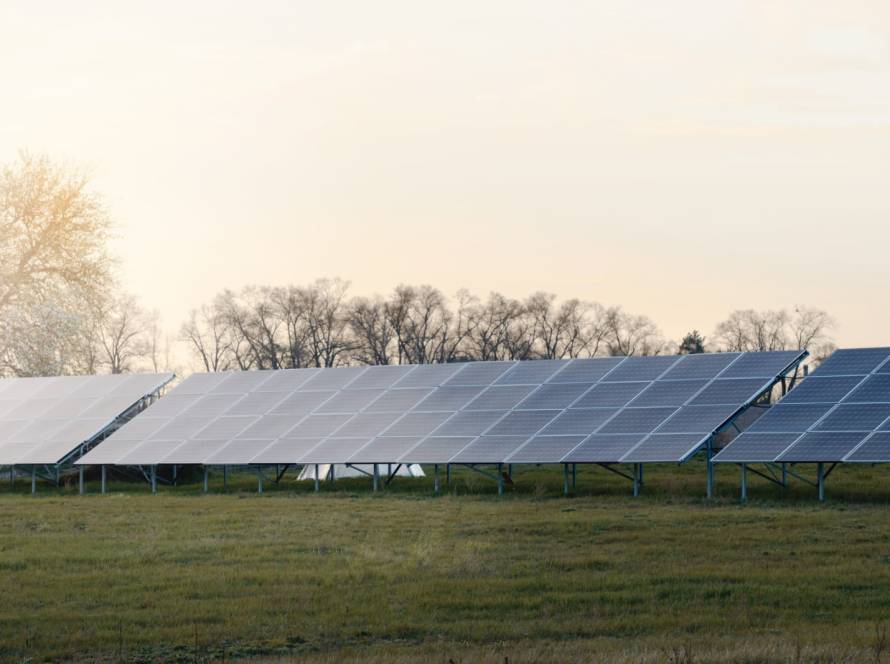
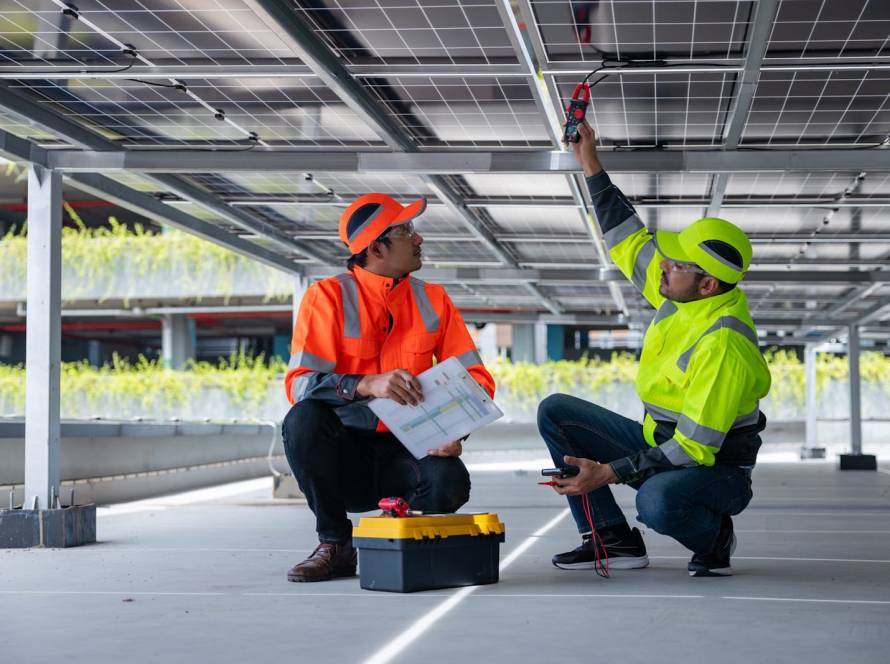
Manufacturing businesses across South Africa face growing pressure to manage electricity consumption more effectively. Commercial solar systems are becoming an increasingly important solution as energy powers every aspect of production, from machinery and conveyor systems to lighting, cooling equipment and automated processes. As electricity usage increases, many plant owners find it more difficult to maintain predictable operating costs and protect long-term profitability.
This is one reason why commercial solar systems have become an increasingly attractive solution for manufacturing facilities. By generating electricity on-site, manufacturers can reduce their reliance on the grid, improve energy stability and gain greater control over one of their largest operational expenses. Beyond lowering electricity costs, solar power supports sustainability objectives and helps businesses build more resilient operations for the future.
Why Commercial Solar Systems Are Well Suited to Manufacturing Plants
Manufacturing facilities have unique energy requirements that make solar power particularly effective. Most factories consume large amounts of electricity during daytime operating hours when production lines, machinery, cooling systems and automated equipment are running at full capacity. This natural overlap between solar generation and electricity demand allows businesses to make the most of the energy they produce.
Another important advantage is the amount of available installation space. Manufacturing plants often have large rooftops, warehouse structures and surrounding areas that can accommodate solar infrastructure without disrupting operations. This allows businesses to generate substantial amounts of electricity while making productive use of existing assets.
Key reasons manufacturing facilities are well suited to solar include:
- Daytime operating schedules align with solar generation
- Large roof areas provide installation opportunities
- Consistent energy demand improves solar utilisation
- High electricity consumption increases savings potential
- Existing infrastructure supports scalable energy projects
- Long-term operations benefit from predictable energy production
These factors create an ideal environment for renewable energy adoption. Unlike some industries where electricity demand fluctuates significantly throughout the day, manufacturing plants often maintain steady consumption patterns. This allows solar systems to offset a meaningful portion of electricity usage and deliver consistent performance.
The combination of high energy demand, available installation space and long operating hours helps manufacturers maximise the value of their investment. As a result, many facilities view solar energy not simply as an environmental initiative but as a practical strategy for improving operational efficiency and reducing long-term electricity costs.
How Commercial Solar Systems Reduce Electricity Costs
For many manufacturers, electricity represents one of the largest ongoing operating expenses. Rising utility costs can place significant pressure on budgets and make it difficult to forecast future expenditure accurately. Businesses therefore continue searching for ways to gain greater control over energy spending while maintaining production targets.
This is where commercial solar systems provide a measurable advantage. By generating electricity directly on-site, manufacturers can reduce the amount of energy purchased from the grid during production hours. This creates immediate operational benefits while supporting long-term financial planning.
Solar energy can help reduce costs through:
- Lower monthly electricity consumption from the grid
- Reduced peak demand charges
- Improved energy efficiency
- Greater protection against tariff increases
- Increased self-generation of electricity
- More predictable long-term energy expenditure
The financial impact extends beyond simple electricity savings. Facilities that generate a portion of their own power gain greater certainty around future operating costs and become less vulnerable to fluctuations in utility pricing. This helps improve budgeting accuracy and supports stronger financial decision-making.
Over time, these benefits contribute to a more resilient business model. Manufacturers can redirect savings towards expansion, equipment upgrades or other operational priorities rather than absorbing increasing energy costs. This makes solar energy a valuable long-term asset for many industrial operations.
Long-Term Energy Stability for Manufacturing Operations
Electricity costs can fluctuate over time, making financial planning increasingly difficult for manufacturers. Businesses that rely entirely on grid electricity remain exposed to changing tariffs and energy market conditions. This uncertainty can affect budgeting, forecasting and overall operational planning.
Solar energy provides a level of stability that many manufacturers value. Once installed, the system continues generating electricity for decades with relatively low maintenance requirements. This creates a more predictable energy environment and allows business owners to focus on growth rather than constantly adjusting for rising electricity expenses.
Choosing the Right Commercial Solar Systems for Industrial Facilities
Not all solar installations are the same. Manufacturing plants have unique energy requirements that require careful planning and engineering. A successful solar project begins with a detailed assessment of the facility’s electricity consumption patterns, operational schedules and available installation space.
System designers should evaluate roof condition, structural capacity, shading factors and future expansion plans. Manufacturing businesses often increase production capacity over time, so the solar installation should support long-term growth. Proper planning helps ensure that the system delivers consistent performance and maximises long-term value.
Key Components That Influence Performance
Several factors determine how effectively a solar system performs within a manufacturing environment. High-quality solar panels, reliable inverters, robust mounting systems and advanced monitoring technology all contribute to long-term efficiency.
Modern monitoring systems allow facility managers to track electricity generation in real time. This visibility helps identify performance issues quickly, optimise energy consumption and ensure the system continues operating at peak efficiency. Combined with routine inspections, these technologies help manufacturers achieve reliable long-term energy production.
Sustainability Benefits of Commercial Solar Systems
While reducing electricity costs remains a primary objective, sustainability has become increasingly important for manufacturing businesses across South Africa. Many organisations are seeking practical ways to reduce their environmental impact while maintaining productivity and competitiveness within their industries.
Solar energy provides an effective solution because it integrates directly into existing operations without requiring major production changes. Businesses can continue manufacturing as normal while benefiting from cleaner electricity generation and improved energy management.
Sustainability benefits include:
- Lower carbon emissions
- Reduced reliance on conventional electricity sources
- Support for environmental targets
- Improved sustainability reporting
- Stronger stakeholder confidence
- Better alignment with renewable energy initiatives
These benefits often extend beyond the facility itself. Customers, investors and supply chain partners increasingly value organisations that demonstrate a commitment to responsible energy management. Renewable energy adoption can therefore strengthen business relationships and support long-term growth objectives.
Solar energy also contributes to broader sustainability goals by helping manufacturers reduce indirect emissions associated with electricity consumption. For businesses pursuing environmental targets, renewable energy often represents one of the most practical and measurable ways to make meaningful progress.
Supporting Net-Zero and Energy Management Goals
Many manufacturing businesses are working towards reducing their environmental impact through measurable energy management strategies. Solar power represents one of the most practical ways to lower indirect emissions associated with electricity consumption.
Unlike many sustainability initiatives that require major operational changes, solar energy integrates directly into existing manufacturing processes. Production can continue as normal while the business benefits from cleaner energy generation and improved operational efficiency. This makes solar an effective starting point for companies pursuing long-term sustainability objectives.
What Manufacturing Plants Should Evaluate Before Installing Solar
Before investing in solar energy, manufacturers should carefully assess their current energy profile. Understanding when and how electricity is consumed allows businesses to design a system that aligns with operational requirements and delivers the greatest benefit.
Key considerations include production schedules, equipment energy demand, available roof space, structural integrity, shading conditions and future facility expansion plans. Businesses should also consider utility interconnection requirements and long-term maintenance strategies when evaluating potential installations.
The Importance of Professional System Design
Industrial facilities require more than a standard solar installation. Manufacturing operations often depend on stable and reliable power to support sensitive equipment and continuous production processes. Proper engineering helps ensure the solar system integrates safely and effectively with the facility’s electrical infrastructure.
Experienced solar specialists conduct detailed assessments before recommending a solution. This process helps identify opportunities to improve performance, increase efficiency and support future operational needs. A carefully engineered system is more likely to deliver consistent results throughout its lifespan.
Case Study: How Solar Helped a Manufacturing Plant Regain Control of Energy Costs
A manufacturing plant operating multiple production lines found itself facing increasingly difficult electricity challenges. The facility relied on a large number of machines, compressors, cooling systems and automated equipment that consumed substantial amounts of power every day. Despite efforts to reduce operating hours where possible and improve efficiency across departments, electricity costs continued rising. Budget forecasting became increasingly difficult, and energy expenses started placing pressure on overall operational planning.
While speaking with several industry colleagues, the plant owner noticed that many manufacturers had adopted solar energy systems. Curious about whether solar could offer a solution, he began researching how solar installations work within manufacturing environments. He explored how factories use solar energy during daytime production, examined how systems integrate with existing infrastructure and looked into the factors that influence long-term performance. His goal was to understand the technology thoroughly before making any decisions.
After evaluating the information available and consulting with industry professionals, the owner concluded that solar offered a practical way to reduce dependence on grid electricity while improving long-term cost predictability. He discovered that a properly designed system could align with the plant’s daily operating schedule and support future production growth. By moving forward with a solar solution, he positioned the facility to gain greater control over electricity consumption, strengthen operational resilience and improve long-term financial planning.
The Future of Manufacturing Energy Management
Manufacturing facilities are increasingly adopting smarter approaches to energy management as electricity becomes a more strategic operational consideration. Energy efficiency, reliability and sustainability are no longer treated as separate objectives. Instead, businesses are integrating these priorities into a single long-term energy strategy designed to improve competitiveness and operational resilience.
As renewable energy technologies continue to evolve, manufacturers have greater opportunities to optimise how electricity is generated, stored and consumed. Businesses that proactively adopt modern energy solutions place themselves in a stronger position to manage future demands while maintaining efficient and cost-effective operations.
Future manufacturing energy trends include:
- Increased adoption of solar energy
- Greater use of Battery Energy Storage Systems (BESS)
- Improved energy monitoring and management
- Higher levels of energy self-sufficiency
- Smarter integration of production and energy systems
- Stronger focus on sustainability performance
These developments are helping manufacturers gain more visibility into energy consumption and identify opportunities for efficiency improvements. Better access to energy data enables more informed decision-making and allows businesses to maximise the value of their energy infrastructure.
As production facilities continue to modernise, renewable energy will play an increasingly important role in supporting operational stability and long-term growth. Businesses that invest in energy resilience today will be better positioned to adapt to future industry requirements and changing operational demands.
Which Commercial Solar Systems Are Best for Reducing Electricity Costs in Manufacturing Plants?
Manufacturing facilities require energy solutions that can support demanding production schedules while delivering measurable cost savings. Selecting the right solar configuration depends on factors such as electricity consumption patterns, operational requirements, site conditions and long-term growth plans. The most effective solution is one that aligns closely with the facility’s energy profile while providing flexibility for future expansion.
At Eversolar, we deliver integrated renewable energy solutions designed specifically to address the challenges faced by commercial and industrial operations. By combining Solar PV, Battery Energy Storage Systems (BESS), EPC expertise and flexible financing options, we help manufacturers reduce electricity costs while improving operational reliability and long-term energy resilience.
Our commercial and industrial solar solutions include:
- Grid-Tied Solar Systems
- Hybrid Solar Systems
- Off-Grid and Microgrid Systems
- Solar PV and BESS Integration
- Full EPC Project Delivery
- Remote Performance Monitoring
- Flexible PPA and Rent-to-Own Solar Options
At Eversolar, our commercial solar solutions are designed to help businesses improve energy independence while reducing operating expenses. Our grid-tied systems allow manufacturing facilities to offset electricity consumption while maintaining seamless access to the grid when required. For businesses seeking greater flexibility, our hybrid systems combine Solar PV and BESS to store excess solar energy, reduce peak demand charges and provide reliable power during outages. We also offer off-grid solutions for facilities requiring greater energy independence, helping businesses maintain operational continuity while reducing dependence on conventional energy sources. By combining precision engineering, premium components and end-to-end project delivery, we ensure our commercial systems deliver predictable energy savings and long-term operational value.
We also provide specialised industrial solar solutions engineered for the demanding requirements of manufacturing plants, warehouses, processing facilities and other energy-intensive operations. Our grid-tied industrial systems help facilities offset significant electricity costs while supporting uninterrupted production. Our hybrid solutions maximise self-consumption and energy storage capabilities, making them ideal for operations with fluctuating energy demands or critical production lines. For remote facilities or sites seeking complete energy independence, our off-grid and microgrid systems integrate Solar PV, BESS and advanced energy management technologies to ensure reliable power supply. Through comprehensive EPC services, ongoing system optimisation, preventive maintenance and long-term technical support, we help manufacturers reduce electricity costs while strengthening operational efficiency, sustainability performance and energy resilience.
These solutions allow manufacturers to develop an energy strategy that aligns with both operational requirements and long-term business objectives. Rather than relying solely on grid electricity, businesses can create a more balanced energy model that supports production reliability, cost control and future growth.
By choosing the right combination of solar generation, energy storage and intelligent energy management, manufacturing facilities can significantly improve financial predictability while reducing exposure to rising electricity costs. This positions businesses for greater stability and long-term success in an increasingly energy-conscious operating environment.
Why Solar Energy Is a Smart Investment for Manufacturing Plants
Commercial solar systems have become one of the most effective solutions for manufacturing plants looking to reduce electricity costs, improve energy stability and support long-term operational goals. By generating electricity on-site, manufacturers can lower dependence on the grid, reduce exposure to changing electricity costs and create a more predictable energy strategy for the future.
For manufacturing businesses looking to strengthen operational efficiency and gain greater control over electricity consumption, solar energy offers a practical and sustainable path forward. If you would like to explore how a tailored solar solution can support your facility, get in touch with Eversolar to discuss your energy requirements and discover the right approach for your manufacturing plant.
FAQs
How do commercial solar systems help reduce electricity costs for manufacturing plants?
Commercial solar systems reduce electricity costs by generating power directly on-site, allowing manufacturing plants to rely less on electricity supplied by the grid. Since factories often operate during daylight hours when solar production is highest, they can use a significant portion of the electricity generated in real time. This reduces monthly utility consumption and helps lower demand charges during peak operating periods. Over time, manufacturers gain greater control over energy expenses and improve budget predictability. Solar energy also protects businesses from future electricity tariff increases, making it a practical long-term solution for managing operational costs.
Are commercial solar systems suitable for large manufacturing facilities?
Yes, commercial solar systems are particularly well suited to large manufacturing facilities because these operations typically consume significant amounts of electricity throughout the day. Factories often have extensive roof space available for solar panel installations, making it easier to generate substantial amounts of renewable energy on-site. Manufacturing plants also benefit from consistent daytime energy demand, which aligns closely with solar generation. This allows facilities to maximise self-consumption and improve overall system efficiency. With proper design and engineering, solar installations can be scaled to support current production requirements while accommodating future business growth.
How much of a manufacturing plant's electricity usage can solar offset?
The amount of electricity that commercial solar systems can offset depends on factors such as facility size, energy consumption patterns, available installation space, and system design. Many manufacturing plants can offset a significant portion of their daytime electricity usage because solar generation occurs during active production hours. While solar may not replace all electricity requirements, even partial offset can produce meaningful savings. Facilities often experience lower electricity bills, reduced peak demand charges, and improved energy management. A detailed site assessment helps determine the most effective system size and expected energy contribution for each manufacturing operation.
Can commercial solar systems improve energy security for manufacturing plants?
Yes, commercial solar systems can play an important role in improving energy security. By generating electricity on-site, manufacturers reduce their dependence on external energy sources and gain greater control over their power supply. When combined with Battery Energy Storage Systems (BESS), solar installations can provide additional resilience during grid instability or unexpected outages. This helps protect critical production processes and minimise operational interruptions. Improved energy security also supports better business continuity planning and reduces exposure to electricity supply challenges. For many manufacturers, energy resilience is becoming just as important as energy cost savings.