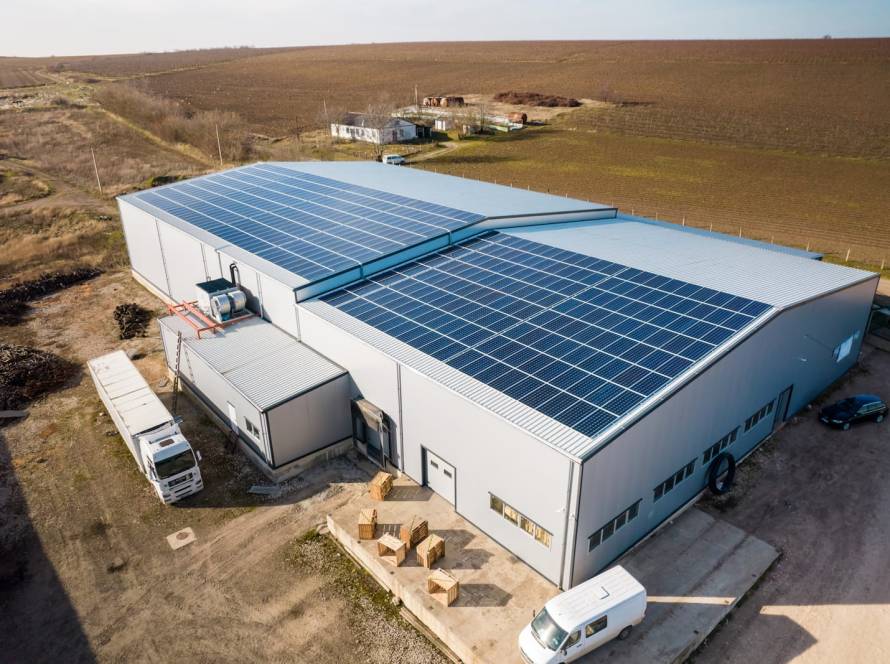
Large warehouses play a vital role in South Africa’s supply chain, logistics, manufacturing, and distribution sectors. These facilities often operate extensive lighting systems, ventilation equipment, refrigeration units, automation technology, and charging infrastructure, all of which require a significant amount of electricity. As energy demands continue to grow, many businesses are turning to commercial solar solutions to improve energy efficiency and reduce reliance on traditional power sources.
Warehouses are uniquely positioned to benefit from solar energy because of their large roof spaces and predictable daytime energy consumption. Modern solar technology allows warehouse owners to transform unused rooftop areas into productive energy-generating assets that support daily operations while contributing to long-term energy resilience.
Why Large Warehouses Are Ideal for Commercial Solar Solutions
Large warehouses possess several characteristics that make them among the most suitable commercial buildings for solar energy generation. Unlike many other property types, warehouses often feature expansive roof areas with minimal obstructions. This provides ample space for solar installations without affecting internal operations or requiring additional land. For businesses looking to improve energy performance, these structural advantages create an ideal foundation for long-term renewable energy generation.
South African warehouses also tend to have consistent daytime electricity demand. Lighting systems, automated equipment, refrigeration units, ventilation systems, and logistics technologies often operate throughout the day. This creates a strong alignment between solar generation and energy consumption, allowing facilities to use a significant portion of the electricity they generate on-site and maximise the effectiveness of commercial solar solutions.
Key reasons warehouses are ideal for solar include:
- Large, open rooftop areas suitable for extensive solar installations
- Minimal shading from surrounding structures
- High daytime electricity consumption
- Consistent and predictable energy demand
- Existing infrastructure that supports large-scale systems
- Ability to generate electricity close to where it is consumed
- Strong potential for future system expansion
These advantages allow warehouse operators to make productive use of otherwise unused roof space. Instead of remaining an idle asset, the rooftop becomes a valuable energy-generating platform that contributes directly to operational efficiency and long-term sustainability objectives.
As warehouse facilities continue to expand across South Africa, the opportunity to integrate solar energy into logistics and distribution operations becomes even more attractive. Facilities with large footprints and long operational lifespans are particularly well positioned to benefit from a carefully designed solar strategy that supports both current and future energy requirements.
Understanding Commercial Solar Solutions for Warehouse Operations
Solar systems for warehouses work by converting sunlight into usable electricity through photovoltaic panels. The electricity generated flows through inverters, which convert it into a form that powers equipment, lighting, and other electrical systems within the facility. Any surplus electricity can be managed through approved grid integration arrangements where applicable.
Modern commercial solar solutions often include advanced monitoring systems that provide real-time insights into energy production and consumption. Facility managers can track system performance, identify trends, and optimise energy usage across operations. This level of visibility helps businesses make informed decisions about their energy management strategies while improving overall efficiency.
Rooftop Solar Systems
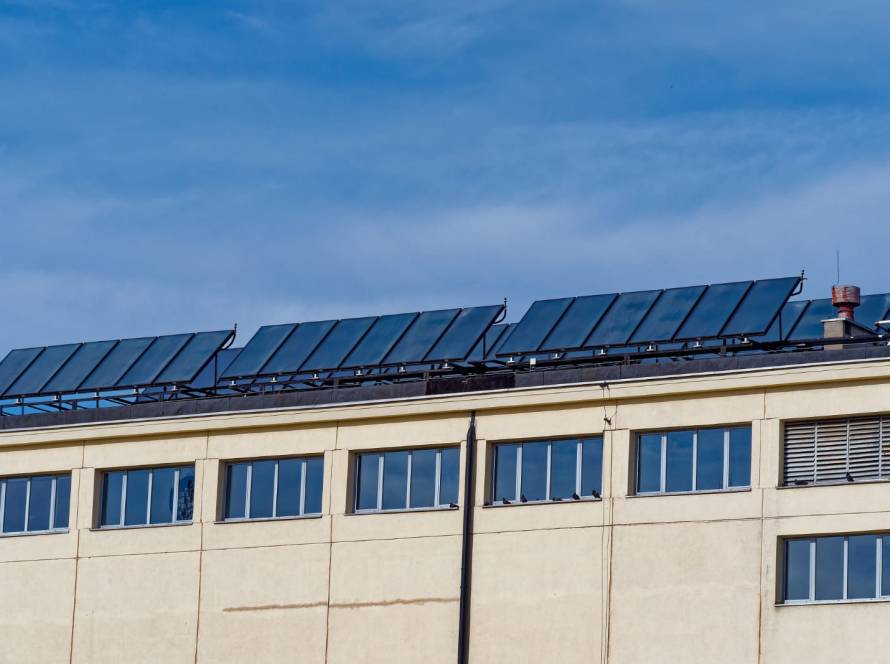
Rooftop solar remains the most popular option for large warehouses because it makes use of existing infrastructure while delivering significant energy generation potential. Large warehouse roofs provide substantial installation space, allowing businesses to deploy systems that can support a meaningful portion of their daily electricity demand. Since no additional land is required, rooftop solar offers an efficient and practical way to integrate renewable energy into warehouse operations.
The design flexibility of rooftop solar systems also allows them to be tailored to different facility requirements. Whether a warehouse operates standard daytime shifts, extended operating hours, or specialised refrigeration equipment, the system can be designed to align with the building’s unique energy profile and operational needs.
Key advantages of rooftop solar systems include:
- Efficient use of existing roof space
- No requirement for additional land
- Scalable system design for future growth
- Reduced dependence on external electricity supply
- Long operational lifespan
- Minimal disruption to warehouse activities
- Strong compatibility with battery storage systems
Because solar panels are installed on existing structures, rooftop systems make efficient use of available infrastructure. This approach allows businesses to unlock the energy-generating potential of assets that would otherwise remain unused.
For large warehouse operators, rooftop solar can form the foundation of a broader energy strategy. When combined with energy monitoring, battery storage, and future expansion opportunities, rooftop systems provide a reliable platform for long-term energy management and operational resilience.
Battery Storage Integration
Battery storage systems complement solar installations by storing excess energy generated during peak sunlight hours. This stored energy can then be used when solar production decreases or during periods of high energy demand.
For warehouses that operate beyond standard daylight hours, battery storage improves energy flexibility and increases the overall value of commercial solar solutions. It also helps smooth out fluctuations in energy consumption and supports operational continuity when needed.
Key Benefits of Commercial Solar Solutions for Large Warehouses
The benefits of solar energy extend far beyond electricity generation. For warehouse operators, solar installations can improve operational efficiency, strengthen energy security, and support long-term sustainability objectives.
Perhaps the most significant advantage is the ability to generate electricity directly where it is consumed. This reduces dependence on external energy sources and improves control over energy management. Warehouses with substantial daytime energy demand often achieve the greatest value because a large percentage of the generated electricity can be used immediately.
Improved Energy Stability
Reliable energy access is essential for modern warehouse operations. Distribution centres, logistics hubs, manufacturing warehouses, and storage facilities all depend on a continuous power supply to support productivity. Interruptions can affect lighting, automated systems, refrigeration equipment, and operational workflows. Solar energy introduces an additional source of electricity that strengthens energy reliability across the facility.
By combining solar generation with battery storage and intelligent system design, warehouses can improve their ability to manage fluctuations in energy demand. This creates a more resilient operating environment and supports greater control over how electricity is generated, stored, and consumed throughout the day.
Commercial solar solutions can improve energy stability by:
- Reducing reliance on a single energy source
- Supporting critical operations during disruptions
- Storing excess energy for later use
- Improving energy management flexibility
- Reducing exposure to peak demand periods
- Supporting continuous operation of essential systems
- Enhancing overall operational resilience
Facilities that integrate battery storage can further strengthen their energy resilience by storing energy for later use. This approach supports critical operations and helps maintain productivity during periods of increased energy demand.
For warehouses that depend on reliable power to meet operational targets, energy stability becomes a strategic advantage. A well-designed solar and storage system can help support business continuity while providing greater confidence in long-term energy planning.
Better Use of Existing Infrastructure
Warehouse rooftops represent a valuable but often underutilised asset. Solar installations transform these large roof areas into productive energy-generating surfaces without affecting the building’s primary function.
This efficient use of infrastructure makes solar one of the most practical renewable energy options available for large commercial and industrial facilities.
Important Factors to Consider Before Installing Commercial Solar Solutions
While warehouses are generally excellent candidates for solar, several factors should be assessed before moving forward with a project. A detailed evaluation helps ensure the system is designed correctly and delivers strong long-term performance.
The condition and structural integrity of the roof should be assessed first. Although many modern warehouses can accommodate solar installations without significant modifications, a professional structural review helps identify any requirements before installation begins.
Energy Consumption Patterns
Understanding how and when a warehouse uses electricity is essential for system design. Facilities with consistent daytime demand often benefit the most from solar because they can consume a larger portion of the electricity generated on-site.
Analysing historical energy data allows designers to size the system appropriately and align generation capacity with operational requirements. This helps maximise efficiency and supports better long-term performance.
Available Roof Space and Shading
Not all roof space is equally suitable for solar installation. Equipment, ventilation systems, skylights, and other rooftop features may influence the final system layout. Shading from nearby buildings or structures should also be evaluated to optimise energy generation.
A comprehensive site assessment helps identify the most productive installation areas and ensures the solar system performs as expected throughout the year.
How Smart Energy Management Enhances Commercial Solar Solutions
Generating solar electricity is only one part of an effective energy strategy. To achieve the greatest value from a solar installation, warehouses need visibility into how energy is produced, stored, and consumed throughout the facility. Smart energy management systems provide this visibility by collecting and analysing real-time operational data, allowing businesses to make informed decisions about their energy usage.
Large warehouses often have multiple energy-intensive processes operating simultaneously. Lighting systems, refrigeration units, automated equipment, charging stations, and ventilation systems can all contribute to fluctuating energy demand. Smart energy management helps warehouse operators understand these patterns and identify opportunities to improve efficiency while maximising the performance of their solar infrastructure.
Key functions of smart energy management systems include:
- Real-time monitoring of energy generation and consumption
- Identification of inefficiencies and unnecessary energy use
- Improved visibility into operational energy patterns
- Enhanced battery charging and discharging control
- Better alignment between solar production and facility demand
- Performance tracking across multiple systems and locations
- Data-driven decision making for long-term energy planning
These systems provide detailed visibility into energy production and usage patterns. Facility managers can identify opportunities to improve efficiency, reduce unnecessary consumption, and align operational activities with periods of peak solar generation.
Advanced energy management also supports battery storage integration by controlling charging and discharging cycles. This ensures stored energy is available when it delivers the greatest operational benefit and helps maximise the value of the overall solar investment.
The Future of Solar-Powered Warehouses in South Africa
South Africa’s warehousing and logistics sector continues to evolve, creating new opportunities for businesses to improve efficiency and strengthen operational resilience. Solar technology has become an increasingly practical solution for facilities seeking to optimise energy use while making better use of available infrastructure.
As solar technology continues to improve, warehouse operators can expect even greater opportunities to integrate renewable energy into their operations. Larger systems, improved energy storage capabilities, and smarter energy management tools are making solar-powered warehouses an increasingly attractive option for forward-thinking businesses.
What Are the Best Commercial Solar Solutions for Large Warehouses in South Africa?
The best commercial solar solutions for large warehouses are those that align with operational requirements, energy consumption patterns, and long-term business objectives. At Eversolar, we deliver integrated renewable energy systems that combine Solar PV, Battery Energy Storage Systems (BESS), and full EPC project delivery to create reliable and scalable energy infrastructure. We offer grid-tied systems for businesses looking to reduce electricity consumption while maintaining access to the grid, hybrid systems that combine solar generation with battery storage for greater energy flexibility and resilience, and off-grid systems for facilities that require complete energy independence. Our flexible financing options, including Power Purchase Agreements and Rent-to-Own Solar, help warehouse operators adopt advanced energy solutions while maintaining predictable energy costs and preserving capital for core business activities.
We design our commercial solar solutions specifically to support the needs of large warehouse environments. By integrating BESS, we help facilities maximise self-consumption, reduce dependence on the grid, improve operational continuity during outages, and optimise energy usage throughout the day. Our full EPC capabilities cover every stage of the project, from design and engineering through installation and commissioning, ensuring seamless integration with existing operations. We also provide ongoing support through remote performance monitoring, preventative maintenance, technical assistance, and system optimisation. This long-term approach allows warehouse operators to scale energy capacity as their facilities grow while benefiting from a resilient, efficient, and future-ready energy strategy.
Building a Smarter Energy Strategy
Large warehouses offer some of the best opportunities for implementing commercial solar solutions in South Africa. Their expansive roof space, substantial daytime energy demand, and long operational lifespans create ideal conditions for generating and using solar energy efficiently. When combined with battery storage and intelligent energy management, solar systems can become a valuable part of a warehouse’s long-term operational strategy.
Businesses looking to explore commercial solar solutions for their warehouse facilities can benefit from a professional assessment tailored to their specific energy requirements. To learn more about how solar can support your warehouse operations, get in touch with Eversolar and speak with a specialist about the best solution for your facility.
FAQs
Are large warehouses suitable for commercial solar solutions?
Yes, large warehouses are among the best candidates for commercial solar solutions. Most warehouses have expansive roof areas with minimal shading, making them ideal for solar panel installations. These facilities also tend to consume significant amounts of electricity during the day for lighting, refrigeration, automation systems, ventilation, and material handling equipment. This allows a large percentage of the solar energy generated to be used directly on-site. By matching energy production with operational demand, warehouses can maximise self-consumption and improve overall system performance while making productive use of otherwise unused roof space.
What type of commercial solar solutions work best for large warehouses?
The best commercial solar solutions for large warehouses depend on the facility’s energy requirements and operational goals. Grid-tied systems work well for businesses that want to reduce electricity consumption while maintaining access to the grid. Hybrid systems combine solar generation with battery storage to improve energy flexibility and provide backup power when required. Off-grid systems are suitable for facilities seeking complete energy independence. Many warehouse operators choose hybrid systems because they combine the benefits of solar generation and energy storage, helping to optimise energy use while supporting operational continuity and long-term resilience.
Can commercial solar solutions power warehouse operations during outages?
Commercial solar solutions can help support warehouse operations during outages when paired with battery energy storage systems. Standard grid-tied solar systems typically shut down during grid interruptions for safety reasons. However, hybrid systems that include battery storage can continue supplying power to selected loads or critical operations. This can help maintain lighting, refrigeration, security systems, and other essential equipment when external power is unavailable. The level of backup capability depends on the battery capacity and system design. A properly engineered hybrid system can significantly improve operational resilience and reduce disruption during unexpected power interruptions.
What should warehouse owners consider before installing commercial solar solutions?
Before installing commercial solar solutions, warehouse owners should evaluate several important factors. The condition and structural integrity of the roof should be assessed to ensure it can safely support the system. Energy consumption patterns should also be analysed to determine the most appropriate system size and configuration. Other considerations include available roof space, shading, operational requirements, future expansion plans, and whether battery storage would add value to the project. A professional site assessment helps identify opportunities and potential constraints, ensuring the solar system is designed to deliver reliable performance and long-term operational benefits.