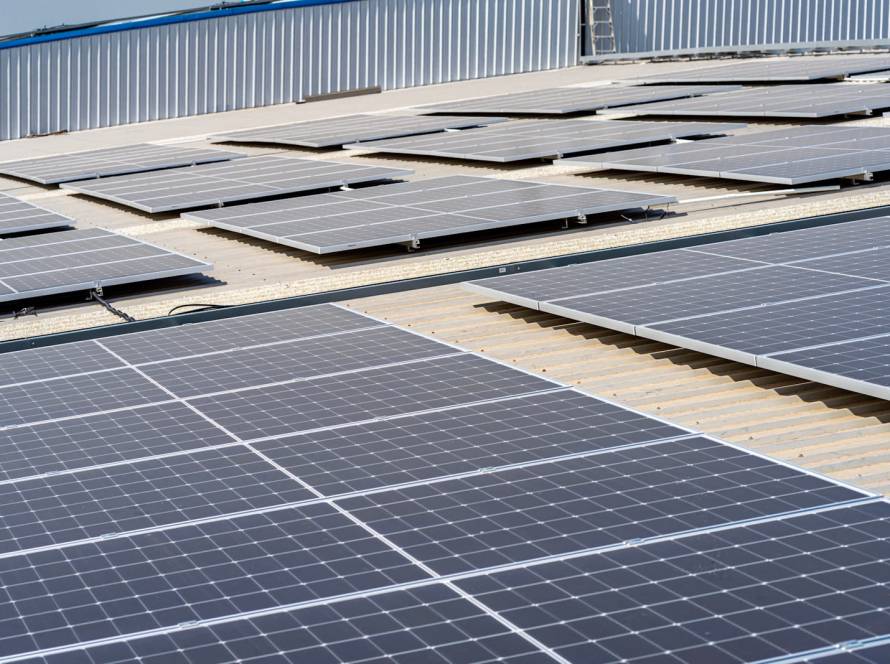
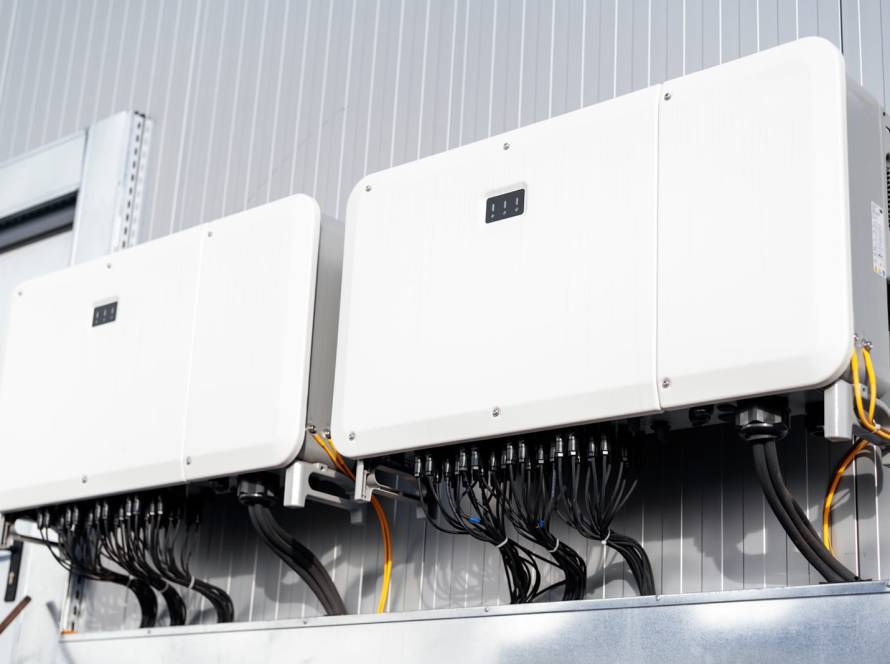
Understanding how commercial solar installers manage multi-site projects begins with recognising that a property portfolio cannot be treated as one oversized installation. Warehouses, factories, shopping centres, offices and agricultural facilities can have different electricity tariffs, operating hours, building structures and grid connections. Even two properties serving the same organisation may require substantially different solar solutions.
A coordinated programme gives the organisation shared commercial objectives, engineering standards, reporting procedures and maintenance expectations. However, every location still needs an individual feasibility assessment, design and approval process. The most successful programmes standardise what benefits from consistency while adapting each system to the property’s technical and operational conditions.
1. Assess Every Property as an Individual Energy Project
Installers begin by analysing the electricity requirements of every property. This process usually considers electricity bills, interval data, operating hours, tariff periods, peak demand and planned changes to the facility. A factory operating production equipment throughout the day could consume solar generation very differently from a warehouse with intermittent activity or an agricultural operation affected by seasonal demand.
A physical assessment is equally important. Engineers may inspect roof condition, structural capacity, shading, electrical infrastructure, transformers, distribution boards, cable routes and equipment access. Ground space and parking areas can also be evaluated for ground-mounted panels or solar carports. These investigations reveal whether structural repairs, roof replacement or electrical upgrades must form part of the project.
2. Understanding How Commercial Solar Installers Manage Multi-Site Projects Through Prioritisation
Following the initial assessments, installers compare the properties to determine which locations should proceed first. The largest building is not necessarily the strongest candidate. A smaller site with high daytime consumption, expensive electricity and a suitable roof could offer a more compelling opportunity than a larger facility with low daytime demand or extensive structural limitations.
This ranking process is central to how commercial solar installers manage multi-site projects without committing resources to unsuitable locations. Installers can compare electricity costs, solar-generation potential, usable installation space, grid conditions, project costs, approval complexity and expected financial returns. Early phases often contain technically ready sites that can establish reliable procedures for the wider programme.
Important prioritisation criteria include:
- Electricity consumption: Sites with substantial daytime consumption may be able to use a larger proportion of their solar generation directly.
- Electricity tariffs: Differences in energy and demand charges can affect the financial value of installing solar at each property.
- Solar-generation potential: Available sunlight, orientation, shading and usable installation space influence expected system output.
- Technical readiness: Roof condition, structural capacity and electrical infrastructure determine whether a site can proceed without significant preparatory work.
- Grid conditions: Connection capacity, export limitations, metering and approval requirements can affect project feasibility and timing.
- Expected financial performance: Capital cost, projected savings, payback period and long-term returns help determine which projects deserve priority.
A weighted scoring system can help the client compare very different properties on a consistent basis. It also creates a transparent explanation for why one site is selected ahead of another, particularly when several business units are competing for the same capital budget.
Once the priority sites have been identified, the programme can move forward in controlled phases. Results from the first installations can inform later designs, schedules and approval processes, but they should not replace the site-specific investigations required at every remaining property.
3. Establish Common Standards Without Replicating One Design
A central solar strategy can establish common engineering principles, equipment requirements, safety procedures, reporting formats and quality controls. Standardisation supports consistent workmanship and can simplify procurement, staff training, warranty administration and long-term maintenance. It also enables management to compare project progress and performance across the property portfolio.
Nevertheless, how commercial solar installers manage multi-site projects depends on their ability to customise the details. One property might support a large rooftop system, while another requires a solar carport or ground-mounted installation. Inverter configurations, mounting structures, protection systems, cable routes and export controls must reflect each site’s infrastructure rather than a standard package.
Elements that can be standardised across the programme include:
- Engineering conventions: Common design principles can improve consistency while allowing engineers to respond to individual site conditions.
- Equipment specifications: Preferred performance, warranty and compatibility requirements can guide procurement without forcing unsuitable equipment into every design.
- Health and safety procedures: Portfolio-wide minimum standards can support consistent contractor management and site safety.
- Quality-control documentation: Shared inspection and testing formats make it easier to evaluate workmanship across different locations.
- Monitoring requirements: Consistent data categories allow management to compare generation, availability and faults across the portfolio.
- Handover records: Standard document packages ensure that each property receives the drawings, certificates, warranties and operating information it requires.
Standardisation is particularly useful when the organisation wants central visibility across its energy assets. Common reporting formats, terminology and performance measurements enable decision-makers to understand results without interpreting an entirely different reporting structure for every location.
However, the final technical design must always remain site-specific. Standard requirements should establish an appropriate minimum level of quality and consistency, while qualified teams determine the system layout, component configuration and protection measures required at each property.
4. Financial Planning Shapes How Commercial Solar Installers Manage Multi-Site Projects
Every location should receive an individual feasibility study that estimates system capacity, annual generation, self-consumption, capital costs, operating expenses and projected electricity savings. Financial models may also consider tariff escalation, equipment degradation, financing costs, maintenance and different performance scenarios. The objective is to determine whether each project remains commercially sensible under realistic assumptions.
When examining how commercial solar installers manage multi-site projects, it is important to consider the portfolio-wide business case alongside individual results. A consolidated return can help management allocate capital, but it should not conceal a poorly performing site. Businesses may purchase installations outright, finance the assets, lease systems or enter into power purchase agreements, depending on property ownership and financial objectives.
5. Navigate Grid Requirements Across Different Supply Areas
Each installation connects at a specific property and must comply with the requirements applicable to that connection. Sites within one company’s portfolio may be supplied by different municipalities or connect directly to the national electricity utility. Registration procedures, metering arrangements, technical documentation and export conditions may therefore vary between locations.
Current requirements distinguish between grid-connected embedded-generation facilities below 100 kW and those of 100 kW or more. The former register with their electricity distributor, while the latter register with the national energy regulator. For applicable utility-connected installations up to 1 MW, applications can require information about the existing supply, proposed generating capacity, transformer or Notified Maximum Demand and intended export capacity.
Early regulatory planning is another important part of how commercial solar installers manage multi-site projects across South Africa. Installers should identify the distributor, confirm the current procedure and track each application independently. Approval delays at one site should not prevent construction from progressing at other properties that are technically and administratively ready.
6. Coordinate Procurement, Construction and Quality Control
Consolidated procurement may improve equipment consistency, delivery planning, warranty management and spare-parts availability. However, product selection still needs to suit each design. Equipment availability can change during a phased rollout, particularly when projects span several months, so proposed substitutions should undergo proper technical review before being accepted.
Construction is planned around each facility’s operating environment. Shopping centres may require disruptive work outside busy trading periods, while factories must coordinate shutdowns around production schedules. Warehouses need protected loading routes, and agricultural sites may have seasonal access constraints. Common safety standards should apply across the programme, supported by site-specific risk assessments covering roof access, lifting operations, electrical isolation, fire precautions and emergency procedures.
Important procurement, construction and quality controls include:
- Approved equipment specifications: Panels, inverters, mounting structures, switchgear and monitoring components should meet the engineering requirements of the relevant site.
- Coordinated delivery schedules: Equipment should arrive when the property is ready to receive it, reducing unnecessary storage and handling risks.
- Controlled substitutions: Alternative equipment should receive technical approval before procurement or installation.
- Site-specific construction plans: Access, lifting activities, working areas and shutdowns should be coordinated with each facility’s management team.
- Installation inspections: Workmanship should be checked at defined stages rather than only after construction is complete.
- Testing and commissioning: Electrical protection, system operation and monitoring should be verified before the installation enters normal service.
Quality control should continue from design review through installation, testing and commissioning. Inspection records, approved drawings, equipment schedules and commissioning results allow the client to confirm that each system meets its requirements. A controlled handover process should provide final drawings, certificates, warranties, operating instructions, monitoring access and maintenance schedules for every property.
A central document-control process can help management confirm that every installation has completed the required quality stages. Site-specific records should remain clearly separated, allowing certificates, warranties, drawings and maintenance information to be retrieved without confusion.
7. Using Battery Storage Where It Provides Genuine Value
Battery energy storage should be assessed separately at each property. A battery can support peak shaving, load shifting, operational continuity or greater use of locally generated solar energy. However, its value depends on the site’s load profile, electricity tariff, critical equipment, required backup duration and intended operating strategy.
This selective approach reflects how commercial solar installers manage multi-site projects where energy risks differ between facilities. One site may justify substantial battery capacity because interruptions affect production, while another may achieve its objectives through grid-tied solar alone. Battery recommendations should therefore follow detailed technical and financial modelling instead of being applied uniformly.
8. Monitoring How Commercial Solar Installers Manage Multi-Site Projects After Completion
Central monitoring gives facilities teams and management a consolidated view of generation, electricity consumption, system availability, faults and estimated savings. Portfolio totals are helpful for strategic reporting, but site-level data remains essential. Strong performance from one installation should not hide a technical fault or gradual decline at another property.
Long-term how commercial solar installers manage multi-site projects success depends on structured operations and maintenance. Preventive inspections, panel cleaning, electrical testing, thermal inspections, fault investigation and warranty management help protect performance. Service plans should account for environmental differences, since dust, vegetation, weather exposure and operating conditions can affect maintenance requirements.
Ongoing performance management should cover:
- Solar generation: Actual output should be compared with expected production for each system and the overall portfolio.
- System availability: Downtime should be identified, recorded and investigated before it causes a prolonged loss of generation.
- Fault notifications: Technical problems should be directed to the appropriate maintenance team and tracked until resolution.
- Site consumption: Changes in electricity use can explain why self-consumption or financial performance differs from the original forecast.
- Maintenance activity: Inspections, cleaning, testing and repairs should be documented for every installation.
- Battery performance: Where storage is installed, reports should examine charging, discharging, availability and operating behaviour.
Management reports should compare actual generation against projections and show system availability, outstanding faults, maintenance activity and electricity purchases avoided. Reviewing these results between rollout phases allows the installer to refine specifications, project schedules and operating strategies before later installations begin.
Central oversight also supports better long-term decision-making. If a site’s consumption changes or a system regularly underperforms, the client can investigate the underlying cause and decide whether operational changes, maintenance or future expansion are appropriate.
Where to Find Commercial Solar Installers Experienced With Large-Scale Projects in South Africa
Businesses seeking an experienced large-scale provider can approach us at Eversolar for an integrated commercial solar solution. We use a full engineering, procurement and construction methodology to coordinate projects from initial assessment and system design through procurement, construction, testing and commissioning. Our commercial and industrial solar solutions can incorporate rooftop PV, ground-mounted systems or solar carports according to the space and infrastructure available. We can also integrate battery energy storage where peak management, load shifting or operational continuity supports the client’s objectives. Hybrid and off-grid configurations can be considered where the site requires a more independent or flexible energy solution.
We can support larger projects through several commercial and long-term service options. Our project-financing solutions, leases and power purchase agreements can help clients choose an arrangement that aligns with their capital position and property ownership, while solar wheeling can support suitable organisations seeking to allocate renewable electricity across different locations. Once systems are operational, our monitoring, operations and maintenance services help clients oversee performance, identify faults, plan preventive work and protect the long-term value of their assets. Combining these capabilities allows us to manage technically demanding installations and coordinate solar, storage, financing and ongoing support as parts of a broader large-scale energy project.
Our large-scale commercial solar capabilities include:
- Solar EPC services: We can coordinate engineering, procurement and construction through one structured project methodology.
- Commercial and industrial solar: We develop solutions around the energy demands and operational conditions of commercial and industrial properties.
- Rooftop solar PV: We can use suitable commercial roof space to generate electricity close to the point of consumption.
- Ground-mounted solar: Where appropriate land is available, we can integrate ground-mounted generation into the wider project.
- Solar carports: Parking areas can provide additional generation space while also giving vehicles covered parking.
- Battery energy storage: BESS can be integrated where storage supports peak management, load shifting, energy security or improved use of solar generation.
- Hybrid and off-grid solutions: These configurations can support sites requiring greater flexibility or reduced dependence on an external electricity supply.
- Project financing and PPAs: We can help clients consider commercial structures that align with their available capital and long-term objectives.
- Solar wheeling: Suitable projects can incorporate wheeling where renewable electricity needs to be allocated to another qualifying location.
- Monitoring, operations and maintenance: We support systems after commissioning through performance oversight, preventive work and fault management.
These services can be combined according to the scale, location and operational requirements of the project. A client may require a straightforward grid-tied installation at one facility, while another property needs battery storage, a solar carport or a different financial arrangement. Our role is to integrate the appropriate capabilities into a coherent technical and commercial solution.
Eversolar’s portfolio includes installations exceeding 1 MWp across retail, logistics, industrial and agricultural settings. This experience demonstrates our ability to manage high-capacity systems, technically demanding integration requirements and long-term performance needs without treating every large project as though it has the same design.
Build a Multi-Site Solar Programme Around Reliable Evidence
The central principle behind how commercial solar installers manage multi-site projects is the balance between consistent programme controls and individual engineering. Shared standards make a portfolio easier to procure, construct and operate, but every property still needs a solution based on its energy data, physical condition, electrical infrastructure and commercial objectives.
At Eversolar, we provide commercial solar EPC, battery storage, monitoring, operations and maintenance capabilities for commercial, industrial, retail and agricultural environments. Contact us to discuss a portfolio assessment and develop a phased solar programme suited to your organisation’s properties and energy requirements.
FAQs
How do commercial solar installers begin planning multi-site projects?
Commercial solar installers begin by collecting electricity bills, interval data, operating schedules and tariff information for every property. They then inspect roofs, structures, electrical infrastructure, access conditions and available installation space. Because each location can have a different consumption profile, system size and grid connection, the portfolio cannot rely on one repeated design. The installer develops an individual feasibility assessment for each site while applying common engineering, safety, quality and reporting standards across the programme. This approach supports consistent management without overlooking technical risks or operational requirements at individual facilities. It also helps management compare opportunities and allocate investment responsibly.
How do installers decide which commercial sites to develop first?
They compare sites using energy consumption, daytime demand, electricity tariffs, solar-generation potential, available roof or ground space, structural condition and grid requirements. Financial modelling then estimates expected generation, project cost, savings, payback and long-term returns for each property. A site with the largest roof may not rank first if it has weak daytime consumption, major structural work or complicated approvals. Installers often prioritise technically ready locations with strong commercial potential, then use lessons from those installations to improve later phases without replacing site-specific assessments. A documented scorecard also makes investment decisions clearer for executives and individual facility managers across the wider portfolio.
Does each commercial solar installation need separate registration?
Usually, each grid-connected installation must be addressed according to its own connection point, capacity and electricity distributor. A business may own several properties, but those locations can fall under different municipal supply areas or connect directly to the national utility. Application forms, metering requirements, export conditions, protection settings and approval processes may consequently differ. Installers should identify the responsible distributor early, confirm current requirements, prepare site-specific engineering documents and track every application independently. Registration should not be confused with the electrical compliance documentation required for safe commissioning and operation. Early planning helps prevent one delayed application disrupting the entire rollout.
Does every site in a multi-site project require battery storage?
No. Battery storage should be recommended only where its technical and financial value is supported by the site’s energy profile. Installers examine peak-demand charges, time-of-use tariffs, critical loads, outage risks, required backup duration, available solar generation and operating schedules. A factory may benefit from continuity support or peak management, while another property may meet its objectives through grid-tied solar alone. Where storage is suitable, its capacity, controls, safety measures and maintenance requirements must be integrated into the wider electrical design rather than added as a standard portfolio feature. This keeps investment aligned with genuine operational needs at each individual facility.
How are multi-site commercial solar installations monitored and maintained?
Installers can monitor a multi-site portfolio through a central platform that consolidates generation, consumption, system availability, faults and estimated savings. Portfolio-level reporting helps management understand overall progress, while site-level data reveals underperformance that combined totals could hide. Ongoing maintenance may include inspections, panel cleaning, electrical testing, thermal checks, fault investigation and warranty administration. Service plans should account for local dust, vegetation, weather and operating conditions. Reports should compare actual production with forecasts, record downtime and show whether corrective actions were completed. These records support better maintenance planning, future expansion decisions and more accurate performance reviews across every operating solar asset.