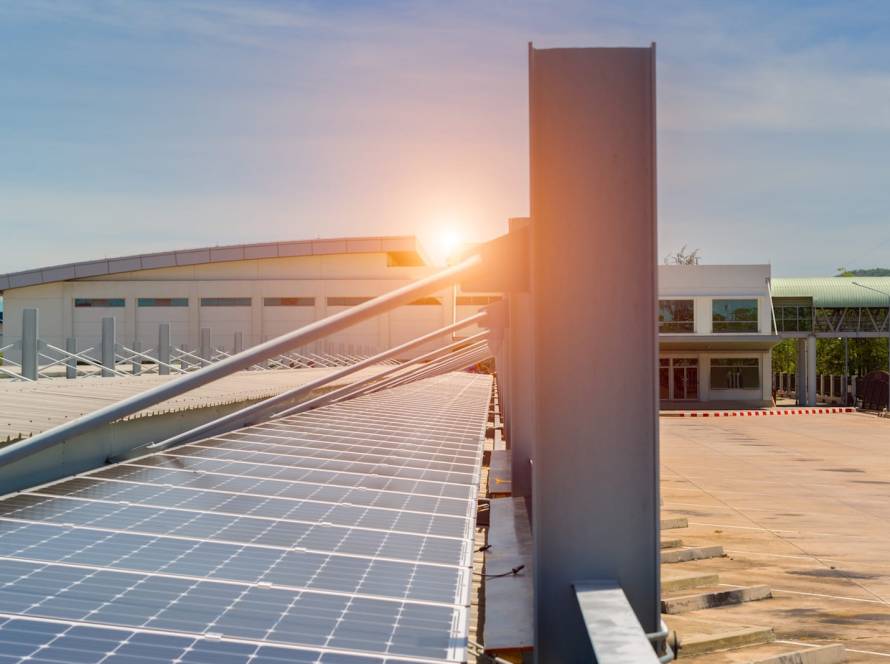
A commercial solar investment should match the way a business operates, from daytime electricity consumption to production schedules and future expansion. Choosing a large-scale commercial solar installer therefore requires careful consideration of engineering capability, project management and long-term support alongside the installation price.
A substantial roof area does not automatically justify the largest possible system. Financial performance depends on usable generation, electricity tariffs, site constraints and ongoing reliability. Asking detailed questions before appointment helps establish whether the proposal reflects these conditions and whether the installer can support its promises with evidence.
1. What Similar Large-Scale Projects Have You Completed?
Relevant experience should extend beyond photographs of completed rooftops. Ask a large-scale commercial solar installer for projects with comparable capacities, energy demands and operating conditions. A factory with heavy machinery presents different integration challenges from an office building, even when their annual electricity consumption appears similar.
One published industrial installation has a capacity of 1,146 kWp, with projected annual generation of approximately 1.69 million kWh. Such figures establish scale, but buyers should also confirm who handled engineering, construction and commissioning. Ask whether the proposed team delivered those projects and what operational challenges it resolved.
2. Can Previous Clients Recommend Your Large-Scale Commercial Solar Installer?
Client references help establish how an installer performs throughout construction and after commissioning. Request introductions to businesses with comparable installations that have operated long enough to assess generation, maintenance and fault resolution. Early impressions alone provide limited insight into support over time.
Ask about communication, workmanship, disruption and unexpected charges. Find out whether reported performance matched expectations and how problems were resolved. Where practical, visit a completed installation and speak to its facilities team about monitoring access, maintenance requirements and the usefulness of the handover information.
- Project Delivery: Was the agreed scope completed on schedule, and were delays explained promptly?
- Installation Quality: Did inspections or subsequent operation reveal defects, and how were they corrected?
- Operational Disruption: Were shutdowns, deliveries and restricted areas managed around the business’s requirements?
- Cost Transparency: Were additional charges explained and approved before work proceeded?
- After-Sales Support: How effectively did the installer respond to faults, warranty claims and performance concerns?
The most useful references provide specific examples rather than general praise. A facilities manager who can describe how an electrical shutdown was coordinated or a persistent fault resolved offers practical evidence of the installer’s working methods. Ask follow-up questions to establish what happened, who took responsibility and whether the outcome met expectations.
Consider each reference in the context of the project involved. A smooth installation at a straightforward site may reveal less about complex integration than a challenging project completed successfully. Consistent feedback across several comparable clients provides a stronger basis for appointment than a single positive recommendation.
3. How Will You Assess Our Site and Electricity Requirements?
Electricity bills provide a starting point, but consumption patterns determine how effectively solar generation can serve a facility. Ask how the assessment will examine interval data, peak demand, operating hours and seasonal changes. A business operating mainly overnight has different requirements from one with substantial daytime consumption.
The assessment should also address roof condition, structural capacity, shading, available land and electrical infrastructure. Engineering guidance recognises that mounting loads and local weather conditions influence installation design. Confirm whether roof repairs, structural investigations or electrical upgrades are needed before the proposed scope and price become final.
4. Who Will Design, Install and Take Responsibility for the System?
Before appointing a large-scale commercial solar installer, establish who leads engineering, construction and electrical integration. Ask which responsibilities remain internal and which involve subcontractors. Clear accountability matters when a design decision affects several parts of the installation or requires changes to existing infrastructure.
Request relevant qualifications, statutory registrations and insurance details. Industry guidance distinguishes supplementary solar training credentials from the registrations required to undertake and certify electrical work. The agreement should identify who approves technical changes, supervises installation and resolves defects involving multiple contractors or suppliers.
- Engineering Leadership: Identify who develops the design and approves technical revisions.
- Construction Management: Confirm who coordinates labour, equipment deliveries and the installation programme.
- Electrical Responsibility: Establish who supervises electrical work and provides the required certification.
- Subcontractor Management: Clarify which specialists are involved and who checks their work.
- Issue Resolution: Identify the contractual contact responsible for coordinating corrective action across the project.
A written responsibility schedule should connect each major deliverable to a named person or clearly identified role. This helps the business understand who can approve decisions and prevents important tasks from falling between contractors. It should also establish how technical information reaches the facility’s management team.
Subcontracting can provide valuable specialist expertise, but the contractual arrangements need to remain clear. Confirm how the appointed provider manages its partners and whether the business must pursue separate suppliers when problems arise. Responsibility for resolving an integrated system fault should be established before construction begins.
5. What Experience Do You Have With Approvals and Grid Connection?
Approval requirements depend on system capacity, grid connection and the distributor serving the premises. Current South African guidance distinguishes grid-connected installations of 100 kW or less, which register with the relevant distributor, from those above 100 kW, which register directly with the regulator. Connection approval remains a separate consideration.
Ask who prepares applications, technical drawings and supporting documents, and who coordinates inspections or metering changes. Consuming all generated electricity on site does not automatically remove registration requirements. The proposal should distinguish the installer’s responsibilities from decisions, costs and timelines controlled by external authorities.
6. Why Have You Recommended This System Size and Equipment?
A proposal should explain how panel capacity, inverter capacity and mounting arrangements relate to the facility’s consumption and usable space. When assessing a large-scale commercial solar installer, ask why its recommended design offers suitable value and whether alternative capacities or layouts were considered.
Generation capacity and financial benefit are connected through actual electricity use. Additional panels may provide limited savings if production exceeds consumption and export opportunities are restricted. Equipment selection should also consider site conditions, compatibility, warranty terms and replacement availability. Confirm specifications and establish how substitutions require approval.
7. Do We Need Battery Storage, and What Will It Actually Support?
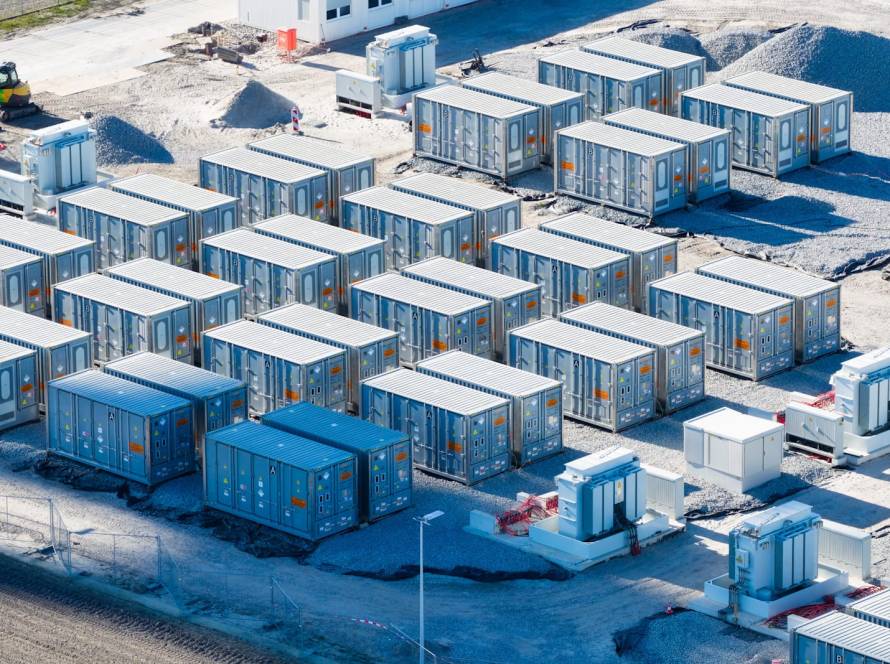
Battery storage should serve a defined operational or financial purpose. Ask whether the proposal prioritises backup, shifting solar electricity into other operating hours or managing demand. Technical guidance distinguishes battery power in kW, which affects supported loads, from stored energy in kWh, which influences runtime.
Request calculations identifying critical equipment, starting demands, usable capacity and reserve settings. Runtime assumptions should account for conversion losses and declining battery capacity. Where generators already operate, clarify how the combined system responds to grid failures and restoration. Solar panels alone do not automatically keep a facility running during an outage.
- Storage Purpose: Establish whether batteries support backup, energy shifting, demand management or a combination.
- Supported Equipment: Identify the circuits and machinery included in the backup arrangement.
- Power Requirements: Confirm that the system can accommodate operating loads and relevant starting demands.
- Expected Runtime: Request calculations showing usable energy, reserve settings and assumed consumption.
- Generator Integration: Clarify switching arrangements, charging behaviour and operation during extended outages.
The operating strategy should explain how competing priorities will be managed. Using stored electricity to reduce peak-period purchases can leave less energy available for an unexpected outage. Ask how reserve settings balance financial savings with the level of backup required by the business.
Battery proposals should also address changing performance over time. Available capacity, operating temperature and cycling patterns can influence useful service and warranty conditions. The business should understand how these factors affect its expected backup duration and whether future battery additions or replacements have been considered.
8. What Savings Can a Large-Scale Commercial Solar Installer Substantiate?
Generation forecasts should explain assumptions about weather, shading, temperature, equipment losses and degradation. Financial calculations must also reflect consumption timing, tariff structures and operating hours. Fixed charges and demand charges require separate consideration because reducing purchased electricity does not necessarily reduce every component of the bill.
A published retail installation with 1,810.4 kWp capacity recorded approximately 1.57 million kWh during its first six months, reaching 109% of projected generation. Its approximately 3.5-year payback remained a projection. This distinction matters: measured production, estimated savings and contractual guarantees provide different forms of evidence and should remain clearly separated.
9. What Is Included in the Price, and What Could Cost Extra?
Comparable quotations need comparable scopes. Ask whether pricing includes structural assessments, roof work, electrical upgrades, lifting equipment, connection work and commissioning. A large-scale commercial solar installer should identify exclusions and provisional allowances clearly enough for buyers to understand their potential financial exposure.
Connection guidance confirms that metering changes and necessary network upgrades can create additional costs. Establish how unforeseen conditions and scope changes will be priced and approved. Review maintenance expenses, payment milestones and replacement allowances too. Where finance is proposed, examine escalation, ownership and termination terms alongside the initial monthly payment.
10. How Will Installation Affect Our Daily Operations?
Construction planning should account for staff, customers, deliveries and critical equipment. Ask how the large-scale commercial solar installer will organise roof access, lifting activities, restricted areas and equipment storage. Installation arrangements should also preserve emergency routes and accommodate the facility’s production or trading schedule.
Electrical integration may require planned shutdowns. Establish their expected duration, notice periods and arrangements for sensitive machinery, refrigeration or information systems. Clear communication between construction personnel and facility management helps prevent avoidable disruption. Confirm who approves interruptions and how changes to the work programme will be communicated.
- Site Access: Agree on contractor routes, working areas and arrangements for staff and customers.
- Deliveries and Lifting: Coordinate equipment movements with loading bays, parking and operating schedules.
- Electrical Shutdowns: Confirm affected equipment, expected durations and required notice.
- Critical Operations: Identify processes that need temporary supply or carefully controlled shutdown procedures.
- Daily Communication: Establish a site contact and a process for reporting changes or emerging problems.
The installation plan should be reviewed with the people responsible for running the facility. Production managers, security personnel and maintenance teams may identify practical constraints that are not apparent during an initial survey. Incorporating their input helps make the programme workable and clarifies the preparation required from the business.
Unexpected site conditions can still require adjustments, so the escalation process matters as much as the original schedule. Agree on who can authorise a revised shutdown or restricted area and how affected staff will be informed. Changes that could interrupt operations should receive appropriate review before work proceeds.
11. What Is the Project Timeline, and What Could Delay Completion?
Request a programme covering assessments, design, approvals, procurement, construction and commissioning. Each milestone should identify its dependencies, including equipment availability, client decisions and external connection work. This makes it easier to distinguish progress within the installer’s control from activities requiring third-party action.
Published connection processes distinguish permission to install from permission to operate. Physical completion therefore does not necessarily mean the system can immediately generate electricity for the business. Ask how delays will be reported, what recovery measures are available and which conditions must be satisfied before contractual acceptance.
12. How Will You Manage Safety and Installation Quality?
Safety planning should address work at height, lifting operations, electrical isolation and subcontractor supervision. Your large-scale commercial solar installer should explain how its procedures will integrate with the facility’s own requirements. Engineering guidance also highlights cable management and equipment protection as important contributors to safe, durable installations.
Quality inspections should take place throughout construction, particularly before work becomes difficult to access. Ask how mounting, roof penetrations, electrical connections and protection settings will be checked. Inspection records and photographs can support verification, while a defect register should identify corrective actions, responsible parties and completion dates.
- Site-Specific Planning: Confirm how hazards associated with the building and its operations will be assessed.
- Work at Height: Establish access arrangements, fall protection and relevant emergency procedures.
- Electrical Isolation: Ask how equipment will be isolated, verified and controlled during installation.
- Quality Inspections: Identify checks for mounting, weatherproofing, cable management and electrical connections.
- Defect Management: Require a clear process for recording, correcting and verifying incomplete or defective work.
Inspection schedules should identify points where work needs checking before the next activity proceeds. For example, mounting and roof penetrations may require verification before access becomes restricted by installed panels. This approach helps identify problems while correction is more straightforward and provides records for the completed installation.
Safety and quality responsibilities should continue through testing and handover. Confirm who verifies corrective work and whether unresolved defects affect acceptance. The business should receive sufficient records to understand what was inspected, what was corrected and which maintenance or operating precautions remain relevant.
13. How Will the System Be Tested Before Handover?
Commissioning should demonstrate safe operation and compliance with the agreed design. Established technical guidance recommends planning this process before construction and includes documentation checks, array testing and whole-system performance testing. Depending on the installation, functional checks should also cover batteries, export controls and generator integration.
The handover should provide final drawings, equipment details, test results, warranties and operating instructions. Confirm monitoring access, staff training and the procedure for escalating faults. Outstanding defects should have agreed correction dates, while acceptance criteria should explain what must be completed before the business formally accepts the system.
14. What Support Should a Large-Scale Commercial Solar Installer Provide?
Equipment warranties, panel performance warranties and workmanship cover have different terms. Ask who handles claims and whether diagnosis, labour, transport and replacement installation are included. A component warranty may cover replacement equipment while leaving other repair costs with the owner.
Maintenance guidance treats monitoring, preventive inspections and corrective repairs as ongoing responsibilities. Establish who detects faults and distinguish acknowledgement times from attendance and restoration targets. The service agreement should explain exclusions, recurring charges and the owner’s responsibilities for providing access and meeting maintenance conditions.
15. Can You Support Future Expansion and Changing Energy Needs?
Future expansion depends on more than spare roof space. Ask which inverters, switchgear and cable routes have additional capacity, and whether batteries or new buildings could be integrated later. Increased generation or changing operating requirements may require revised engineering and further approvals.
Request a practical expansion plan identifying reserved capacity, likely modifications and constraints. Design guidance supports considering maintenance access and lifecycle requirements early, when changes are easier to accommodate. Any additional investment now should have a clear purpose linked to credible growth plans and expected future demand.
Where to Find Commercial Solar Installers Experienced With Large-Scale Projects in South Africa
Eversolar is a commercial solar installer experienced with large-scale projects in South Africa, serving factories, warehouses, offices and retail facilities. Its capabilities encompass Solar PV, Battery Energy Storage Systems (BESS) and full engineering, procurement and construction (EPC) delivery, with systems tailored to operational requirements and financial priorities.
For larger facilities, these services bring generation, storage and electrical integration into a coordinated project. Precision engineering, quality components and end-to-end management support safety and performance, while deployment planning helps minimise operational disruption. Available configurations and delivery options address different commercial priorities:
- Grid-Tied Solar PV: Offsets daytime electricity purchases while retaining grid access when solar generation is insufficient, supporting cost control across extensive commercial premises.
- Hybrid Solar and BESS: Combines generation and storage to increase self-consumption, shift energy use and potentially reduce peak demand charges. Appropriately designed systems can support agreed critical loads during outages.
- Off-Grid Systems: Provides independent supply for remote facilities, with generation, storage and any backup provision sized around operating requirements to reduce reliance on diesel.
- Full EPC Delivery: Coordinates engineering, procurement and construction, helping manage technical interfaces, installation quality and integration with existing infrastructure.
- Power Purchase Agreements and Rent-to-Own Solar: Offers alternatives to upfront purchase, allowing businesses to align solar adoption with cash flow and financial strategy.
- After-Sales Support: Includes remote performance monitoring, preventive maintenance, technical assistance and ongoing optimisation to help identify faults and sustain output.
These solutions can be combined according to the facility’s needs. A warehouse may prioritise grid-tied generation, while a factory could require hybrid storage for selected production loads. Financing arrangements can support either approach, with their value assessed against consumption, contractual terms and anticipated operating costs.
Eversolar also supports changing energy requirements through ongoing optimisation and expansion planning. Additional capacity remains subject to equipment limits, available space and approvals, but considering these factors early helps businesses accommodate growth while protecting long-term system value and reducing purchased electricity and associated emissions.
Choose an Installer With Clear Accountability
A suitable large-scale commercial solar installer should explain its recommendations, substantiate its calculations and accept clear responsibility for delivery. Relevant experience, complete pricing and dependable support help a business assess the proposal beyond its headline capacity or projected savings.
Contact Eversolar to discuss your commercial solar project. Our team can help assess your facility’s requirements and explore a solution aligned with your operating needs and future plans.